Deciding whether to take the cash value of a life insurance policy at age 70 requires balancing the guaranteed security of a death benefit against the potential growth of private investments. For most, the decision hinges on whether their beneficiaries still need financial protection, the tax implications of the surrender, and the current "cost of insurance" within the policy. If the death benefit is no longer vital and the policy’s internal costs are rising, cashing out to reinvest may be a viable strategy, provided you account for the immediate tax hit.
Understanding the Financial Landscape at Age 70
By the time you reach age 70, your financial priorities have likely shifted from wealth accumulation and family protection to wealth preservation and income distribution. Permanent life insurance—such as whole life or universal life—serves a dual purpose: it provides a tax-free death benefit to heirs and builds "cash value" over time.
In 2026, the economic environment presents unique challenges for retirees. With fluctuating interest rates and the evolving cost of living, many seniors look at the stagnant cash value in their decades-old policies and wonder if that capital could work harder elsewhere. However, before liquidating a policy, it is essential to understand that a life insurance policy is more than just a savings account; it is a legal contract with specific tax advantages and actuarial costs that become more pronounced as you age.
The Mechanism of Cash Value and the Rising Cost of Insurance
Permanent life insurance is structured so that your early-year premiums are higher than the actual cost of insuring your life. This "overpayment" is what builds the cash value. As you age, particularly once you cross the threshold into your 70s, the "net amount at risk" for the insurance company changes.
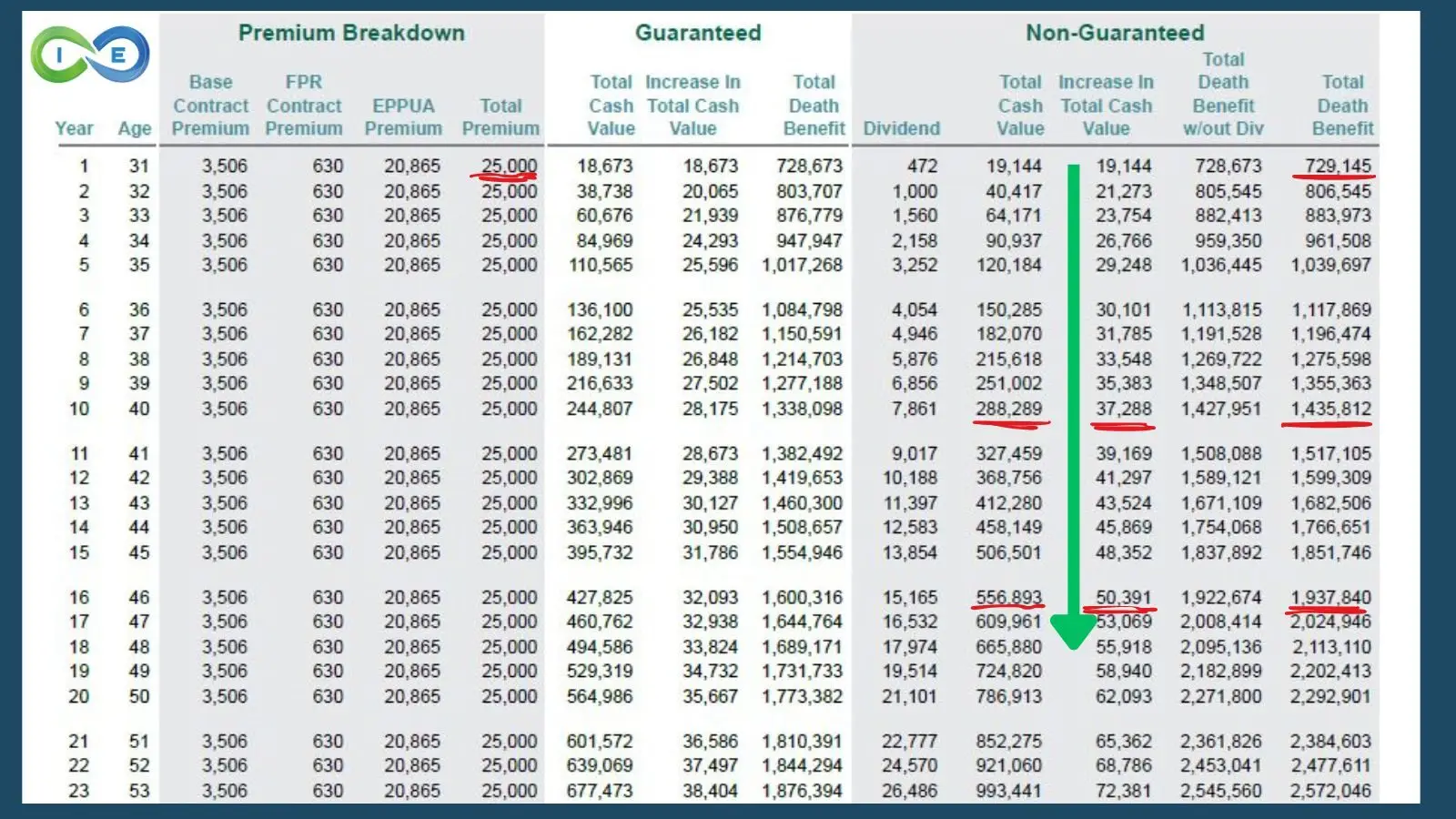
The Cost of Insurance (COI) is the actual price the insurer charges within the policy to cover the death benefit. This cost increases every year as the statistical probability of death rises. In many universal life policies, the COI can eventually exceed the annual premium, beginning to eat away at the accumulated cash value. At age 70, you must request an in-force illustration from your carrier. This document projects how the policy will perform in the future based on current costs. If the illustration shows the cash value declining to zero in your 80s unless you inject more capital, cashing out now might be a defensive necessity rather than just an investment choice.
The Case for Cashing Out and Reinvesting
There are several compelling reasons why a 70-year-old might choose to surrender their policy and move the funds into a brokerage account, an annuity, or other investment vehicles.
1. Your Beneficiaries Are Self-Sufficient
The primary purpose of life insurance is to replace lost income or cover specific debts (like a mortgage) upon the policyholder’s death. At age 70, your children are likely middle-aged and financially independent. Your mortgage may be paid off, and your spouse may be well-covered by Social Security, pensions, and existing retirement accounts. If the "need" for the death benefit has evaporated, the policy becomes a frozen asset.
2. Higher Potential Returns
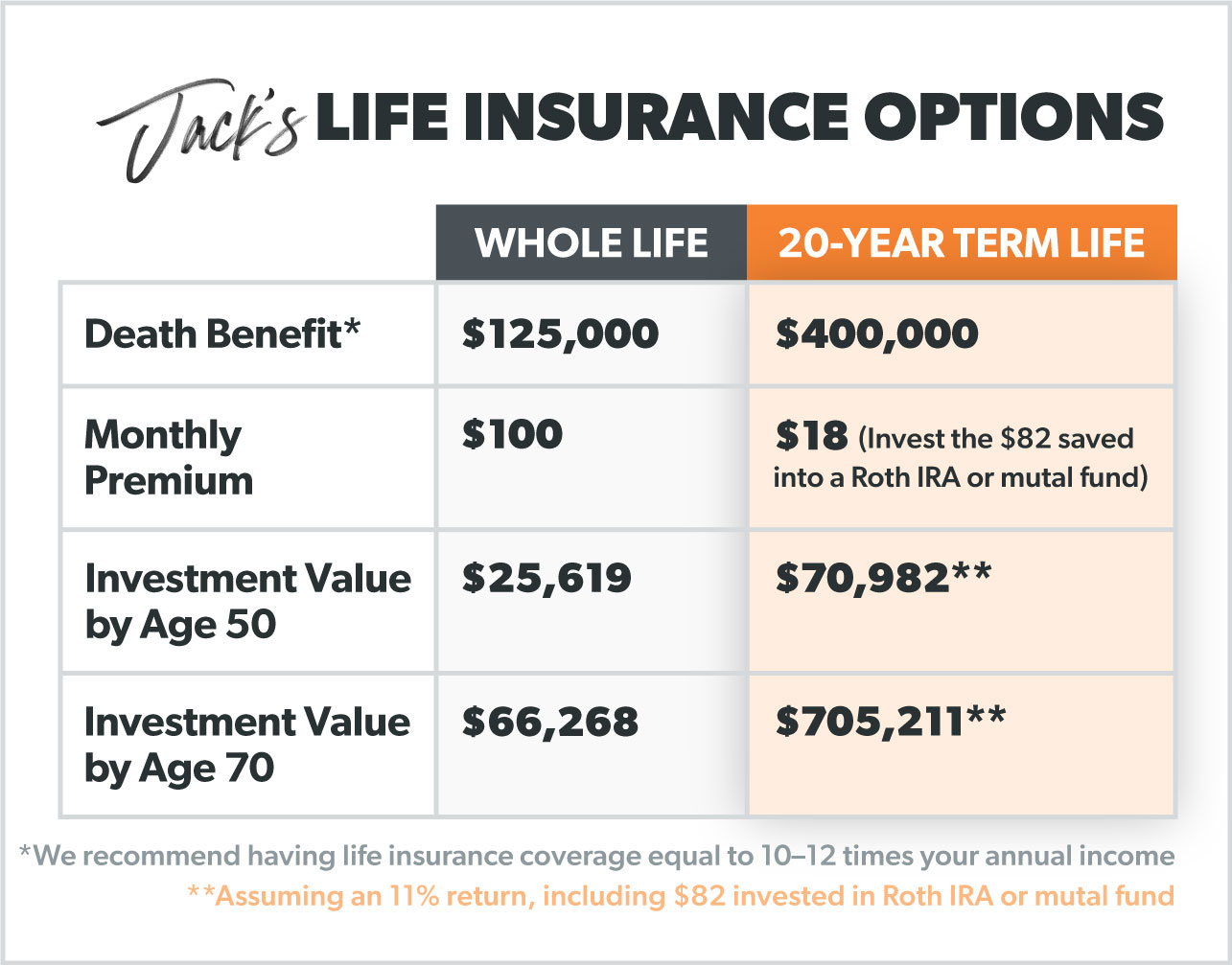
Life insurance cash value typically grows at a conservative rate. Whole life policies often offer a guaranteed rate (often between 2% and 4%), plus potential dividends. While safe, these returns may not keep pace with a well-diversified portfolio of equities or even modern high-yield fixed-income instruments available in 2026. By moving $100,000 of cash value into a balanced portfolio, you might target a 5% to 7% return, though you must accept market risk that the insurance policy does not have.
3. Improving Retirement Cash Flow
If you are "house rich and cash poor," the cash value of your insurance policy represents a liquid reserve. Cashing out can provide a lump sum to purchase a single-premium immediate annuity (SPIA), which provides a guaranteed monthly check for life. This can be more beneficial for a 70-year-old’s daily quality of life than a large payout to heirs 20 years in the future.
The Risks and Drawbacks of Surrendering at 70
Before you sign the surrender paperwork, you must navigate the significant "exit costs" that the insurance company and the IRS will impose.
The Tax Trap: Cost Basis vs. Gain
When you surrender a policy, the IRS treats the proceeds as follows: you can withdraw an amount equal to the total premiums you have paid (your cost basis) tax-free. Any amount received above that basis is taxed as ordinary income, not at the lower capital gains rate.
For a policy held for 30 years, the gain can be substantial. If you are in a high tax bracket at age 70—perhaps due to Required Minimum Distributions (RMDs) from your 401(k) or IRA—adding another $50,000 or $100,000 of taxable income in a single year could trigger a massive tax bill and even increase your Medicare Part B and D premiums (via IRMAA surcharges).
Loss of the Tax-Free Death Benefit
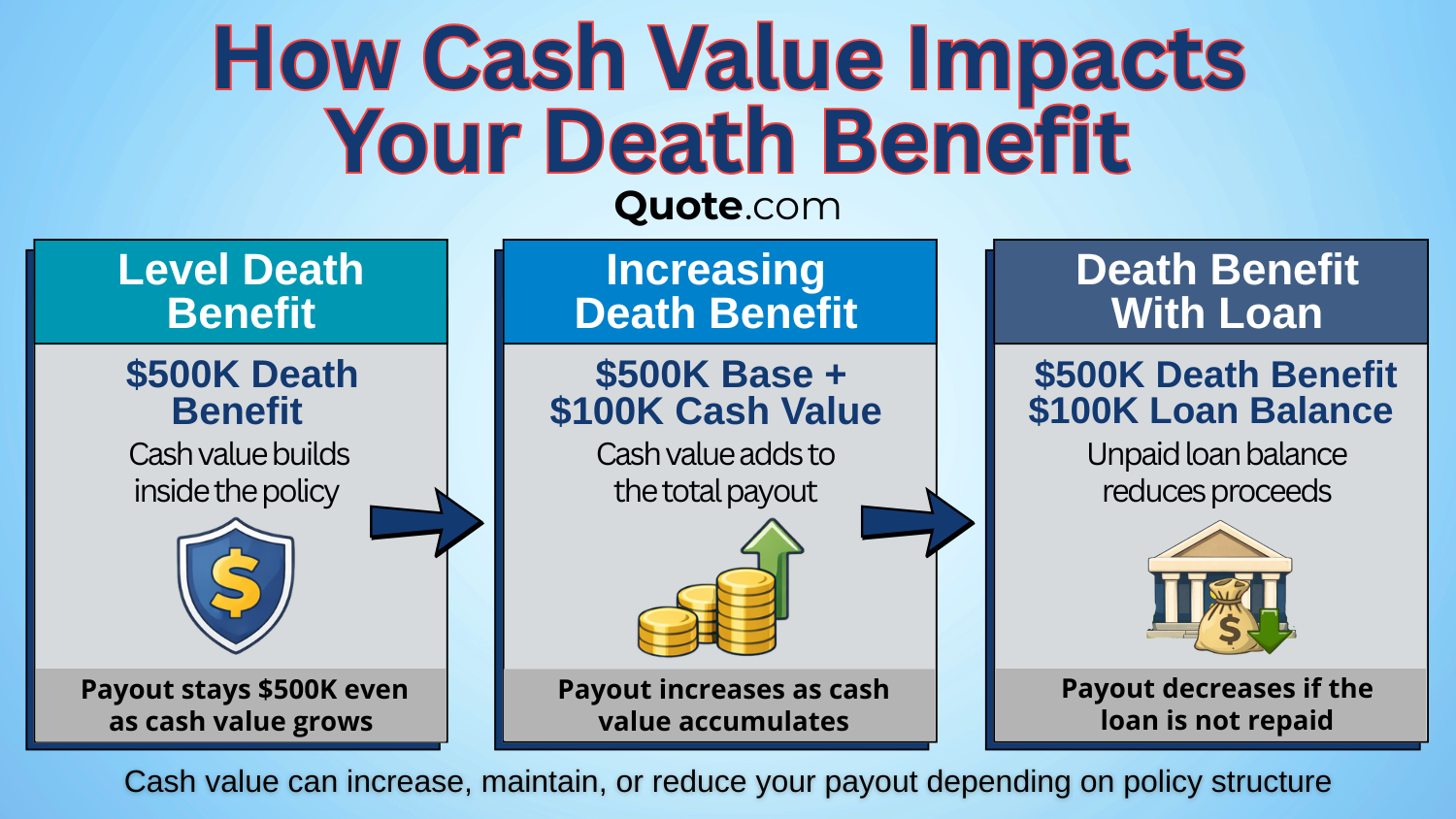
Life insurance is one of the few assets that passes to heirs entirely free of federal income tax. If you have a $250,000 death benefit and $100,000 in cash value, your heirs would receive $250,000 tax-free if you keep the policy. If you cash it out, you get $100,000 (minus taxes), which you then invest. To "break even" for your heirs, your $100,000 investment would need to grow significantly to match the $250,000 they would have received—all while being subject to future market volatility and taxes.
Surrender Charges
Most permanent policies have a surrender charge period, typically lasting 10 to 15 years. While a 70-year-old who has held a policy for decades is likely past this period, it is vital to verify. Surrender charges can shave 5% to 10% off the account value if the policy was purchased or significantly modified later in life.
Alternatives to Full Surrender
Cashing out is not an all-or-nothing decision. There are several middle-ground options that might provide the capital you want without losing all the benefits of the policy.
- Partial Surrender/Withdrawal: You can often withdraw cash up to your cost basis without paying any taxes. This allows you to take out your original "seed money" to invest while leaving the remainder of the policy in force (though with a reduced death benefit).
- Policy Loans: You can borrow against the cash value. This is not a taxable event. However, the insurance company will charge interest on the loan, and any unpaid balance will be deducted from the death benefit when you pass away.
- Life Settlements: At age 70, you may be eligible to sell your policy to a third-party investor. In a life settlement, the investor pays you a lump sum that is higher than the cash surrender value but lower than the death benefit. The investor then takes over the premium payments and collects the benefit when you die. This can often net 20% to 30% more than simply surrendering the policy back to the insurance company.
- 1035 Exchange: Under Section 1035 of the Internal Revenue Code, you can swap your life insurance policy for a tax-deferred annuity without paying immediate taxes on the gains. This is an excellent option if you want to move away from insurance but want to avoid a massive tax bill in the current year.
Comparing Your Options at Age 70
| Feature | Keeping the Policy | Cashing Out & Investing | Life Settlement |
|---|---|---|---|
| Primary Benefit | Guaranteed tax-free death benefit | Immediate liquidity & growth potential | Higher lump sum than surrender |
| Tax Impact | None (tax-deferred growth) | Ordinary income tax on gains | Capital gains/Ordinary income |
| Risk Level | Very Low (guaranteed by insurer) | Moderate to High (market risk) | Low (transfer of ownership) |
| Heir Impact | Maximum inheritance | Dependent on investment success | Usually no inheritance from policy |
| Monthly Cost | Premium payments may continue | No more premiums | No more premiums |
Step-by-Step Evaluation Process
If you are 70 and considering this move, follow these steps to ensure you aren't making a costly mistake:
- Request an In-Force Illustration: Contact your agent and ask for a projection to age 100. Check if the policy is "self-sustaining" or if it is at risk of lapsing without higher premiums.
- Calculate Your Cost Basis: Determine exactly how much you have paid in premiums over the years. Subtract this from your current cash value to find your taxable gain.
- Consult a Tax Professional: Determine how the surrender will affect your 2026 tax bracket and your Medicare premiums.
- Evaluate Your Health: If your health has declined since you bought the policy, the "value" of the death benefit has actually increased because the likelihood of a payout in the near term is higher. In this case, keeping the policy is often the mathematically superior choice.
- Get a Life Settlement Appraisal: Before surrendering for the cash value, see what the secondary market will offer. If your death benefit is $500,000 and your cash value is $100,000, a life settlement firm might offer you $150,000.
Frequently Asked Questions
Can I take the cash value and still keep a small portion of the life insurance?
Yes, this is often called "reducing the face amount." You can ask the insurance company to lower the death benefit to a level where the remaining cash value can support the policy without further premium payments (making it "paid-up"), while you withdraw the excess cash.
Is the cash value of my life insurance protected from creditors at age 70?
In many states, the cash value and death benefit of a life insurance policy are protected from creditors. If you cash out the policy and put the money into a standard brokerage account, you may lose that legal protection. If you are concerned about lawsuits or debt, consult your state's specific statutes.
How long does it take to receive the money after surrendering a policy?
Typically, once the surrender forms are processed, the insurance company will issue a check or electronic transfer within 7 to 10 business days. However, some older contracts allow the company to delay payment for up to six months, though this is rarely invoked in 2026.
Will cashing out my policy affect my Social Security benefits?
Cashing out a policy does not directly reduce Social Security retirement benefits. However, the "gain" on the policy is considered income. If this income significantly increases your Adjusted Gross Income (AGI), it could result in a larger portion of your Social Security benefits becoming subject to federal income tax.
Should I use the cash value to buy a different type of insurance?
If you still need coverage but your current policy is too expensive, you might use a 1035 exchange to move the cash value into a "Long-Term Care (LTC) Rider" policy. This allows you to use the death benefit to pay for home health care or nursing home costs while you are still alive, which is often a major concern for 70-year-olds.
Final Recommendation
At age 70, you should only take the cash value and invest it if you meet three criteria: you no longer need the death benefit to protect a spouse or heir, you have calculated that the tax liability won't negate your investment gains, and you have a clear, lower-risk investment strategy for the proceeds.
If your health is poor or the tax hit is significant, you are almost always better off keeping the policy or exploring a life settlement. Always prioritize obtaining an in-force illustration before making any changes, as this document reveals the true "health" of your insurance contract in the context of 2026’s financial realities.