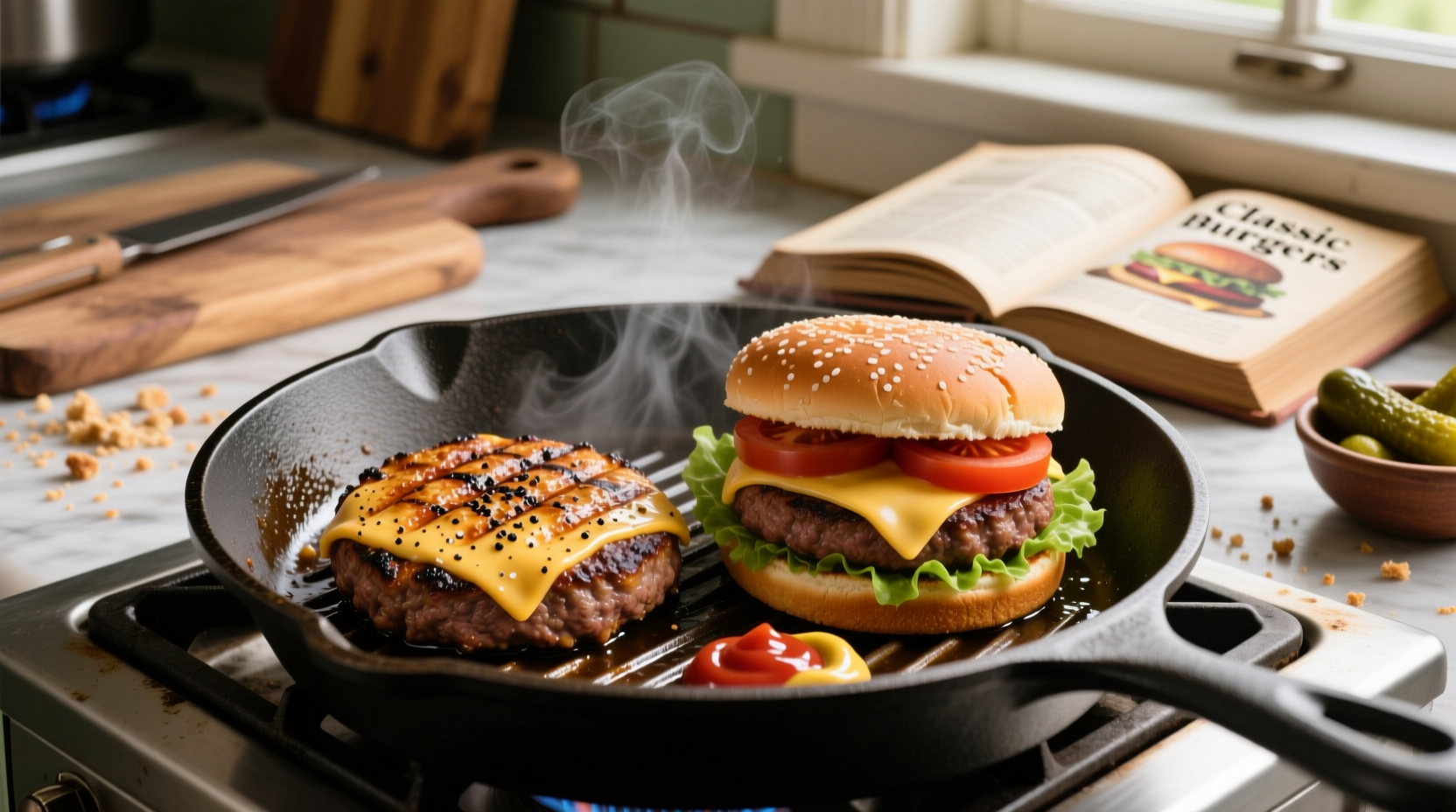
Whether a burger is considered "fried" depends largely on the specific culinary technique used to prepare it. While most traditional burgers are pan-fried or griddled in their own rendered fat, others are flame-broiled, smoked, or even deep-fried. In the professional culinary landscape of 2026, the distinction between frying and searing remains a fundamental point of technique for chefs and home cooks alike.
The Definitive Answer to Burger Preparation
Technically, a significant portion of burgers served in restaurants and homes are pan-fried or griddled. When a beef patty is placed on a flat-top grill or in a skillet, it cooks in its own rendered fat, which constitutes a form of shallow frying. However, many people distinguish "fried" from "grilled" or "broiled," where the meat is exposed to open flames or heating elements that allow fat to drip away rather than pool around the patty. Deep-frying burgers—submerging the entire patty in oil—is a rare regional specialty rather than a standard practice.
Understanding the "Fried" Label in Burger Culinary History
To understand if a burger is fried, one must first look at the evolution of the American hamburger. The term "fried" is often used loosely. In the early 20th century, the rise of the "diner" culture solidified the flat-top griddle as the primary tool for burger production. On a griddle, the burger is essentially shallow-fried. As the heat penetrates the meat, the intramuscular fat (marbling) melts, creating a thin layer of liquid fat on the surface of the metal. The patty then "fries" in this grease, which helps develop the brown, flavorful crust known as the Maillard reaction.
In contrast, the "charbroiled" or "flame-grilled" burger—popularized by major chains and backyard enthusiasts—moves away from the frying definition. In these methods, the heat source is beneath a grate. Because there is no solid surface to trap the rendered fat, the grease drips onto the coals or ceramic briquettes. This results in a smokier flavor and a different texture, as the meat is not "sitting" in hot oil during the cooking process.
The Science of Pan-Frying vs. Grilling
The distinction between frying and other methods isn't just semantic; it involves different types of heat transfer.
Conduction and the Griddle
Pan-frying or griddling relies on conduction, where heat moves directly from the hot metal to the meat. Because the patty is in constant contact with the surface, and because fats are released during the process, the exterior of the meat undergoes rapid dehydration and browning. This is why "smash burgers"—patties pressed thin against a hot steel plate—are considered fried. The high surface-area-to-volume ratio ensures that almost the entire burger is subject to the frying effect of its own fat.
Radiation and the Grill
Grilling relies primarily on thermal radiation. The infrared heat from charcoal or gas flames cooks the meat without a medium like oil or a solid plate. While some conduction occurs where the meat touches the grill grates, the lack of a fat-trapping surface means the meat does not "fry." In 2026, many high-end steakhouses continue to prefer this method for "premium" burgers to highlight the quality of the beef without the interference of heavy grease.
Deep-Fried Burgers: A Rare Regional Specialty
While pan-frying is common, deep-frying a burger is an entirely different category. The most famous example of this is found at Dyer’s Burgers in Memphis, Tennessee. Since 1912, they have used a "famous cooking grease" that is strained but never fully discarded, creating a deep-fry environment for the patties.
In this process, the burger is submerged in hot oil. This creates a unique texture: the outside becomes incredibly crisp almost instantly, while the inside remains juicy because the high heat of the oil seals the exterior. However, this is not the standard way burgers are prepared in 99% of global establishments. Deep-frying is often viewed as a novelty due to the intense caloric density and the operational difficulty of managing large vats of beef-flavored oil.
The Role of Fat Content (The 80/20 Rule)
Whether a burger ends up "frying" in its own juices depends heavily on the fat content of the ground beef. The industry standard for a juicy burger is 80% lean and 20% fat (often called "ground chuck").
- Low Fat (90/10): These burgers rarely "fry" effectively because there isn't enough rendered liquid to create a frying medium. They often turn out dry and may stick to the pan unless external oil is added.
- Standard Fat (80/20): This ratio provides enough tallow to fry the exterior of the patty on a griddle, leading to the classic diner-style crust.
- High Fat (70/30): Common in some "wagyu" style burgers or custom blends, these patties will effectively sit in a pool of hot oil if cooked in a skillet, resulting in a very rich, "fried" flavor profile.
Health and Nutritional Implications of Frying Burgers
The method of preparation significantly impacts the nutritional profile of the final product. When a burger is fried on a flat-top, it retains more of its rendered fat, which is then absorbed back into the crust or trapped in the bun.
According to USDA FoodData Central, the caloric difference between a broiled patty and a pan-fried patty can be substantial, depending on how much fat is allowed to drain. Broiling or grilling allows a portion of the saturated fat to exit the meat, whereas frying keeps the meat in contact with that fat throughout the duration of the cook. In 2026, health-conscious consumers often opt for "air-fried" or grilled options to minimize the consumption of oxidized fats that can occur during high-heat pan frying.
Comparing Burger Cooking Methods
The following table breaks down the various ways burgers are prepared and whether they technically qualify as "fried."
| Cooking Method | Equipment Used | Technically Fried? | Primary Heat Transfer | Resulting Texture |
|---|---|---|---|---|
| Pan-Frying | Cast iron skillet / Stainless pan | Yes (Shallow) | Conduction | Crispy crust, juicy interior |
| Griddling | Flat-top steel plate | Yes (Shallow) | Conduction | Uniform browning, "Diner" style |
| Grilling | Charcoal or Gas Grill | No | Radiation / Convection | Smoky, charred, less oily |
| Broiling | Oven heating element | No | Radiation | Similar to grilling, no smoke |
| Deep-Frying | Deep fryer / Vat of oil | Yes (Full) | Convection (Liquid) | Extremely crunchy, very rich |
| Air Frying | Air Fryer (Convection Oven) | No | Convection (Air) | Dry exterior, mimics frying |
| Steaming | Steam chest / Covered griddle | No | Convection (Vapor) | Soft, moist, no crust |
The Rise of the Air-Fried Burger in 2026
By 2026, the air fryer has become a staple appliance for burger preparation. Despite the name, air frying is not actually frying; it is high-intensity convection baking. The device circulates hot air around the patty, which mimics the results of deep-frying by removing moisture from the surface of the meat.
While air-fried burgers are popular for their convenience and reduced mess, purists argue they lack the specific flavor profile created by a burger frying in its own rendered tallow on a hot skillet. The "fried" flavor many people crave is actually a combination of the Maillard reaction and the absorption of specific fatty acids that only occur when the meat is in direct contact with hot liquid fat.
Commercial Standards: How the Giants Do It
The question of whether burgers are fried is often asked in the context of fast food. The answer varies by brand:
- McDonald’s: Uses a two-sided "clamshell" griddle. This is a form of contact griddling where the burger is essentially shallow-fried between two hot metal plates. This ensures speed and a consistent "fried" exterior.
- Burger King: Uses a conveyor-belt broiler. The patties move over open flames. Therefore, Burger King burgers are not fried; they are broiled.
- Five Guys: Uses traditional flat-top griddles. Their burgers are explicitly pan-fried in their own juices, with no added oil, but the high fat content of their fresh beef creates a frying environment.
- Wendy's: Also utilizes flat-top griddles for their "never frozen" beef, resulting in a pan-fried product.
Temperature and Safety Requirements
Regardless of whether a burger is fried, grilled, or steamed, safety standards remain constant. The USDA recommends that all ground beef products be cooked to an internal temperature of 160°F (71°C).
Frying is often the fastest way to reach this temperature because oil and metal are more efficient conductors of heat than air (baking) or radiation (grilling). However, the risk of "case hardening"—where the outside of the burger is fried to a crisp while the inside remains raw—is higher with frying methods if the heat is not properly regulated.
Common Mistakes When Frying Burgers
If you choose to pan-fry your burgers, several technical errors can ruin the "fried" effect:
- Overcrowding the Pan: If you put too many patties in a skillet at once, the temperature of the pan drops. Instead of the fat frying the meat, the meat begins to release water and "boil" in its own moisture. This results in grey, rubbery meat rather than a browned crust.
- Moving the Patty Too Soon: For a proper fry, the meat needs undisturbed contact with the heat. Moving it constantly prevents the Maillard reaction from completing.
- Using Cold Meat: Cold meat hitting a hot pan causes the muscle fibers to tense up and release moisture rapidly, which interferes with the frying process.
Expert Guidance: The "Hybrid" Method
Many professional chefs in 2026 use a hybrid method to get the best of both worlds. They start by pan-searing (frying) the burger in a cast-iron skillet to develop a thick, flavorful crust. Once the "fried" exterior is established, they move the pan into a hot oven to finish cooking the interior with indirect heat. This prevents the burger from becoming overly greasy while still providing the sensory benefits of a fried surface.
FAQs
Is a burger healthier if it's not fried?
Generally, yes. Grilling or broiling allows some of the rendered saturated fat to drip away from the meat, reducing the overall calorie count. However, the difference is often offset by the toppings (cheese, bacon, mayo) added later. If you are concerned about fat intake, grilling is the preferred method over pan-frying.
Do I need to add oil to the pan to fry a burger?
In most cases, no. Ground beef with a 15-20% fat content will release enough tallow within the first 60 seconds of cooking to fry itself. Adding extra oil can lead to excessive splattering and a "greasy" rather than "crispy" mouthfeel. The only exception is when using very lean meat (90% or higher), where a teaspoon of high-smoke-point oil (like avocado or grapeseed oil) can prevent sticking.
Can you fry frozen burgers?
Yes, but it is technically challenging. When a frozen burger hits a hot frying surface, the ice crystals melt and turn into steam. This steam can get trapped between the meat and the pan, preventing a proper "fry" and instead steaming the meat. For the best results, frozen patties should be cooked at a slightly lower temperature for a longer duration, or thawed before frying.
Is "griddled" the same as "fried"?
In the context of burgers, they are effectively the same. Griddling is the process of cooking on a flat metal surface. Because the burger's fat is trapped on that surface, the meat is shallow-frying in its own grease. Most culinary professionals categorize griddled burgers as a form of frying.
Why do some burgers taste "fried" even when grilled?
This is often due to the "flare-ups" on a grill. When fat drips onto the heat source and ignites, it creates a momentary burst of intense heat and smoke that can mimic the crispy texture of a fry. Additionally, high-fat blends will retain enough internal moisture to provide the richness associated with fried foods.
Practical Recommendation
If you prefer a burger with a crunchy, savory crust, pan-frying on a cast-iron skillet or a heavy steel griddle is the best method. Use an 80/20 beef blend, preheat your surface until it is smoking slightly, and resist the urge to flip the patty more than once. This will ensure you achieve the classic "diner-style" fried finish. For those looking to reduce fat intake without sacrificing too much flavor, air-frying at 400°F (204°C) provides a cleaner alternative that approximates the texture of a fried burger with significantly less mess.