Yes, low credit card interest rates are indeed available in 2026, though they are increasingly specialized. Access to these rates typically requires an excellent credit score (740+) or membership in a credit union. While the national average APR remains high, consumers can find "cheap" rates through 0% introductory offers, low-interest niche cards, and credit union products.
The landscape of consumer credit has shifted significantly over the last few years. As we navigate 2026, the question of whether a "cheap" credit card rate is a marketing myth or a financial reality depends heavily on your credit profile and your understanding of how lenders price risk. While the era of universal sub-10% interest rates is long gone, savvy borrowers can still secure terms that minimize the cost of carrying a balance.
The Reality of Interest Rates in 2026
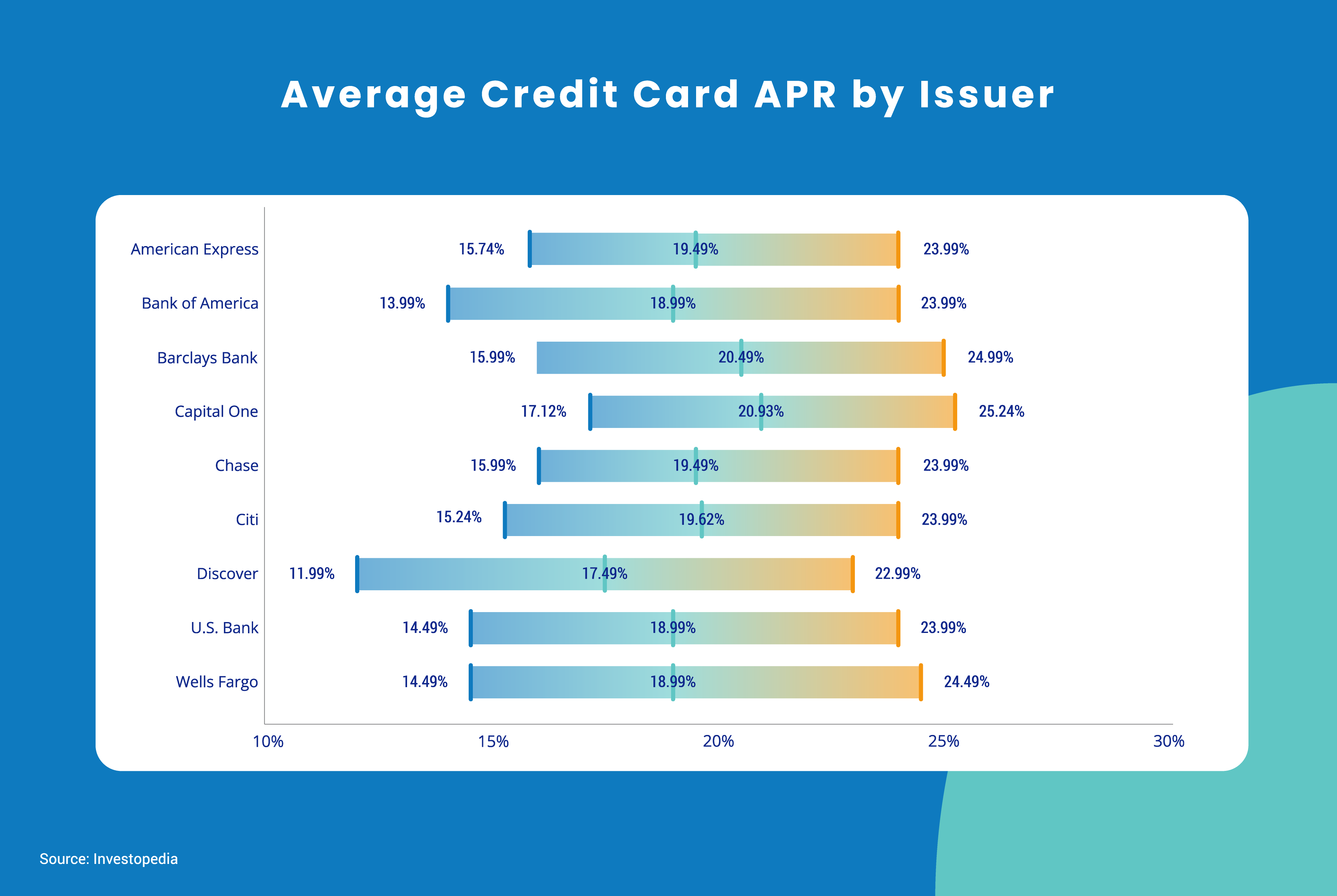
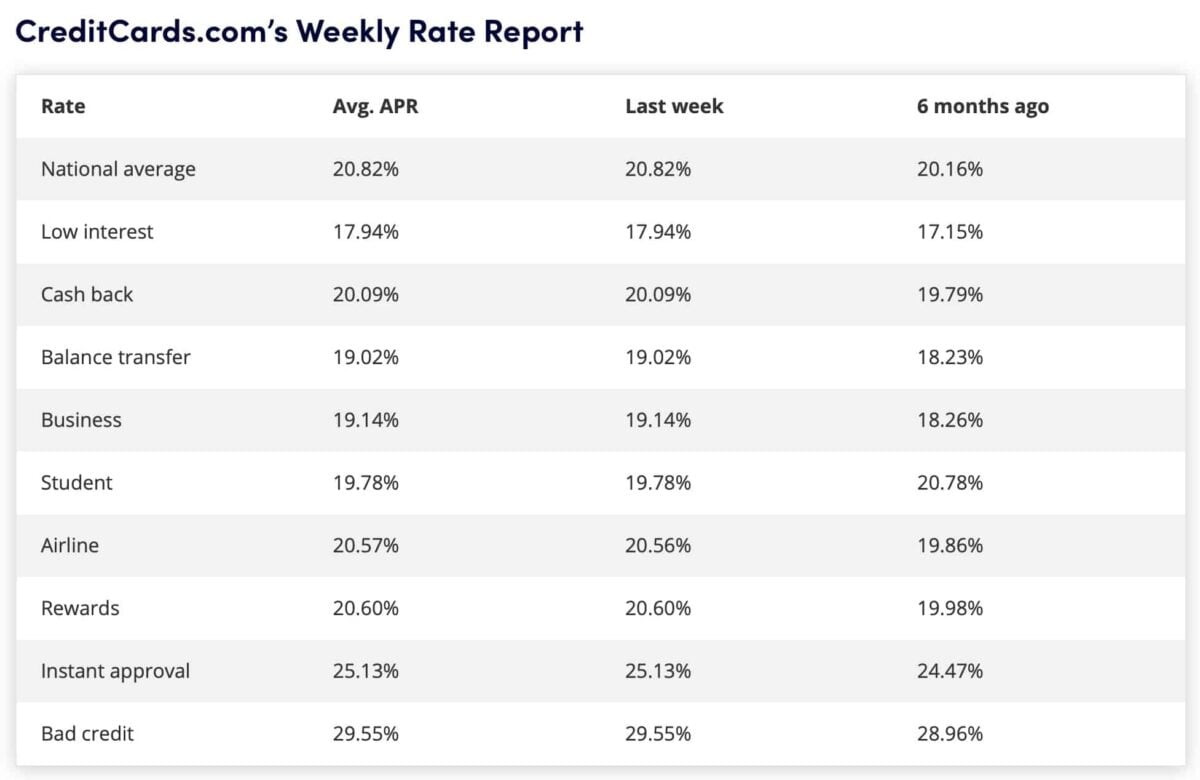
To understand if cheap rates are available, one must first define what "cheap" looks like in the current economic climate. In 2026, the benchmark for a low interest rate has adjusted upward. Where a 9% APR was once considered standard for good credit a decade ago, today’s "low-interest" cards typically hover between 12% and 15%. This is still significantly lower than the national average, which often exceeds 22% for standard rewards cards.
The availability of these rates is dictated by the Prime Rate, which is influenced by the Federal Reserve’s federal funds rate. Most credit cards use a formula: Prime Rate + Margin = Your APR. If the Prime Rate is 8% and your card has a "margin" of 7.99%, your total APR is 15.99%. Because the margin is based on your creditworthiness, the "cheapest" rates are naturally reserved for those who represent the lowest risk to the lender.
The Role of Credit Unions
Credit unions remain the primary sanctuary for low-interest credit cards. Unlike commercial banks, federal credit unions are subject to a legal interest rate cap. While the National Credit Union Administration (NCUA) periodically reviews this cap, it has historically limited federal credit union rates to 18%, often much lower for their "Gold" or "Platinum" tiered products. In 2026, many local credit unions are still offering non-rewards cards with APRs in the 10% to 13% range, outperforming almost every major national bank.
Types of "Cheap" Credit Card Rates
When searching for affordability, you will generally encounter three distinct categories of low-cost credit. Each serves a different financial goal and comes with its own set of prerequisites.
1. The 0% Introductory APR Offer
This is the most common form of "cheap" credit, though it is temporary. These cards offer a 0% interest rate on purchases, balance transfers, or both for a set period—usually 12 to 21 months.
- Best For: Paying off a large purchase over time or consolidating existing high-interest debt.
- The Caveat: Once the introductory period ends, the rate "resets" to a standard variable APR, which could be 20% or higher. If you haven't cleared the balance by then, the "cheap" period becomes an expensive one.
2. Ongoing Low-Interest Cards
These cards do not focus on rewards like travel points or cash back. Instead, their primary "feature" is a consistently low APR.
- Best For: Individuals who know they will carry a monthly balance and want to minimize interest charges over several years.
- The Catch: These cards are often "plain vanilla." You likely won't get sign-up bonuses, purchase protection, or concierge services. You are trading perks for a lower cost of capital.
3. Variable vs. Fixed Rates
Fixed-rate credit cards are nearly extinct in the 2026 market. Almost all "cheap" rates are variable. This means that even if you secure a "low" rate today, it can increase if the Federal Reserve raises interest rates. Borrowers must monitor the Federal Reserve’s Board of Governors announcements, as a shift in the federal funds rate will automatically trigger a rate hike on your "cheap" card within one to two billing cycles.
Identifying the "Catch" in Low-Rate Offers
A low interest rate is only one part of the cost of credit. Lenders often offset lower interest margins with other fees or restrictive terms. To determine if a rate is truly cheap, you must look at the Effective Cost of Credit.
Balance Transfer Fees
Many cards that offer a 0% APR on balance transfers charge a one-time fee, typically between 3% and 5% of the transferred amount. If you transfer $10,000, you might pay $500 upfront. While 0% interest sounds free, that $500 fee effectively acts as an interest payment. In 2026, "no-fee" balance transfers are rare and usually only found at smaller community banks or specific credit union promotions.
Deferred Interest
This is a critical trap often found in "store cards" or financing offers (e.g., "No interest if paid in full within 12 months"). This is not the same as 0% APR. With deferred interest, if you have even $1 remaining on the balance when the promotional period ends, the lender charges you interest on the entire original amount from the date of purchase. The Consumer Financial Protection Bureau (CFPB) has issued numerous warnings regarding these practices, but they remain legal and common in retail credit.
Penalty APRs
A "cheap" rate can vanish instantly if you miss a payment. Many cardholder agreements include a "Penalty APR" clause. If you are 60 days late on a payment, the lender may hike your rate to 29.99% indefinitely. This makes the "cheap" rate highly conditional on perfect financial behavior.
Comparison of Low-Rate Credit Card Tiers (2026)
| Card Type | Typical APR Range | Primary Benefit | Ideal Borrower Score |
|---|---|---|---|
| Credit Union Platinum | 9.99% – 13.99% | Consistent low rate, no annual fee | 720+ |
| National Bank "Low Interest" | 14.24% – 18.99% | Broad accessibility, mobile tech | 700+ |
| 0% Intro APR Card | 0% (for 12-21 months) | Short-term debt elimination | 740+ |
| Standard Rewards Card | 21.99% – 29.99% | Points, miles, and cash back | 670+ |
| Secured Low-Interest | 18.00% – 24.00% | Credit building with lower ceiling | 500 - 600 |
Prerequisites for Accessing Low Rates
Lenders in 2026 have tightened their requirements compared to previous decades. To qualify for the lowest advertised rates, you must meet several specific criteria.
The Credit Score Threshold
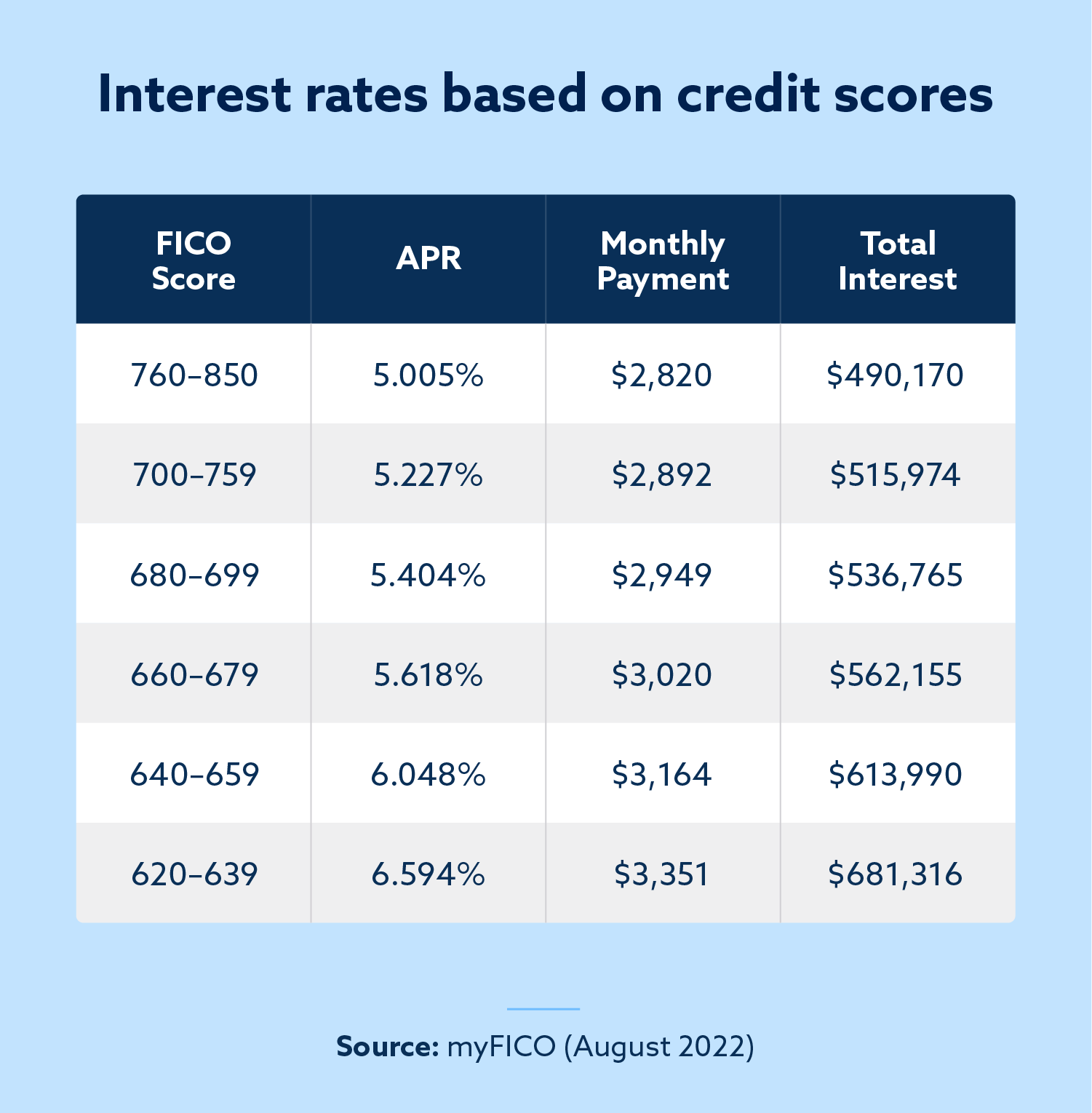
While a 700 score used to be the gateway to "good" rates, 2026 standards often require a 740 or higher (FICO Score 8 or 9) to access the absolute lowest tier. Lenders use these scores to predict the probability of default; those in the "Exceptional" category receive the smallest margins above the Prime Rate.
Debt-to-Income (DTI) Ratio
Lenders are increasingly looking at your DTI—the percentage of your gross monthly income that goes toward paying debts. Even with a high credit score, if your DTI is over 35-40%, you may be denied the lowest rates or given a lower credit limit. They want to ensure that adding another line of credit won't "break" your monthly budget.
Membership Requirements
For the best rates (often found at credit unions), you must meet eligibility requirements. Some are based on geography (living in a certain county), while others are based on employment (teachers, military, healthcare workers). In 2026, many credit unions have "open" membership, where a small donation to a specific non-profit allows you to join.
How to Negotiate a Lower Rate on Existing Cards
You do not always need to apply for a new card to get a cheap rate. If your credit score has improved since you first opened an account, you may be eligible for a rate reduction on your current card.
- Check Your Current Terms: Know your exact APR and how long you’ve been a customer.
- Benchmark the Competition: Find a card offer for which you qualify that has a lower rate.
- Call the Retention Department: Do not just speak to a general customer service representative. Ask for the retention or "account specialist" department.
- The Pitch: "I’ve been a customer for five years and have never missed a payment. My credit score is now 760. I’m seeing offers for 14% APR, but my current rate is 22%. Can you match the lower rate to keep my business?"
- Be Prepared for "No": If they won't lower the permanent APR, ask if there are any temporary "promotional" rates available for the next 6-12 months.
Strategic Use of Low-Interest Credit
Securing a cheap rate is only half the battle; using it correctly is what saves money. If you have a low-interest card but use it to overspend, the interest—even at 10%—still compounds and creates a financial burden.
The most effective use of "cheap" credit is as a bridge loan. This involves using the card for necessary expenses or debt consolidation while having a clear, documented plan to pay off the principal. In 2026, with the cost of living remaining a challenge, using a 12% APR card for an emergency car repair is a much better financial decision than using a 25% rewards card or a predatory payday loan.
Common Pitfalls to Avoid
- Chasing Rewards over Rates: Many people choose a card with 2% cash back while paying 24% interest. If you carry any balance at all, the interest paid far outweighs the rewards earned. For anyone not paying in full every month, a "cheap" rate card is always superior to a "rewards" card.
- Ignoring the "Change in Terms" Notice: By law, lenders must send a notice if they are changing your interest rate. In 2026, these are often sent via email or mobile app notifications rather than paper mail. Ignoring these can lead to a surprise increase in your monthly interest charge.
- Multiple Applications: Applying for several "cheap" cards in a short window can trigger multiple hard inquiries on your credit report, which temporarily lowers your score and might disqualify you from the very rates you are seeking.
Frequently Asked Questions
Can I get a low interest rate with a 650 credit score?
In 2026, a 650 score is considered "Fair." While you are unlikely to qualify for the 0% intro offers or the sub-15% "Platinum" tiers, you can still avoid the highest rates by looking at secured credit cards or credit union products specifically designed for credit rebuilding. These cards often have lower interest caps than the "subprime" cards offered by national lenders.
Do "Fixed Rate" credit cards still exist in 2026?
They are extremely rare. Most "fixed" rates are only fixed for a promotional period. True fixed-rate cards are occasionally offered by small, local credit unions, but they are not the industry standard. Almost all modern credit card agreements allow the issuer to change the rate with 45 days' notice.
Is a 0% APR offer better than a card with a permanent 10% rate?
It depends on your timeline. If you can pay off the entire balance within the 12–18 month 0% window, the 0% offer is better. However, if you need three years to pay off a large debt, the permanent 10% rate might be cheaper in the long run because the 0% card will likely jump to 20%+ after the first year.
How often do credit card rates change?
For variable-rate cards, the rate usually changes whenever the Federal Reserve adjusts the Prime Rate. This typically happens a few weeks after the Fed's announcement. Additionally, lenders review your credit profile periodically; if your score drops significantly, they may increase your specific margin, though they must provide notice.
Are there any "no-fee" low-interest cards?
Yes, many credit unions and some "essential" lines from major banks offer cards with no annual fee and a low ongoing APR. However, these cards almost never offer rewards, cash back, or travel insurance. The "fee-free" nature is the trade-off for the lack of perks.
Practical Recommendation: Your Next Steps
If you are seeking the cheapest credit card rates available in 2026, your first action should be to check your FICO Score 8. If it is below 740, focus on lowering your credit utilization for 30 days to boost your score before applying.
Next, look past the big-budget television advertisements from national banks. Instead, visit the website of a local or national credit union (such as Navy Federal or PenFed) to compare their "Non-Rewards" or "Base" credit card products. These often represent the true floor of the interest rate market. Always read the Schumer Box—the standardized table of rates and fees—before signing, and pay particular attention to the "Penalty APR" and "Transaction Fees" sections to ensure your "cheap" rate stays that way.