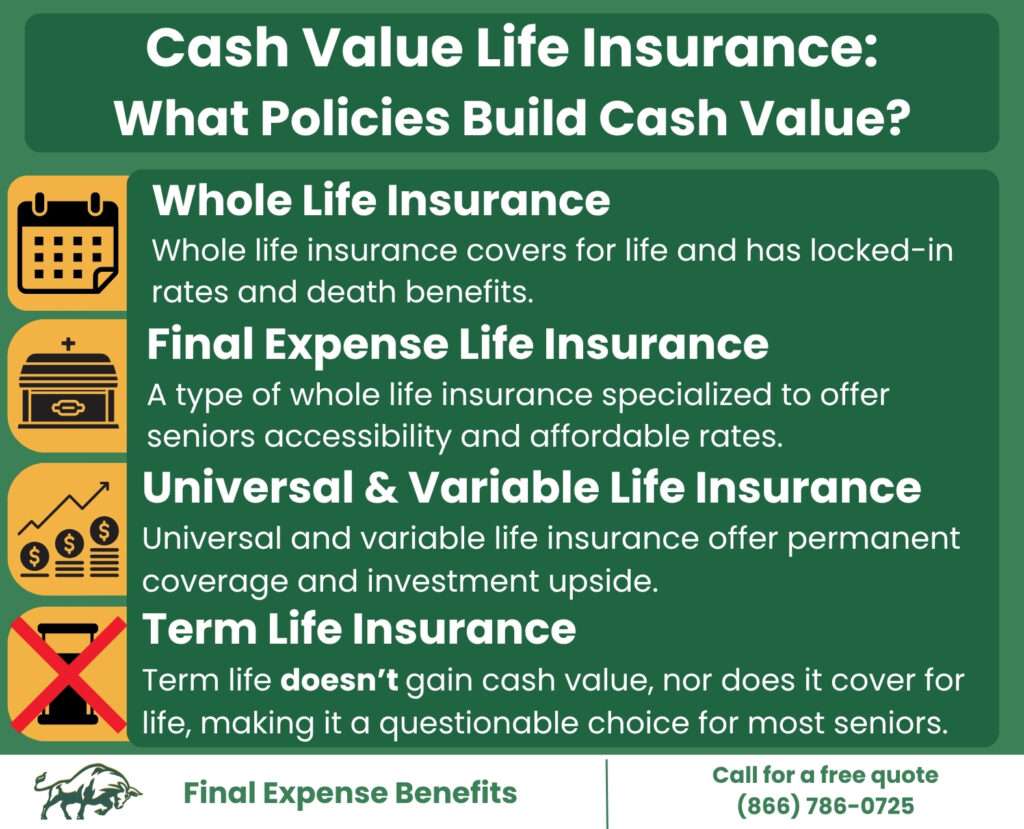
Yes, cash value loans are permitted and are a standard contractual feature of whole life insurance policies. As a policyholder, you can borrow against the accumulated cash value of your policy at any time, typically once the account has reached a minimum threshold, using the policy’s equity as collateral.
Whole life insurance is more than just a death benefit; it is a complex financial vehicle that integrates a savings component known as cash value. In 2026, as interest rates and market volatility continue to influence personal finance strategies, understanding the mechanics of policy loans is essential for maximizing the utility of a permanent life insurance contract. Unlike traditional bank loans, cash value loans offer a unique set of advantages regarding credit requirements, repayment flexibility, and tax treatment. However, they also carry specific risks that can jeopardize the long-term viability of the insurance coverage if not managed correctly.
Understanding the Mechanism of a Cash Value Loan
To understand if and why loans are permitted, one must first understand what a policy loan actually is. A common misconception is that you are "withdrawing" your own money from the policy. In reality, a cash value loan is a private loan from the insurance company to you, using your policy’s cash surrender value as collateral.
Because the insurance company holds your cash value as security, the "borrowed" funds never actually leave your policy’s investment or savings account. Instead, the insurer provides the capital from its own general fund. This distinction is critical because it allows the cash value within the policy to potentially continue growing, even while a loan is outstanding.
The Accumulation Phase
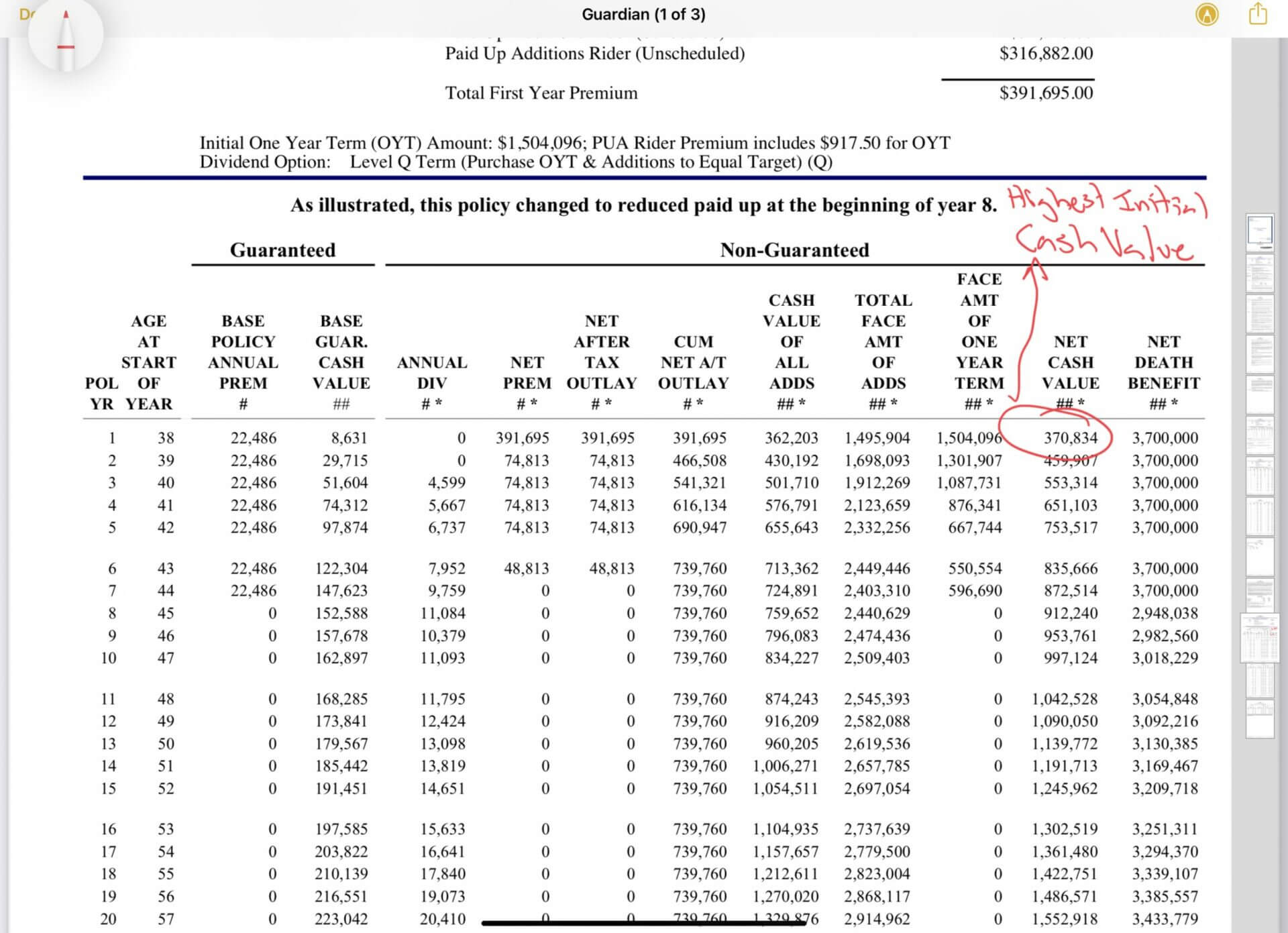
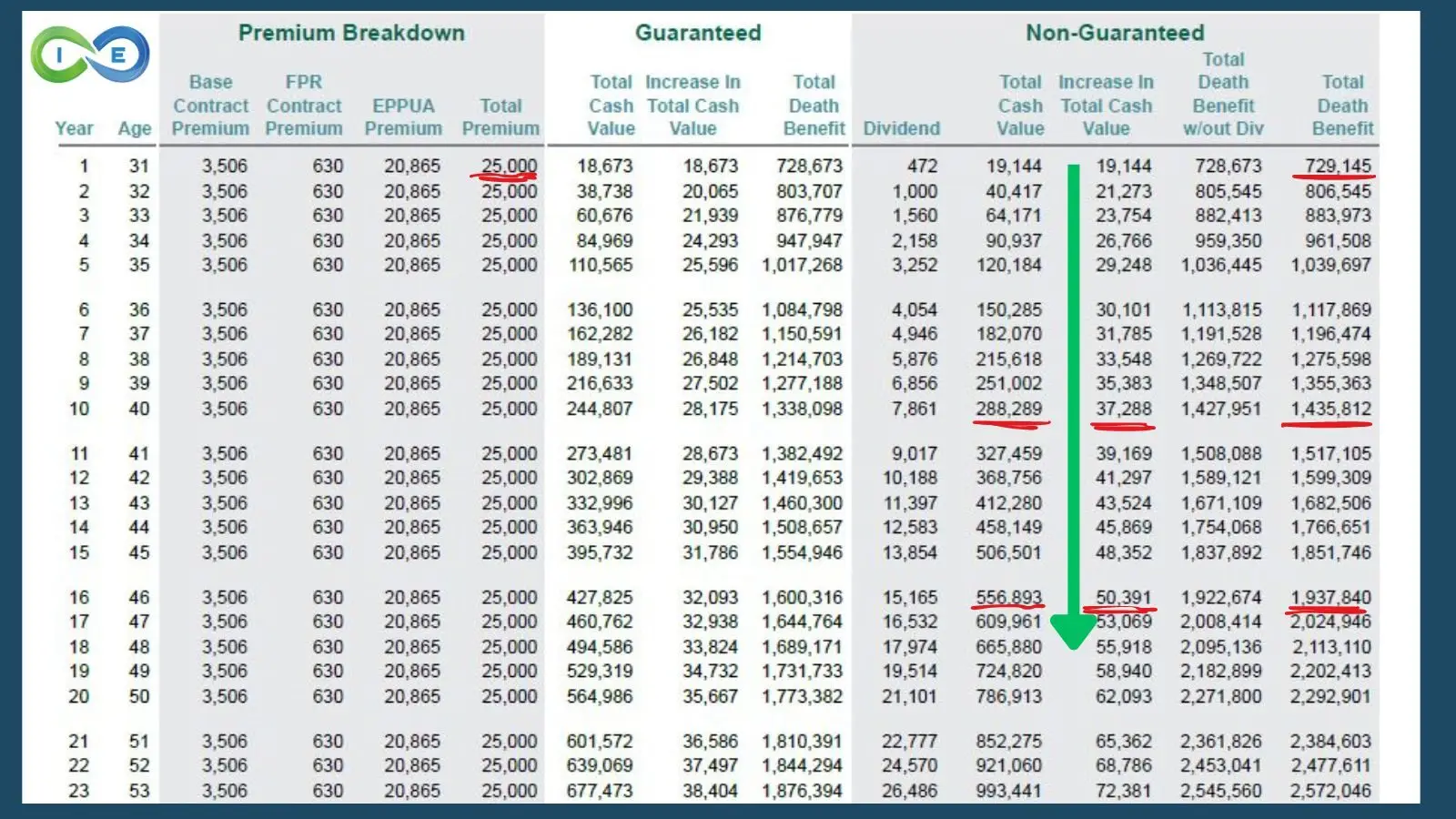
Loans are permitted only after a policy has built up sufficient "surrender value." In the early years of a whole life policy—typically years one through three—the majority of your premium payments go toward the cost of insurance (COI), administrative fees, and agent commissions. Consequently, there may be little to no cash value available for a loan initially. By 2026 standards, most modern policies begin showing significant loanable equity by the fifth policy year, though some "high early cash value" designs allow for borrowing within the first twelve months.
The Contractual Right to Borrow
The permission to take a loan is not a discretionary favor granted by the insurance company; it is a contractual right embedded in the policy language. When you sign a whole life insurance contract, the "Loan Provision" section outlines your right to access these funds.
According to the National Association of Insurance Commissioners (NAIC), standard non-forfeiture laws require that permanent policies provide certain options for the equity built within the contract. This legal framework ensures that policyholders have a pathway to liquidity without being forced to surrender (cancel) their coverage entirely.
Maximum Loan Amounts
While loans are permitted, you cannot usually borrow 100% of the cash value. Most insurers permit loans up to 90% or 95% of the total cash surrender value. The remaining buffer is maintained to cover the cost of insurance and any accrued interest on the loan, preventing the policy from accidentally lapsing if the loan balance grows too large.
Interest Rates and Repayment Flexibility
One of the primary reasons policyholders utilize cash value loans is the unmatched flexibility in repayment. Because the loan is fully collateralized by the death benefit and cash value, the insurance company does not require a credit check, an income verification process, or a fixed repayment schedule.
Interest Rate Structures
Insurance companies charge interest on policy loans because they are lending out capital that would otherwise be invested elsewhere to support the company’s obligations. In 2026, these rates are typically structured in one of two ways:
- Fixed Interest Rates: A set percentage (often between 4% and 8%) defined in the original contract.
- Variable Interest Rates: Rates that fluctuate based on an index, such as the Moody’s Corporate Bond Yield Average.
The "No-Requirement" Repayment
Unlike a mortgage or an auto loan, you are not legally required to make monthly payments on a whole life policy loan. You can choose to pay only the interest, pay principal and interest, or make no payments at all. If you choose not to pay, the interest is "capitalized," meaning it is added to the total loan balance. While this offers incredible liquidity during financial hardships, it allows the debt to grow over time, which can eventually impact the policy's health.
Direct vs. Non-Direct Recognition
A sophisticated aspect of whether a loan is "permitted" is how the insurance company treats the collateralized cash value regarding dividends. This is the debate between direct and non-direct recognition companies.
- Non-Direct Recognition: The insurance company pays the same dividend rate on your entire cash value, regardless of whether you have an outstanding loan. For example, if you have $100,000 in cash value and borrow $50,000, you still earn dividends on the full $100,000. This is a cornerstone of the "Infinite Banking" strategy.
- Direct Recognition: The insurance company adjusts the dividend rate on the portion of the cash value used as collateral. If the loan interest rate is 6% but the dividend rate is 5%, the company may "recognize" the loan and lower the dividend on the borrowed $50,000 to reflect the loan's impact on their general fund earnings.
Comparing Policy Loans to Other Financing Options
To determine if a cash value loan is the right choice, it is helpful to compare it against other common forms of credit available in 2026.
| Feature | Whole Life Policy Loan | Traditional Bank Loan | 401(k) Loan |
|---|---|---|---|
| Credit Check | None Required | Required (Stringent) | None Required |
| Repayment Schedule | Flexible / Optional | Fixed Monthly | Fixed (Payroll Deduction) |
| Tax Impact | Tax-Free (Usually) | None | Tax-Free (If Repaid) |
| Impact on Asset | Reduces Death Benefit | None | Reduces Market Exposure |
| Approval Time | 3-10 Business Days | Weeks | 1-2 Weeks |
| Interest Goes To | The Insurance Company | The Bank | Your Own Account |
Tax Implications of Cash Value Loans
Under the Internal Revenue Code (IRC) Section 72, life insurance policies receive favorable tax treatment. Policy loans are generally received tax-free because they are considered a debt against the policy, not a distribution of income.
FIFO Treatment
Life insurance follows "First-In, First-Out" (FIFO) accounting rules. This means that any money taken out is first considered a return of the premiums you paid (your "basis"). Since you already paid taxes on that income before paying your premiums, the basis is returned to you without further taxation. Even when a loan exceeds the basis, it remains tax-free as long as the policy remains in force.
The MEC Danger (Modified Endowment Contract)
There is a major exception to the tax-free nature of policy loans: the Modified Endowment Contract (MEC). If a policy is funded too quickly (failing the "Seven-Pay Test"), the IRS reclassifies it as a MEC. In a MEC, loans are treated as "Last-In, First-Out" (LIFO), meaning the gains are taxed first. Furthermore, if you are under age 59½, a 10% federal penalty may apply to the taxable portion of the loan.
Risks and Common Pitfalls
While cash value loans are permitted and highly flexible, they are not without peril. Mismanagement can lead to the total loss of the insurance policy.
1. Reduction of Death Benefit
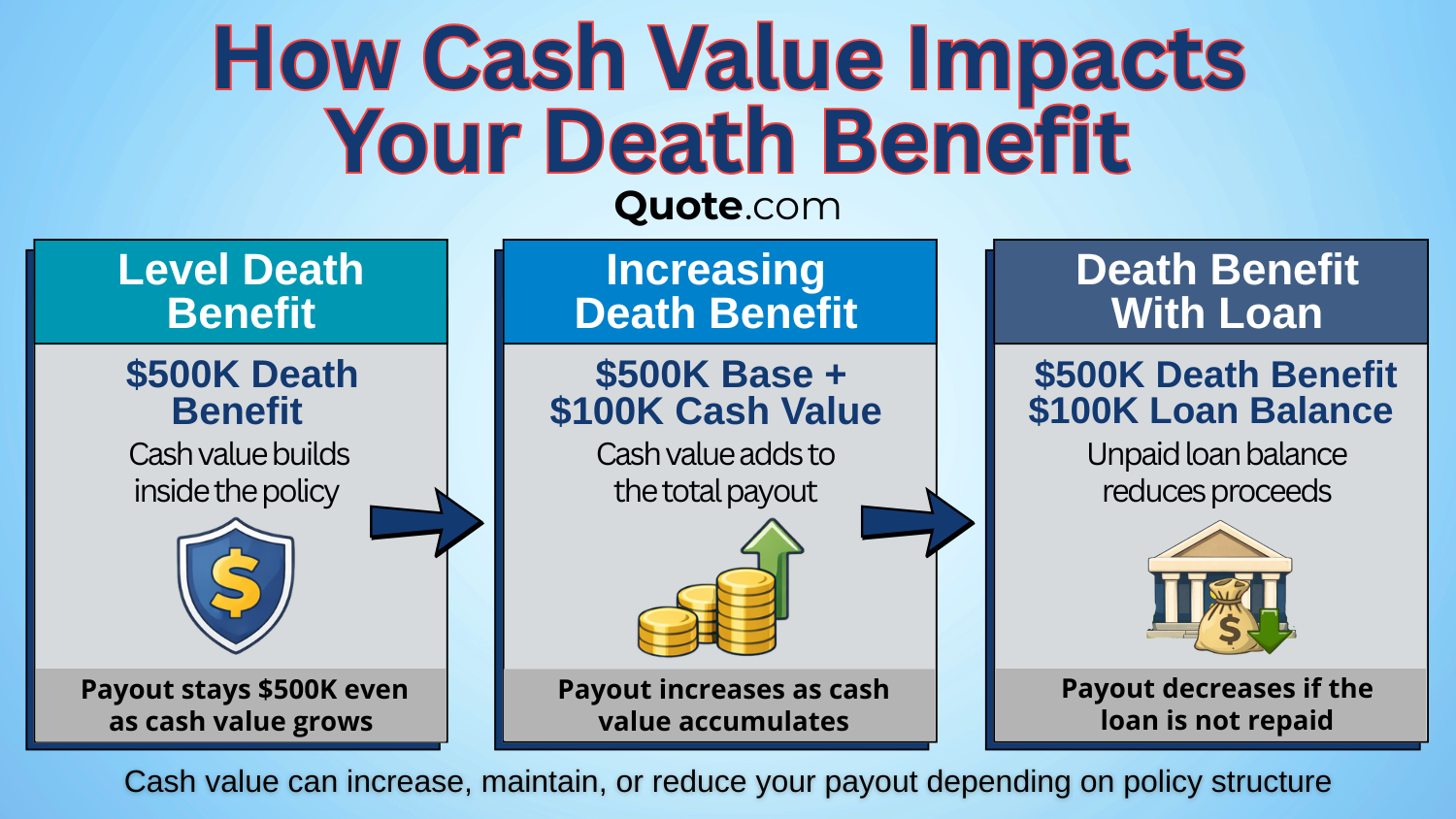
The most immediate impact of a loan is the reduction of the death benefit. If the policyholder dies while a loan is outstanding, the insurance company subtracts the total loan balance (including accrued interest) from the payout sent to beneficiaries. For example, a $500,000 death benefit with a $50,000 outstanding loan results in a $450,000 payment to the family.
2. Policy Lapse Risk
If the loan balance plus capitalized interest grows to exceed the total cash value of the policy, the policy will lapse. When a policy with an outstanding loan lapses, the IRS treats the forgiven debt as a "taxable distribution" to the extent that the loan exceeds the policy's cost basis. This can result in a massive "phantom income" tax bill for the policyholder at a time when they have no cash left in the policy to pay it.
3. Compounding Interest
Because repayment is not required, many policyholders ignore the interest. However, interest on policy loans compounds. Over 10 or 20 years, a relatively small loan can double or triple in size, quietly eroding the equity of the policy and potentially requiring a large "out-of-pocket" payment to keep the policy active in later years.
Practical Steps for Taking a Cash Value Loan
If you decide to exercise your right to a policy loan in 2026, the process is generally straightforward:
- Verify Available Equity: Log in to your insurer's portal or call your agent to determine your "Net Cash Surrender Value."
- Request a Loan Illustration: Ask the insurer for an illustration showing how the loan will impact the death benefit and cash value over the next 10-20 years based on your planned repayment strategy.
- Submit the Request: Most companies allow you to request a loan online or via a simple one-page form.
- Receive Funds: Funds are typically disbursed via ACH transfer or check within a few business days.
- Establish a Repayment Plan: Even though the insurer doesn't require it, setting up a voluntary repayment plan is the best way to preserve your death benefit and ensure the policy remains a viable asset for the future.
Frequently Asked Questions
Do I need to explain what the loan is for?
No. Insurance companies do not have "purpose of loan" requirements. Whether you are using the funds for a down payment on a house, medical expenses, or a vacation, the insurer will grant the loan as long as there is sufficient cash value to collateralize it.
Will taking a loan affect my credit score?
No. Because the loan is private and collateralized by your own policy, insurance companies do not report the loan or the repayment history to credit bureaus (Equifax, Experian, or TransUnion). This makes it an ideal source of liquidity for those looking to maintain a low debt-to-income ratio on their credit report.
Can I take multiple loans at once?
Yes. You can take multiple loans as long as the total balance of all loans plus interest does not exceed the maximum allowable percentage of your cash value (usually 90-95%).
What happens if I can't pay the interest?
If you cannot pay the interest, the insurance company will add the interest amount to your total loan balance. This is known as "capitalizing" the interest. While this prevents a default, it reduces your remaining available cash value and increases the amount of interest you will owe in the following year.
Is the interest on a policy loan tax-deductible?
Generally, no. For individuals, interest paid on a life insurance policy loan is considered "personal interest" and is not deductible. There are very specific exceptions for business-owned life insurance (COLI), but these are highly regulated and generally do not apply to individual policyholders.
Final Recommendation
Cash value loans are a powerful and permitted feature of whole life insurance, offering a level of financial control and privacy rarely found in other assets. They are an excellent tool for emergency funds or strategic investments. However, the "permitted" nature of these loans does not mean they are "free."
To use these loans effectively in 2026, treat the policy like a bank: always have a repayment plan. By paying back the principal and interest, you replenish your "line of credit" for future needs and ensure that your beneficiaries receive the full protection of the death benefit you originally intended to provide. If you are unsure about the tax status of your policy or the impact of a large loan, consult with a qualified financial advisor or tax professional before submitting the loan request.