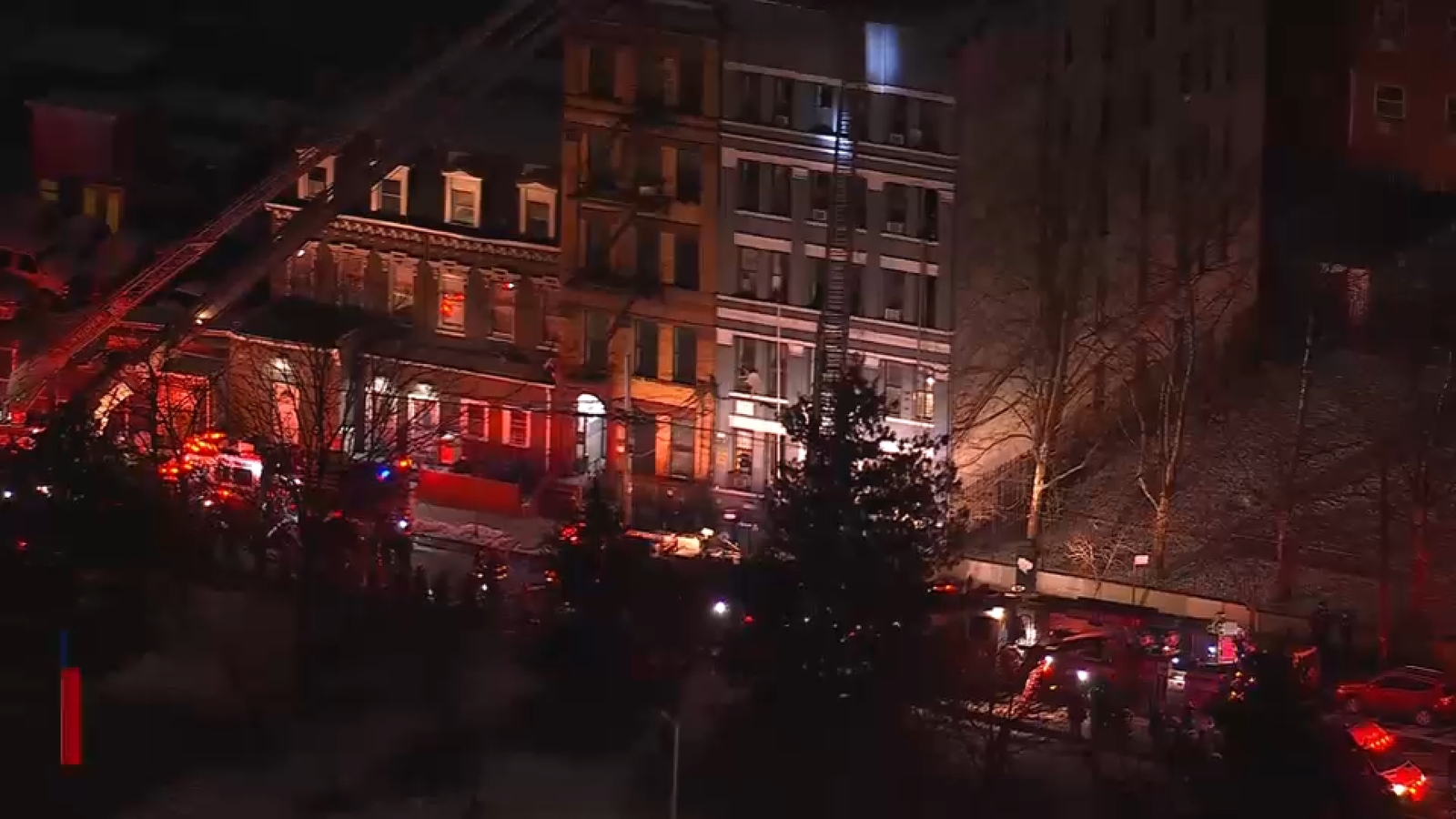
If you are affected by an apartment fire in the Bronx, your immediate priorities are physical safety, securing emergency shelter through the American Red Cross, and documenting the damage for legal and insurance purposes. New York City law provides specific protections for displaced tenants, including the right to emergency housing and the enforcement of strict fire safety building codes.
Apartment fires in the Bronx remain a significant concern for residents, city officials, and emergency responders. Due to the borough’s high density and the age of many residential structures, a single fire can quickly escalate into a multi-family displacement event. Navigating the aftermath of such an event requires a clear understanding of the roles played by the FDNY, the Department of Housing Preservation and Development (HPD), and the legal frameworks designed to protect New York City tenants.
Immediate Emergency Procedures: The First Minutes
When a fire breaks out in a Bronx apartment building, the steps you take in the first few minutes are life-critical. The FDNY emphasizes that survival often depends on understanding the specific construction of your building.
Fireproof vs. Non-Fireproof Buildings
In the Bronx, residential buildings generally fall into two categories: fireproof and non-fireproof.
- Fireproof Buildings: These are usually constructed of steel and concrete (typically high-rises). In these structures, the fire is meant to be contained within the unit of origin. If the fire is not in your apartment, the safest action is often to stay inside with the door closed and seal the cracks with wet towels.
- Non-Fireproof Buildings: These are often older "walk-ups" made of wood and brick. In these buildings, fire spreads much more rapidly through floor joists and voids. If a fire starts anywhere in a non-fireproof building, you must evacuate immediately via the nearest stairwell or fire escape.
The Critical Role of Self-Closing Doors
Following the tragic Twin Parks North fire in 2022, NYC heavily reinforced the enforcement of Local Law 111, which requires all apartment entry doors in buildings with three or more units to be self-closing. If a fire starts in your apartment, you must leave immediately. A functioning self-closing door prevents oxygen from feeding the fire and keeps smoke out of the public hallways, allowing your neighbors to escape. As of 2026, landlords face severe penalties for failing to maintain these mechanisms.
Post-Fire Recovery: The First 48 Hours in the Bronx
Once the FDNY has cleared the scene and "struck the box" (ended the emergency operation), the recovery phase begins. This period is often overwhelming, but following a structured process can ensure you do not lose access to vital services.
Emergency Shelter and the Red Cross
The American Red Cross Greater New York Chapter is the primary responder for resident relocation. They typically set up a reception center near the fire site or provide immediate "client assistance cards" for food and clothing.
- Emergency Housing: If the building is declared unsafe, the Red Cross may provide short-term hotel stays (usually 2–3 days).
- HPD Referrals: For longer-term displacement, the Red Cross works with the NYC Department of Housing Preservation and Development (HPD) to place tenants in emergency shelters or "Tier II" housing facilities located throughout the five boroughs.
The "Order to Vacate"
If the fire has caused structural damage or compromised the utility systems (gas, water, electricity), the NYC Department of Buildings (DOB) or HPD will issue a Full or Partial Vacate Order.
- What it means: It is illegal to remain in or enter the premises once this order is posted.
- Accessing belongings: You must coordinate with the FDNY or the building's landlord to retrieve essential items like medication, passports, and legal documents. This is usually done under the supervision of building management or a city official.
Tenant Rights and Landlord Responsibilities
In New York City, the "Warranty of Habitability" is a legal doctrine that requires landlords to keep apartments in a condition that is safe and fit for human habitation. A fire typically breaches this warranty.
Rent Abatement and Lease Status
If your Bronx apartment is rendered uninhabitable by a fire, you are generally not required to pay rent for the period you cannot occupy the unit.
- Constructive Eviction: This occurs when the premises are so damaged that you are forced to move out. You should notify your landlord in writing that you are vacating due to the fire and that you expect a full abatement of rent.
- Maintaining the Lease: Even if the apartment is gutted, you do not necessarily lose your "rent-stabilized" status. If you intend to return once repairs are made, you must inform the landlord in writing and keep records of your current contact information.
Security Deposits and Personal Property
Landlords are generally not liable for your personal property (furniture, clothes, electronics) unless the fire was caused by their direct negligence—such as failing to repair known electrical faults or blocking fire escapes. This is why renters' insurance is essential. If you do not have insurance, you may be eligible for a "One-Shot Deal" or emergency assistance grant from the NYC Human Resources Administration (HRA) to help replace lost items.
Legal and Insurance Considerations
Navigating the financial aftermath of a Bronx apartment fire involves dealing with insurance adjusters and potentially personal injury attorneys.
Filing a Claim with Renters' Insurance
If you have a policy, contact your provider immediately. Most policies include "Loss of Use" coverage, which pays for the additional living expenses (hotel, meals) you incur while displaced.
- Documentation: Do not throw away damaged items until the insurance adjuster has seen them. Take high-resolution photos of every room and every damaged object.
- Inventory List: Create a spreadsheet listing the item, the date of purchase, and the replacement cost.
Investigating Negligence
The FDNY Bureau of Fire Investigation (BFI) will issue an official fire marshal report determining the cause and origin of the fire. As a tenant, you have the right to request a copy of this report. If the report indicates the fire was caused by faulty wiring, a lack of required smoke detectors, or other code violations, you may have grounds for a lawsuit against the landlord to recover damages for property loss or emotional distress.
| Safety Feature | Requirement in Bronx Apartments (2026) | Responsible Party |
|---|---|---|
| Smoke Detectors | Must be installed in every sleeping area and on every floor. | Landlord (Installation); Tenant (Testing/Batteries) |
| Carbon Monoxide Alarms | Required within 15 feet of all primary entrances to bedrooms. | Landlord |
| Self-Closing Doors | All apartment entry doors must swing shut and latch automatically. | Landlord |
| Fire Escapes | Must be clear of all obstructions (including AC units and plants). | Tenant (Keep clear); Landlord (Maintenance) |
| Fire Safety Notice | Must be posted on the inside of every apartment door. | Landlord |
| Sprinkler Systems | Required in newer builds and certain converted lofts. | Landlord |
Fire Prevention and NYC Building Codes
Preventing a fire is a shared responsibility between the building owner and the resident. In the Bronx, many fires are preventable by adhering to NYC’s stringent fire codes.
Space Heaters and Extension Cords
A significant number of Bronx apartment fires occur during the winter months due to the misuse of space heaters.
- The "Three-Foot Rule": Keep space heaters at least three feet away from bedding, curtains, and furniture.
- Direct Plug-In: Never use an extension cord or power strip for a space heater; they are not designed to handle the high current and can melt, leading to electrical fires.
E-Bike and Lithium-Ion Battery Safety
As of 2026, NYC has implemented strict regulations regarding the storage and charging of e-bike batteries in residential buildings. High-density Bronx apartments are particularly vulnerable to "thermal runaway" events. Always use UL-certified batteries and chargers, and never charge a battery near an exit path or while you are sleeping.
Reporting Violations
If your landlord fails to maintain fire safety standards—such as painting over sprinklers, removing fire extinguishers, or failing to fix broken self-closing doors—you should take action before a fire occurs.
- Call 311: Report the specific violation. The HPD or DOB will send an inspector.
- File an HP Action: If the landlord ignores 311 violations, you can file a case in Bronx Housing Court to compel the landlord to make the necessary repairs.
Frequently Asked Questions
What happens if I am displaced by a fire and have nowhere to go?
Immediately contact the American Red Cross at 1-877-RED-CROSS. They provide emergency shelter for the first few nights. Following that, you should visit the Bronx HPD office or the local Department of Homeless Services (DHS) intake center. If you were a legal tenant in a building with a Vacate Order, you are prioritized for emergency housing assistance.
Can I stop paying rent immediately after a fire?
Generally, yes, if the apartment is uninhabitable. However, you should document the condition with photos and send a formal letter to your landlord via certified mail stating that you are exercising your right to rent abatement due to the fire damage. If only one room is damaged and you stay in the apartment, you may only be entitled to a partial rent reduction.
Who determines if a fire was "accidental" or "negligent"?
The FDNY Fire Marshals conduct the investigation. They examine the burn patterns and electrical systems to determine the "Point of Origin." Their report is the definitive document used by insurance companies and courts to assign liability. You can request a copy of the "Fire Record" or "Fire Marshal Report" through the FDNY's official website or the NYC OpenRecords portal.
Are Bronx landlords required to provide fire extinguishers inside apartments?
Under the NYC Fire Code, landlords of residential apartment buildings are generally not required to provide fire extinguishers inside individual apartments. They are, however, required to provide them in mechanical rooms and certain common areas. It is highly recommended that Bronx tenants purchase their own ABC-rated dry chemical extinguisher for the kitchen.
What should I do if my landlord tries to evict me after a fire?
A fire is not a legal ground for eviction. In fact, if the fire was not your fault, the landlord is legally obligated to repair the unit and allow you to move back in. If you receive an eviction notice or a "Notice to Quit" following a fire, contact a legal aid organization such as the Legal Aid Society or Bronx Legal Services immediately.
Final Recommendation for Bronx Residents
The most important step you can take today is to verify your escape plan and your insurance coverage. Ensure that your apartment door closes and latches by itself; if it doesn't, file a 311 report immediately. Additionally, verify that you have a current renters' insurance policy. In the high-density environment of the Bronx, a fire in a neighboring unit can result in smoke and water damage to your home, and without insurance, the cost of replacing your life's belongings will fall entirely on your shoulders.