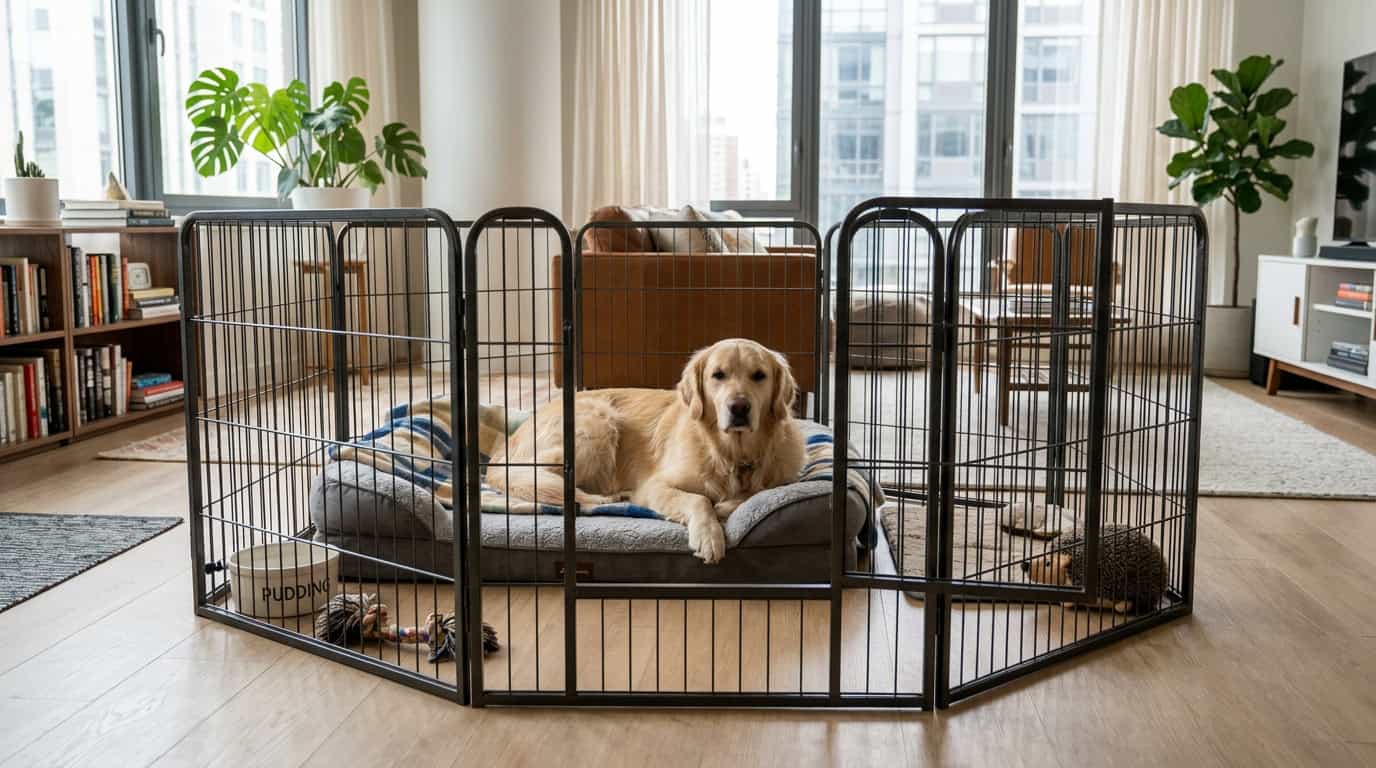
Finding the ideal apartment for dogs requires balancing landlord requirements, legal protections, and the specific biological needs of your pet. A successful search involves verifying pet policies, calculating total monthly costs including pet rent, and preparing a professional pet resume to demonstrate responsible ownership and mitigate potential property damage concerns.
Understanding the Landscape of Dog-Friendly Housing in 2026
The rental market in 2026 has evolved to become increasingly pet-centric, yet significant hurdles remain for dog owners. While more "pet-friendly" buildings exist than in previous decades, the term is often nuanced. A building might allow dogs but impose strict limitations on weight, breed, or the total number of animals permitted in a single unit.
True dog-friendly housing goes beyond merely allowing a canine resident; it incorporates infrastructure that supports a dog’s well-being. This includes proximity to green spaces, soundproofed walls to mitigate barking complaints, and durable flooring that resists scratches and accidents. For renters, the primary task is distinguishing between "pet-tolerant" buildings—those that allow dogs but offer no support—and "pet-centric" communities that provide amenities like on-site dog parks or grooming stations.
Key Considerations Before Signing a Lease
Before committing to a new apartment, you must perform due diligence on the specific pet policy of the management company. Policies are often more complex than a simple "yes" or "no."
Weight and Breed Restrictions
Many insurance providers for multi-family dwellings dictate which breeds a landlord can allow. Historically, breeds labeled as "aggressive"—such as Pit Bulls, Rottweilers, or Dobermans—are frequently excluded. Additionally, many apartments implement weight limits, often capping a dog’s size at 25, 50, or 75 pounds. In 2026, some progressive property managers have moved away from breed restrictions in favor of individual behavior assessments, but these remain the exception rather than the rule.
Pet Deposits, Fees, and Rent
Financial obligations for dog owners usually fall into three categories. It is vital to understand which ones apply to your lease, as they can significantly impact your monthly budget.
| Cost Type | Purpose | Typical Range (2026) | Refundable? |
|---|---|---|---|
| Pet Deposit | Covers potential physical damage to the unit. | $200 – $600 | Yes (partially or fully) |
| Pet Fee | A one-time administrative charge for "wear and tear." | $150 – $400 | No |
| Pet Rent | A monthly surcharge added to your base rent. | $25 – $100 per dog | No |
The Legal Distinction of Assistance Animals
It is essential to distinguish between a standard pet and an assistance animal. Under the Fair Housing Act (FHA) in the United States, Emotional Support Animals (ESAs) and Service Animals are not considered pets. Consequently, they are generally exempt from breed restrictions, weight limits, and pet-related fees. However, as of 2026, documentation requirements have become more standardized to prevent fraud. Valid ESA letters must typically come from a licensed healthcare professional with whom the tenant has an established relationship. For more information on federal housing protections, refer to the U.S. Department of Housing and Urban Development (HUD).
How to Create a Competitive "Pet Resume"
In a competitive rental market, a pet resume can be the deciding factor that convinces a skeptical landlord to approve your application. This document humanizes your dog and provides evidence that you are a proactive, responsible owner.
- Basic Information: Include the dog’s name, breed, age, weight, and a clear, friendly photo.
- Training Certifications: Mention any formal training, such as the American Kennel Club (AKC) Canine Good Citizen (CGC) certification. This program proves the dog is well-mannered in public and around other people.
- Health Records: Provide proof of up-to-date vaccinations and regular flea/tick prevention. A healthy dog is less of a risk to the building community.
- References: Include a short recommendation from a previous landlord or neighbor confirming that the dog is quiet and did not cause damage.
- Grooming and Exercise Routine: Detail how often the dog is groomed (to minimize dander and odors) and your plan for daily exercise to ensure the dog remains calm while inside the unit.
Optimizing Apartment Life for Your Dog
Once you have secured a dog-friendly apartment, the focus shifts to internal management. Living in a confined space requires intentional strategies to keep your dog physically healthy and mentally stimulated.
Space Management and Dog-Proofing
Apartments often have limited square footage. Utilize vertical storage for your dog’s toys and supplies to keep floor space clear. Dog-proofing is equally critical: ensure all electrical cords are tucked away, trash cans have locking lids, and any houseplants are non-toxic. Common apartment plants like lilies or sago palms can be fatal if ingested.
Noise Mitigation
Barking is the leading cause of friction between dog owners and neighbors. To reduce noise, place rugs or acoustic panels in high-traffic areas to dampen the sound of paws. If your dog barks at hallway noises, consider using a white noise machine or a "calm-down" pheromone diffuser near the front door. Training your dog to ignore the sounds of the elevator or neighbors walking by is a long-term necessity for apartment living.
Exercise and Enrichment
High-energy breeds can thrive in apartments if their exercise needs are met externally. In 2026, many urban dwellers utilize dog-walking apps or nearby "doggy daycares" to ensure their pets aren't sedentary during the workday. Indoor enrichment, such as puzzle feeders or "sniff mats," can provide mental stimulation that is often as exhausting for a dog as a physical walk.
Navigating Balcony Safety
If your apartment includes a balcony, it poses a unique safety risk. Many dogs have been known to slip through railings or attempt to jump after birds or squirrels.
- Plexiglass or Netting: Install "pet-safe" balcony guards or fine mesh netting to close gaps in the railing.
- Supervision: Never leave a dog unattended on a balcony, regardless of how secure it seems.
- Heat Awareness: Balconies can reach extreme temperatures in the summer. Ensure there is shade and water if your dog is spending even short periods outside.
Common Amenities to Look For in 2026
Modern apartment complexes are increasingly incorporating "pet-first" infrastructure. When touring potential homes, look for these specific features that can simplify your life:
- On-site Washing Stations: Professional-grade tubs and dryers save you from cleaning your own bathroom after a muddy walk.
- Dedicated Dog Runs: Fenced-in areas within the property perimeter allow for off-leash socialization without leaving the building.
- Pet Concierge Services: Some luxury buildings offer in-house walking, grooming, and even vet-visit coordination.
- Waste Stations: Conveniently located bags and disposal bins encourage a clean environment and reduce the "chore" of the final walk of the night.
FAQ: Frequently Asked Questions about Apartment Living with Dogs
Can a landlord legally deny my dog based on its breed?
In most jurisdictions, yes. Private landlords and management companies can set their own pet policies based on insurance requirements or personal preference. However, if your dog is a documented Service Animal or Emotional Support Animal under the FHA, these breed restrictions generally do not apply, provided the animal does not pose a direct threat to the safety of others.
How do I handle a neighbor’s complaint about my dog's barking?
Address the issue immediately and transparently. Speak with your neighbor to understand when the barking occurs. If it happens while you are away, consider installing a pet camera with two-way audio to monitor and soothe your dog. Investing in professional behavioral training or increasing daily exercise can also resolve the underlying anxiety causing the vocalization.
Is it cruel to keep a large dog in a small apartment?
Not necessarily. A dog’s happiness is more dependent on the amount of exercise, mental stimulation, and attention they receive rather than the total square footage of their home. Many large breeds, such as Greyhounds or Great Danes, are famously low-energy indoors and adapt well to apartment life, provided they get their daily walks.
What should I do if my apartment building changes its pet policy mid-lease?
Generally, a landlord cannot change the terms of an active lease until it comes up for renewal. If you have an existing pet agreement signed as part of your lease, you are typically "grandfathered" in until the end of that contract term. Review your lease documents carefully for any clauses regarding policy updates.
Do I need pet insurance to live in an apartment?
While not usually a lease requirement, many landlords require "Pet Liability Insurance" (often included in a standard Renter's Insurance policy). This covers you if your dog bites someone or causes significant property damage. Standard pet health insurance is highly recommended to manage the high costs of veterinary care in 2026, but it is a personal financial decision rather than a legal housing requirement.
Final Recommendations for Dog-Owning Renters
Living successfully in an apartment with a dog requires proactive planning and a commitment to being a "good neighbor." Before you begin your search, obtain a current copy of your dog’s vaccination records and consider enrolling them in a basic obedience course to bolster their "pet resume." When viewing units, prioritize those with hard flooring and easy access to outdoor exits. Always get any pet-related agreements, including fee waivers for assistance animals or specific weight exceptions, in writing as part of your formal lease agreement to protect your housing security.