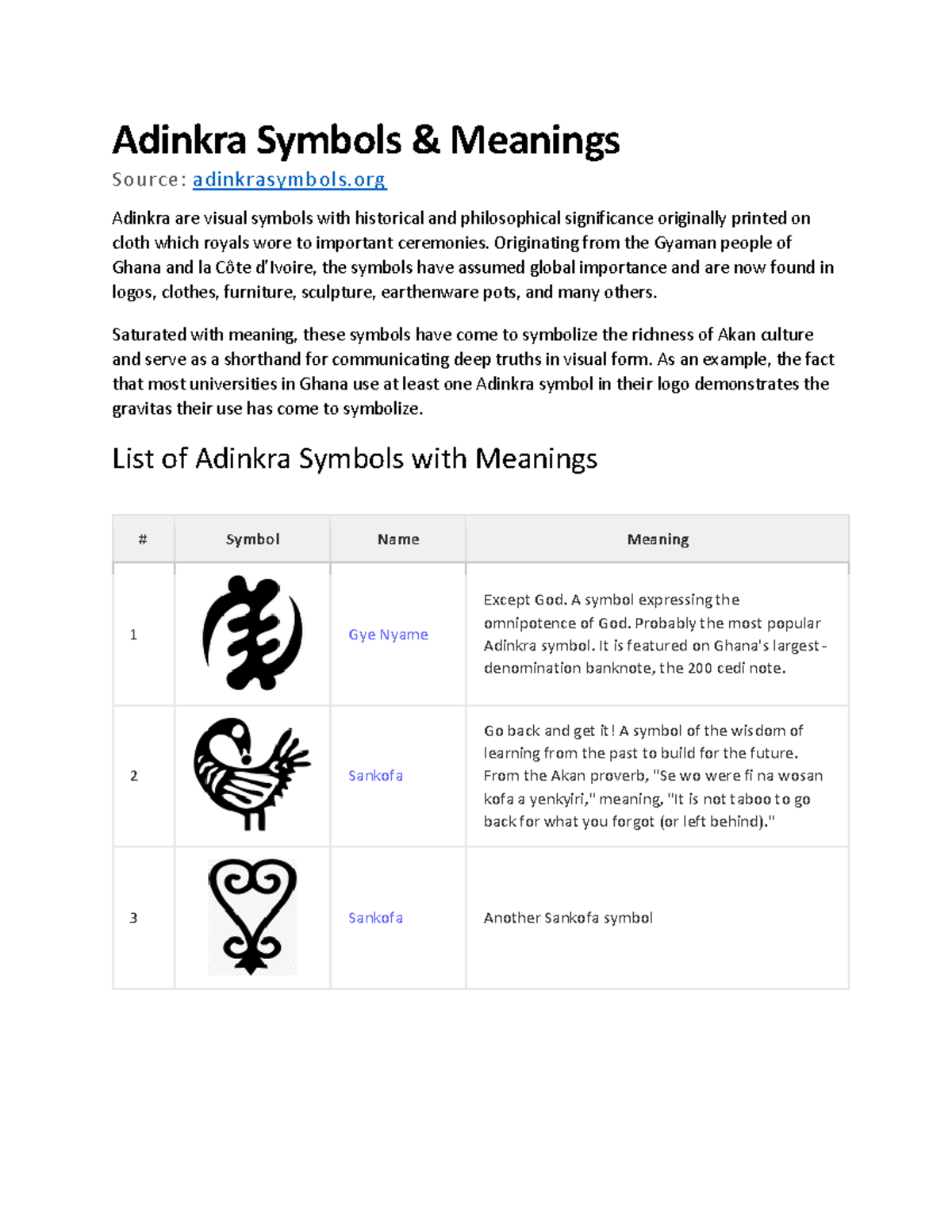
Apache symbols are profound visual expressions of the Indé (The People) culture, representing a complex worldview that bridges the physical and spiritual realms. These icons, found in basketry, clothing, and ritual art, convey specific meanings related to protection, nature, and the ancestors, serving as essential components of Apache identity and spiritual practice.
The Cultural Foundation of Apache Symbolism
To understand Apache symbols, one must first understand the concept of Indé, the name the Apache people use for themselves. Symbolism in Apache culture is never merely decorative. Whether stitched into a deerskin shirt, woven into a willow basket, or painted onto a ceremonial mask, every line and color carries a specific weight. As of 2026, tribal historians and cultural preservationists emphasize that these symbols are a living language, used to communicate with the Creator (Usen) and the Mountain Spirits.
Historically, the Apache were a nomadic and semi-sedentary people. Their art was portable, leading to a high concentration of symbolism in clothing, weaponry, and basketry. Unlike the static stone carvings of some Mesoamerican cultures, Apache symbols were meant to move with the person, offering protection during travel, success in the hunt, and health during transitions. The symbols are often categorized into three primary realms: the celestial (sky), the terrestrial (earth), and the spiritual (ceremonial).
The Gaan: The Mountain Spirits and Their Icons
Perhaps the most recognizable and sacred set of symbols in Apache culture revolves around the Gaan, often referred to as the Crown Dancers or Mountain Spirits. These spirits are believed to have been sent by the Creator to teach the Apache how to live in harmony and how to heal.
The Crown Headdress (The Na'it'ees)
The headdress worn by the Gaan dancers is a masterpiece of symbolic architecture. Made of thin slats of yucca or evergreen wood, the shape is intended to mirror the rugged peaks of the sacred mountains. The geometric patterns painted on these slats are not random; they often represent:
- The Sun: Usually placed at the center to signify the source of all life and heat.
- Lightning: Represented by zigzag lines, signifying the power of the heavens and the speed of the spirits.
- The Four Directions: Indicated by the orientation of the slats or specific color clusters.
Body Paint Symbols
During the Gaan ceremonies, the dancers’ bodies are painted with black soot and white clay. The symbols used—circles, crescents, and stars—are prayers made manifest. A circle on the chest might represent the sun’s protection over the heart, while lightning bolts on the arms grant the dancer the agility of a storm. These symbols are considered "active"; they are not just representations but are believed to actually imbue the wearer with the qualities they depict.
Celestial Symbols: Sun, Moon, and Stars
The Apache sky is a crowded map of spiritual power. Because the Apache lived in the vast landscapes of the Southwest, the celestial bodies were vital for navigation, timekeeping, and spiritual orientation.
The Sun Symbol
In Apache iconography, the Sun is frequently depicted as a circle with four radiating lines or as a multi-layered series of concentric circles. It represents Usen, the Creator, and is the ultimate symbol of life, warmth, and the beginning of all things. In basketry, a sunburst pattern is common, radiating from the center of the tray. This symbolizes the outward flow of life from the divine center to the edges of the world.
The Morning Star
The star is a symbol of guidance and hope. It is often rendered as a four-pointed or eight-pointed cross. To the Apache, the Morning Star is a reminder of the transition from darkness to light and the persistence of the spirit. It is a common motif in beadwork and is often given to young women during their Sunrise Ceremony (the puberty rite) to guide them into adulthood.
Lightning and Rain
In the arid Southwest, water is life. Therefore, symbols for lightning and rain are among the most frequent in Apache art. Lightning is shown as a sharp, jagged line. It is a dual symbol: it represents the frightening power of the universe but also the precursor to life-giving rain. Rain itself is often depicted as vertical fringe on clothing or as short, parallel lines in woven designs.
Terrestrial and Animal Symbols
The Apache view of the world is one of kinship with animals and the land. Each creature possesses a specific "medicine" or power that a person might seek to emulate or honor.
The Thunderbird
While the Thunderbird is a cross-cultural icon among many North American tribes, the Apache version focuses heavily on the bird’s role as a protector and a bringer of storms. It is often depicted with outstretched wings and a tail that resembles a rain cloud. It symbolizes indomitable power and the ability to rise above earthly struggles.
The Bear and the Wolf
- The Bear: Represented often by the track (the paw print), the bear symbolizes strength, healing, and the protection of the family. The bear is a complex figure in Apache lore—both respected and feared for its human-like qualities.
- The Wolf: Symbolizes loyalty, the successful hunter, and the importance of the "pack" or community. The wolf is often associated with the scouts of the tribe, who must be alert and resilient.
The Arrow
The arrow is a multifaceted symbol in Apache culture. A single arrow pointing to the right represents protection and the defense of the home. Two crossed arrows are a well-known symbol for friendship and the joining of two paths. A broken arrow, conversely, signifies peace and the end of a conflict.
The Significance of the Four Directions
No discussion of Apache symbols is complete without the Four Directions. This is the foundational grid upon which Apache cosmology is built. Each direction is associated with a color, a stage of life, and a mountain. While there are slight variations between the Western Apache, Chiricahua, and Jicarilla, a common alignment is as follows:
| Direction | Associated Color | Traditional Meaning | Life Stage |
|---|---|---|---|
| East | Black | The Beginning, The Sun Rising | Infancy/Childhood |
| South | Blue (or Green) | Growth, The Summer, Vitality | Youth/Adulthood |
| West | Yellow | The Setting Sun, Knowledge | Maturity/Middle Age |
| North | White | Wisdom, The Ancestors, Purity | Old Age/Spirit World |
These colors are used strictly in ceremonial contexts. For example, during the Sunrise Ceremony, the ritual space is oriented toward the East to welcome the new life and the rising sun. The use of these four colors in beadwork or weaving creates a "whole" or "balanced" piece of art that acknowledges the entirety of the universe.
Symbolism in Apache Basketry
Apache basketry is world-renowned for its intricate designs and durability. In these weaves, symbols are integrated into the very structure of the vessel.
Geometric Peaks
The recurring motif of stacked triangles or "steps" represents the mountains. Because the Apache resided in mountainous regions, these designs were a way of grounding the object in its physical home. The height and steepness of the triangles could indicate specific ranges or the ruggedness of the journey through life.
The "Man in the Maze" Confusion
It is a common mistake in 2026 for tourists and collectors to attribute the "Man in the Maze" symbol to the Apache. This symbol actually belongs to the Tohono O'odham people. Apache basketry focuses more heavily on radial designs—stars, animals, and the "Gaan" figures—rather than the circular maze motif. Distinguishing these is vital for cultural accuracy and respecting tribal intellectual property.
Materials and the Meaning of the Medium
The symbols gain part of their meaning from the materials used to create them. An Apache symbol is not just an image; it is an interaction with the natural world.
- Willow and Devil’s Claw: In basketry, the use of willow (white) and devil's claw (black) creates the contrast needed for symbols. The harvest of these materials is itself a ritual, requiring prayers and offerings, ensuring that the finished symbol carries "good medicine."
- Deerskin: Used for clothing and medicine bags. The animal’s spirit is believed to remain with the hide, and the symbols painted on it (often in ochre or charcoal) are a collaboration between the human artist and the animal spirit.
- Turquoise: While not a "shape" symbol, the color and stone itself are symbolic of the sky and protection. It is frequently incorporated into symbolic jewelry to ward off evil and ensure the favor of the spirits.
Modern Interpretations and Cultural Property
In 2026, the use of Apache symbols is a subject of both pride and legal protection. Many Apache artists use traditional symbols in contemporary media—such as digital art, modern fashion, and film—to ensure the culture remains vibrant for younger generations. However, there is a strong movement against the "commercialization" of sacred symbols.
Symbols used in the Gaan ceremonies, for example, are considered private and sacred. While representations of these dancers are often sold as art, the specific patterns used on the headdresses in a real ceremony are often proprietary to a specific family or clan. Respecting the boundary between "public" symbols (like the arrow or the sun) and "private" ceremonial symbols is a key part of modern cultural etiquette.
Frequently Asked Questions
What is the most important Apache symbol?
There is no single "most important" symbol, but the Sun and the Four Directions are the most foundational. They provide the framework for almost all other Apache iconography, representing the Creator and the balance of the universe.
Do Apache symbols differ from Navajo (Diné) symbols?
Yes. While the Apache and Navajo share Athabaskan linguistic roots and some cultural similarities (like the importance of the four directions), their symbolic languages are distinct. Apache symbolism tends to be more focused on the Mountain Spirits and specific geometric basketry patterns, while Navajo symbolism is heavily tied to sandpainting and weaving patterns like the "Spider Woman" motifs.
What does a zigzag line mean in Apache art?
A zigzag line almost always represents lightning. It signifies speed, power, and the divine energy of the sky. In a warrior's context, it might be painted on a shield or horse to grant the power of a sudden, unstoppable strike.
Why are there four colors used in most Apache designs?
The number four is sacred to the Apache. It represents the four directions, the four seasons, and the four stages of human life. Using the four colors (Black, Blue, Yellow, and White) ensures that the object is in harmony with the natural and spiritual laws of the world.
Can anyone wear Apache symbols?
Items created by Apache artists for public sale, such as beaded jewelry or baskets, are generally intended for everyone to appreciate. However, wearing or using sacred ceremonial symbols—especially those related to the Gaan dancers—without being a member of the tribe can be seen as disrespectful or cultural appropriation. It is always best to purchase directly from indigenous artists who can explain the meaning of the specific work.
Guidance for Researchers and Collectors
When identifying or studying Apache symbols in 2026, always prioritize tribal sources and verified ethnographic records. Symbols are not static; their meanings can evolve or have specific nuances depending on whether the artist is Chiricahua, Jicarilla, Mescalero, or Western Apache.
For those looking to honor the culture, the best next step is to visit tribal-run museums such as the White Mountain Apache Cultural Center or the Mescalero Apache Cultural Center. These institutions provide the most accurate context, ensuring that these powerful symbols are understood not just as "designs," but as the enduring heartbeat of the Indé people.