An apartment is a self-contained residential unit that occupies only part of a larger building, typically managed by a landlord or management company, while a house is a standalone structure, often called a single-family home, that sits on its own parcel of land. The primary differences lie in ownership structures, maintenance responsibilities, privacy levels, and long-term financial equity.
The choice between an apartment and a house is one of the most significant lifestyle and financial decisions an individual or family will make. As of 2026, the housing market has evolved to include hybrid models like townhomes and luxury condominiums, but the fundamental distinction between living in a multi-unit complex and a detached residence remains rooted in legal, financial, and practical considerations. To make an informed choice, it is essential to understand how these properties differ in terms of daily living and long-term wealth building.
Defining the Core Structures: Apartment vs. House
To understand the difference, one must first look at the physical and legal definitions of these dwellings. A house is technically a "single-family detached" dwelling. This means the building does not share walls with any other structure. It is surrounded by its own land, which the owner typically holds "fee simple"—a legal term meaning the owner has full rights to the land and the buildings on it, subject only to local zoning and government regulations.
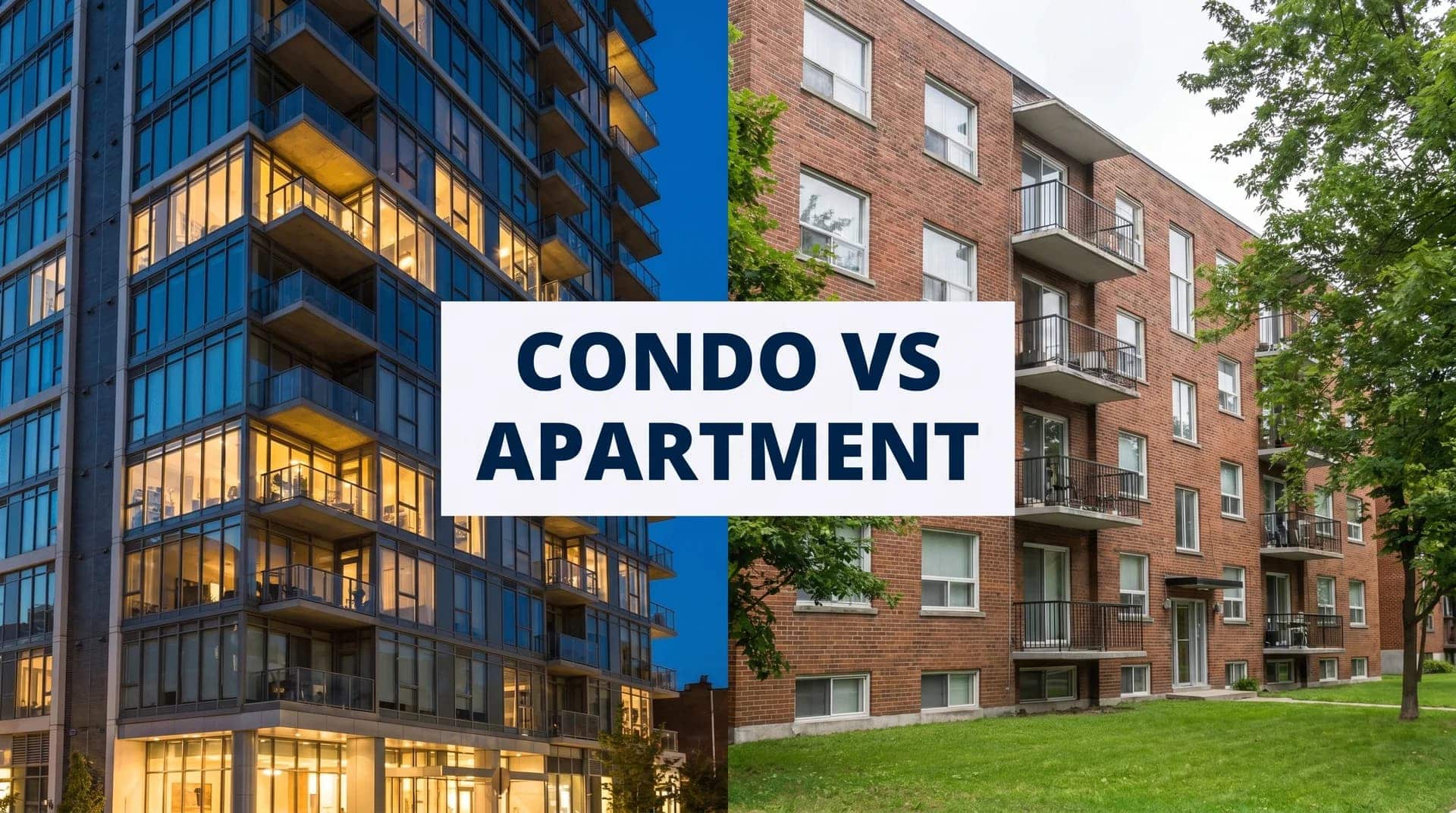
An apartment, by contrast, is a unit within a multi-family residential building. Structurally, apartments share walls, floors, and ceilings with neighbors. From a legal standpoint, the term "apartment" usually refers to a rental unit. While the physical layout might be identical to a condominium, the primary distinction is ownership: apartments are generally owned by a single entity (a landlord or a corporation) and leased to tenants, whereas condominiums are units owned by individuals within a shared building.
In 2026, the architectural lines have blurred slightly with the rise of "micro-apartments" in urban centers and "accessory dwelling units" (ADUs) in suburban backyards. However, the operational reality remains the same: an apartment dweller is part of a collective ecosystem, while a homeowner manages an independent island of property.
Maintenance and Operational Responsibilities
One of the most immediate differences felt by residents is the level of responsibility for maintenance and repairs. This is often the deciding factor for those who prefer "lock-and-leave" lifestyles versus those who want total control over their environment.
The Apartment Model: Hands-Off Living
In a standard apartment arrangement, the landlord or property management company is legally responsible for the "habitability" of the unit. This includes maintaining the structural integrity of the building, ensuring the plumbing and electrical systems work, and repairing major appliances that were included in the lease.
When a water heater fails in an apartment, the resident's primary task is to file a maintenance request. The cost of the repair is covered by the landlord, and the logistics of hiring a contractor are handled by the management. This convenience is a significant "soft" saving, as it protects the resident from the financial volatility of emergency repairs.
The House Model: Full Stewardship
Homeowners are the "chief operating officers" of their property. If the roof leaks or the HVAC system fails in 2026, the financial and logistical burden falls entirely on the owner. This requires not only a financial reserve (often recommended at 1% to 2% of the home's value annually) but also the time and knowledge to vet contractors and oversee repairs.
However, this responsibility comes with absolute freedom. A homeowner can choose the quality of the materials used, the timing of the repairs, and the specific service providers. There is no need to wait for a landlord’s approval or to settle for the cheapest possible fix.
Financial Structures and Long-Term Equity
The financial implications of choosing an apartment versus a house extend far beyond the monthly payment. It is a choice between a monthly expense and a long-term investment.
Renting an Apartment
For most apartment dwellers, the monthly check is a "sunk cost." It provides shelter for 30 days but builds no wealth. However, apartments have a lower barrier to entry. In 2026, a security deposit and the first month’s rent are significantly more accessible than the down payment and closing costs required for a house. Furthermore, renters avoid property taxes (directly), homeowner's association (HOA) fees, and the volatile costs of property insurance, which have seen adjustments based on updated 2025-2026 climate risk assessments.
Owning a House
Buying a house is a method of "forced savings." Each mortgage payment reduces the principal balance of the loan, increasing the owner's equity. Historically, real estate has also appreciated in value, meaning the house may be worth significantly more in ten years than it is today.
However, houses come with "hidden" costs that apartments do not:
- Property Taxes: These vary by jurisdiction but can amount to thousands of dollars annually.
- Homeowners Insurance (HO-3): Generally more expensive than renters insurance (HO-4), as it covers the entire structure, not just personal belongings.
- Landscaping and External Care: Costs for lawn mowing, tree trimming, and snow removal.
Privacy, Noise, and Social Interaction
The lifestyle difference between these two housing types is largely defined by the "buffer zone" between neighbors.
In an apartment, common areas like hallways, elevators, gyms, and laundry rooms are shared. While this fosters a sense of community, it also means that noise from neighbors—footsteps from above, music through the walls—is a common reality. Modern 2026 construction standards have improved soundproofing (STC ratings), but shared living remains a collective experience.
A house offers a private perimeter. There are no shared walls, and usually, there is a physical distance (the yard) between houses. This provides a level of acoustic and visual privacy that apartments cannot match. For families with children or pets, the private outdoor space of a house is often the primary reason for moving away from apartment living.
Customization and Zoning Restrictions
How much do you want to change your living space? This question is central to the apartment vs. house debate.
Apartment limitations: Most lease agreements strictly forbid permanent alterations. You may not be able to paint walls, change light fixtures, or certainly not knock down a wall to create an open-concept kitchen. The space is effectively "on loan," and it must be returned in its original condition.
House freedom: As a homeowner, you have the right to renovate, expand, or completely remodel the interior of your home. If you want to add a deck, finish a basement, or install solar panels, you have the legal right to do so, provided you comply with local building codes and any existing HOA covenants. This allows the home to evolve alongside the resident's needs.
Comparison Summary: Apartment vs. House
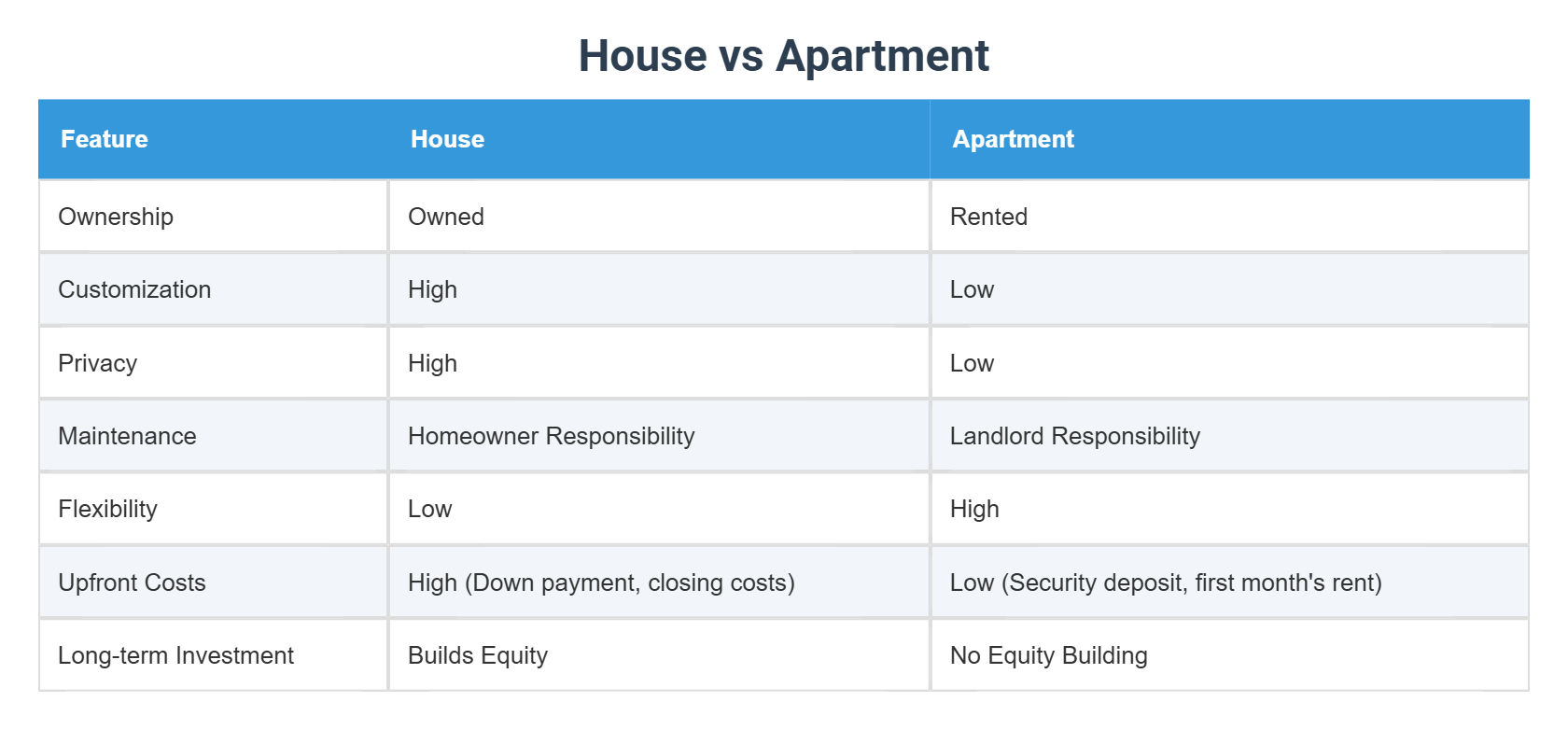
The following table provides a direct comparison of the key metrics used to evaluate these two housing types in the current 2026 market.
| Feature | Apartment (Rental) | House (Single-Family) |
|---|---|---|
| Ownership | Landlord/Corporation | Occupant (Fee Simple) |
| Maintenance | Handled by Management | Owner's Responsibility |
| Upfront Cost | Low (Deposit + 1st Month) | High (Down Payment + Closing) |
| Monthly Cost | Fixed Rent (per lease) | Variable (Mortgage + Tax + Utilities) |
| Equity Building | None | High (Principal Paydown + Appreciation) |
| Privacy | Low (Shared Walls/Common Areas) | High (Detached/Private Yard) |
| Customization | Very Limited | High (Subject to Local Codes) |
| Amenities | Often Shared (Gym, Pool) | Private (Owner-installed) |
| Flexibility | High (Easier to move at lease end) | Low (Selling a home takes time/money) |
Insurance and Legal Protections
Understanding the insurance requirements for each is critical for risk management.
For apartment dwellers, Renters Insurance (HO-4) is highly recommended and often required by landlords. This policy covers the tenant’s personal property in the event of theft or fire and provides liability coverage if someone is injured inside the unit. Crucially, the tenant is not responsible for insuring the building itself; that is the landlord's responsibility.
For homeowners, Homeowners Insurance (HO-3 or HO-5) is a requirement for anyone with a mortgage. This is a comprehensive policy that covers the physical structure, personal property, and liability. In 2026, homeowners must be particularly aware of "excluded perils" such as floods or earthquakes, which often require separate riders or policies through programs like the National Flood Insurance Program (NFIP).
Which One Should You Choose?
The "better" choice depends entirely on your current life stage and financial goals.
Choose an apartment if:
- You value mobility and want the freedom to move easily for work or travel.
- You prefer a predictable monthly housing cost without the risk of emergency repair bills.
- You live alone or as a couple and enjoy being in high-density, walkable urban areas.
- You do not have the capital for a significant down payment.
Choose a house if:
- You are looking for a long-term "forever home" to raise a family.
- You want to build generational wealth through real estate equity.
- You require privacy and a yard for pets, gardening, or recreation.
- You enjoy DIY projects and want the freedom to customize your living environment.
Frequently Asked Questions
Is a townhouse considered a house or an apartment?
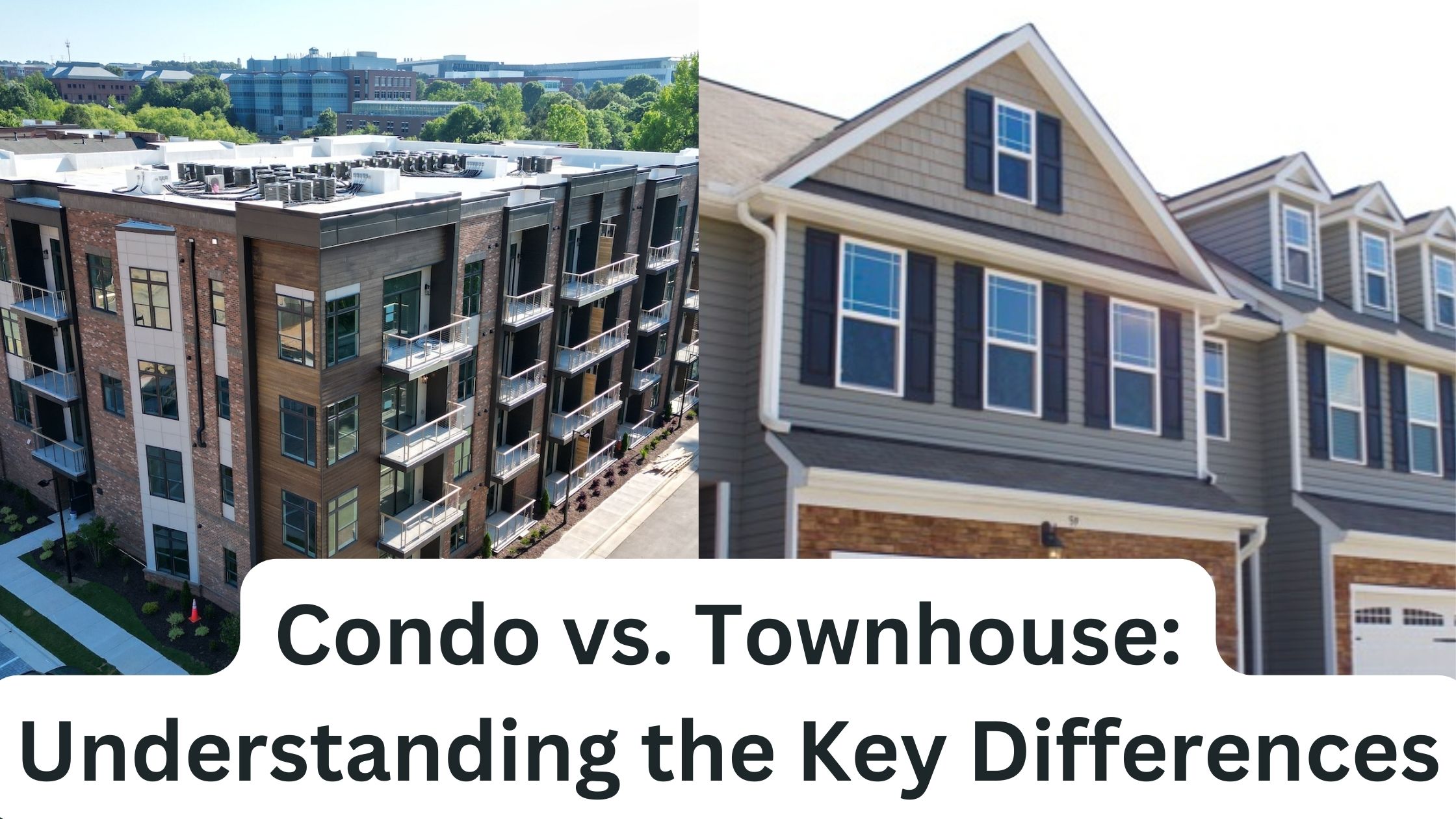
A townhouse is a hybrid. Architecturally, it resembles an apartment because it shares walls with neighbors. However, legally, most townhouses are owned similarly to houses, where the occupant owns the interior and often the small patch of land beneath the unit. They are typically managed by an HOA, which handles exterior maintenance, making them a "middle ground" between the two.
Why are houses generally more expensive to maintain than apartments?
Houses are exposed to the elements on all sides, meaning the roof, siding, and foundation are the owner's responsibility. Additionally, houses have individual systems (furnace, water heater, septic) that don't benefit from the "economies of scale" found in large apartment buildings where one industrial boiler might heat 50 units.
Can you own an apartment?
Yes, but in that case, it is legally referred to as a condominium (condo) or a co-op. In a condo, you own the individual unit's interior air space, while the building's exterior and common areas are owned collectively by all unit owners through a homeowners association. You pay "condo fees" to cover the shared maintenance of the building.
Which is better for long-term investment in 2026?
Historically, a house is a better investment because you own the land, which tends to appreciate over time. While condos (owned apartments) can appreciate, their value is often capped by the monthly HOA fees and the condition of the overall building, which you do not have total control over.
What are the main differences in utility costs?
Apartments are often more energy-efficient because they are "insulated" by the heated or cooled units surrounding them. Houses have more exterior surface area, leading to higher heating and cooling costs. Additionally, apartment landlords sometimes include water, trash, or even heat in the rent, whereas homeowners must pay for every utility separately.
Practical Next Action
Before deciding, perform a "buy vs. rent" break-even analysis for your specific city. In many 2026 markets, it takes roughly five to seven years of living in a house to "break even" on the closing costs and interest paid compared to the cost of renting an apartment. If you plan to stay in one location for less than five years, an apartment is almost always the more financially sound decision. If you are planning for a decade or more, the equity growth of a house typically outweighs the convenience of an apartment.