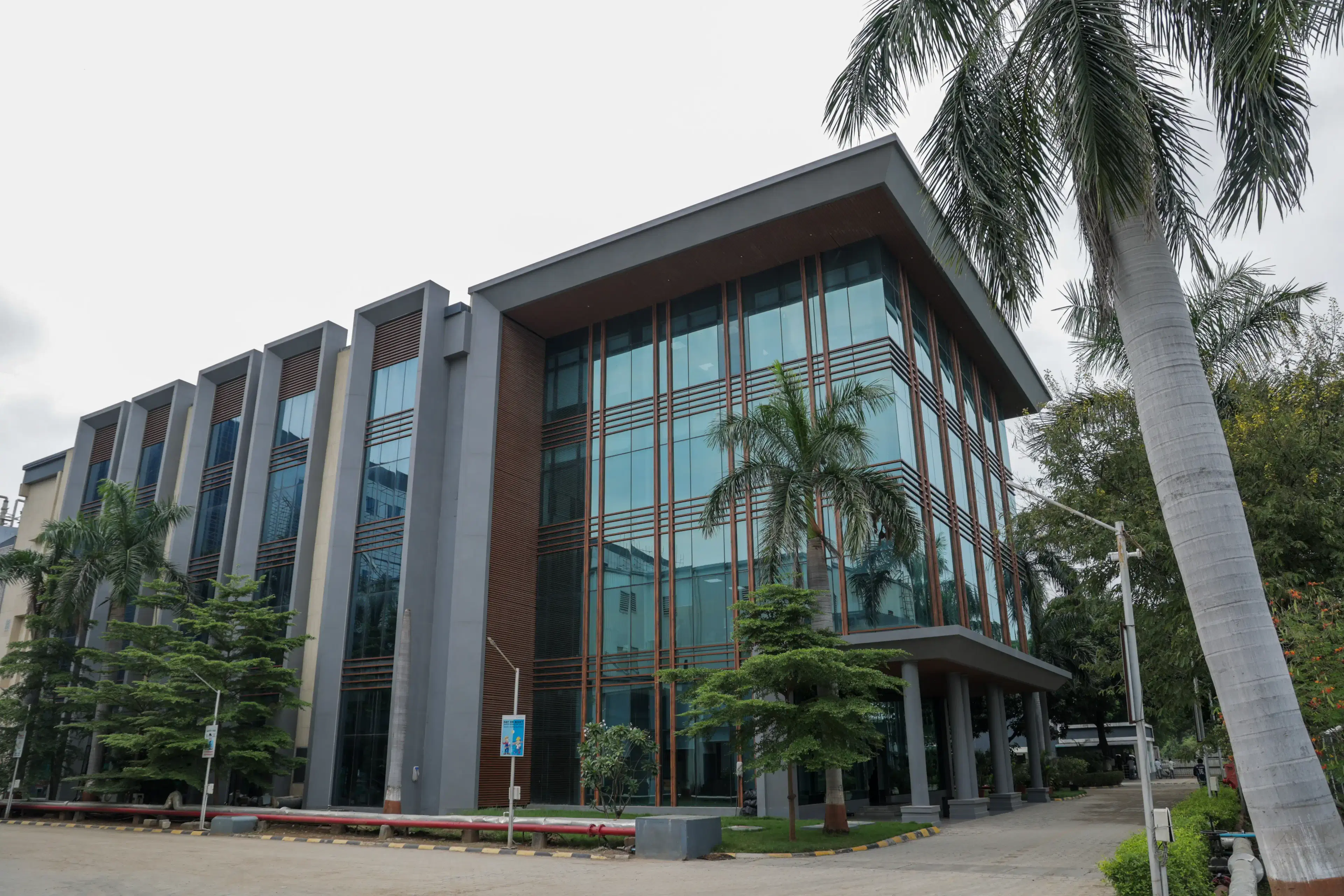
APC Pharmaceuticals Ltd. is a dedicated manufacturer of generic medicines in Bangladesh, specializing in high-quality therapeutic formulations. Operating under the strict oversight of the Directorate General of Drug Administration (DGDA), the company focuses on providing affordable, essential healthcare solutions through modern manufacturing processes and a robust nationwide distribution network.
The Evolution of APC Pharmaceuticals Ltd. within the Bangladesh Pharma Landscape
The pharmaceutical sector in Bangladesh has long been a pillar of the national economy, characterized by self-sufficiency and a growing export footprint. APC Pharmaceuticals Ltd. emerged as a participant in this dynamic environment, driven by the objective of bridging the gap between high-end medicinal requirements and affordable access for the general population.
Historically, the Bangladeshi pharmaceutical industry transformed following the National Drug Policy of 1982, which prioritized local production over imports. APC Pharmaceuticals leveraged this regulatory framework to establish a foundation in the generic market. By 2026, the company has matured into a stable mid-tier player, navigating the complexities of the post-LDC (Least Developed Country) transition, where intellectual property rights and patent protections under the TRIPS agreement have become more stringent.
The company’s growth trajectory reflects the broader trends in the Gazipur and Narayanganj industrial belts, where manufacturing facilities are concentrated. APC has focused on scaling its production volume while maintaining adherence to the "Quality First" mantra, which is essential for survival in a market dominated by several dozen large-scale competitors.
Manufacturing Infrastructure and Technology Standards
The heart of APC Pharmaceuticals Ltd. lies in its manufacturing facility. Designed to meet both national and international standards, the plant incorporates segregated zones for different dosage forms to prevent cross-contamination, a requirement mandated by the World Health Organization’s Good Manufacturing Practices (WHO-GMP).
Dosage Form Specialization
APC Pharmaceuticals has invested heavily in "Solid Dosage" forms, which remain the most consumed category in the Bangladeshi market. However, their capabilities extend across several mediums:
- Oral Solids: This includes tablets (film-coated, enteric-coated, and dispersible) and capsules. The facility utilizes high-speed rotary compression machines and automated encapsulation technology.
- Liquid Orals: Production of syrups, suspensions, and solutions. These lines are equipped with advanced mixing vessels and automated filling/capping stations to ensure volumetric precision and microbiological safety.
- Semi-Solids: Creams, ointments, and gels intended for dermatological use. The focus here is on emulsion stability and consistent active pharmaceutical ingredient (API) distribution.
Quality Assurance and Control
In 2026, quality assurance (QA) is not merely a department but a continuous process integrated into every stage of production at APC. The Quality Control (QC) laboratory is equipped with sophisticated analytical instruments such as High-Performance Liquid Chromatography (HPLC), Gas Chromatography (GC), and UV-Visible Spectrophotometers. These tools allow the company to verify the purity, potency, and stability of both raw materials and finished products before they reach the consumer.
Therapeutic Portfolio and Market Reach
APC Pharmaceuticals Ltd. maintains a diverse product list that targets the most prevalent diseases and health conditions in the South Asian region. By focusing on "essential medicines," the company ensures steady demand and contributes to public health stability.
Key Therapeutic Segments
The company’s portfolio is strategically divided to cover both acute and chronic conditions:
- Gastrointestinal Agents: Given the dietary habits and water quality challenges in the region, proton pump inhibitors (PPIs) and antacids are among the highest-volume products for APC.
- Anti-Infectives: Including a range of antibiotics (Cephalosporins, Macrolides, and Penicillins). APC adheres to strict environmental controls for antibiotic production to mitigate the risk of antimicrobial resistance during the manufacturing phase.
- Analgesics and Antipyretics: Standard pain management and fever reduction medications remain a core component of their daily output.
- Cardiovascular and Antidiabetic: As non-communicable diseases (NCDs) rise in Bangladesh, APC has expanded its offerings in antihypertensives and oral hypoglycemic agents to support long-term patient care.
Distribution and Supply Chain Strategy
A pharmaceutical product is only effective if it is accessible. APC Pharmaceuticals utilizes a decentralized distribution model. They operate several depots across major divisional cities like Chittagong, Rajshahi, and Sylhet. This network allows for rapid replenishment of pharmacy stocks, ensuring that patients in rural areas have the same access to life-saving medication as those in urban centers.
Regulatory Compliance and Certifications
In the 2026 regulatory environment, compliance is the primary barrier to entry and expansion. APC Pharmaceuticals Ltd. operates under the license of the Directorate General of Drug Administration (DGDA), the apex regulatory body in Bangladesh.
Compliance involves:
- GMP Audits: Regular inspections by the DGDA to ensure the facility maintains high hygiene, documentation, and operational standards.
- Pharmacovigilance: A system for monitoring the effects of medicines after they are licensed for use, especially to identify and evaluate previously unreported adverse reactions.
- Product Registration: Every molecule and brand name must undergo a rigorous approval process, including bioequivalence studies for certain categories, to prove they are therapeutically equivalent to the innovator drug.
| Feature | Specification/Status (2026) | Significance |
|---|---|---|
| Primary Regulatory Body | DGDA, Bangladesh | Ensures legal and safety compliance. |
| Manufacturing Standards | WHO-GMP Compliant | Necessary for local trust and future exports. |
| Core Dosage Forms | Tablets, Capsules, Liquids, Semi-solids | Covers >80% of general medical needs. |
| Lab Equipment | HPLC, GC, Dissolution Testers | Guarantees chemical and physical integrity. |
| Distribution | Nationwide Depot Network | Minimizes "out-of-stock" scenarios in pharmacies. |
| Environmental Safety | Effluent Treatment Plant (ETP) | Manages chemical waste responsibly. |
Challenges in the 2026 Pharmaceutical Landscape
Despite its steady growth, APC Pharmaceuticals Ltd. faces significant challenges shared by many mid-sized Bangladeshi firms. The most pressing is the API (Active Pharmaceutical Ingredient) dependency. Currently, a vast majority of the raw chemicals required for medicine production are imported from China and India. Fluctuations in global supply chains or currency exchange rates directly impact the production costs at APC.
Furthermore, as Bangladesh moves toward "Developing Country" status, the industry is losing some of the patent waivers it previously enjoyed. This necessitates a shift from simple generic copying to more advanced research and development (R&D) and the development of "Value-Added Generics." APC is currently investing in formulation R&D to improve drug delivery systems and patient compliance.
Human Resources and Corporate Social Responsibility
APC Pharmaceuticals employs a multi-disciplinary team comprising pharmacists, chemists, microbiologists, and engineers. The company places a heavy emphasis on "In-process Training," ensuring that floor workers are updated on the latest safety protocols and machinery operations.
In terms of social responsibility, APC often participates in health camps and provides discounted or free medicines to charitable clinics. In 2026, their CSR focus has shifted toward environmental sustainability, specifically reducing the carbon footprint of their Gazipur facility and improving the biodegradable nature of their primary packaging materials.
Frequently Asked Questions (FAQ)
1. Is APC Pharmaceuticals Ltd. a publicly traded company?
As of 2026, APC Pharmaceuticals Ltd. remains a private limited company. While many larger pharmaceutical firms in Bangladesh are listed on the Dhaka Stock Exchange (DSE), APC has maintained a private ownership structure, focusing on internal reinvestment and organic growth rather than public equity.
2. How can I verify the authenticity of an APC Pharmaceuticals product?
Every product manufactured by APC Pharmaceuticals includes a unique batch number, manufacturing date, and expiry date printed on the blister pack or bottle. Consumers can verify these details by cross-referencing with the DGDA’s "Medicine Index" or using mobile apps approved by the regulatory authority that scan 2D barcodes or QR codes (where applicable) for product authentication.
3. Does APC Pharmaceuticals export its medicines outside of Bangladesh?
While APC’s primary focus is the domestic market, the company has begun exploring export opportunities in unregulated and semi-regulated markets in Africa and Southeast Asia. Their WHO-GMP compliance serves as the foundational certification required to enter these international markets.
4. What should I do if I experience a side effect from an APC medication?
Patients should immediately consult their healthcare provider. Additionally, side effects can be reported to the company’s pharmacovigilance department or directly to the DGDA via their official website. Reporting adverse drug reactions is vital for ongoing safety monitoring in the 2026 healthcare ecosystem.
5. Where is the main manufacturing plant of APC Pharmaceuticals located?
The primary manufacturing facility is located in the industrial outskirts of Dhaka, specifically within the Gazipur region. This location is strategically chosen due to its proximity to the capital and the availability of specialized logistics and utility infrastructure required for pharmaceutical production.
6. Does the company produce life-saving vaccines or oncology drugs?
As of current 2026 operations, APC Pharmaceuticals focuses primarily on general therapeutic classes such as antibiotics, cardiovascular drugs, and gastrointestinal medications. Specialized production lines for vaccines or oncology (cancer) medications require biosafety level (BSL) environments or high-containment facilities which are currently outside the company’s core manufacturing scope.
Final Recommendations for Stakeholders
For medical professionals and pharmacists in Bangladesh, APC Pharmaceuticals Ltd. represents a reliable source of essential generics that balance cost and quality. When prescribing or dispensing, it is recommended to monitor the specific therapeutic efficacy of their newer NCD-related formulations, as the company has shown significant improvement in these areas.
For potential business partners or distributors, the company’s commitment to upgrading its facility for the post-LDC era makes it a stable candidate for long-term collaboration. However, stakeholders should remain mindful of the broader economic factors affecting API costs in Bangladesh.
Consumers are advised to always purchase APC products from licensed pharmacies and to check the packaging for the "DAR" (Drug Administration Registration) number, which ensures the product has been legally vetted and approved for the Bangladeshi market.