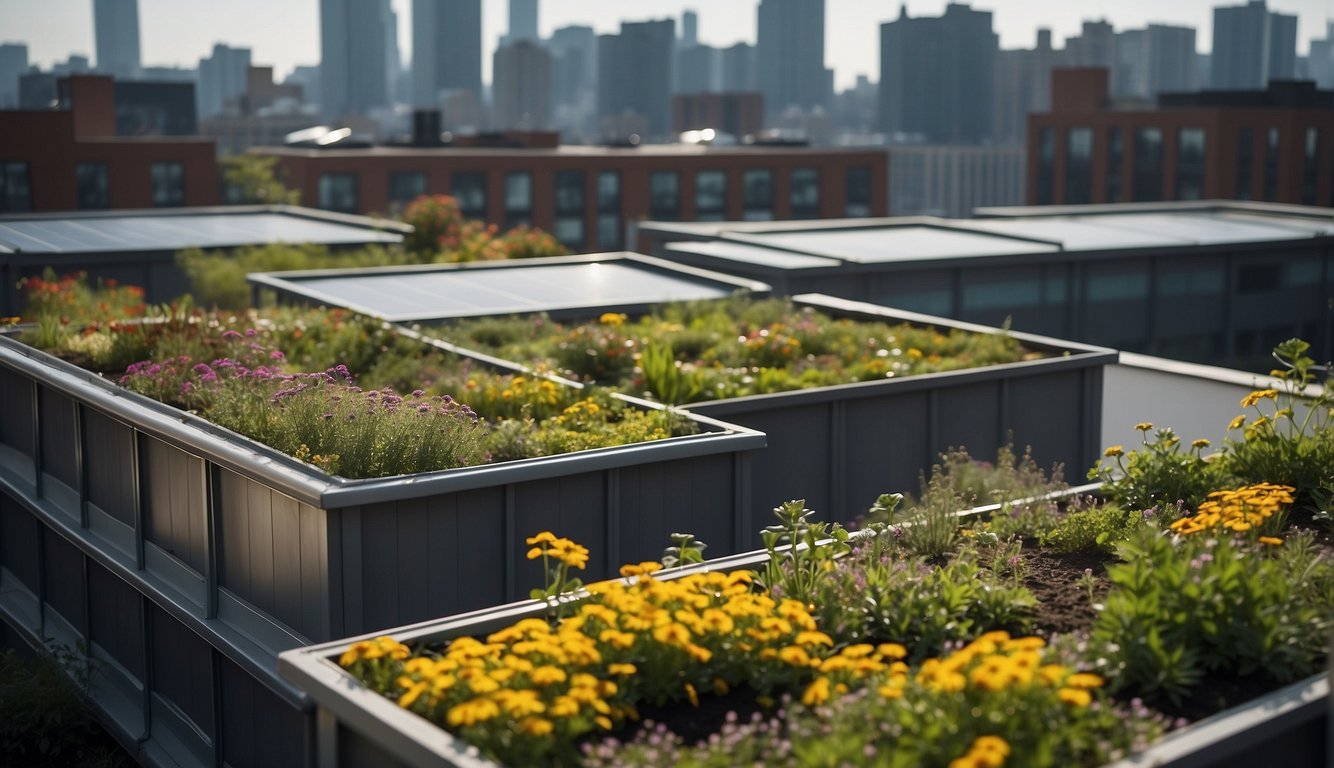
Apartment roofers specialize in the maintenance, repair, and replacement of roofing systems on multi-family dwellings. In 2026, the primary challenges of urban rooftops involve extreme logistical constraints, including restricted site access, strict noise and environmental regulations, the complexity of integrated building systems like HVAC and solar, and the need for specialized safety protocols to protect both workers and high-density pedestrian traffic.
The Specialized Role of Apartment Roofers
Professional apartment roofers operate at the intersection of commercial construction and residential property management. Unlike single-family residential roofing, which often focuses on aesthetics and steep-slope shingle application, urban apartment roofing is primarily concerned with large-scale water management, structural load-bearing capacity, and long-term durability under harsh city conditions.
In 2026, these contractors must be as proficient in logistics as they are in waterproofing. An apartment building is a living ecosystem; a roof leak doesn't just damage a single attic, it can jeopardize the safety and property of dozens or hundreds of tenants across multiple floors. Consequently, apartment roofers must navigate the "verticality" of their work, ensuring that heavy materials and equipment are transported safely to heights that often exceed the reach of standard machinery.
The skill set required for this niche includes mastery of low-slope (flat) roofing membranes, such as Thermoplastic Polyolefin (TPO) and Ethylene Propylene Diene Monomer (EPDM), as well as an understanding of how rooftop amenities—like dog parks, lounges, and mechanical units—interact with the building’s protective envelope.
Logistical Hurdles in High-Density Environments
One of the most significant challenges for apartment roofers in urban settings is the lack of "staging" space. In suburban environments, a contractor might park a dump trailer in a driveway and stage pallets of shingles on the lawn. In a dense city center, the building often extends to the very edge of the property line.
Site Access and Material Delivery
In 2026, delivering materials to an urban rooftop requires military-grade precision. Narrow alleys, one-way streets, and heavy traffic mean that material deliveries must be timed perfectly. Contractors often utilize "just-in-time" delivery models where cranes are rented for specific four-hour windows to hoist materials directly from the street to the roof. If the delivery truck is delayed by city traffic, the crane rental costs—which can reach thousands of dollars per hour—continue to mount, eating into the project's margin and extending the timeline.
Public Safety and Pedestrian Protection
Working 10 to 50 stories above a busy sidewalk introduces immense liability. Apartment roofers must implement rigorous "drop zones" and debris management systems. This often involves the construction of sidewalk sheds (scaffolding tunnels) to protect pedestrians from accidental falls of small tools or debris. Furthermore, the use of perimeter guarding and specialized debris chutes is non-negotiable under modern safety standards.
Technical Complexity: More Than Just a Waterproof Barrier
Urban rooftops are rarely "clean" surfaces. They are crowded with mechanical equipment that serves the entire building. This complexity creates thousands of "penetrations"—points where pipes, vents, and supports break through the roofing membrane.
HVAC and Mechanical Integration
Modern apartment buildings house massive HVAC chillers, exhaust fans, and cooling towers on their roofs. When an apartment roofer replaces a membrane, they cannot simply roof "around" these units. Every piece of equipment must be properly flashed, and in many cases, heavy machinery must be temporarily lifted using hydraulic jacks so the new roofing material can be installed underneath. This requires close coordination between roofing contractors and HVAC technicians to ensure building climate control is not interrupted for extended periods.
The Urban Heat Island Effect
In 2026, urban apartment roofs are subject to the "Urban Heat Island" effect, where concentrated concrete and asphalt trap heat, raising local temperatures. Apartment roofers are increasingly tasked with installing "cool roofs"—membranes with high solar reflectance. These systems reduce the building’s energy consumption but require specific installation techniques to ensure the reflective surface remains effective against city soot and pollution.
Regulatory and Safety Mandates for 2026
Regulatory compliance is a moving target for urban roofers. Municipalities have tightened codes regarding fire resistance, energy efficiency, and storm water management.
- Fire Codes: Because apartment buildings are high-occupancy, the roofing materials must meet strict Class A fire ratings. This limits the types of adhesives and insulation that can be used, especially in "hot-work" applications like torch-down modified bitumen.
- Storm Water Management: Many cities now require apartment roofs to assist in slowing down rain runoff to prevent sewer overflows. This has led to the rise of "blue roofs" (which pond water intentionally and release it slowly) and "green roofs" (vegetated systems). Apartment roofers must understand the structural weight implications of these systems.
- OSHA and Fall Protection: Fall protection is the most cited safety violation in construction. On an urban rooftop, roofers must utilize permanent or temporary anchor points, guardrail systems, and personal fall arrest systems (PFAS). In 2026, many buildings are installing permanent horizontal lifeline systems to assist roofers in ongoing maintenance.
Cost Variables in Urban Multi-Family Roofing
The cost of roofing an apartment building in an urban center is significantly higher than a similar square-footage project in a rural area. The table below outlines the primary cost drivers that apartment owners must consider in 2026.
| Cost Factor | Urban Apartment Roofing | Suburban/Commercial Roofing |
|---|---|---|
| Permitting | High; requires lane closures and sidewalk permits. | Standard building permits. |
| Labor | Higher; specialized high-rise insurance and local wage rates. | Standard commercial rates. |
| Material Handling | Expensive; requires cranes, hoists, and night deliveries. | Ground-level staging and forklift use. |
| Safety Overhead | Significant; sidewalk sheds and 100% tie-off mandates. | Standard fall protection. |
| Waste Removal | High; requires specialized debris chutes and hauling. | Standard roll-off containers in parking lots. |
| Timeline | Longer due to logistical delays and noise ordinances. | Shorter; fewer external constraints. |
Sustainable and Smart Roof Initiatives
As we progress through 2026, the "dumb" roof is becoming a thing of the past. Apartment roofers are now installing "smart" roofing systems equipped with sensors that can detect moisture infiltration long before a leak is visible to the human eye. These sensors are embedded within the insulation layers and send alerts to property managers, allowing for "surgical" repairs rather than full-scale replacements.
Solar Integration
With the push for carbon neutrality, many urban apartment roofs are being converted into power plants. Integrated Photovoltaic (IPV) systems or traditional solar arrays are being mounted on specialized racking systems that do not penetrate the roof membrane. Apartment roofers must work alongside solar installers to ensure that the weight of the panels does not compress the roof insulation, which could lead to "ponding" water and membrane failure.
Green Roof Maintenance
Vegetated roofs are beautiful but require a specific type of expertise. Apartment roofers must manage the "root barrier" layer to prevent plants from damaging the structural deck. They must also ensure that drainage layers remain clear of silt and organic debris, which is a common challenge in city environments where dust and pollutants settle on the roof.
Tenant Management and Communication
A unique challenge for apartment roofers is the human element. Roofing is inherently noisy, smelly (if using asphalt or certain adhesives), and disruptive.
- Noise Control: Many urban districts have strict noise ordinances that prevent work from starting before 8:00 AM or continuing after 6:00 PM. Roofers must plan high-impact activities, like tear-offs using pneumatic tools, during specific windows to minimize tenant complaints.
- Fume Mitigation: The chemicals used in modern roofing—solvents, adhesives, and primers—can produce strong odors. In an apartment setting, these fumes can be drawn into the building’s air intake systems. Professional roofers use low-VOC (Volatile Organic Compound) materials or coordinate with the building engineer to temporarily shut down or charcoal-filter the HVAC intakes.
Choosing the Right Urban Roofing Specialist
Property managers should not hire a general residential roofer for an urban apartment project. The complexities of the building height, the density of the neighborhood, and the technical requirements of low-slope systems demand a specialist.
When vetting a contractor in 2026, owners should verify:
- High-Rise Insurance: General liability insurance often has "height exclusions." Ensure the roofer is covered for the specific height of your building.
- Crane and Logistics Experience: Ask for a detailed logistics plan. How will they get the old roof off and the new roof on without blocking fire lanes?
- Manufacturer Certifications: Most high-end membrane manufacturers (like Carlisle, GAF, or Firestone) only offer "No Dollar Limit" (NDL) warranties if the installation is performed by a certified master contractor.
FAQ
How long does an urban apartment roof typically last? In 2026, most high-quality TPO or EPDM systems on urban apartments are designed to last 20 to 30 years. However, this lifespan can be shortened by "foot traffic" from other trades (HVAC, solar, window washers) and the extreme temperature fluctuations found on city rooftops. Regular annual inspections are critical to reaching the 30-year mark.
What is the best roofing material for a high-rise apartment? There is no "one size fits all" answer, but TPO (Thermoplastic Polyolefin) is currently the most popular choice in 2026 due to its heat-reflective properties, puncture resistance, and cost-effectiveness. For roofs with heavy foot traffic or complex equipment, a 2-ply modified bitumen system or a liquid-applied reinforced membrane may be more durable.
How do roofers handle old roof debris in a city? Roofers use heavy-duty, enclosed debris chutes that run from the roof edge down to a sealed container on the street. This prevents dust and small rocks from blowing onto neighboring properties or pedestrians. In some ultra-dense areas, debris is "bagged" in large industrial totes and craned down at night.
Are green roofs worth the extra cost for apartment buildings? While the initial installation cost of a green roof is 2-3 times higher than a standard roof, they offer significant benefits. They can double or triple the lifespan of the underlying membrane by protecting it from UV rays, and they provide natural insulation that lowers energy bills. Many cities also offer tax abatements or floor-area-ratio (FAR) bonuses for buildings with green roofs.
Do I need to relocate tenants during a roof replacement? Generally, no. Apartment roofers are accustomed to working while buildings are occupied. The primary disruptions are noise and occasional odors. Most contractors will provide a "noise schedule" so that tenants who work from home can plan accordingly.
Practical Recommendation
For property owners and facility managers in 2026, the most effective way to manage urban roofing challenges is to transition from a "reactive" to a "proactive" maintenance model. Establish a relationship with a specialized apartment roofing contractor who offers annual moisture scans and preventative maintenance programs. Addressing a small puncture or a failing flashing detail today can prevent a six-figure emergency repair and the logistical nightmare of a full-scale replacement under crisis conditions. Always ensure your contractor has a proven track record with the specific municipal permits required in your city’s jurisdiction.