Apartment landlord insurance is a specialized policy protecting property owners from financial losses related to rental buildings. It primarily covers physical damage to the structure, legal liability for injuries occurring on-site, and lost rental income during repairs, ensuring that investors maintain cash flow and asset protection against tenant-related risks.
Managing an apartment building in 2026 requires more than just finding reliable tenants; it necessitates a robust defensive strategy against a rising tide of environmental, legal, and economic risks. Whether you own a single converted unit or a sprawling multi-family complex, understanding the nuances of landlord insurance—formally known as a Dwelling Fire policy—is essential for long-term profitability and asset preservation. This guide explores the core components, policy types, and strategic considerations for modern property owners.
The Three Pillars of Landlord Insurance Coverage
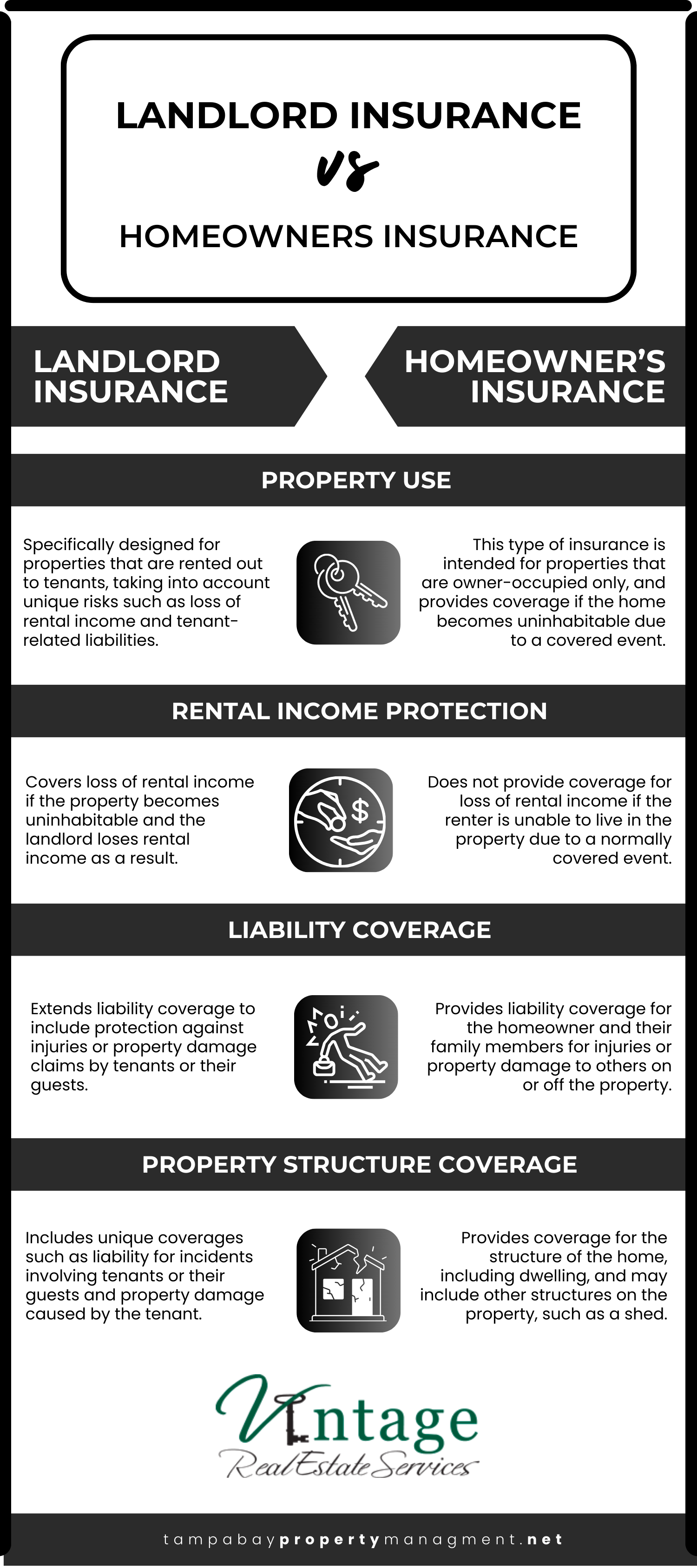
Standard homeowners insurance is insufficient for rental properties because it typically excludes coverage for business activities, such as renting out a dwelling for profit. Landlord insurance fills this gap through three primary categories of protection.
1. Property Damage (Building and Contents)
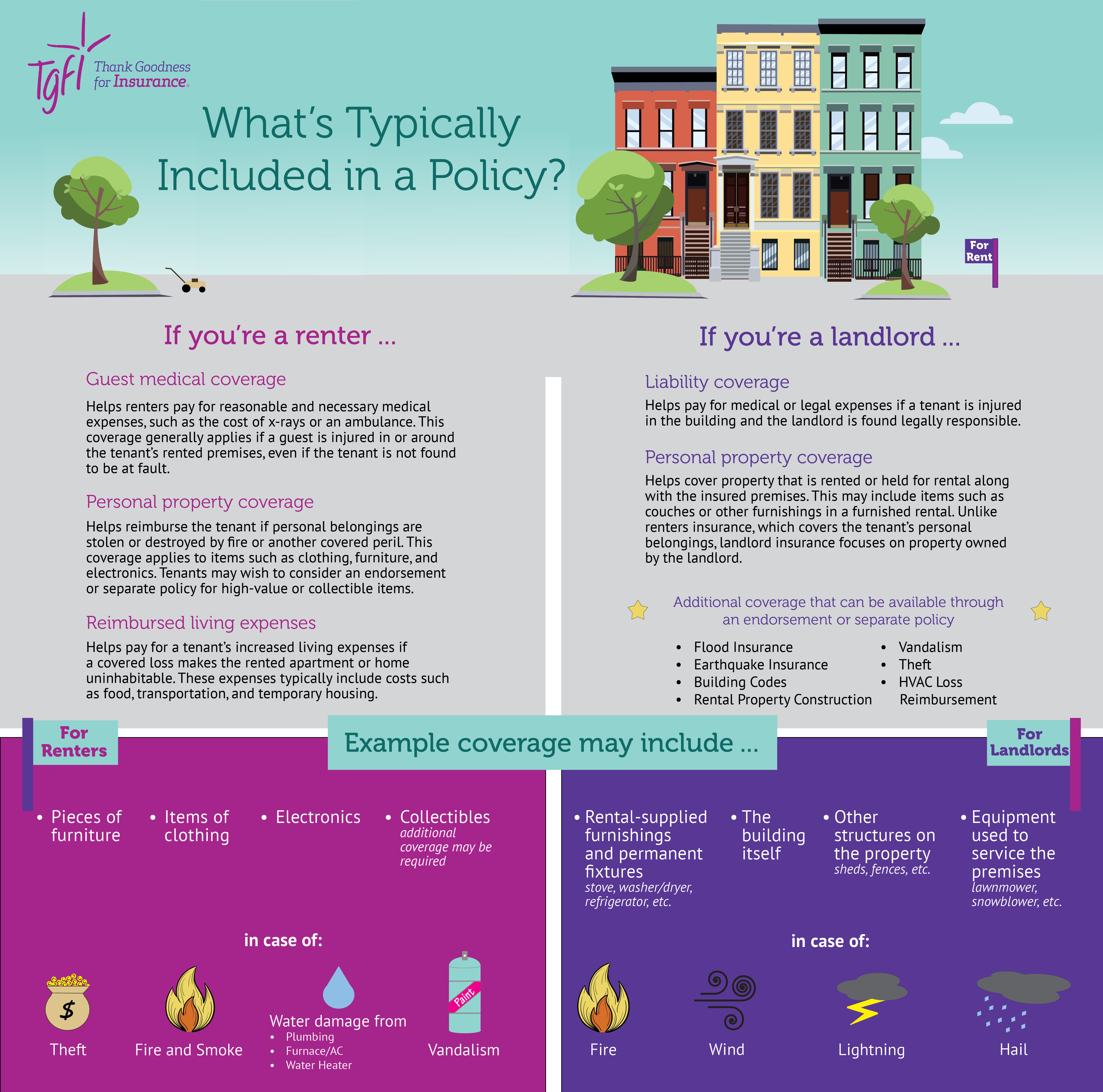
The most fundamental component of any landlord policy is coverage for the physical structure. This includes the foundation, walls, roof, and any "other structures" on the property, such as detached garages, fences, or storage sheds. In an apartment context, this also covers shared areas like lobbies, hallways, and elevators.
Unlike homeowners policies, landlord insurance generally does not cover the personal property of the tenants. However, it does cover the landlord’s personal property used to maintain the building. This includes items like lawnmowers, snow blowers, lobby furniture, and appliances provided within the units (e.g., refrigerators, ovens, or washers/dryers). In 2026, with the increased replacement costs of energy-efficient appliances and "smart building" infrastructure, ensuring that your property coverage limits reflect current market values is a critical task for every policy renewal.
2. Liability Protection
Liability coverage is arguably the most important feature for apartment owners. It protects you against legal costs and settlements if a tenant or visitor is injured on your property and sues for negligence. Common examples include slip-and-fall accidents in icy parking lots, injuries resulting from poor lighting in stairwells, or dog bites occurring in common areas.
As of 2026, liability claims are becoming increasingly complex due to heightened legal scrutiny regarding "habitability" and safety standards. Liability insurance pays for your legal defense, which can be prohibitively expensive even if you are ultimately found not to be at fault. Most professional landlords now opt for limits of at least $1 million, often supplemented by a commercial umbrella policy for additional protection across a portfolio of properties.
3. Loss of Rental Income
If a covered peril—such as a fire or a significant burst pipe—renders your apartment building uninhabitable, you lose the ability to collect rent. However, your mortgage, taxes, and fixed maintenance costs do not stop. Loss of Rental Income (also known as Fair Rental Value coverage) compensates you for this lost revenue while the building is being repaired.
This coverage usually has a time limit (often 12 to 24 months) or a total dollar limit based on a percentage of the dwelling coverage. In 2026, with construction timelines frequently delayed by labor and material shortages, having a 24-month indemnity period has become a standard recommendation for risk-averse investors to ensure they can survive a total loss scenario without defaulting on their financing.
Understanding Policy Forms: DP-1, DP-2, and DP-3
Landlord insurance is categorized by "Dwelling Policy" (DP) forms. Each level offers different degrees of protection, and choosing the right one is a balance between premium costs and risk tolerance.
DP-1: The Basic Form
The DP-1 policy is a "named perils" policy, meaning it only covers losses specifically listed in the document. Usually, this is limited to fire, lightning, and internal explosions. In many cases, standard items like vandalism or windstorm damage must be added as extra endorsements. DP-1 policies typically pay out on an Actual Cash Value (ACV) basis, which factors in depreciation. If your 20-year-old roof is destroyed, the insurer will only pay what a 20-year-old roof is worth, leaving you to cover the gap for a new one.
DP-2: The Broad Form
The DP-2 is also a named perils policy but includes a significantly longer list of covered events. In addition to the basics, it usually covers falling objects, the weight of ice and snow, and accidental water discharge (burst pipes). Crucially, DP-2 policies often provide Replacement Cost Value (RCV) for the structure, meaning they pay for new materials without deducting for depreciation, provided the building is insured to a certain percentage of its value.
DP-3: The Special Form
The DP-3 is the gold standard for apartment landlords and the most common policy for residential rentals. It is an "open perils" policy, meaning it covers all causes of loss unless they are specifically excluded (such as earthquakes, floods, or intentional acts). This shifts the burden of proof to the insurance company; they must prove a loss is excluded to deny a claim. DP-3 offers the most comprehensive protection for the structure and usually settles claims on an RCV basis.
| Feature | DP-1 (Basic) | DP-2 (Broad) | DP-3 (Special) |
|---|---|---|---|
| Peril Type | Named Perils | Named Perils | Open Perils (All-Risk) |
| Claim Settlement | Actual Cash Value (ACV) | Replacement Cost (RCV) | Replacement Cost (RCV) |
| Vandalism | Often excluded | Included | Included |
| Water Damage | Excluded | Included (Sudden/Accidental) | Included (Sudden/Accidental) |
| Common Use | Vacant homes/Low-value | Mid-tier rentals | Professional rentals/High-value |
Essential Riders and Endorsements for 2026
Standard policies often contain gaps that can be devastating for apartment owners. In 2026, several endorsements have transitioned from "optional" to "essential" due to changing regulatory and environmental climates.
Ordinance or Law Coverage
Building codes are constantly updated, particularly regarding fire safety, energy efficiency, and ADA compliance. If your older apartment building is partially destroyed, you may be required by local law to upgrade the entire structure to current codes during the repair process. A standard policy only pays to return the building to its previous state. Ordinance or Law coverage pays the additional costs required to meet these new legal standards.
Sewer and Water Backup
Most landlord policies exclude damage caused by water backing up through sewers or drains. In high-density apartment buildings, this is a frequent occurrence. This endorsement provides coverage for the cleanup and repair of water damage resulting from a backup, which is distinct from a flood (which requires a separate policy through the National Flood Insurance Program).
Equipment Breakdown
Modern apartment complexes are reliant on complex systems: central HVAC units, elevators, smart security systems, and high-speed fiber hubs. Equipment breakdown coverage protects against the mechanical or electrical failure of these systems, which is generally excluded from standard property damage coverage.
Cyber Liability
As landlords increasingly use digital portals for rent collection and store sensitive tenant data (including social security numbers and credit scores), they become targets for data breaches. Cyber liability insurance covers the costs of notifying tenants, credit monitoring services, and legal fees associated with a data leak.
Determining Your Insurance Costs
In 2026, landlord insurance premiums are influenced by several variables. On average, a landlord policy costs about 15% to 25% more than a standard homeowners policy for the same structure due to the increased risk profile of tenants.
- Number of Units: A single unit within a condo association is cheaper to insure than a standalone quadplex because the HOA master policy often covers the exterior shell.
- Location: Properties in areas prone to natural disasters—such as coastal flood zones or wildfire-prone regions—face significantly higher premiums. Insurance companies are increasingly using granular satellite data and AI to assess neighborhood-level risk.
- Building Age and Infrastructure: Upgraded electrical (no knob-and-tube), plumbing (no polybutylene), and roofing systems will lower premiums. In 2026, many insurers require proof of a roof replacement within the last 15–20 years to offer RCV coverage.
- Security and Safety Measures: Discounts are often available for properties with monitored fire alarms, sprinkler systems, 24/7 security cameras, and smart leak-detection sensors.
- Tenant Screening Practices: Some commercial-grade policies for larger complexes may offer better rates if the landlord can demonstrate a consistent, professional tenant screening process.
The Relationship Between Landlord and Renters Insurance
A common misconception among new landlords is that their insurance covers the tenant's belongings. It does not. If a pipe bursts and ruins a tenant’s $5,000 electronics setup, the landlord’s insurance will fix the pipe and the floor, but it will not pay for the electronics.
To mitigate disputes and liability, most professional landlords in 2026 require tenants to carry their own renters insurance (HO-4 policy). This requirement should be explicitly stated in the lease agreement. This benefits the landlord in two ways:
- It covers the tenant’s personal property, reducing the likelihood of the tenant attempting to sue the landlord for damages.
- It provides the tenant with their own liability coverage. If a tenant accidentally starts a kitchen fire that damages the unit, the landlord’s insurance company can subrogate (seek reimbursement) from the tenant’s renters insurance company rather than the landlord being stuck with a high deductible or premium increase.
Common Mistakes to Avoid
Even seasoned investors can fall into traps that leave them underinsured. One of the most frequent errors is failing to update coverage limits to match rising construction costs. A policy written in 2022 may be vastly inadequate in 2026 due to the compounding effects of inflation on labor and building materials.
Another mistake is misclassifying the property. If you live in one unit of a four-unit building and rent out the other three, you typically need a homeowners policy with a "unit-rented-to-others" endorsement rather than a pure landlord policy. Conversely, if you move out of your primary residence and turn it into a full-time rental without notifying your agent, a subsequent claim could be denied entirely for "material misrepresentation."
Finally, many landlords ignore the "vacancy" clause. Most landlord policies contain a provision that suspends or limits coverage if a property is vacant for more than 30 or 60 consecutive days. If you are undergoing a major renovation between tenants, you must switch to a Vacant Property Policy to ensure you remain protected during the transition.
Frequently Asked Questions
Does landlord insurance cover flood damage? No. Like homeowners insurance, landlord insurance specifically excludes damage caused by rising surface water or flooding. Apartment owners in designated flood zones must purchase a separate policy from the National Flood Insurance Program (NFIP) or a private flood insurer.
Is landlord insurance tax-deductible? Yes. For most property owners, the premiums paid for landlord insurance are considered a necessary business expense. This means you can typically deduct the full cost of the premiums from your rental income on your federal tax return, reducing your overall tax liability.
What is the difference between "Loss of Rent" and "Loss of Use"? "Loss of Use" is a term found in homeowners policies that pays for the owner's additional living expenses (like a hotel) if their home is damaged. "Loss of Rent" (or Fair Rental Value) is the landlord equivalent; it replaces the income the landlord would have received from a tenant during the repair period.
Does landlord insurance cover "wrongful eviction" lawsuits? Standard property and liability policies usually do not cover "personal injury" claims such as wrongful eviction, libel, or slander. However, you can often add an endorsement for Personal Injury Liability to protect yourself against these specific legal challenges from tenants.
How much liability coverage should I have for a 10-unit building? While $1 million is the common baseline, many experts in 2026 recommend $2 million to $5 million for multi-unit buildings. If multiple tenants are injured in a single event (like a fire or deck collapse), $1 million can be exhausted quickly by medical bills and legal fees.
Recommendation for Next Actions
To ensure your apartment investment is fully protected, begin by conducting a Current Replacement Cost Analysis. Do not rely on your property's purchase price or market value; contact a local contractor or use a professional valuation tool to determine what it would cost to rebuild from scratch in today's market.
Once you have an accurate valuation, contact an independent insurance agent who specializes in commercial residential properties. Ask for a comparison of DP-3 policies from at least three different carriers. Ensure that your lease agreements for 2026 require tenants to provide proof of renters insurance with a minimum of $100,000 in liability coverage, naming you as an "interested party" so you are notified if the policy lapses. This multi-layered approach creates a safety net that protects your property, your income, and your legal standing.