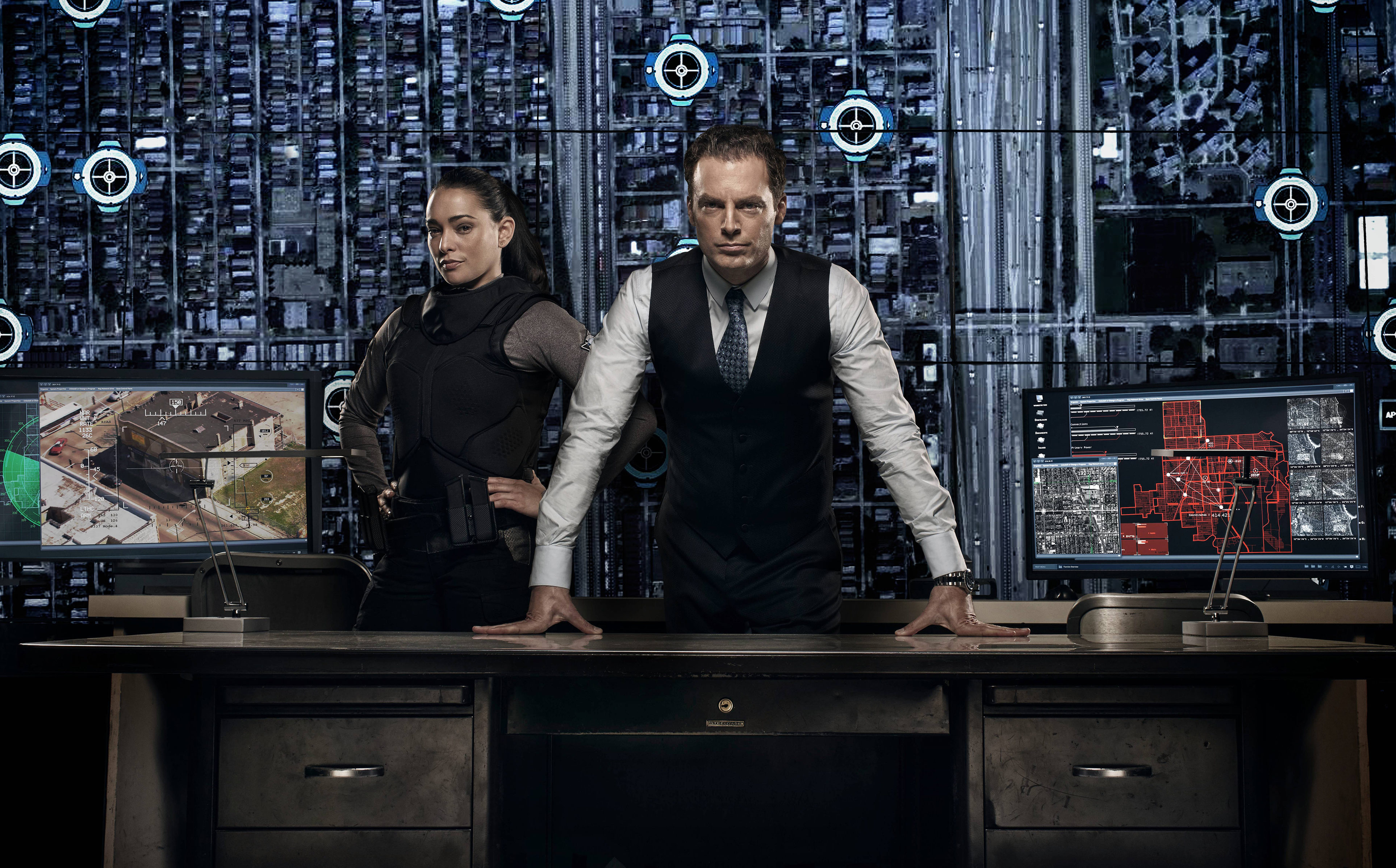
The original iteration of APB (All Points Bulletin) was officially cancelled and its servers shut down on September 16, 2010, following the bankruptcy of its developer, Realtime Worlds. While the intellectual property was subsequently purchased and revived as APB Reloaded, the 2010 "cancellation" remains one of the most significant cautionary tales in the history of massively multiplayer online (MMO) development.
The phrase "APB was cancelled" carries a heavy weight for long-time fans of the "Grand Theft Auto MMO" concept. To understand why a game with a $100 million budget lasted only 79 days in its original form, one must look at the ambitious vision of its creator, the technical hurdles that plagued its development, and the financial mismanagement that eventually led to its collapse. As of 2026, the game continues to exist under the stewardship of Little Orbit, but the scars of its initial failure still define the franchise’s reputation.
The Vision of David Jones and Realtime Worlds
To understand the cancellation of the original APB, we must look at the pedigree of its creator. Realtime Worlds was founded by David Jones, the visionary behind the original Grand Theft Auto and Lemmings. The goal for APB was staggering in scope: a persistent, urban open-world where thousands of players would choose between being "Enforcers" or "Criminals."
Unlike traditional MMOs of the time, such as World of Warcraft, APB was designed to be purely skill-based. There were no "levels" that granted statistical advantages in combat. Instead, players relied on their twitch reflexes and tactical positioning. The game also featured a customization engine that, even by 2026 standards, remains one of the most robust ever created. Players could design their own clothing, tattoos, vehicle liveries, and even compose their own "death themes" that would play when they defeated an opponent.
However, this level of ambition required an enormous financial investment. By the time the game launched in June 2010, it was reported that over $100 million had been spent on development. This put immense pressure on the game to be an immediate, massive success.
The 79-Day Lifecycle: From Launch to Shutdown
The original APB launched in late June 2010 to a mix of curiosity and skepticism. The game’s primary problem was not its concept, but its execution. Players found the shooting mechanics to be clunky compared to dedicated shooters like Call of Duty, and the driving physics were often criticized as floaty and unpredictable.
Furthermore, the monetization model was confusing. Realtime Worlds opted for a "pay-for-play-time" model where players purchased blocks of hours to spend in the action districts, or they could pay for a traditional monthly subscription. This barrier to entry, combined with a lack of "end-game" content, led to a rapid decline in the player base within the first month.
By August 2010, the situation turned dire. Realtime Worlds entered administration (a form of bankruptcy in the UK), putting hundreds of jobs at risk at their Dundee, Scotland headquarters. On September 16, 2010, less than three months after launch, the servers were turned off. The message "APB was cancelled" became a reality, leaving those who had purchased the game with a useless piece of software and many unanswered questions.
Why Was the Original APB Cancelled? Key Factors
Several critical failures contributed to the 2010 collapse. While the bankruptcy of Realtime Worlds was the immediate cause, the underlying issues were multifaceted:
- Astronomical Development Costs: The $100 million price tag meant the game needed millions of active subscribers to break even. In 2010, the market for subscription-based MMOs was already beginning to shrink in favor of free-to-play models.
- Lack of Critical Polish: Despite years of development, the game launched with significant bugs and balance issues. The "matchmaking" system frequently pitted new players against highly geared veterans, leading to frustration and high churn rates.
- Review Embargoes and Negative Press: Realtime Worlds famously placed a week-long embargo on reviews after the game launched. This led to a lack of professional coverage at launch, and when reviews finally arrived, they were largely negative, discouraging potential new players.
- Inefficient Infrastructure: Maintaining the servers for a high-fidelity, physics-heavy action MMO was incredibly expensive. When the player numbers dropped below sustainable levels, the cost of keeping the lights on became untenable for a company in financial distress.
The Resurrection: K2 Network and APB Reloaded
In November 2010, just months after the cancellation, it was announced that K2 Network (operating under the brand GamersFirst) had purchased the assets of APB for roughly £1.5 million—a fraction of the original development cost.
K2 Network recognized that the core assets of the game—the world, the customization, and the unique Enforcer vs. Criminal dynamic—were still valuable. They rebranded the game as APB Reloaded and shifted to a free-to-play model. This transition was the first step in proving that while the company was cancelled, the game had a dedicated cult following that refused to let it die.
Under GamersFirst, the game saw a resurgence. It launched on Steam in 2011 and consistently remained among the platform's most-played free-to-play titles for several years. However, the game struggled with a persistent problem: the aging Unreal Engine 3 architecture it was built on.
Little Orbit and the Modern Era (2018–2026)
In May 2018, the game changed hands again. Little Orbit, a publisher known for its hands-on approach with community-driven projects, acquired the game from GamersFirst. Since then, the narrative of "APB being cancelled" has shifted to a narrative of "APB being rebuilt."
Under CEO Matt Scott, Little Orbit embarked on a massive technical overhaul. The primary goal was to upgrade the game from its outdated, highly customized version of Unreal Engine 3 to a more modern 64-bit architecture. This process proved to be more difficult than anticipated because much of the original source code from 2010 was poorly documented or "spaghetti code."
As we stand in 2026, the game is no longer the broken mess it was in 2010. While it remains a niche title, it has survived longer than many of its more polished competitors.
Comparing APB (2010) vs. APB Reloaded (2026)
| Feature | APB (Original 2010) | APB Reloaded (2026 Status) |
|---|---|---|
| Developer | Realtime Worlds | Little Orbit |
| Monetization | Subscription / Hourly Fee | Free-to-Play / Battle Pass |
| Engine | Unreal Engine 3 (32-bit) | Unreal Engine 3.5+ (64-bit) |
| Platform | PC Only | PC, PlayStation, Xbox |
| Customization | Industry-leading | Expanded with modern assets |
| Player Base | Rapidly declining (2010) | Stable, niche community |
| Server Status | Shut down (September 2010) | Active and Operational |
Technical Requirements and Accessibility in 2026
For players looking to revisit the game in 2026, the technical requirements have shifted significantly from the 2010 era. The 64-bit upgrade implemented by Little Orbit means that the game now utilizes modern hardware more efficiently, though it still retains the aesthetic of its original launch.
Current System Recommendations
- Operating System: Windows 10/11 (64-bit required).
- Processor: Intel Core i5-9600K or AMD Ryzen 5 3600.
- Memory: 16 GB RAM.
- Graphics: NVIDIA GeForce GTX 1660 Ti or AMD Radeon RX 5600 XT.
- Storage: 50 GB available space (SSD highly recommended).
One of the major hurdles for the game in recent years has been the status of its console versions. While APB Reloaded was released on Xbox One and PlayStation 4, these versions often lagged behind the PC version in terms of updates and performance. In 2026, the focus remains primarily on the PC experience, where the engine upgrades are most prominent.
Why the "Cancelled" Rumors Persist
Despite being active for over a decade since its resurrection, rumors that "APB was cancelled" or "APB is shutting down" appear frequently in gaming forums. This is due to a few recurring factors:
- Infrequent Content Updates: Because Little Orbit is a relatively small team focusing on deep technical fixes (like the engine upgrade), new gameplay content—such as new districts or missions—comes slowly. This leads players to believe the game is in "maintenance mode."
- Cheating and Fair Play: Like many older competitive shooters, APB has struggled with aimbots and wallhacks. While Little Orbit has implemented various anti-cheat measures (including Easy Anti-Cheat), high-profile cheating waves can lead to community frustration and claims that the game is "dead."
- The Original Legacy: The 2010 shutdown was such a high-profile failure that it remains the most famous thing about the brand. Many gamers who don't follow the MMO niche assume the game stayed dead after 2010.
Alternatives and Similar Games
If you are looking for the "urban open-world chaos" that APB promised but find the 2026 version too aged, there are several alternatives that have attempted to fill the void:
- Grand Theft Auto Online: The most obvious successor. While it lacks the deep character and clothing customization of APB, its scale and mission variety are unmatched.
- Saints Row (Series): Offers high levels of customization and urban combat, though it is primarily a single-player or co-op experience rather than a massive MMO.
- The Division 2: While it is a "cover-shooter" rather than a "GTA-style" game, its focus on urban combat and faction-based zones (The Dark Zone) scratches a similar itch for tactical play.
Frequently Asked Questions
Can I still play the original APB from 2010?
No. The original servers operated by Realtime Worlds were permanently shut down in September 2010. All player data from that era was lost. If you have an original physical disc of the game, it is essentially a collector's item and cannot be used to play the current game.
Is APB Reloaded the same game as the one that was cancelled?
Yes and no. It uses the same assets, maps, and core mechanics as the original game, but the monetization, progression systems, and underlying code have been significantly altered. APB Reloaded is a "Free-to-Play" evolution of the 2010 original.
Why did Realtime Worlds go bankrupt?
The primary reason was the "burn rate" of their capital. They spent approximately $100 million on APB and another project (Project MyWorld) without generating sufficient revenue to cover their operational costs. When APB failed to gain immediate traction at launch, their investors stopped providing funding.
Will there ever be an APB 2?
As of 2026, there is no official announcement regarding a sequel. Little Orbit has focused entirely on modernizing the existing APB Reloaded codebase. Given the immense cost of developing a modern open-world MMO, a direct sequel is unlikely in the near future unless a major publisher provides significant backing.
Is APB Reloaded pay-to-win in 2026?
This is a point of constant debate. While the game sells weapons and upgrades for real money, many of the "top-tier" items can be earned through gameplay or are side-grades rather than direct power increases. However, the advantage of having specialized weapon mods cannot be entirely ignored.
Next Steps for Players
If you are interested in seeing what happened to the game after it was "cancelled," the best course of action is to download APB Reloaded via Steam or the official Little Orbit website.
Before diving in, it is recommended to join the official Discord or community forums. Because the game has a very high skill ceiling and a veteran player base, new players often find the initial experience challenging. Seeking out a "Clan" or "Group" can provide the necessary guidance to navigate the complex customization and tactical combat that has kept this game alive for 16 years against all odds.