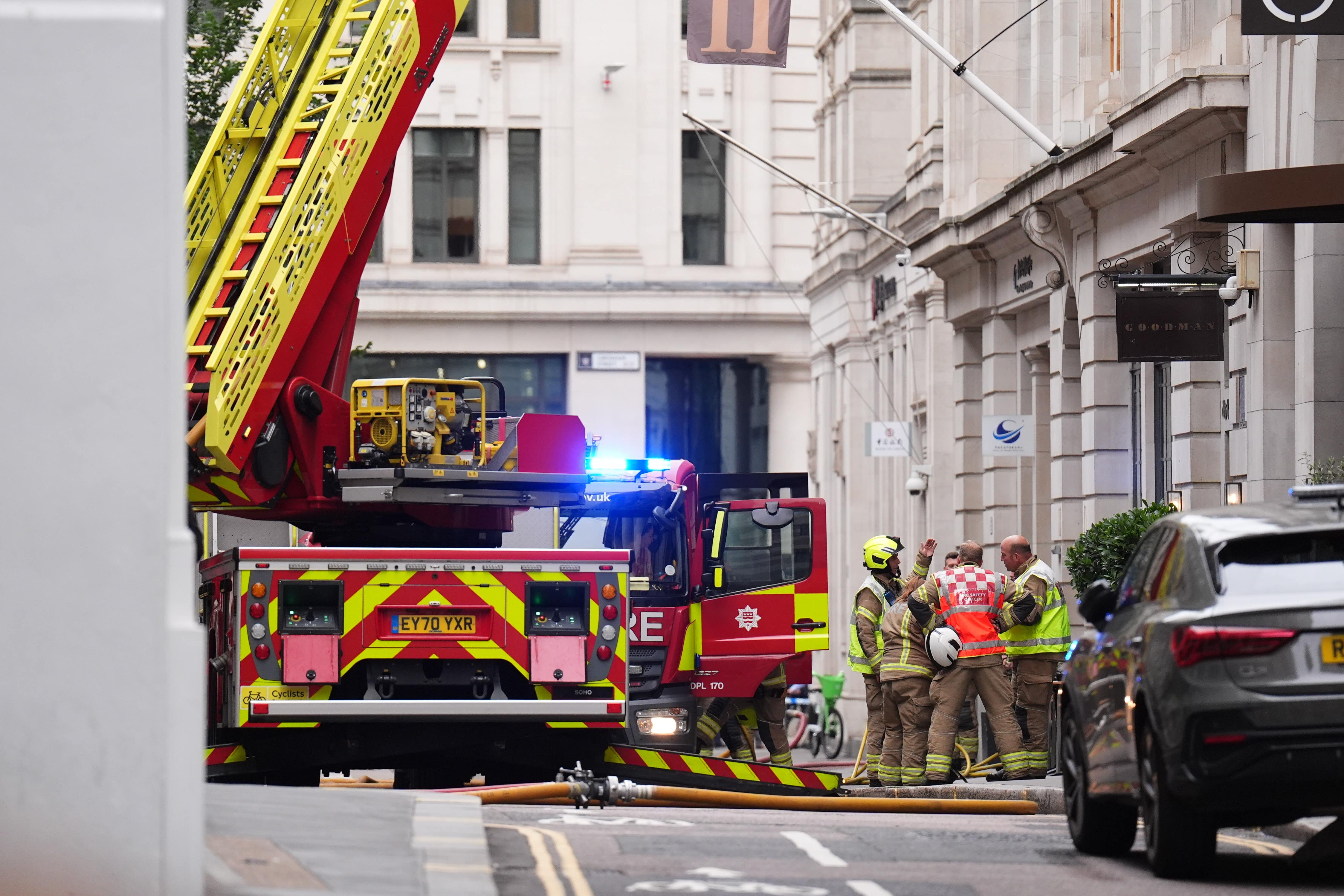
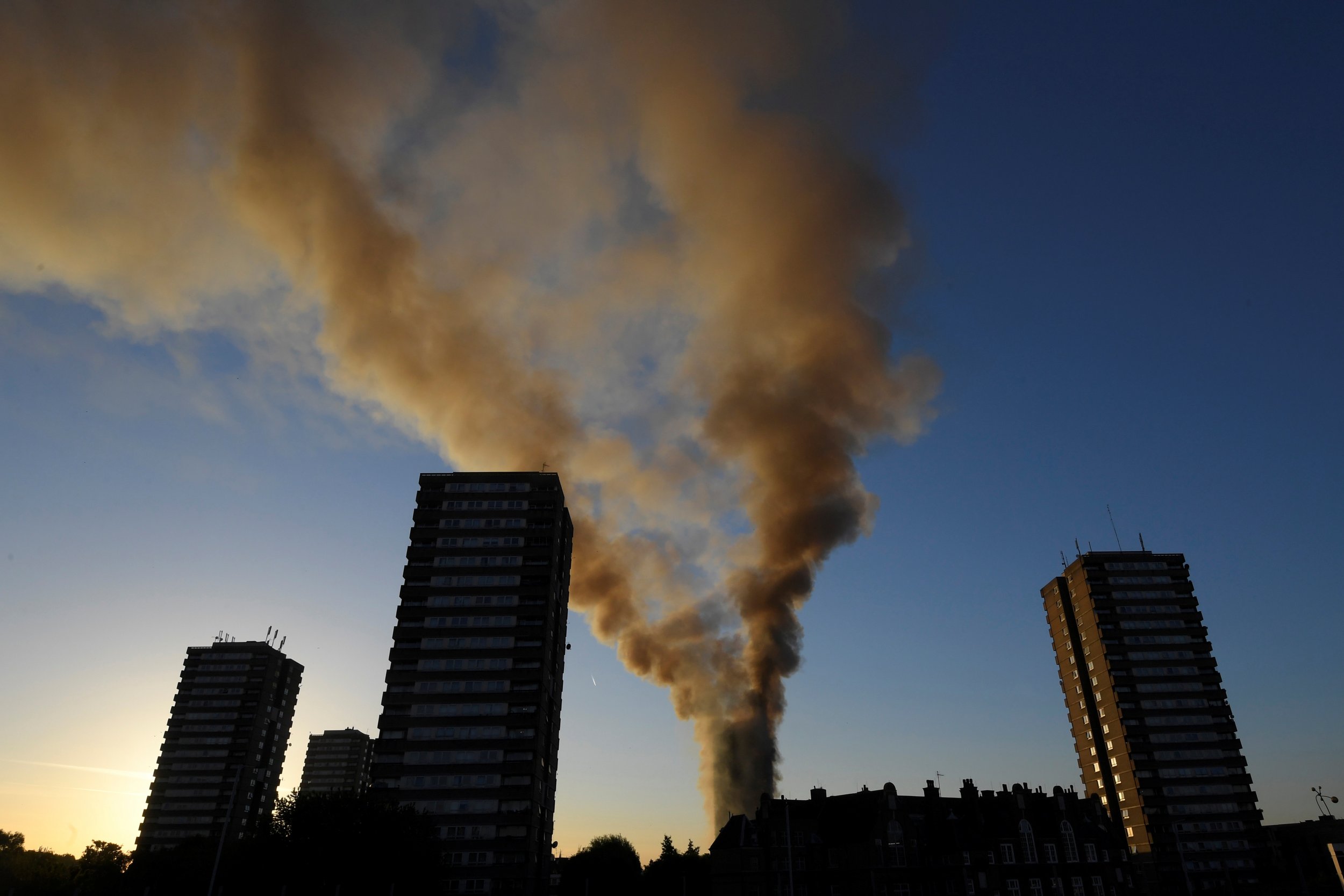
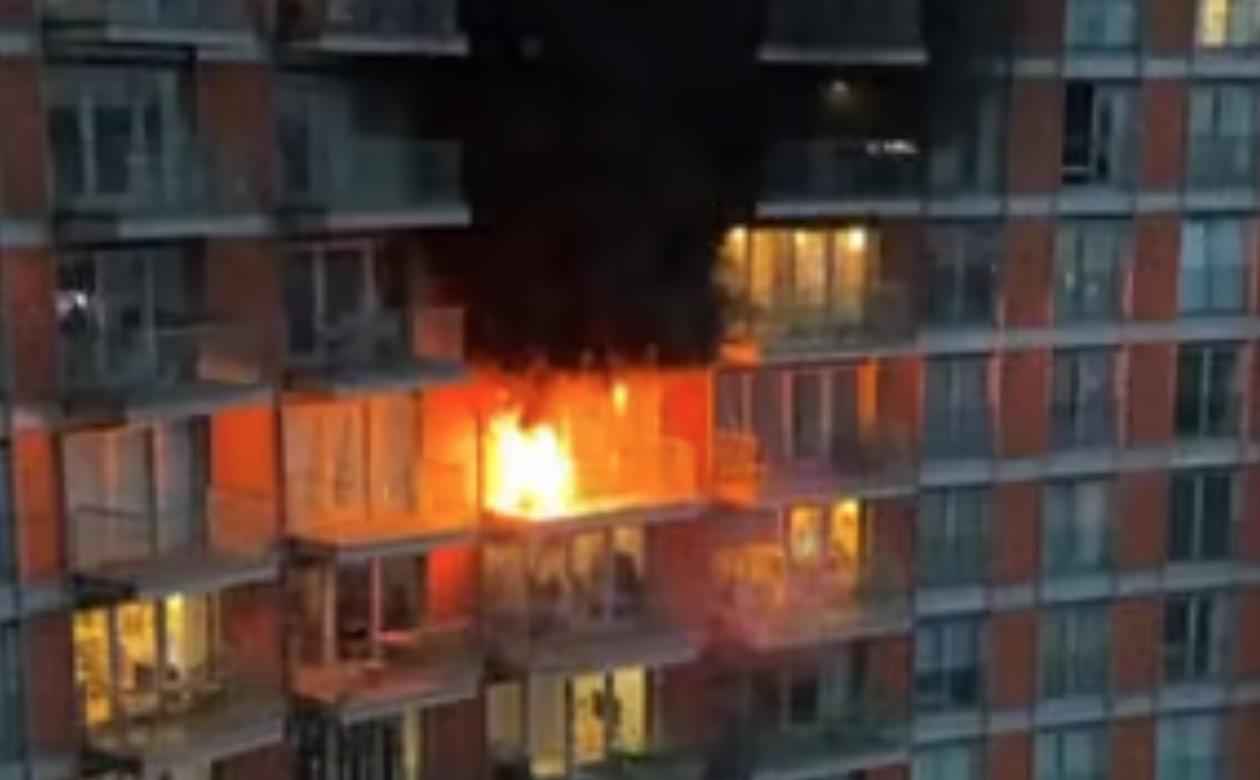
In 2026, navigating the complexities of apartment fire safety in London requires an understanding of rigorous post-Grenfell legislation, the ongoing cladding remediation program, and the specific emergency protocols established by the London Fire Brigade. Whether you are a tenant, leaseholder, or property manager, compliance with the Building Safety Act and the Fire Safety (England) Regulations is the primary mechanism for ensuring life safety in high-rise residential buildings across the capital.
The Evolution of Fire Safety in London’s Residential Sector
The landscape of apartment living in London changed irrevocably following the Grenfell Tower tragedy in 2017. Since then, the UK government and the London Fire Brigade (LFB) have overhauled how multi-storey buildings are constructed, managed, and evacuated. As of 2026, the focus has shifted from reactive measures to a proactive "safety case" regime, where every high-rise residential building (HRRB) must have a designated Principal Accountable Person.
Historically, London’s architectural diversity—ranging from Victorian conversions to brutalist concrete blocks and modern glass towers—presented unique challenges for fire containment. The primary lesson learned from recent decades is that "compartmentation" (the ability of a flat to contain a fire for a set period) is only effective if the external wall system and internal fire doors are maintained to exacting standards.
In the current 2026 environment, fire safety is no longer just about smoke alarms; it involves a digital "Golden Thread" of information that tracks a building’s safety data from design through occupation. This ensures that when an apartment fire occurs, the LFB has immediate access to floor plans and material risks via secure premises information boxes.
Legislative Framework: The Building Safety Act and Beyond
Understanding the legalities of fire safety in London is essential for residents who need to hold their landlords or building owners accountable. Two primary pieces of legislation govern current standards:
The Fire Safety Act 2021
This act clarified that for any building containing two or more sets of domestic premises, the Fire Safety Order applies to the building’s structure, external walls (including cladding, balconies, and windows), and all individual flat entrance doors. This closed a previous loophole where entrance doors were often neglected in fire risk assessments.
The Building Safety Act 2022
This landmark legislation created the Building Safety Regulator (BSR) under the Health and Safety Executive (HSE). By 2026, all residential buildings in London over 18 metres (or seven storeys) must be registered with the BSR. The Act introduces the concept of "Accountable Persons" who are legally responsible for assessing and managing building safety risks.
For London residents, this means you are entitled to see the "Resident Engagement Strategy" for your building. This document must outline how the building owner will share safety information and how residents can participate in safety decisions.
Understanding Cladding and the EWS1 Process in 2026
The presence of combustible cladding remains a significant concern for thousands of Londoners. The External Wall System (EWS1) survey was developed to provide a standardized way for surveyors to assess the safety of a building’s facade.
While significant progress has been made in cladding remediation by 2026, many mid-rise buildings (between 11 and 18 metres) are still undergoing assessment. The "Cladding Safety Scheme" provides funding for the removal of dangerous materials, but the process often impacts property valuations and insurance premiums.
If you are living in a London apartment with known cladding issues, your building may be subject to "Simultaneous Evacuation" protocols rather than the traditional "Stay Put" policy. This usually involves a waking watch (fire marshals patrolling 24/7) or the installation of a common fire alarm system linked across all flats.
The London Fire Brigade’s "Stay Put" vs. Evacuation Advice
One of the most misunderstood aspects of London apartment fires is the "Stay Put" policy. In 2026, the London Fire Brigade continues to emphasize that this policy is only appropriate for buildings that are designed and maintained to support compartmentation.
How "Stay Put" Works
If a fire breaks out in a different part of the building, the walls, floors, and doors of your flat are designed to provide at least 30 to 60 minutes of protection. This allows the LFB to tackle the fire without the stairwells becoming congested with evacuating residents, which could hinder firefighting operations.
When to Evacuate
You must evacuate immediately if:
- The fire is inside your own apartment.
- The communal fire alarm (if present) sounds continuously.
- You are instructed to leave by the London Fire Brigade or a uniformed fire marshal.
- The building’s policy has been officially changed to "Simultaneous Evacuation" due to safety defects.
The LFB has updated its operational tactics significantly. In high-rise incidents, they now utilize "firefighting lifts" and "dry risers" (internal pipes that allow water to be pumped to upper floors) more efficiently through enhanced training and real-time building data.
Essential Fire Safety Features in London Apartments
A modern or compliant London apartment should contain several layers of protection. In 2026, these are not just recommendations but legal requirements for landlords and developers.
| Feature | Requirement / Standard | Responsibility |
|---|---|---|
| Fire Doors | Must be FD30S or FD60S (30/60 min fire & smoke resistance). | Landlord/Building Owner |
| Smoke Alarms | At least one on every storey; interconnected if possible. | Tenant (Testing) / Landlord (Install) |
| External Walls | Non-combustible materials for buildings >18m. | Building Owner |
| Premises Info Box | Secure box containing floor plans for the LFB. | Building Owner (Principal Accountable Person) |
| Dry/Wet Risers | Must be inspected and clear of obstructions. | Building Management |
| Fire Dampers | Prevent fire spread through ventilation ducts. | Building Management |
The Critical Role of Fire Doors
In an apartment fire, the front door of the flat where the fire starts is the most important piece of safety equipment. Under the Fire Safety (England) Regulations, landlords of buildings over 11 metres must perform annual checks on flat entrance doors and quarterly checks on all fire doors in communal areas. A compliant fire door must have:
- Intumescent seals: These expand when heated to seal the gap between the door and the frame.
- Self-closing mechanisms: The door must shut firmly into the frame from any angle.
- Correct gaps: The gap between the door and the frame should generally not exceed 3-4mm.
Practical Steps: What to Do During an Apartment Fire
If a fire occurs in your London apartment or building, follow these verified steps to ensure your safety and the safety of others.
If the Fire is in Your Flat
- Alert Everyone: Shout to alert other occupants in your home.
- Get Out: Leave immediately. Do not stop to collect valuables or pets if they are not immediately reachable.
- Close Doors: As you leave, close every door behind you, especially the front door of the flat. This helps contain the fire and smoke.
- Do Not Use the Lift: Always use the stairs. Lifts can fail or become smoke-filled traps during a fire.
- Call 999: Once you are in a safe place outside the building, call the emergency services.
If You Are Trapped
- Find a "Safe Room": If you cannot exit due to smoke in the hallway, move to a room with a window and a door.
- Seal the Door: Use bedding, towels, or clothing (preferably wet) to block the gap at the bottom of the door to keep smoke out.
- Signal for Help: Open the window and call 999 to give your exact location (flat number and floor). Hang a piece of clothing or a sheet out of the window to attract attention.
- Stay Low: Smoke rises. If the room fills with smoke, the cleanest air will be near the floor.
Resident Responsibilities and Prevention
While the legal onus is on the building owner (the "Responsible Person"), residents play a vital role in preventing apartment fires in London’s high-density environment.
- Communal Areas: Never leave items like bicycles, strollers, or rubbish in hallways or stairwells. These are "sterile" escape routes and must remain completely clear of combustible material and trip hazards.
- Balcony Safety: In London, many fires are started by discarded cigarettes or barbecues on balconies. Never use a barbecue on a balcony, and ensure all smoking materials are extinguished in water.
- Electrical Safety: Avoid overloading sockets and using "daisy-chained" extension leads. Given the prevalence of e-bikes and e-scooters in London, only charge lithium-ion batteries using original chargers and never charge them in escape routes (like hallways).
- Testing Alarms: Test your smoke alarms at least once a month. If the alarm chirps, the battery needs replacing or the unit has reached its end-of-life (usually 10 years).
Navigating Insurance and Costs in 2026
The cost of fire safety has become a major talking point for London leaseholders. While the Building Safety Act 2022 protects most qualifying leaseholders from the costs of removing dangerous cladding, other "non-cladding" costs (such as fire door replacements or internal compartmentation repairs) may still be passed on through service charges, though these are now capped by law.
Building insurance premiums for London apartments have fluctuated as the market adjusts to the new safety data. It is essential to ensure your contents insurance is valid and that you have disclosed the building’s current fire safety status to your provider. Failure to do so could result in a claim being denied after an incident.
Frequently Asked Questions
What is an EWS1 form and do I need one?
An EWS1 (External Wall System) form is a document used by mortgage lenders to assess the safety of a building’s outer walls. Not every building needs one. As of 2026, they are primarily required for buildings over 18 metres or those between 11-18 metres with specific risk factors like combustible balconies or significant cladding. If you are selling or remortgaging an apartment in London, your solicitor will likely request this from the building manager.
Can my landlord charge me for fire safety upgrades?
Under the Building Safety Act 2022, "qualifying leaseholders" (those in buildings over 11m who live in the flat as their principal home or own no more than three UK properties) are protected from the costs of cladding remediation. For other safety defects, there are legal caps on how much a landlord can charge over a five-year period. Social housing tenants are generally not charged for these upgrades.
Why doesn’t my London apartment building have a central fire alarm?
Most purpose-built apartment blocks in London are designed for "Stay Put" protocols, meaning they rely on compartmentation rather than a building-wide alarm. In these buildings, a central alarm might cause unnecessary evacuation and congestion. Central alarms are usually only retrofitted if the building’s structure is found to be incapable of containing a fire (e.g., due to cladding).
What should I do if I think my building is unsafe?
If you have concerns about fire doors, blocked exits, or combustible materials, you should first contact your landlord or managing agent in writing. If they do not resolve the issue, you can report the hazard to the London Fire Brigade’s fire safety department or the Building Safety Regulator (HSE). Residents in London also have the right to request a copy of the most recent Fire Risk Assessment (FRA) for their building.
Are e-bikes allowed in London apartments?
There is no city-wide ban on e-bikes in apartments, but many private landlords and housing associations have introduced specific policies. The London Fire Brigade has issued urgent warnings regarding lithium-ion battery fires. If you own an e-bike, you should store and charge it away from exit routes and never leave it charging overnight or while you are out.
Next Steps for London Residents
To ensure your ongoing safety in a London apartment, your immediate next action should be to verify your building's evacuation policy. This information is typically found on a "Fire Action Notice" posted in the communal entrance or near the lifts. Once you know whether your building is "Stay Put" or "Simultaneous Evacuation," conduct a personal fire drill: identify your primary and secondary escape routes, ensure your window locks work (but keys are accessible), and check that your front door closes and latches automatically. Staying informed via the London Fire Brigade's official website and the Building Safety Regulator will provide you with the latest updates on safety standards and resident rights in the capital.