In the 2012 film adaptation of Les Misérables, Anne Hathaway did not play the character of Cosette; rather, she delivered a career-defining, Academy Award-winning performance as Fantine, Cosette’s mother. While Amanda Seyfried portrayed the adult Cosette, Hathaway’s brief but visceral appearance as Fantine remains the emotional and critical center of the production.
The Distinction Between Fantine and Cosette in the 2012 Film
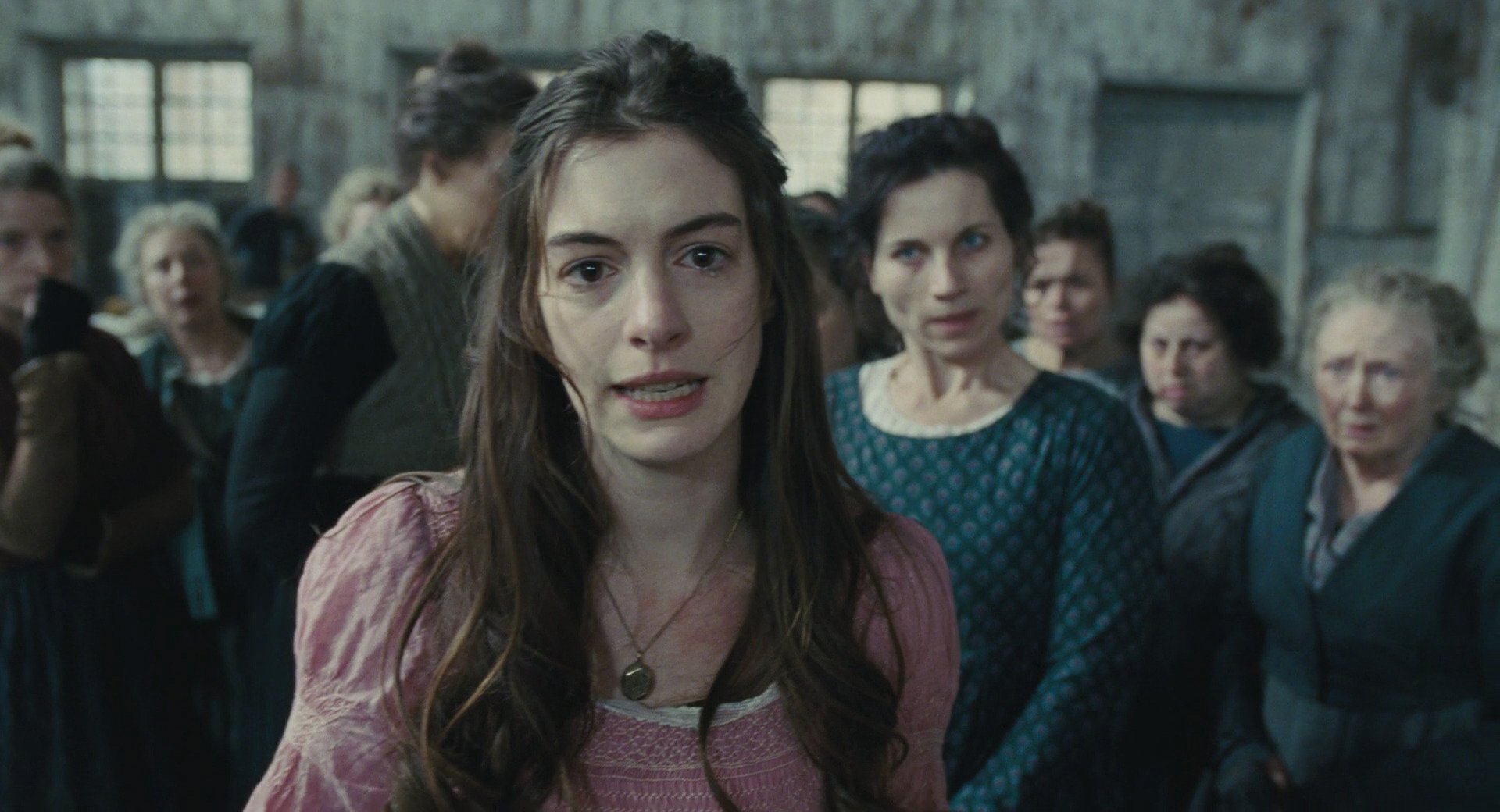
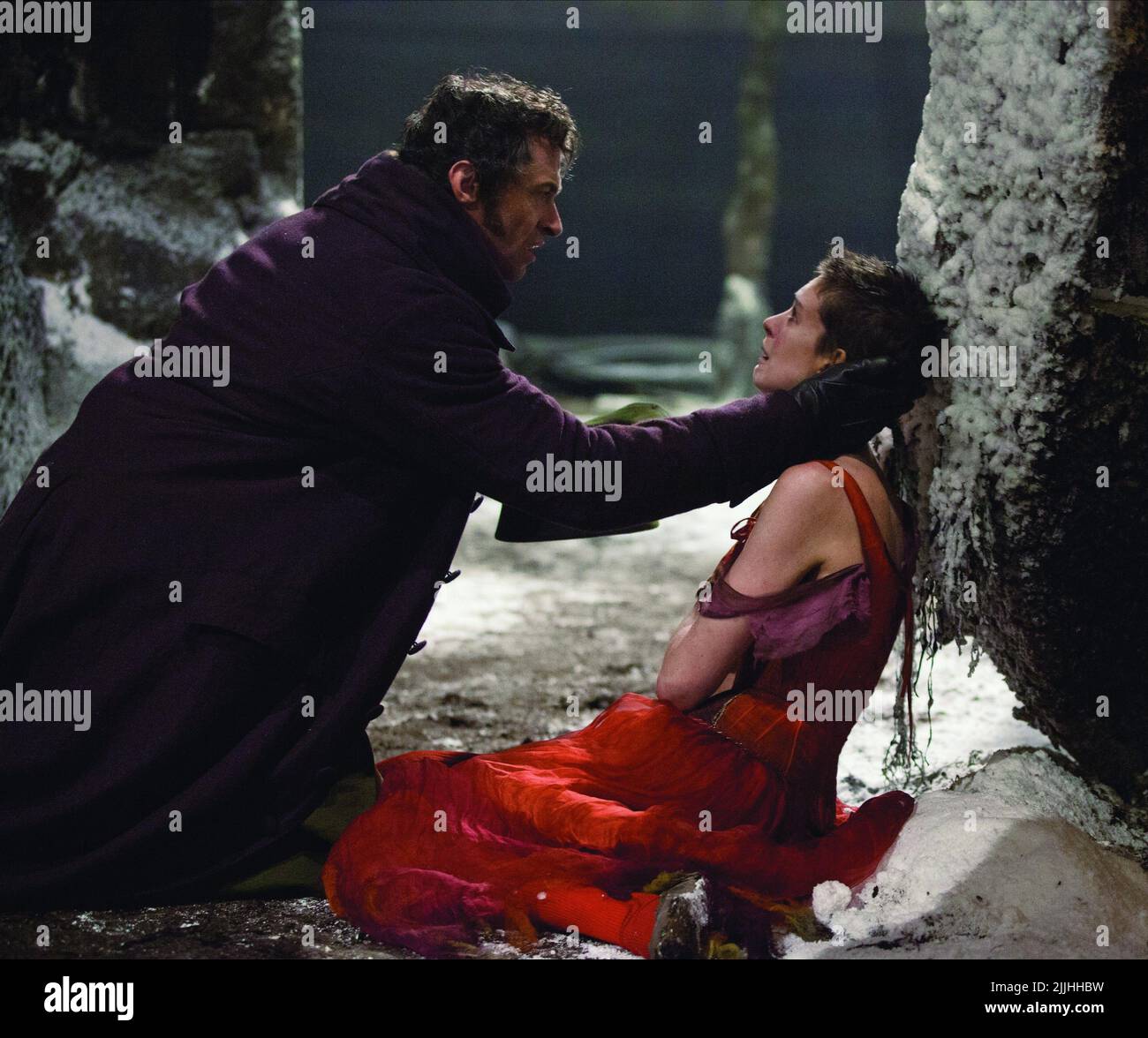
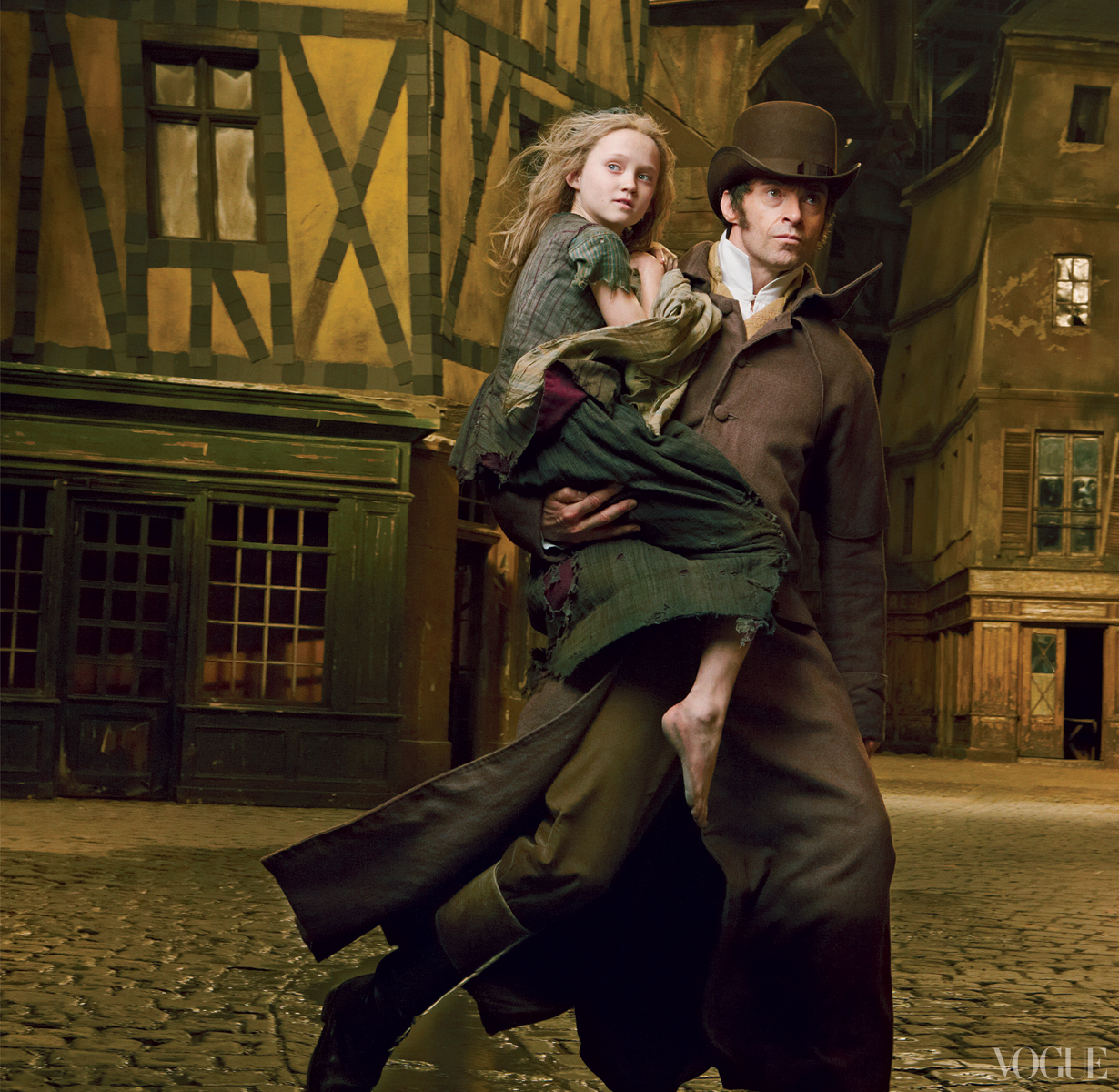
To understand the impact of Anne Hathaway in Les Misérables, one must first clarify the narrative relationship between the characters. The search for "Anne Hathaway as Cosette" is a common misidentification, likely arising from the deep thematic link between the two characters. Fantine is the tragic factory worker who descends into poverty and prostitution to fund the care of her daughter, Cosette. In the structure of Victor Hugo’s story, Fantine represents the catalyst for Jean Valjean’s redemption; his promise to the dying Fantine to protect her child drives the remainder of the plot.
While Amanda Seyfried played the adult Cosette and Isabelle Allen played the young Cosette, Hathaway’s portrayal of Fantine provided the film with its most iconic moments. As of 2026, film historians and critics continue to cite Hathaway’s performance as a benchmark for the "suffering heroine" archetype in musical cinema. Her role is relatively short in terms of screen time—roughly 15 to 20 minutes—yet its intensity dictated the tone for the entire three-hour epic.
The Physical and Emotional Preparation for the Role
Anne Hathaway’s dedication to the role of Fantine in the 2012 production was extensive and documented as one of the more extreme examples of method-adjacent preparation in modern musical film. To authentically depict Fantine’s decline from a hopeful mother to a dying woman on the fringes of society, Hathaway underwent significant physical transformations.
Weight Loss and Dietary Restrictions
Hathaway famously lost approximately 25 pounds for the role. This was achieved through a strictly monitored and increasingly restrictive diet, which she later described as "near-starvation." The goal was to look "near death" to match the historical reality of tuberculosis and malnutrition described in Hugo’s novel. This commitment was not merely for aesthetics; it informed the fragility of her vocal performance, allowing for a breathy, exhausted quality that resonated with the character’s desperation.
The On-Screen Haircut
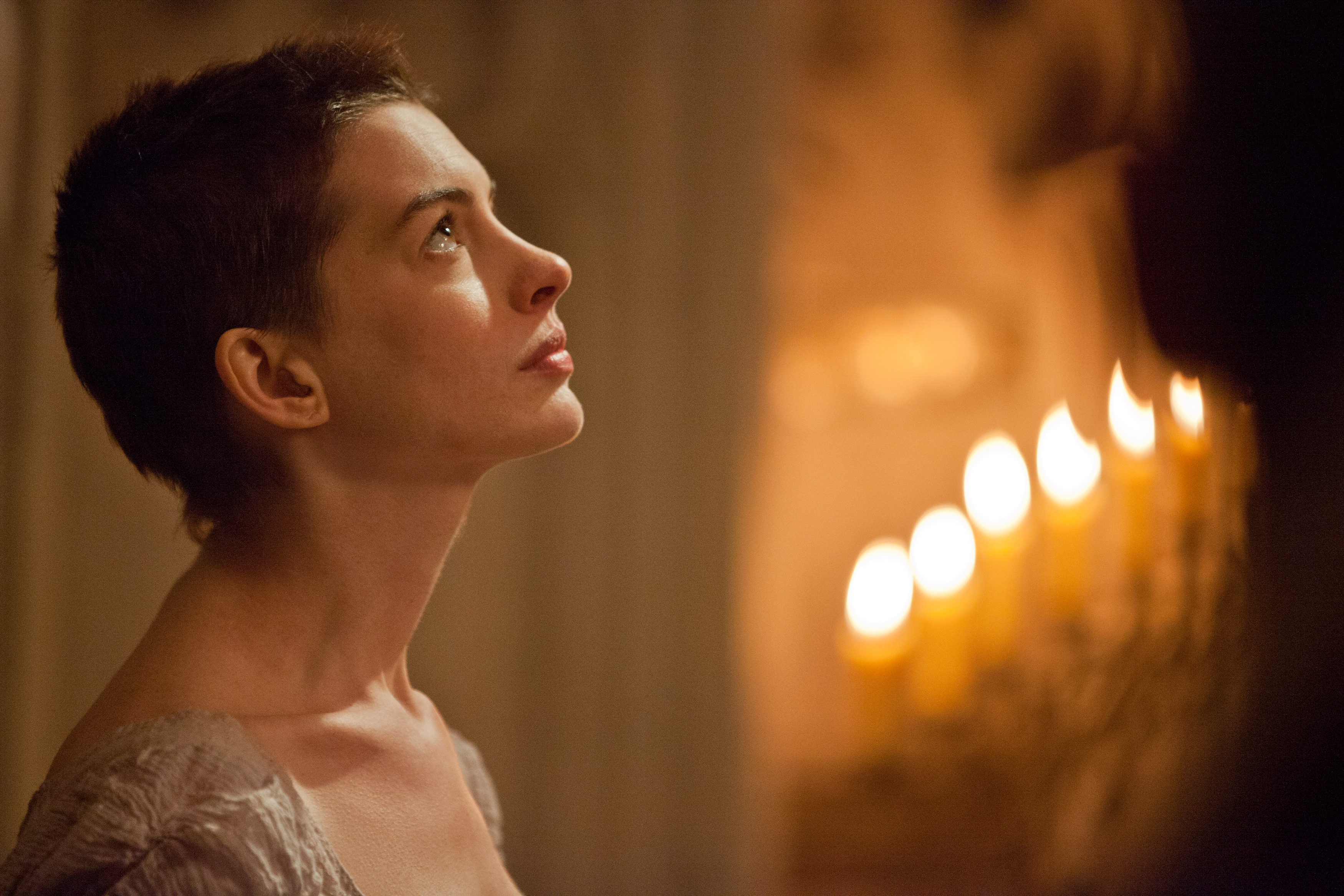
In one of the film’s most harrowing sequences, Fantine sells her hair to a local trader. Unlike many productions that utilize wigs or "bald caps," Hathaway insisted on having her actual hair cut on camera in a single, unsimulated take. This choice added a layer of genuine shock and vulnerability to the scene. The ragged, uneven result remained her hairstyle throughout the subsequent filming and the ensuing awards season, serving as a constant reminder of the role’s demands.
Revolutionary Technical Achievement: Live Vocal Performance
Perhaps the most significant technical aspect of Anne Hathaway’s performance was the decision by director Tom Hooper to record all vocals live on set. Traditionally, movie musicals rely on "lip-syncing," where actors record their songs in a studio months in advance and then mime to the track during filming.
Hooper felt that this traditional method restricted the actors' emotional range, forcing them to match a pre-set tempo and pitch regardless of the scene's evolving energy. For Les Misérables, the actors wore tiny, flesh-colored earpieces through which they could hear a live pianist playing off-camera. This allowed Hathaway to dictate the pace of her singing, incorporating sobs, pauses, and whispers that would have been impossible to synchronize with a pre-recorded track.
This technical shift was particularly effective for Hathaway. It allowed her to treat the music not as a "song" to be performed, but as a heightened form of dialogue. The result was a raw, unpolished, and deeply human sound that prioritized emotional truth over vocal perfection.
The Anatomy of a Scene: "I Dreamed a Dream"
The centerpiece of Hathaway’s performance is the solo "I Dreamed a Dream." In the stage musical, this song is often performed as a soaring, mid-tempo anthem of lost hope. However, in the 2012 film, it is reimagined as a devastating, intimate breakdown.
The Single-Take Direction
Tom Hooper chose to film the entire song in a single, continuous close-up. By 2026, this shot has become a staple of film school curricula. The camera stays fixed on Hathaway’s face, capturing every micro-expression—the trembling of her lips, the welling of tears, and the moments where her voice nearly fails. Because there are no cuts, the audience cannot look away, creating an intense, claustrophobic empathy with the character.
Lyrical Reinterpretation
Hathaway’s interpretation changed the meaning of several key lyrics. By emphasizing the "dream" as something that has been violently taken rather than just faded, she highlighted the social injustices Fantine faced. This performance moved the song away from its pop-ballad reputation (heightened by various reality TV covers) and returned it to its original context as a cry of social protest.
Critical Reception and the 2013 Awards Season
The industry's response to Hathaway’s portrayal of Fantine was almost universally positive. Her performance was widely considered the frontrunner for the Best Supporting Actress category from the moment the first teaser trailer was released.
| Award Body | Category | Result |
|---|---|---|
| Academy Awards (Oscars) | Best Supporting Actress | Won |
| Golden Globe Awards | Best Supporting Actress – Motion Picture | Won |
| Screen Actors Guild (SAG) | Outstanding Performance by a Female Actor in a Supporting Role | Won |
| BAFTA Awards | Best Supporting Actress | Won |
| Critics' Choice Movie Awards | Best Supporting Actress | Won |
Hathaway’s "clean sweep" of the 2013 awards season was a testament to the undeniable impact of her performance. Critics noted that while the film itself received mixed reviews for its frantic editing and unconventional camerawork, Hathaway’s segment was a flawless marriage of actor and material.
Comparative Analysis: Hathaway vs. Other Interpretations
To fully appreciate Hathaway's contribution, it is useful to compare her portrayal of the Fantine/Cosette lineage with other major adaptations of Les Misérables.
- Patti LuPone (Original London Cast): LuPone’s Fantine was characterized by a powerful, brassy vocal style that set the standard for the stage. While Hathaway lacked LuPone’s vocal power, she traded it for cinematic intimacy.
- Uma Thurman (1998 Non-Musical Film): Thurman played Fantine in the non-musical version opposite Liam Neeson. Without the songs, the character's tragedy is felt through dialogue alone. Hathaway’s version is often considered more visceral because the music allows for an interior monologue that spoken words sometimes miss.
- The 2019 BBC Miniseries: This version (starring Lily Collins as Fantine) returned to the original book's pacing, showing Fantine’s decline over several hours rather than a few scenes. While Collins was praised, Hathaway’s condensed, explosive performance in the 2012 musical remains the more "iconic" visual reference in popular culture.
The 2012 Film's Legacy in 2026
As of 2026, the 2012 Les Misérables is viewed as a pivotal moment in the resurgence of the movie musical. It proved that audiences were willing to engage with "ugly," realistic depictions of classic stories, provided the emotional core was sound.
Hathaway’s performance, specifically, helped bridge the gap between theater fans and general moviegoers. Her win signaled to the industry that musical performances could be as "gritty" and "serious" as any dramatic role. Furthermore, the "live singing" experiment pioneered by this production influenced a generation of filmmakers, leading to a decade of musicals that prioritized live performance over studio polish.
Frequently Asked Questions
Did Anne Hathaway play Cosette in any other version?
No, Anne Hathaway has never played Cosette in a professional capacity. While she is a trained singer and has performed in various theatrical venues, her only association with the Les Misérables franchise is her role as Fantine in the 2012 film. The confusion often arises because she played the mother of Cosette, and the two characters are frequently discussed in the same breath.
How long was Anne Hathaway actually on screen?
Hathaway’s total screen time in the 158-minute film is approximately 15 minutes. Despite this, she is often the first person audiences think of when discussing the movie. This is a classic example of a "supporting" role that carries the weight of a lead performance.
Did she really cut her hair for the movie?
Yes. The scene where Fantine sells her hair was filmed with Hathaway’s real hair being chopped off by an actress playing a hair dealer. Hathaway later mentioned in interviews that the experience was terrifying but necessary for the authenticity of the character’s descent.
Why is her version of "I Dreamed a Dream" so famous?
It is famous because of its raw emotionality and the "one-take" filming technique. Unlike previous versions that were sung with a focus on melody and power, Hathaway’s version focuses on the literal meaning of the lyrics as a woman experiencing a total mental and physical breakdown.
What is the difference between Fantine and Cosette?
Fantine is the mother; she is a tragic figure of the first act who dies of illness and poverty. Cosette is the daughter; she is the "light" of the story who is rescued by Jean Valjean and eventually finds love with Marius. Fantine represents the struggle of the "miserable" (les misérables), while Cosette represents the hope for a better future.
Final Recommendation for Viewers
For those wishing to study Anne Hathaway in Les Misérables, it is highly recommended to view the 2012 film with a high-quality sound system or headphones. Because the vocals were recorded live, the subtle nuances in her breathing and the "cracks" in her voice are essential to the experience. Observing the scene "I Dreamed a Dream" in the context of the preceding factory and "Lovely Ladies" sequences provides the necessary narrative weight to understand why her performance garnered such significant acclaim.