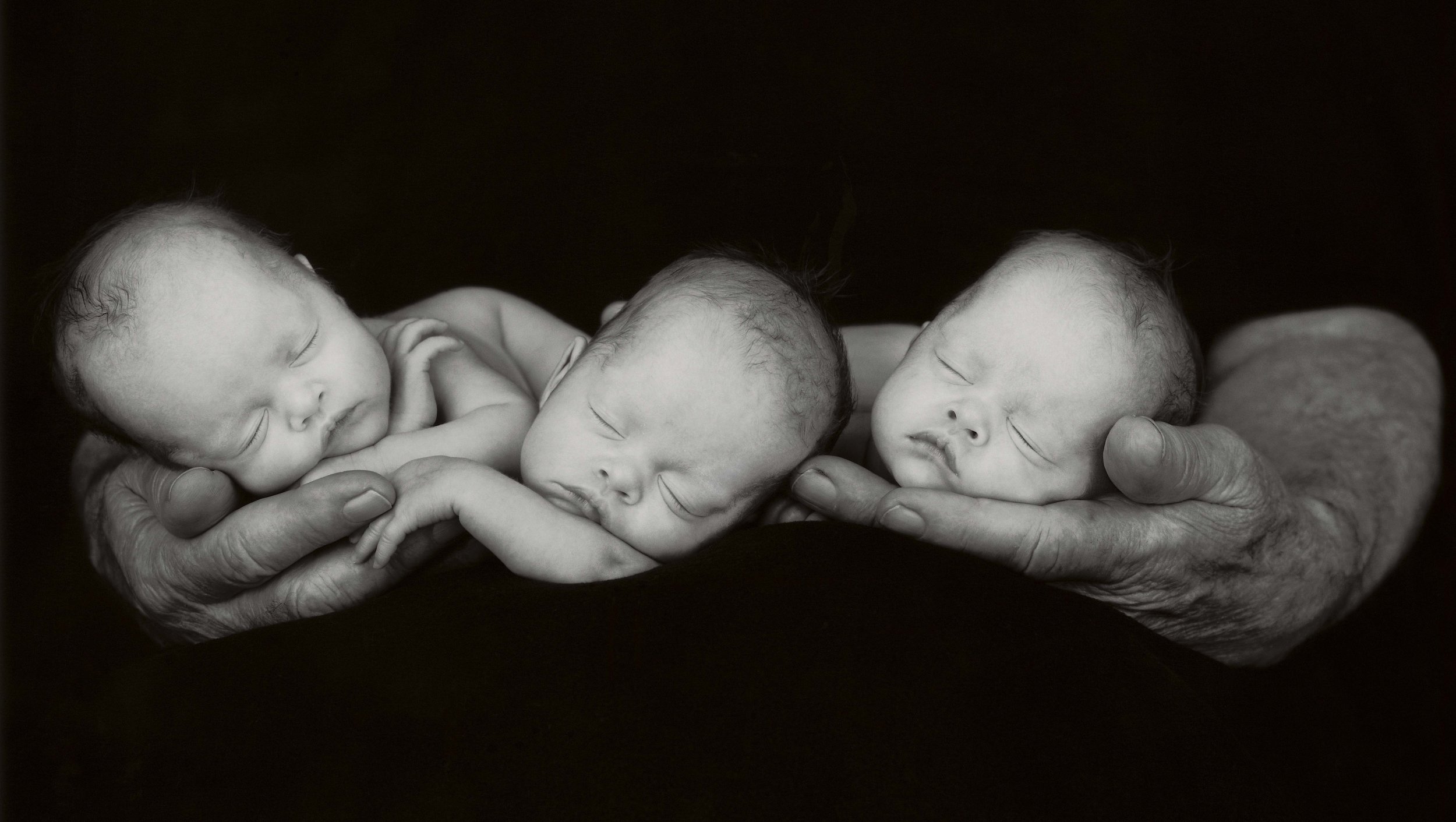
Anne Geddes is a world-renowned Australian-born photographer, author, and philanthropist best known for her iconic, stylized imagery of infants. Emerging as a global phenomenon in the 1990s, she revolutionized the niche of newborn portraiture by placing babies in surreal, nature-inspired settings. Her work continues to influence the photography industry and maternal health advocacy in 2026.
The Formative Years: From Self-Taught Beginnings to Global Recognition
The story of Anne Geddes, the infant photographer, is one of self-taught mastery and a singular vision. Born in Queensland, Australia, in 1956, Geddes did not follow a traditional path through fine arts or photography school. Instead, her fascination with the medium began in her early twenties while living in Hong Kong. Working in television, she found herself increasingly drawn to the still image, particularly the way it could capture a fleeting moment of innocence.
By the early 1980s, Geddes had returned to Australia and eventually moved to New Zealand with her husband and business partner, Kel Geddes. It was during this period that she began to refine her focus. While many studio photographers of the era were producing stiff, formal portraits of families, Geddes sought a more whimsical and emotive approach. She recognized that the purity of a newborn was a universal language. Her early professional work involved private commissions, but her breakthrough occurred when she began experimenting with the conceptual themes that would eventually define her career: babies as flowers, woodland creatures, and celestial beings.
The move to New Zealand proved pivotal. It was here that she established her first studio and began producing the work that would catch the eye of international publishers. By 1992, her first calendar was released, and within a few years, "Anne Geddes" had become a household name, synonymous with a specific aesthetic of soft lighting, organic props, and the profound vulnerability of early life.
Defining the "Geddes Style": Artistic Vision and Theme
The "Geddes Style" is characterized by a unique blend of surrealism and hyper-realism. While the infants themselves are photographed with startling clarity and naturalism, the environments they inhabit are often fantastical. This juxtaposition serves a specific artistic purpose: it highlights the fragility of human life by placing it within the cycles of the natural world.
The Symbolism of Nature
Geddes frequently utilizes botanical elements—cabbages, sunflowers, roses, and toadstools—not merely as cute props, but as symbols of growth, fertility, and the "nurture vs. nature" dichotomy. In her seminal work, Down in the Garden, infants are depicted as part of a vibrant ecosystem. This thematic choice resonated globally because it stripped away cultural and social markers, focusing instead on the biological commonality of birth and infancy.
The Use of Color and Light
Technically, Geddes is known for her mastery of studio lighting. She typically employs soft, diffused light to mimic the gentle glow associated with childhood. Her color palettes are often dictated by the themes of her books. For example, her early monochrome work focused on the texture of skin and the simplicity of form, while her later color series utilized saturated, painterly hues to create a dreamlike atmosphere.
Evolution Toward Minimalism
As her career progressed, Geddes moved toward a more minimalist approach. In series like Until Now and Beginnings, she moved away from elaborate costumes and sets to focus on the raw connection between mother and child, or the intricate details of a newborn’s hands and feet. This shift reflected her maturation as an artist, moving from the whimsical to the profound.
The Technical Mastery Behind the Lens
While the final images appear effortless and serene, the process of being Anne Geddes the infant photographer is one of extreme technical rigor and logistical planning. Newborn photography is arguably one of the most difficult genres of the craft, requiring a blend of patience, safety protocols, and rapid-fire technical execution.
Studio Environment and Safety
Working with subjects who cannot follow directions requires a specialized environment. In the Geddes studio, the temperature is strictly controlled—usually kept significantly warmer than a standard room—to ensure the infants remain comfortable and sleepy while unclothed. Safety is the paramount concern; every prop is vetted for stability, and "spotters" (often the parents or trained assistants) are always within inches of the baby, digitally edited out of the final frame later.
Equipment and Transition to Digital
For the majority of her peak years in the 1990s and early 2000s, Geddes worked with medium and large-format film cameras. The level of detail required for her large-scale books and calendars demanded the high resolution that only film could then provide. However, as digital technology evolved, she transitioned to high-end digital systems, embracing the flexibility of post-production. This allowed for more complex compositing, where a baby could be photographed safely on a flat surface and later "placed" into a high-perched flower or a complex nest in the editing suite.
The "Baby Whisperer" Technique
A significant part of her success is attributed to her ability to handle infants. Geddes has often spoken about the "window of opportunity" when photographing newborns—typically between five and ten days old—when they are most likely to curl into the fetal positions that make her imagery so iconic. Her sessions are timed around feeding and sleep schedules, often taking hours to set up for a shot that might only last for a few seconds of perfect stillness.
Commercial Success and Cultural Impact
Anne Geddes is not just a photographer; she is a global brand. In the mid-1990s, her work triggered a massive commercial boom. Her books, including Down in the Garden, Until Now, and A Labor of Love, have been translated into dozens of languages and sold over 18 million copies worldwide.
| Major Publication | Release Year | Primary Theme | Global Impact |
|---|---|---|---|
| Down in the Garden | 1996 | Infants in botanical settings | New York Times Bestseller; defined the "Geddes look." |
| Until Now | 1998 | Retrospective and new themes | Expanded her work into black-and-white fine art. |
| Pure | 2002 | Minimalism and motherhood | Focused on the raw beauty of newborns without props. |
| Miracle | 2004 | Collaboration with Celine Dion | Merged music and imagery for a multi-sensory experience. |
| Beginnings | 2010 | Nature and the cycle of life | Featured highly conceptual, nest-like imagery. |
Her influence extended into stationery, calendars, and even clothing lines. This commercial ubiquity occasionally led to criticism from the high-art establishment, who sometimes dismissed her work as "kitsch." However, Geddes defended her vision, noting that the emotional response her work elicited from millions of people was a testament to its artistic validity. She paved the way for the modern multi-billion dollar newborn photography industry, providing the blueprint for thousands of photographers who now specialize in this niche.
Advocacy and Philanthropy: Protecting Our Tomorrows
Beyond the studio, Anne Geddes has used her platform to champion maternal and child health. Her philanthropic work is a core pillar of her identity. One of her most significant contributions is her partnership with the March of Dimes, an organization dedicated to the health of mothers and babies.
Meningococcal Disease Awareness
Geddes has been a vocal advocate for meningococcal disease awareness. In her "Protecting Our Tomorrows" campaign, she photographed survivors of the disease—many of whom had suffered limb loss. These images were a departure from her typical newborn work; they were stark, powerful, and designed to show the resilience of the human spirit while emphasizing the importance of vaccination. By humanizing the statistics, she helped drive global conversations about preventative healthcare.
Global Projects
In the 2020s and heading into 2026, her focus has remained on the "Joy" project and various initiatives that celebrate the diversity of the human family. She has worked with various NGOs to document the lives of children in underserved regions, continuing to prove that the image of a child is the most potent tool for eliciting empathy and social change.
Anne Geddes in 2026: The Legacy Continues
As of 2026, Anne Geddes remains an active figure in the creative community. While she has stepped back from the grueling schedule of annual book releases, her influence is felt through digital archives, masterclasses, and retrospective exhibitions. In an era where AI-generated imagery can mimic almost any style, the authenticity of Geddes' work—real babies, real props, and real human connection—has seen a resurgence in appreciation.
She currently operates primarily out of New York, where she continues to work on special projects that align with her advocacy goals. Her social media presence serves as a mentorship platform for aspiring photographers, where she emphasizes the importance of safety and original vision over "copying a trend."
The "Geddes Aesthetic" has evolved. In 2026, her newer works often incorporate more diverse cultural elements and focus on the concept of the "Global Child." Despite the changing technology of the photography world, her core philosophy remains the same: that every child is a miracle and deserves to be protected and celebrated.
Frequently Asked Questions
What kind of camera does Anne Geddes use?
Throughout her career, Anne Geddes has used a variety of high-end equipment. During her most famous period in the 90s, she favored the Hasselblad medium format system for its incredible resolution and clarity. In the modern era, she has moved to high-resolution digital systems, such as the Phase One medium format digital backs, which allow her to capture the minute details of an infant's features with unparalleled precision.
Are the babies in her photos real?
Yes, every baby featured in an Anne Geddes photograph is a real child. While the environments—such as a giant flower or a bird's nest—are often custom-built props or created through sophisticated digital compositing, the infants themselves are never CGI or dolls. The authenticity of the subject's expression and posture is the hallmark of her work.
How does she get the babies to stay still and sleep?
Geddes uses several techniques often referred to as "baby whispering." This includes maintaining a very warm studio temperature (often around 80°F or 27°C) to keep the babies comfortable, using white noise machines to soothe them, and timing the shoots perfectly with their natural sleep cycles. Most importantly, her team includes professional assistants who are experts in infant handling and safety.
Can I hire Anne Geddes to photograph my baby?
Anne Geddes primarily focuses on her own artistic projects, books, and philanthropic campaigns rather than private portrait commissions. While she occasionally takes on special projects, she is not a high-street portrait photographer. However, her work has inspired a global industry of newborn photographers who specialize in the "Geddes-inspired" style.
What is Anne Geddes' net worth in 2026?
While specific financial figures for 2026 are private, Anne Geddes is one of the most commercially successful photographers in history. With over 18 million books sold, global licensing deals for stationery and clothing, and various retrospective projects, her estate and business holdings are substantial, reflecting her status as a titan of the creative industry.
Practical Recommendation: Applying the Geddes Philosophy
For those looking to capture their own newborn imagery or enter the field of professional photography, the "Geddes Approach" offers several timeless lessons:
- Prioritize Safety Above All: Never compromise a baby's safety for a creative shot. If a pose looks precarious, it should always be done as a "composite" (two or more photos merged in editing) with an assistant's hand supporting the baby at all times.
- Focus on Light: You do not need expensive studio strobes to start. Soft, natural light from a large window can replicate the gentle "Geddes glow" if positioned correctly.
- Patience is a Technical Skill: Newborn photography cannot be rushed. Expect a three-hour session to result in only 15 minutes of actual shooting time.
- Find a Singular Theme: What made Geddes famous was her specific "vision" (nature and babies). Rather than copying her, find your own unique way to frame the story of infancy.
To learn more about her current projects and advocacy work, you can visit the Official Anne Geddes Website for updates on her 2026 initiatives and archival collections.