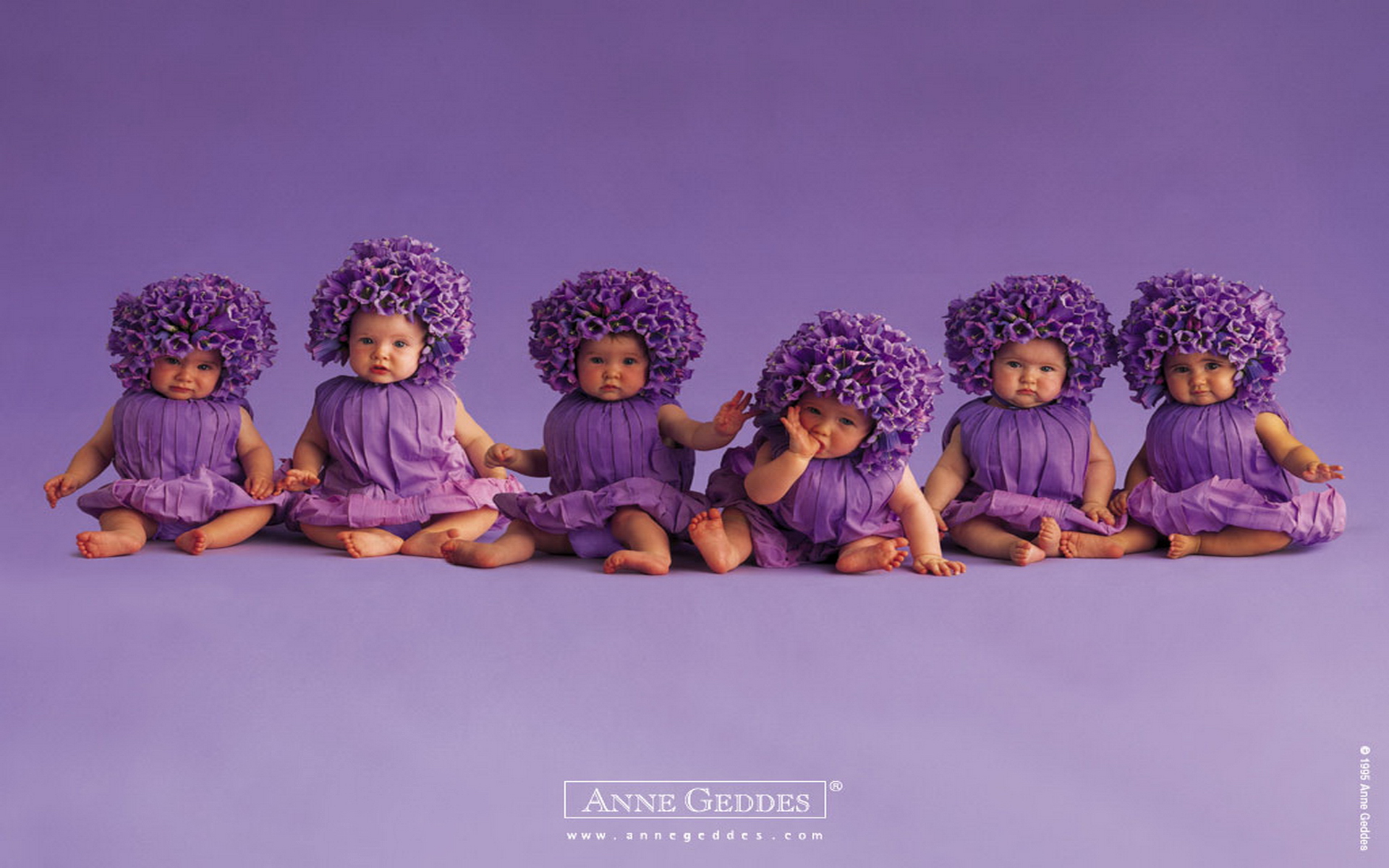
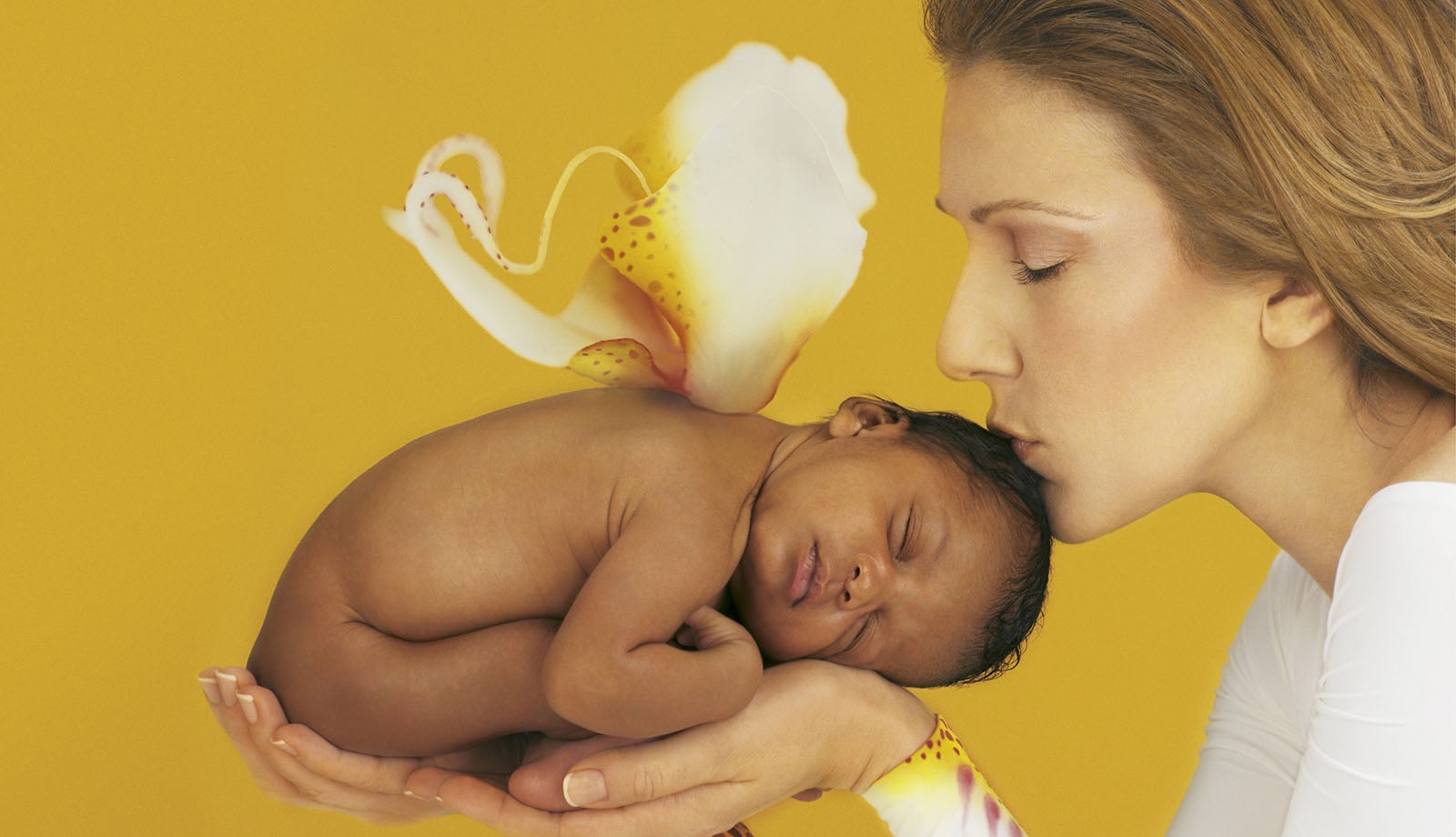
Anne Geddes revolutionized baby photography by transforming traditional infant portraiture into a high-concept, whimsical art form. By placing newborns in stylized, naturalistic settings—such as flower petals, pea pods, or cocoons—she established the "newborn" category as a distinct commercial genre and pioneered the use of elaborate props and thematic storytelling in professional photography.
For decades, the image of a sleeping infant cradled within a vibrant tulip or resting in a bird’s nest has been synonymous with the name Anne Geddes. While her work is often viewed through the lens of nostalgia or greeting card commercialism, her impact on the technical and economic landscape of professional photography is profound. Before the mid-1990s, baby photography was largely confined to rigid, formal studio portraits or candid family snapshots. Geddes fundamentally altered this trajectory, creating a multi-billion dollar industry dedicated to the art of the newborn.
The Pre-Geddes Landscape: Formalism and Function
To understand how Anne Geddes shaped the industry, one must first look at the state of child photography before her emergence. In the mid-20th century, professional portraits of children were dominated by a "school photo" aesthetic. Backdrops were typically mottled canvases in neutral tones, and lighting was high-key and flat. The primary goal was documentation—capturing a clear likeness of the child for the family archives.
Infants were rarely the sole focus of a professional session unless they were old enough to sit up unassisted. The concept of the "newborn session"—photography occurring within the first 14 days of life—simply did not exist as a commercial standard. Because film was expensive and babies were unpredictable, most photographers avoided the logistical challenges of working with subjects who could not follow directions.
Geddes, an Australian-born photographer who moved to New Zealand in the 1980s, began her career doing private commissions. She quickly realized that the most compelling images were those that captured the purity and vulnerability of children. Her shift away from traditional clothing toward "costumed" or "natural" states (often nude or wrapped in textured fabrics) marked the beginning of a departure from 150 years of photographic tradition.
The Aesthetic Revolution: The "Geddes Look"
The defining characteristic of the Anne Geddes style is the integration of humanity with the natural world. This was not merely a choice of "cuteness" but a deliberate artistic statement on the fragility of life and the environment.
Conceptual Artistry
Geddes moved away from the "look at the camera" requirement. In her most famous works, such as those found in her 1996 bestseller Down in the Garden, the babies are often asleep or looking away, integrated entirely into a larger composition. By treating the baby as a central element of a still-life composition rather than a traditional portrait subject, she invited viewers to look at the "idea" of a baby rather than a specific individual.
Texture and Color Palette
Her use of color was revolutionary for the time. While traditional baby photography relied on pastels (blues and pinks), Geddes utilized the rich, saturated colors of nature: the deep greens of cabbage leaves, the vibrant reds of ladybugs, and the earthy browns of nests. This palette gave her work a sophisticated, high-art feel that appealed to adults and collectors, not just parents.
The Role of Props
Perhaps her most lasting contribution is the use of elaborate, custom-made props. Before Geddes, a prop might have been a simple wooden block or a teddy bear. Geddes worked with specialized costume designers and set builders to create oversized flowers, giant shells, and intricate costumes. This established the "prop culture" that now dominates the newborn photography industry, where photographers spend thousands of dollars on hand-knitted wraps, vintage bowls, and miniature furniture.
Commercialization and the Birth of a Global Niche
Anne Geddes was not just a photographer; she was a master of branding and commercial scaling. In the 1990s and early 2000s, she demonstrated that baby photography could be a global commodity.
- Publishing Power: Her books, including Until Now and A World of Children, sold millions of copies in dozens of languages. This global reach standardized the "Geddes aesthetic" across different cultures, making it the aspirational benchmark for parents everywhere.
- Merchandising: By licensing her images for greeting cards (notably with Hallmark), calendars, and clothing, she moved professional photography into the realm of household decor.
- The "Newborn" Economy: Her success created a demand for specialized photography. Seeing the popularity of her work, local studio photographers began offering "Geddes-style" sessions. This led to the creation of specialized training, equipment, and insurance products specifically for newborn photographers—a niche that did not exist in a structured way prior to her influence.
By the early 2000s, the "Geddes effect" had created a roadmap for how a single artist could dominate a demographic niche through consistent styling and aggressive multi-channel marketing.
Technical Innovation in the Studio
While her images look soft and effortless, the technical execution required to produce them was immense. Geddes was a pioneer in studio management and technical precision long before digital post-processing made such tasks easier.
Large Format Precision
In her early career, Geddes often used large-format cameras. This allowed for an incredible level of detail and the ability to print images at a massive scale without losing clarity. This technical choice emphasized the textures of the babies' skin and the intricate details of the natural props, elevating the images from "snapshots" to "gallery art."
Lighting for Innocence
Geddes typically used soft, wrap-around lighting that mimicked natural sunlight filtered through a window. This lighting was crucial for maintaining the "ethereal" quality of her subjects. By avoiding harsh shadows, she preserved the softness of the infants' features, a technique that remains the "gold standard" for newborn lighting in 2026.
The "Baby Whisperer" Method
Working with multiple infants simultaneously—sometimes dozens for a single shot—required a level of patience and studio safety that was unprecedented. Geddes worked with a team of "baby handlers" and ensured studio temperatures were meticulously controlled to keep infants comfortable and asleep. This focus on the physiological needs of the subject during the shoot laid the groundwork for modern safety protocols in the industry.
Comparing Traditional vs. Geddes-Style Photography
The following table highlights the shifts in the industry catalyzed by the Anne Geddes movement:
| Feature | Traditional Portraiture (Pre-Geddes) | Geddes-Influenced Art (Modern Standard) |
|---|---|---|
| Primary Goal | Documenting the child's likeness. | Capturing an artistic or thematic concept. |
| Subject Age | Typically 6 months to 5 years. | Preferably 5 to 14 days (Newborn). |
| Pose | Seated, looking at the lens, smiling. | Curled, sleeping, fetal positions. |
| Background | Painted canvas or household setting. | High-concept sets (Nature, Fantasy, Textures). |
| Clothing | "Sunday Best" or formal wear. | Nude, wraps, or thematic costumes. |
| Lighting | Standard three-point or flat studio flash. | Soft, diffused, "naturalistic" light. |
| Commercial Output | Individual prints for family. | Books, calendars, digital social media assets. |
Safety Standards and the Ethics of the "Newborn" Category
As the Geddes style grew in popularity, the industry faced a new challenge: safety. Replicating the "Geddes look" often involved placing babies in precarious-looking positions or props. It is a little-known fact that many of Geddes' most complex images were composites—multiple photos layered together so that a baby was never actually at risk of falling or being unsupported.
In the mid-2000s and continuing into the 2020s, organizations like the Professional Photographers of America (PPA) and various newborn safety networks began formalizing guidelines that were essentially inspired by the complexity of Geddes’ sets. Today, professional newborn photographers are trained in "composite imaging," where a spotter’s hand is always on the baby and later edited out in software. Geddes’ work forced the industry to mature technically to handle the safety requirements of high-concept infant art.
The Modern Legacy in 2026
Standing in 2026, the influence of Anne Geddes is visible in almost every professional newborn studio worldwide. While modern trends have shifted toward a more "minimalist" or "organic" look—using neutral linens and muted tones—the core tenets remain the same:
- The Sleeping Subject: The preference for sleeping babies, which allows for easier posing and emphasizes "purity," is a direct carryover from her peak era.
- Macro Focus: The "detail shot" (toes, eyelashes, fingernails) was a staple of Geddes' large-format work and is now a standard requirement for any newborn gallery.
- Themed Sessions: Whether it’s a "seasonal" setup or a fantasy-inspired composite, the idea that a baby session should have a "theme" is part of the Geddes heritage.
Furthermore, her humanitarian work, particularly her Global Meningococcal Initiative photography, showed how the genre could be used for social advocacy. By photographing survivors of the disease, she used her signature style to highlight human resilience, proving that the techniques developed for "cute" photography had the power to communicate profound medical and social messages.
Frequently Asked Questions
Did Anne Geddes really put babies in dangerous positions?
No. Anne Geddes was a pioneer of safety in the studio. Most of her iconic images, such as babies "hanging" in stockings or perched on high flowers, were created using specialized supports, safety harnesses, and "composite" photography. In a composite, the baby is photographed in a safe, supported position, and the elements of the set are added or merged later.
Why is the 5-14 day window so important in her style?
This window is known as the "newborn phase" in photography because infants are typically very sleepy and retain the "curl" they had in the womb. This allows photographers to gently guide them into the artistic poses Geddes made famous without the baby waking or resisting. After two weeks, babies become more alert and their limbs become more rigid, making the "Geddes look" much harder to achieve.
Is Anne Geddes still active in 2026?
While she has moved away from the high-volume commercial production of the 1990s, Anne Geddes remains a respected elder in the photographic community. In 2026, she focuses primarily on philanthropic projects, fine art retrospectives, and mentoring the next generation of photographers through digital workshops and keynote speaking at major photography conferences.
How did her work influence digital editing?
Before Photoshop was a household name, Geddes was using high-end retouching and darkroom techniques to perfect her images. As digital technology evolved, she was among the first to embrace high-resolution digital sensors to maintain the "painterly" quality of her work. Her need for perfect skin tones and seamless backgrounds pushed the development of specialized portrait-editing tools.
What is the most famous Anne Geddes book?
Down in the Garden, published in 1996, is widely considered her most influential work. it spent weeks at the top of the New York Times Best Seller list and is credited with launching the worldwide "newborn photography" craze.
Practical Recommendation for Aspiring Photographers
If you are looking to emulate the impact of Anne Geddes in a modern context, focus on concept over decoration. The secret to her success was not just the props, but the underlying narrative of the image. For those entering the field in 2026, prioritize safety certifications first. Mastering the art of the "composite" image is essential for creating high-impact, Geddes-style art without compromising the well-being of the infant. Additionally, study her use of directional soft lighting, which remains the most effective way to capture the delicate textures of newborn skin.