The obstacles faced by Anne Frank included systemic Nazi persecution, the loss of civil liberties under the Nuremberg Laws, the extreme logistical challenges of living in the Secret Annex, and the psychological strain of isolation. Ultimately, her greatest hurdles were the betrayal that led to her arrest and the lethal conditions of the Bergen-Belsen concentration camp.
The Historical and Political Climate: The First Obstacle
To understand the obstacles Anne Frank encountered, one must first examine the geopolitical landscape of Europe in the 1930s. Anne was born in Frankfurt, Germany, in 1929, a time when the Weimar Republic was collapsing under the weight of economic depression and political extremism. The rise of the Nazi Party (NSDAP) represented the primary, overarching obstacle to her safety and future.
By 1933, when Adolf Hitler became Chancellor, the Frank family realized that Germany was no longer safe for Jews. The first major obstacle was the decision to emigrate. Otto Frank, Anne’s father, had to navigate the complexities of moving a family across borders, establishing a new business in Amsterdam (Opekta), and securing residency. While the family successfully moved to the Netherlands, they could not escape the expansionist reach of the Third Reich.
The German invasion of the Netherlands in May 1940 transformed a relatively safe haven into a territory governed by anti-Semitic legislation. For Anne, the obstacle shifted from a fear of political rhetoric to the reality of military occupation. The Dutch surrender meant that the racial laws already established in Germany were rapidly implemented in Amsterdam.
Legal and Social Barriers: The Erasure of Identity
Between 1940 and 1942, Anne Frank faced a series of escalating legal obstacles designed to isolate Jews from the rest of the population. These were not merely social inconveniences; they were systematic attempts to strip individuals of their humanity and economic viability.
The Nuremberg Laws in the Netherlands
The introduction of the "yellow star" (the Star of David) as a mandatory clothing marker in 1942 was a significant psychological and social obstacle. It served to mark Anne as an "other" in her own neighborhood. Following this, a flurry of decrees restricted her movements:
- Educational Segregation: Anne was forced to leave her Montessori school and attend the Jewish Lyceum, severing ties with non-Jewish peers.
- Public Bans: Jews were forbidden from visiting parks, cinemas, swimming pools, and even private athletic facilities.
- Curfews: Jews were required to stay indoors between 8:00 PM and 6:00 AM.
- Loss of Ownership: Otto Frank was forced to transfer his business to non-Jewish colleagues to prevent its confiscation.
These obstacles were designed to make life so difficult that the Jewish population would be "encouraged" to register with the authorities, which later facilitated the "Final Solution."
Logistical Obstacles of the Secret Annex (Achterhuis)
When Anne’s sister, Margot, received a "call-up" notice for a labor camp in July 1942, the family went into hiding. The transition from a normal apartment to the Secret Annex (the Achterhuis) introduced a new category of physical and logistical obstacles.
Spatial and Sensory Constraints
The Annex was approximately 500 square feet, shared eventually by eight people (the Franks, the van Pels family, and Fritz Pfeffer). The primary obstacle here was the total lack of privacy. Anne, a teenager undergoing puberty, had no space to call her own. Every movement had to be calculated. During business hours (8:30 AM to 5:30 PM), the occupants had to remain nearly silent. They could not flush the toilet, walk heavily, or speak above a whisper for fear that workers in the warehouse below would hear them.
Environmental Deprivation
Lack of fresh air and sunlight was a constant physical obstacle. The windows were permanently blacked out or covered with heavy curtains to prevent neighbors from seeing movement. This led to vitamin D deficiencies and a general sense of lethargy. Furthermore, the limited diet—often consisting of rotten potatoes and kale—posed a significant health risk, weakening their immune systems.
The Dependency on Helpers
A critical logistical obstacle was the procurement of supplies. Since the occupants could not leave, they were entirely dependent on a small group of "helpers"—Miep Gies, Bep Voskuijl, Johannes Kleiman, and Victor Kugler. These helpers faced the life-threatening obstacle of procuring black-market food stamps and transporting large quantities of food without drawing the attention of the Gestapo or the "bounty hunters" (known as the Kolonne Henneicke) who were paid to find Jews.
Interpersonal and Psychological Hurdles
Living in close quarters with seven other people for 761 days created intense psychological friction. For Anne, the interpersonal obstacles were as difficult to navigate as the physical ones.
Developmental Isolation
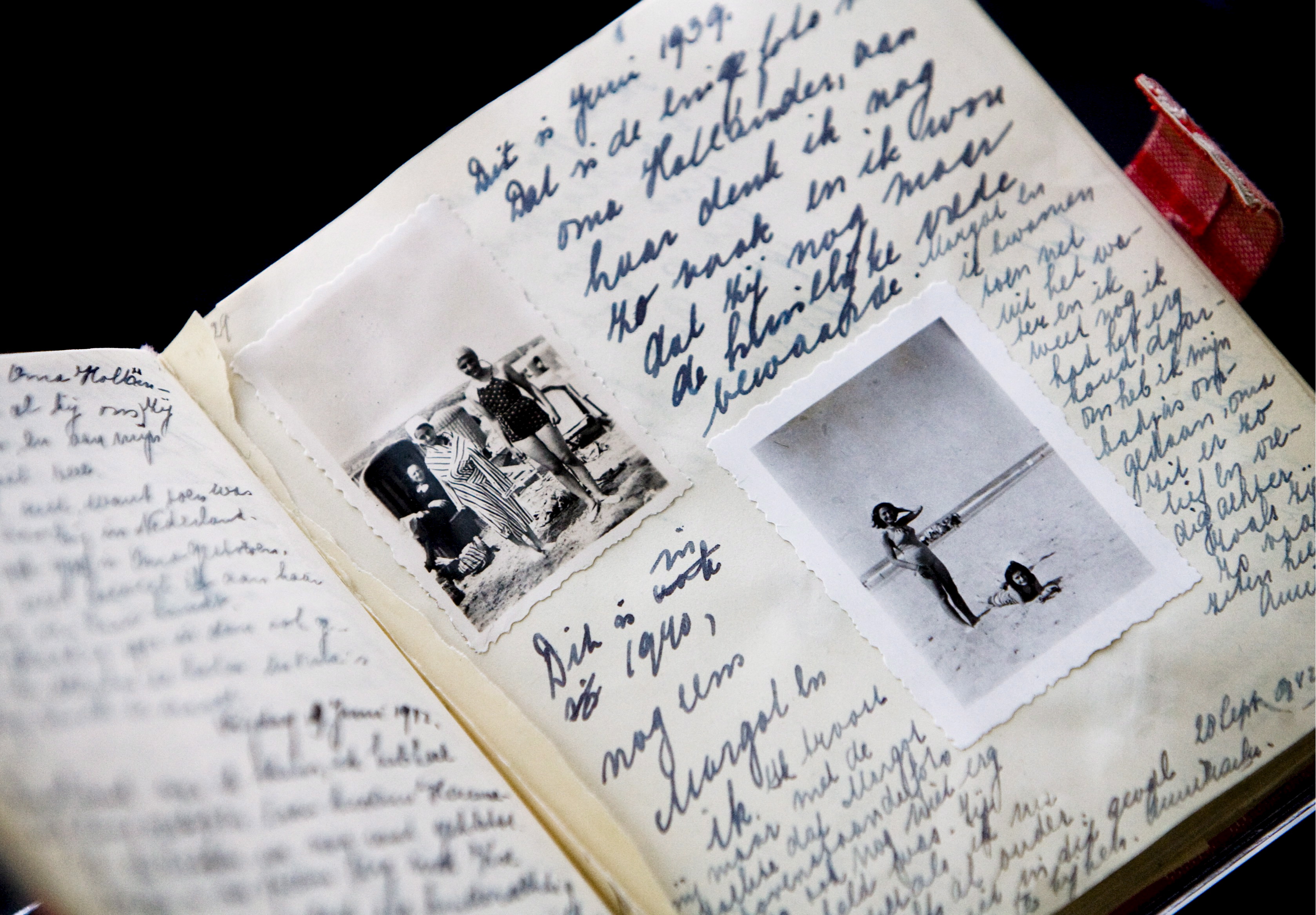
Anne was a social, energetic girl entering her mid-teens. The obstacle of being cut off from her peers cannot be overstated. While she had Peter van Pels for company, the relationship was fraught with the complexities of adolescent romance magnified by a high-stress environment. She lacked the typical "mirrors" of society that help a young person form their identity, relying instead on her diary, "Kitty," as her only true confidante.
Conflict with Mother and Roommates
Anne’s relationship with her mother, Edith Frank, was a major source of emotional distress. Anne often felt misunderstood or judged, leading to sharp entries in her diary regarding their disconnect. Additionally, the presence of Fritz Pfeffer (referred to as Mr. Dussel), a middle-aged dentist with whom Anne had to share a room, created a constant battle over space and study time. These micro-conflicts were exacerbated by the overarching fear of death, creating a "pressure cooker" environment.
The "Two Annes"
Anne frequently wrote about the obstacle of her own personality. She felt she had a "public" persona that was flippant and talkative, which she used as a shield, and a "private" persona that was deep, poetic, and sensitive. The struggle to reconcile these two versions of herself while under the constant threat of discovery was a profound internal obstacle.
The Final Obstacles: Arrest, Deportation, and the Camps
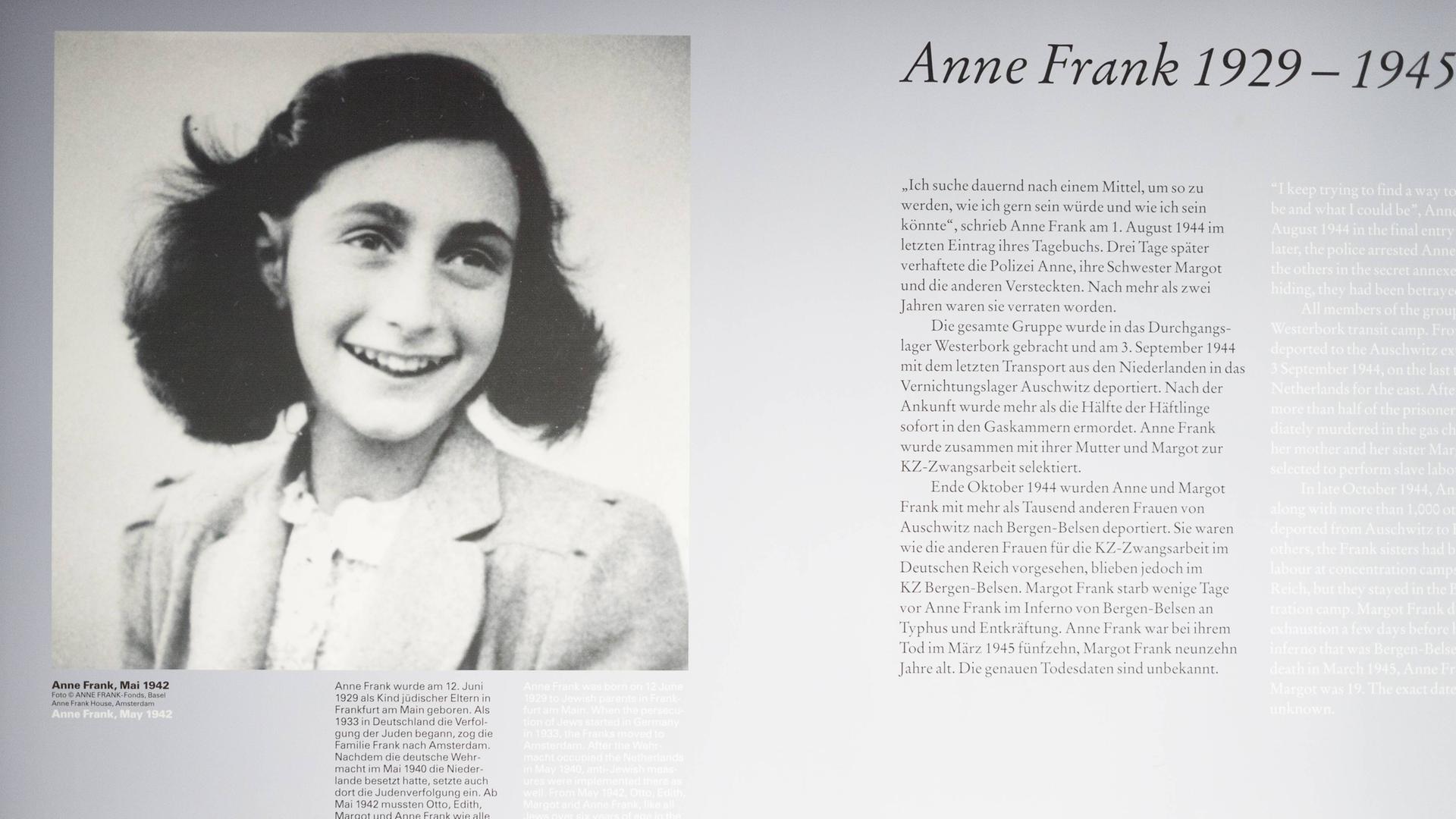
The ultimate obstacle, and the one that proved insurmountable, was the discovery of the Secret Annex on August 4, 1944. Whether through betrayal or accidental discovery during an investigation into black-market activities, the safety of the Annex was breached.
Transition to the Concentration Camp System
Upon arrest, the obstacles shifted from concealment to survival within the Nazi camp infrastructure. The transition followed a brutal trajectory:
- Westerbork: A transit camp in the Netherlands where the Franks were initially sent as "punishment prisoners" because they had not reported voluntarily.
- Auschwitz-Birkenau: In September 1944, they were part of the last transport to this death camp. Here, the obstacles were immediate: selection (the decision of who would be gassed and who would work), the shaving of heads, and the loss of all personal belongings.
- Bergen-Belsen: In November 1944, Anne and Margot were transferred to Bergen-Belsen in Germany. Unlike Auschwitz, which was a factory for death, Bergen-Belsen was a "holding camp" that became a site of mass starvation and disease due to overcrowding and the collapse of the German infrastructure.
The Biological Obstacle: Typhus and Malnutrition
In early 1945, the primary obstacle to Anne's survival was biological. Bergen-Belsen was ravaged by a typhus epidemic. Weakened by months of starvation and the psychological blow of being separated from her parents (though she did not know her father was still alive), Anne’s immune system failed. She and Margot both succumbed to the disease in February or March 1945, just weeks before the camp was liberated by British forces.
Comparison of Conditions: Hiding vs. Concentration Camps
| Feature | The Secret Annex (1942–1944) | Concentration Camps (1944–1945) |
|---|---|---|
| Primary Goal | Avoidance of discovery | Biological survival |
| Physical Space | Confined, indoor attic | Overcrowded barracks / Open air |
| Dietary Intake | Low calorie, intermittent freshness | Starvation levels, contaminated water |
| Privacy | Minimal, shared with 7 others | Non-existent, shared with thousands |
| Health Risks | Lethargy, dental issues | Typhus, dysentery, exhaustion |
| Communication | Radio Orange (BBC), diary, books | Rumors, no external contact |
The Legacy of These Obstacles in 2026
As of 2026, the study of Anne Frank’s obstacles has evolved to focus on the "bystander effect" and the systemic failures that allowed her persecution to occur. Educational institutions now use her story not just as a historical narrative, but as a framework for identifying modern obstacles to human rights.
The Anne Frank House in Amsterdam remains one of the most visited historical sites in the world, providing a tangible view of the physical obstacles the family faced. Modern archival research continues to uncover more about the people who helped them and the specific Nazi officials who orchestrated their deportation, providing a clearer picture of the bureaucratic obstacles placed in the way of Jewish survival during the 1940s.
For modern readers, the lesson of Anne Frank’s obstacles is found in her resilience. Despite the legal, physical, and psychological barriers erected against her, she managed to create a literary work that transcended those walls. Her diary stands as a testament to the fact that while a person's body can be confined and their life ended, their voice and their record of the truth can overcome even the most formidable obstacles of history.
Frequently Asked Questions
What was the most difficult physical obstacle in the Secret Annex?
The most difficult physical obstacle was the requirement for absolute silence during the day. This meant no running water, no talking, and no heavy movement for hours on end to avoid detection by the workers in the building below. This sensory and physical restriction led to significant muscle atrophy and psychological stress for the eight occupants.
How did the anti-Jewish laws affect Anne before she went into hiding?
The anti-Jewish laws (decrees) systematically removed Anne from society. She was forced to attend a segregated school, wear a yellow star for identification, and was banned from almost all public recreation areas. These laws were designed to socially isolate Jews and make their eventual deportation easier for the general public to ignore.
Who helped Anne Frank overcome the obstacle of hunger while in hiding?
Anne and her family were supported by a group of helpers: Miep Gies, Bep Voskuijl, Johannes Kleiman, and Victor Kugler. These individuals risked their lives to bring food, clothes, and books to the Annex. They had to navigate the obstacle of food shortages and the danger of the Gestapo to ensure the eight people remained fed and informed.
Why did Anne Frank not survive the obstacles of the concentration camps?
Anne survived the "selection" process at Auschwitz, but she could not overcome the biological obstacles of Bergen-Belsen. The camp suffered from a complete breakdown of sanitation and food supply in early 1945, leading to a typhus epidemic. Anne, already weakened by malnutrition and grief, died from the disease shortly before the camp was liberated.
Were there any legal obstacles to publishing Anne Frank's diary after the war?
After the war, Otto Frank faced the obstacle of finding a publisher who believed the public wanted to read a diary by a young girl about the war. Many initially rejected it, thinking it too painful or personal. Eventually, it was published in the Netherlands in 1947 as Het Achterhuis, overcoming the obstacle of post-war censorship and public fatigue regarding Holocaust narratives.
Practical Recommendation for Further Study
To gain a deeper understanding of the obstacles Anne Frank faced, individuals should prioritize visiting or virtually touring the Anne Frank House. Examining the primary source—her diary—alongside historical records from Yad Vashem or the United States Holocaust Memorial Museum provides a comprehensive view of the systemic barriers she encountered. Researchers should focus on the "Timeline of Anti-Jewish Decrees" in the Netherlands to see how the legal obstacles escalated chronologically between 1940 and 1942.