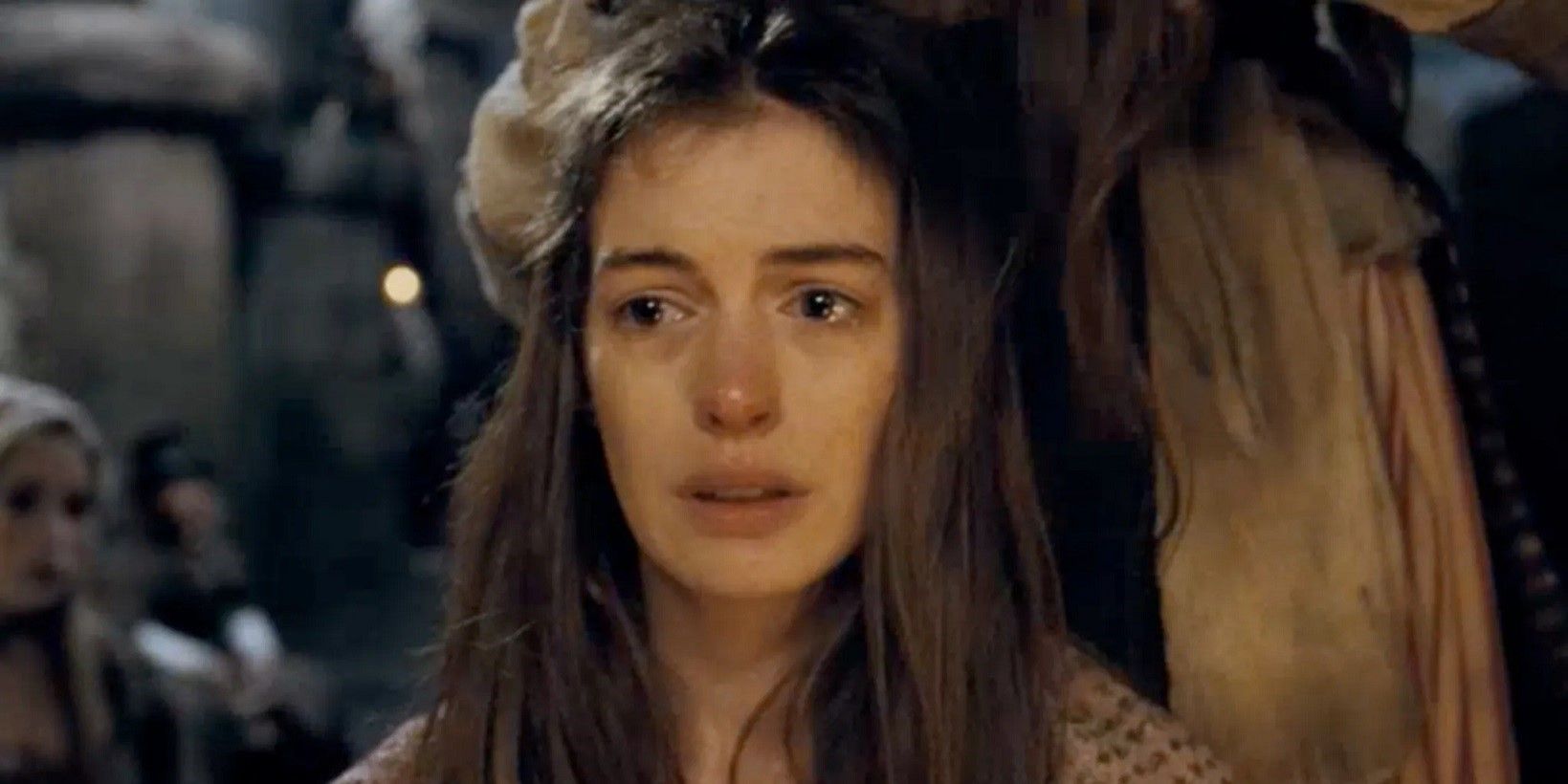
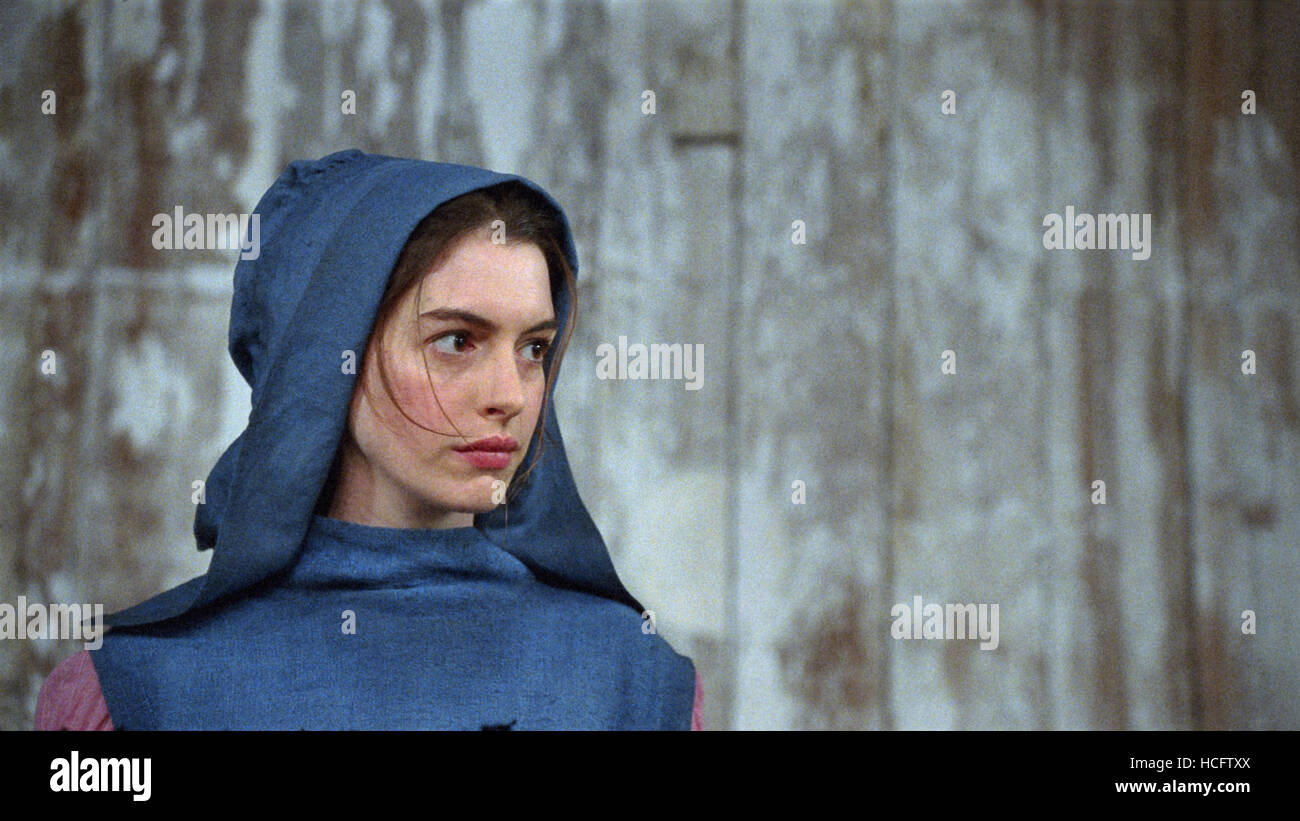
Anne Hathaway’s interviews regarding her role as Fantine in the 2012 film adaptation of Les Misérables provide a raw look at extreme method acting, physical transformation, and the psychological toll of prestige filmmaking. These discussions detail her starvation diet, the live-singing technique, and the "Hathahate" cultural phenomenon that followed her 2013 Oscar win.
The Physical and Psychological Transformation of Fantine
In nearly every major interview following the release of Les Misérables, Anne Hathaway was asked to detail the grueling physical transformation she underwent to play the dying factory worker turned prostitute, Fantine. While many actors undergo weight fluctuations for roles, Hathaway’s approach was noted for its intensity and the candid way she described the "deprivation" in subsequent press junkets.
To achieve the look of a woman suffering from tuberculosis and starvation, Hathaway lost approximately 25 pounds. In a landmark interview with Vogue, she revealed that she initially lost 10 pounds through a detox diet before filming began, then lost another 15 pounds in just two weeks by eating only two thin squares of dried oatmeal paste a day. This "starvation diet" became a central talking point of her press tour, highlighting the lengths to which she went to provide authenticity to Victor Hugo’s tragic character.
Beyond the physical weight loss, the most visceral part of her transformation was the cutting of her hair. Unlike many productions that use "bald caps" or clever editing, Hathaway insisted that her hair be cut on camera during the filming of the song "I Dreamed a Dream." In interviews with The Hollywood Reporter, she described the experience as terrifying but necessary, noting that the vulnerability of having her hair hacked off in real-time helped her tap into Fantine’s desperation. The actress frequently mentioned that the physical changes were not about vanity, but about honoring the reality of women living in extreme poverty during the 19th century.
The Technical Innovation: Live Singing on Set
A recurring theme in Anne Hathaway’s Les Misérables interviews is the technical challenge of director Tom Hooper’s decision to have the cast sing live on set. Traditionally, movie musicals use pre-recorded tracks that actors lip-sync to during filming. However, for this production, the actors wore earpieces through which they could hear a live piano accompaniment played in a different room.
Hathaway explained to Variety that this method allowed for a level of emotional spontaneity that pre-recording prevents. Because she wasn't tied to a fixed tempo, she could pause for a sob, speed up a line out of anger, or whisper a lyric for dramatic effect. This was particularly crucial for her performance of "I Dreamed a Dream." Hathaway’s interviews reveal that the song was captured in a single, grueling take. She argued that the imperfections—the cracks in her voice and the raw breathing—were more important than vocal perfection, a sentiment that resonated with critics and audiences alike.
The logistical difficulty of this approach was immense. Hathaway often spoke about the cold filming conditions and the need to protect her vocal cords while performing dozens of takes in a damp, refrigerated environment designed to look like 1820s France. This technical depth in her interviews helped the public understand that the film was a feat of endurance as much as it was a piece of art.
The Infamous Press Tour and the "Hathahate" Phenomenon
While many of Hathaway’s interviews focused on her craft, the 2012-2013 press tour is also remembered for a shift in public perception. As she made the rounds on late-night shows and morning news programs, a segment of the internet began to criticize her perceived "over-earnestness." This period, later dubbed "Hathahate," became a secondary subject of her later retrospective interviews.
One of the most discussed moments occurred during an interview on The Today Show with Matt Lauer. After a wardrobe malfunction at the film's premiere, Lauer questioned Hathaway about it in a manner that many viewers felt was inappropriate. Hathaway’s poised but firm deflection—redirecting the conversation back to the film’s themes of the commodification of women’s bodies—was a pivotal moment in her public narrative. It showed her ability to navigate hostile media environments while maintaining focus on her professional goals.
In the years following her Oscar win, Hathaway has been more transparent about how the intense scrutiny of those interviews affected her. In a 2021 retrospective with The Sun, she admitted that she "lost her mind" a bit during the process, finding it difficult to transition out of Fantine’s tragic headspace while simultaneously being the face of a massive awards campaign.
Comparing the Aspects of Hathaway's Fantine Performance
The following table summarizes the key elements of Hathaway's preparation and the technical specifics she discussed throughout her Les Misérables interviews.
| Aspect of Role | Method/Detail | Outcome/Reception |
|---|---|---|
| Weight Loss | 25 lbs total (oatmeal paste diet) | Widely publicized; emphasized the "suffering" of the character. |
| Vocal Technique | Live singing on set with earpieces | Critical acclaim for raw, emotional delivery. |
| Hair Transformation | Cut live on camera | Seen as a symbol of her commitment to the role's authenticity. |
| "I Dreamed a Dream" | Performed in a single, tight-shot take | The defining moment of the film; secured her Oscar win. |
| Filming Duration | Roughly 12-hour days in cold sets | Discussed as an "exhaustion-fueled" performance. |
| Mental Preparation | Researching sexual slavery and poverty | Hathaway described the process as "deeply depressing." |
The 2013 Academy Awards and the Climax of the Press Tour
The culmination of the Les Misérables interview cycle was the 2013 awards season. Hathaway swept the Golden Globes, SAG Awards, and ultimately the Academy Awards for Best Supporting Actress. Her acceptance speeches, which were extensions of her interview persona, were met with a mix of celebration and further scrutiny.
In her Oscar acceptance speech, she began with the words "It came true," a reference to the lyrics of "I Dreamed a Dream." In backstage interviews immediately following the win, she looked visibly drained. She later told The Guardian that she felt "uncomfortable" during the ceremony, having spent months inhabiting the life of a woman who had nothing, only to be rewarded with a golden statue while wearing a gown that cost more than many people earn in a year. This internal conflict between the glamour of Hollywood and the grim reality of the character she played is a recurring motif in her more thoughtful, long-form interviews.
Cultural Impact and Retrospective Views in 2026
As of 2026, Anne Hathaway’s Les Misérables interviews are studied by film historians and PR experts as a masterclass in "prestige" campaigning, as well as a cautionary tale about the pressures of the spotlight. The role of Fantine remains the most significant milestone in her career, having transitioned her from a "Princess Diaries" star to a serious dramatic powerhouse.
Recent interviews from 2024 to 2026 show a much more relaxed Hathaway. She often reflects on the Les Misérables era as a "fever dream." She has noted that while she is immensely proud of the work, she would likely approach the press tour differently today, prioritizing her mental health over the relentless demands of the 24-hour news cycle. The "Hathahate" of 2013 has largely evaporated, replaced by a deep respect for her longevity in the industry and her ability to survive a period of intense public polarization.
Frequently Asked Questions
Did Anne Hathaway actually cut her hair for Les Misérables?
Yes, Anne Hathaway insisted on having her hair cut on camera to ensure the scene felt as authentic as possible. In her interviews, she mentioned that her stylist was actually the one playing the character who cuts Fantine's hair in the film, which added an extra layer of nervousness to the shoot.
How much weight did Anne Hathaway lose for the role of Fantine?
She lost a total of 25 pounds. She achieved this through a two-stage process: losing 10 pounds before filming began and an additional 15 pounds during the production by adhering to a near-starvation diet of dried oatmeal paste.
Did she really sing live in the movie?
Yes, every song in the 2012 Les Misérables was sung live on set. Hathaway has explained in numerous interviews that this allowed her to control the pacing and emotional resonance of her performance, rather than trying to match the timing of a pre-recorded studio track.
What was the "Hathahate" controversy mentioned in her interviews?
"Hathahate" refers to a period around 2013 where social media users and some media outlets criticized Hathaway for being "too perfect" or "trying too hard" during her awards season interviews. Hathaway has since discussed how this affected her mental health and how she eventually moved past the negativity.
What was the single most difficult interview she did for the film?
While subjective, many point to the Today Show interview with Matt Lauer as her most difficult moment. She was forced to address a wardrobe malfunction, which she handled by pivoting the conversation toward the vulnerability and exploitation of her character, Fantine.
Practical Recommendation for Further Viewing
To truly understand the depth of her preparation, it is recommended to watch the "Behind the Scenes" features on the Les Misérables Blu-ray or 4K release, specifically the segment titled "The Stars of Les Misérables." This featurette includes raw footage from the set that validates the claims she made in her interviews, particularly the physical exhaustion evident during the "I Dreamed a Dream" sequence. Watching her Variety "Actors on Actors" segment from years later also provides a more balanced, reflective look at how the role shaped her subsequent career choices.