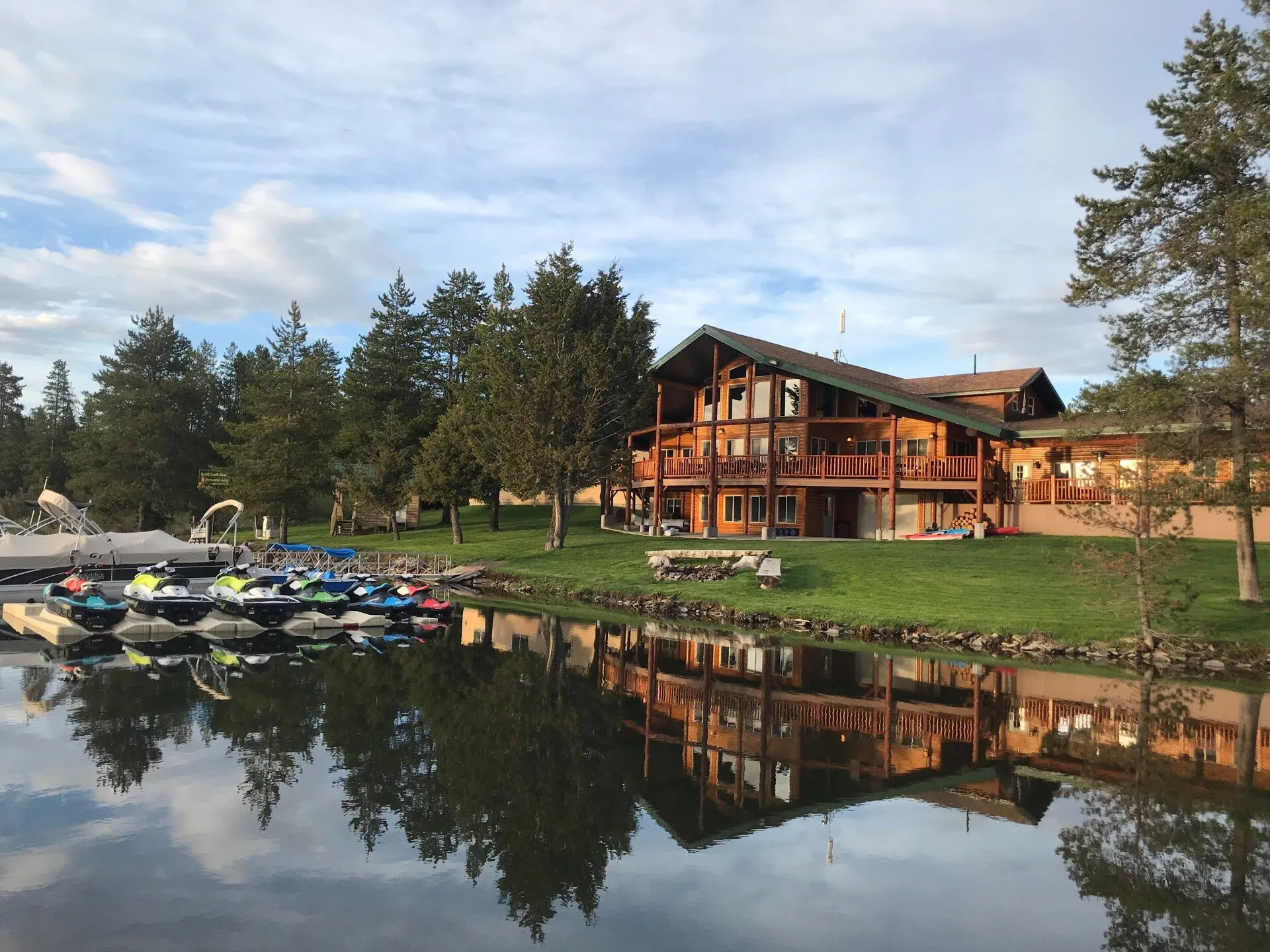
Anglers Lodge in Island Park, Idaho, is a premier waterfront property situated directly along the banks of the Henrys Fork of the Snake River. Tailored for fly fishers and outdoor enthusiasts, the lodge offers riverfront accommodations, fine dining, and immediate access to famous trout waters, Harriman State Park, and Yellowstone National Park.
Overview of Anglers Lodge and the Island Park Setting
Island Park, Idaho, sits within a vast volcanic caldera in Fremont County, surrounded by dense lodgepole pine forests, spring-fed streams, and high-mountain meadows. Stretches along U.S. Highway 20 serve as a hub for anglers targeting wild rainbow and brown trout. Anglers Lodge occupies a prime location along the riverbank in the Last Chance area, giving guests direct visual and physical access to one of North America's most revered dry-fly fisheries.
The Henrys Fork of the Snake River flows out of Island Park Reservoir and Henrys Lake, carving through distinct stretches that vary from torrential whitewater to glassy, slow-moving spring creek flats. Anglers Lodge was built specifically to cater to visitors who come to fish these waters. Featuring timber-frame architecture, private cabins, lodge rooms, and an on-site restaurant, it functions as both a peaceful retreat and a practical basecamp for technical fly fishing.
Beyond the immediate pull of fly fishing, Island Park acts as the western gateway to Yellowstone National Park, situated approximately 30 miles south of the West Entrance in West Yellowstone, Montana. This geography makes the lodge attractive not only to dedicated anglers pursuing selective wild trout, but also to couples, families, and outdoor travelers exploring the Greater Yellowstone Ecosystem.
Accommodation Options and Facility Amenities
Anglers Lodge provides a variety of lodging configurations designed to accommodate solo anglers, fishing partners, couples, and larger groups or families. The design emphasizes natural wood finishes, rustic mountain aesthetics, and views of the river and surrounding forest.
Lodge Rooms and Suites
The main lodge building contains guest rooms and suites that face the Henrys Fork. These rooms feature standard amenities tailored to travelers who spend long days outdoors:
- Riverfront Views: Upper and lower balcony units positioned to look directly onto the water.
- Bed Configurations: Options ranging from single king beds for couples to dual queen bed arrangements for fishing partners sharing a room.
- Modern Comforts: Climate control, private bathrooms, high-speed Wi-Fi access, and satellite television for evening relaxation.
Private Cabins
For guests seeking more privacy or additional space, private standalone cabins are situated on the property. These units typically include:
- Kitchenettes or Full Kitchens: Equipped with appliances, cookware, and dining spaces for self-catering.
- Covered Porches: Outdoor seating overlooking the river or manicured grounds, ideal for rigging tackle in the morning or drying waders in the evening.
- Living Areas: Dedicated seating spaces separate from sleeping quarters, offering room to spread out fly boxes, gear bags, and clothing.
On-Site Dining and Services
A major advantage of staying at Anglers Lodge is the access to on-site dining. The lodge operates a full-service restaurant and lounge, saving guests from having to drive after a long day on the water.
- Dining Room: Serves breakfast, lunch, and dinner, with menus featuring regional American cuisine, steaks, fresh fish, and hearty breakfasts built for long days outdoors.
- Outdoor Patio: Seasonally available for outdoor meals directly above the riverbank.
- Event Space: Accommodates corporate retreats, group trips, and small weddings with specialized catering options.
Fly Fishing the Henrys Fork from Anglers Lodge
The Henrys Fork is widely considered one of the finest trout rivers in the world. It provides diverse water types within a short distance of Anglers Lodge. Understanding the distinct sections of the river helps anglers choose where to fish based on skill level, season, and preferred technique.
- Island Park Reservoir
- Box Canyon: Fast water, big stoneflies, heavy nymphing & streamers
- Last Chance: Glassy flats, technical dry-fly fishing (Anglers Lodge Location)
- Harriman State Park: "Railroad Ranch" - Highly selective rainbow trout
- Ashton Reservoir: Downstream tailwater, warm-season dry/nymph options
1. The Last Chance Section
Located right outside the doors of Anglers Lodge, the Last Chance area is famous for its shallow, slow-moving water over dense beds of aquatic vegetation (elodea and ranunculus).
- Character: Soft currents, clear water, and shallow flats requiring micro-drag-free drifts.
- Target Species: Large, wild rainbow trout that are notoriously selective due to constant angling pressure.
- Primary Tactics: Long leaders (12 to 15 feet) tapering to 6X or 7X fluorocarbon tippet, matching precise insect life stages (emergers, duns, spinners).
2. Box Canyon
Located just upstream from Last Chance, below the Island Park Dam, Box Canyon is a high-gradient, boulder-strewn section that holds large concentrations of trout per mile.
- Character: Deep runs, pocket water, and heavy currents. Best fished from a drift boat or raft, though wading is possible along the banks at moderate flows.
- Target Species: Aggressive rainbow and brown trout.
- Primary Tactics: Nymphing with heavy indicator rigs or European nymphing setups, streamer fishing, and high-sticking large dry flies during the June Salmonfly hatch.
3. Harriman State Park (The Railroad Ranch)
Directly downstream from Last Chance lies Harriman State Park, an 11,000-acre haven protecting the river stretch known historically as the "Railroad Ranch."
- Character: A wide, meandering meadow river with glassy surfaces and deep channels. Wading access is strictly foot-traffic only, as boats are prohibited through this protected reach.
- Target Species: Trophy-sized rainbow trout feeding on surface insects.
- Primary Tactics: Sight-casting to rising fish, careful stalking along grassy banks, and using exact imitations of Pale Morning Duns, Flavs, and terrestrial insects.
4. Warm River to Ashton
Further downstream, below the Mesa Falls scenic bypass, the river re-emerges into lower-elevation canyon stretches from Warm River down to Ashton Reservoir.
- Character: Floating water with a mix of riffles, deep pools, and gravel bars.
- Target Species: Rainbow trout, brown trout, and native Yellowstone cutthroat trout.
- Primary Tactics: Drift boat fishing with dry-dropper setups, streamers, and summer hopper patterns.
Seasonal Guide: Insect Hatches and Angling Calendar
Successful fly fishing in Island Park requires understanding the aquatic insect hatches throughout the open water season. Below is a detailed breakdown of the seasonal progression near Anglers Lodge.
| Season / Month | Dominant Hatches & Insects | Water Section Focus | Target Tactics & Fly Types |
|---|---|---|---|
| Late Spring (May - June) | Chironomids, Salmonflies, Golden Stoneflies, Green Drakes | Box Canyon, Lower River, Lake Tributaries | Heavy Nymphing, Large Foam Dry Flies, Streamers |
| Early Summer (July) | Pale Morning Duns (PMDs), Flavs, Caddisflies, Spotted Sedges | Last Chance, Harriman State Park | Technical Dry Fly, Emergers, Fine Tippet Drifts |
| Late Summer (August) | Terrestrials (Hoppers, Ants, Beetles), Tricos, Honey Ants | Harriman State Park, Warm River, Lakes | Bank Stalking with Terrestrials, Early Morning Trico Spinners |
| Autumn (September - October) | Mahogany Duns, Blue-Winged Olives (BWO), Streamer Runs | Box Canyon, Last Chance, Fall River | Small Dry Flies (Sizes 18-22), Large Articulated Streamers |
| Winter (November - April) | Midges, Small Winter Mayflies | Open Tailwater Sections below Dams | Deep Nymphing, Micro-Midges, Winter Streamer Stripping |
Spring (May through June)
Spring marks the opening of the general river season according to Idaho Department of Fish and Game regulations.
- The Salmonfly Hatch: In early to mid-June, massive Pteronarcys californica (Salmonflies) emerge in Box Canyon. Trout strike large, high-floating foam patterns dropped along canyon walls and logjams.
- Green Drakes: Following the stoneflies, large Drunella grandis (Green Drakes) hatch along Last Chance and Harriman State Park, drawing large trout to the surface during late morning and early afternoon windows.
Summer (July through August)
July brings peak dry-fly season to Last Chance and the Railroad Ranch.
- Pale Morning Duns (PMD): Massive hatches of PMDs cover the river during mid-morning hours. Anglers need specific patterns representing nymphs, emergers, cripples, adult duns, and spent spinners.
- Terrestrial Fishing: As aquatic hatches slow down in August, grasshoppers, carpenter ants, and beetles become the primary food source. Wind blown from adjacent meadows pushes insects onto the water along bank edges.
Fall (September through October)
Autumn brings cooler ambient temperatures, reduced crowds, and beautiful foliage across the caldera.
- Blue-Winged Olives (BWO): Cool, overcast, or rainy fall days trigger dense hatches of Baetis (BWOs). Trout feed actively on tiny dry flies (sizes 18 to 22).
- Streamer Angling: Male brown trout become aggressive ahead of their fall spawn. Stripping large streamers through deep runs in the canyon or lower river produces some of the largest fish of the season.
Non-Angling Activities and Regional Attractions
While Anglers Lodge is a major draw for fly fishers, the surrounding region offers plenty of alternative activities for non-anglers and families.
1. Yellowstone National Park
The West Entrance of Yellowstone National Park is located under 40 minutes north of Anglers Lodge via U.S. Highway 20. Visitors can easily take day trips to experience iconic attractions:
- Geyser Basins: Old Faithful, Grand Prismatic Spring, and Norris Geyser Basin are within an easy driving radius.
- Wildlife Viewing: Yellowstone's Hayden and Lamar Valleys host bison herds, elk, grizzlies, and wolves.
- Grand Canyon of the Yellowstone: Panoramic viewpoints overlooking the Upper and Lower Falls.
2. Harriman State Park
Located just minutes down the road from the lodge, Harriman State Park sits within a historic wildlife sanctuary once owned by the Union Pacific Railroad syndicate.
- Hiking and Biking: Over 20 miles of non-motorized trails wind through forests, along riverbanks, and around Silver Lake.
- Horseback Riding: Guided trail rides operate seasonally through the park's interior meadows.
- Historic Tours: Preservation programs offer guided walks through the historic Railroad Ranch buildings and cabin grounds.
3. Upper and Lower Mesa Falls
Located along the Mesa Falls Scenic Byway (Idaho State Highway 47), these two waterfalls showcase the power of the Snake River flowing over ancient volcanic tuff.
- Upper Mesa Falls: A constructed boardwalk leads directly over a roaring 114-foot waterfall, accompanied by a visitor center housed in a restored historic lodge.
- Lower Mesa Falls: A scenic overlook provides views of a 65-foot drop down the canyon.
4. Henrys Lake and Island Park Reservoir
Boating, motorized water sports, paddleboarding, and kayak rentals are widely available across Island Park Reservoir and nearby Henrys Lake. Henrys Lake State Park offers family swimming areas, picnic sites, and bird-watching points along the shore.
Logistical Planning, Regulations, and Traveler Advice
To ensure a smooth trip to Anglers Lodge in Island Park, keep these operational, seasonal, and legal requirements in mind.
Travel and Airports
Island Park is rural, so renting a vehicle (preferably an SUV or All-Wheel Drive vehicle, depending on the season) is essential.
- Idaho Falls Regional Airport (IDA): Located roughly 75 miles south of Island Park (approx. 1 hour and 15 minutes by car).
- Bozeman Yellowstone International Airport (BZN): Located roughly 110 miles north in Montana (approx. 2 hours by car via U.S. Highway 191 and Highway 20).
- Jackson Hole Airport (JAC): Located roughly 105 miles southeast via Swan Valley and Teton Pass.
Fishing Licenses and Regulations
All anglers fishing the Henrys Fork, Henrys Lake, or nearby streams must possess a valid Idaho Fishing License issued by the Idaho Department of Fish and Game.
- Purchase: Licenses can be purchased online through the official Idaho Department of Fish and Game portal or locally at fly shops in Island Park and Last Chance.
- Rules and Restrictions: Stretches like Harriman State Park and Last Chance operate under specific fly-fishing-only, single-barbless-hook, or catch-and-release rules. Review current regulation booklets before fishing.
Packing Essentials for Anglers
- Footwear: Felt-soled boots or studded rubber boots are critical for navigating the slick, mossy rocks of the Henrys Fork.
- Waders and Layering: Water temperatures remain cold year-round because the river is fed by springs and reservoir bottom-releases. Breathable chest waders combined with moisture-wicking insulation layers are strongly recommended.
- Sun and Bug Protection: High elevation (approx. 6,300 feet above sea level) means intense UV exposure. Bring polaroid sunglasses, high-SPF sunscreen, wide-brimmed hats, and insect repellent for evening hatches.
Frequently Asked Questions
What is the best time of year to stay at Anglers Lodge for fly fishing?
Prime fly fishing season runs from early June through October. Mid-June to mid-July brings peak hatches, including Salmonflies, Green Drakes, and Pale Morning Duns. September and October offer lower crowds, excellent Blue-Winged Olive hatches, and aggressive streamer action for brown trout.
How far is Anglers Lodge from the entrance of Yellowstone National Park?
Anglers Lodge is located approximately 30 miles south of the West Entrance of Yellowstone National Park in West Yellowstone, Montana. The drive takes about 35 to 40 minutes along U.S. Highway 20 under clear traffic conditions.
Do I need a fishing guide when staying at Anglers Lodge?
While hiring a local guide is not required, it is strongly recommended for first-time visitors targeting trout in the Last Chance and Harriman State Park reaches. The fish in these sections are notoriously selective regarding drift quality and fly size, and local guides provide invaluable instruction on rigging, insect selection, and reading micro-currents.
Are non-angling guests accommodated well at Anglers Lodge?
Yes. Non-angling guests enjoy on-site dining, river-view rooms, and private cabins. The lodge provides quick access to hiking in Harriman State Park, visits to Upper and Lower Mesa Falls, scenic float trips, scenic driving routes, and day trips into Yellowstone National Park.
Is Anglers Lodge open year-round?
Operating schedules vary seasonally. Prime operations run during the summer and autumn months. During winter, Island Park becomes a major snowmobiling and Nordic skiing hub, and certain lodging facilities operate with winter hours or specialized seasonal availability. Always confirm dates directly with the property when booking winter trips.
Practical Summary and Next Steps
If you are planning a trip to Anglers Lodge in Island Park, Idaho:
- Reserve Accommodations Early: Rooms and cabins fill up fast for the peak June–August insect hatches. Reserve your room 6 to 12 months in advance if traveling during peak dry-fly windows.
- Book Guides in Advance: Secure local drift boat or wade guides through authorized outfitters in Last Chance or Island Park early in the season.
- Check Idaho Regulations: Download current fishing rules from the Idaho Department of Fish and Game website to confirm seasonal openers, hook restrictions, and harvest limits for specific river reaches.
- Prepare Gear: Stock up on 5X to 7X fluorocarbon tippet, long leaders, micro-dry-fly patterns, and high-quality wading boots designed for slippery, spring-fed waters.