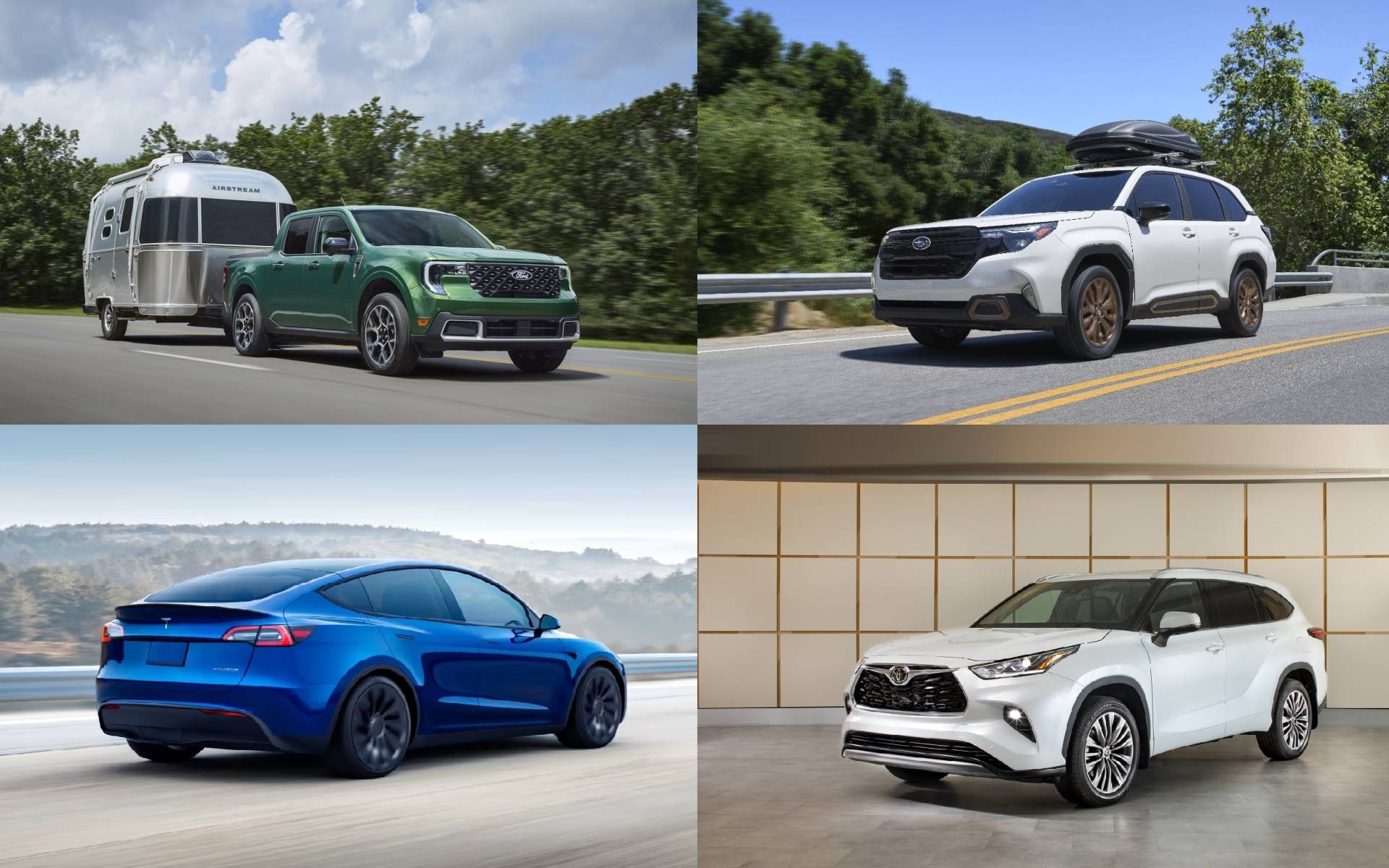
For the 2025 model year, an American-made vehicle is defined by its final assembly location, the percentage of parts sourced from the United States and Canada, and the origin of its engine and transmission. While brands like Tesla, Ford, and Chevrolet are headquartered in the U.S., many "foreign" brands like Honda and Toyota consistently rank higher in domestic production and parts content.
Identifying a truly "American-made" vehicle has become increasingly complex as global supply chains evolve. In the 2026 automotive market, looking back at the 2025 model year reveals a landscape where traditional brand loyalty often contradicts the reality of where a car was actually built. For consumers prioritizing the domestic economy, "American-made" is no longer a simple binary of "Detroit Three" versus "Foreign Imports." Instead, it is a data-driven metric based on labor, parts sourcing, and assembly.
Defining the "American-Made" Standard in 2025
To understand which vehicles earned the "American-made" badge in 2025, we must look at the two primary methods of evaluation: the American Automobile Labeling Act (AALA) and independent assessments like the Cars.com American-Made Index (AMI).
The American Automobile Labeling Act (AALA)
Passed by Congress, the AALA requires every new light-duty vehicle sold in the United States to display a label indicating the percentage of U.S. and Canadian parts content. This is the most direct legal standard available to consumers. However, the AALA has a notable quirk: it groups the United States and Canada together. Therefore, a vehicle with high "domestic" content might actually be heavily reliant on Canadian manufacturing. For the 2025 model year, the National Highway Traffic Safety Administration (NHTSA) continued to provide this data to help consumers track the origin of major components like engines and transmissions.
The Cars.com American-Made Index (AMI)
The AMI is widely considered the gold standard for consumers because it goes deeper than the AALA. It evaluates vehicles based on five criteria: assembly location, parts content, engine origin, transmission origin, and the size of the U.S. manufacturing workforce. In 2025, this index consistently highlighted that some of the most "American" vehicles were models from Honda, Acura, and Volkswagen, which have massive footprints in states like Alabama, Ohio, and Tennessee.
The Leading American-Made Models of 2025
The 2025 model year was a landmark for domestic production, as several manufacturers shifted their assembly lines to better qualify for federal incentives under the Inflation Reduction Act (IRA). This law significantly influenced where batteries were manufactured and where vehicles were put together.
Tesla’s Domestic Dominance
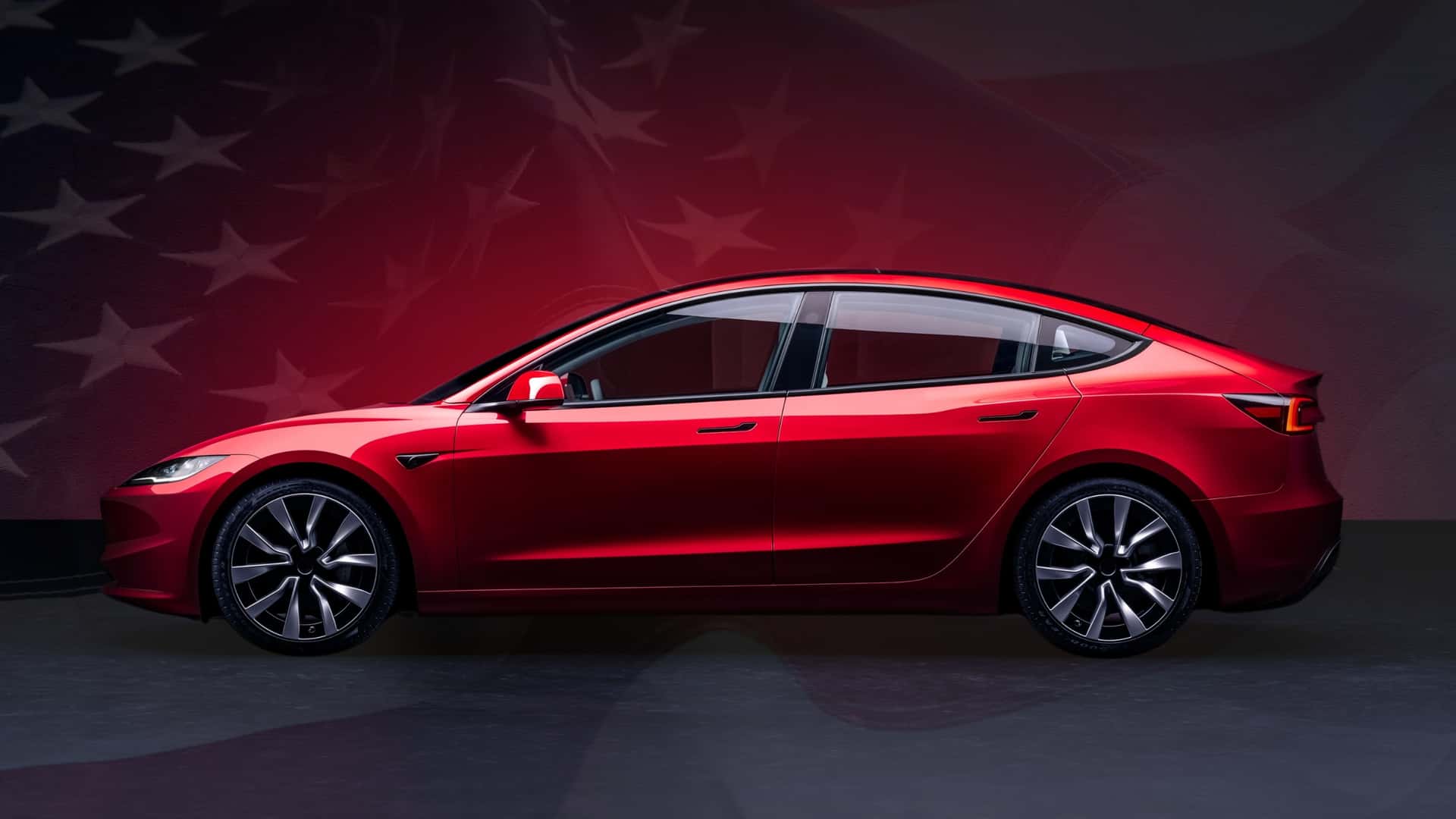
In 2025, Tesla maintained its position as a leader in U.S. manufacturing. Unlike traditional automakers that rely on a global network of legacy suppliers, Tesla’s vertical integration allowed it to keep a high percentage of its production within U.S. borders. The Tesla Model Y and Model 3—assembled in Fremont, California, and Austin, Texas—consistently topped the lists of vehicles with the highest domestic parts content.
The Model Y, in particular, became a symbol of modern American manufacturing in 2025. By producing its structural battery packs and 4680 cells domestically, Tesla managed to satisfy the most stringent requirements for "Made in America" status while also maximizing consumer tax credits.
Honda and Acura: The Hidden Americans
Many consumers are surprised to learn that the Honda Passport, Honda Odyssey, and Acura MDX were among the most American-made vehicles of 2025. Honda’s massive manufacturing hub in Lincoln, Alabama, and its engine plant in Anna, Ohio, represent a multi-billion dollar investment in the U.S. workforce.
In 2025, the Honda Ridgeline was often cited as the pickup truck with the highest domestic parts content, surpassing several versions of the Ford F-150 and Chevrolet Silverado. This highlights the disconnect between a brand’s country of origin and its actual economic contribution to U.S. manufacturing.
The Detroit Three: Focus on Trucks and SUVs
Ford, General Motors (GM), and Stellantis (owner of Jeep and Ram) remained the backbone of American automotive labor in 2025, particularly in the high-profit segments of full-size trucks and SUVs.
- Ford: The F-150 (assembled in Dearborn, Michigan, and Claycomo, Missouri) and the Mustang (Flat Rock, Michigan) continued to be core American products. However, Ford's move to build the Mustang Mach-E in Mexico served as a reminder that "American brands" do not always mean "American-made."
- General Motors: The Chevrolet Colorado and GMC Canyon (Wentzville, Missouri) were standout performers in 2025 for their high domestic content. GM also focused heavily on its "Ultium" battery plants in Ohio and Tennessee to ensure its 2025 EV lineup, like the Silverado EV, met domestic sourcing standards.
- Stellantis: The Jeep Gladiator (Toledo, Ohio) and Jeep Grand Cherokee (Detroit, Michigan) remained high on the list of domestically produced icons.
The Impact of EV Battery Sourcing in 2025
The definition of "American-made" underwent a fundamental shift in 2025 due to the complexities of electric vehicle (EV) battery production. Under the 2025 guidelines of the Inflation Reduction Act, for a vehicle to be fully eligible for the $7,500 federal tax credit, a significant percentage of the minerals and components in its battery had to be sourced from the U.S. or its free-trade partners.
This led to a surge in "Battery Belt" investments across the American Southeast. In 2025, vehicles like the Volkswagen ID.4 (built in Chattanooga, Tennessee) and the Hyundai IONIQ 6 (with production shifting to Georgia) began to climb the American-made rankings. The transition from internal combustion engines to electric motors moved the focus of "American-made" from the foundry to the chemical processing plant and the "gigafactory."
| Vehicle Model (2025) | Primary Assembly Location | Domestic Parts Content (Est. %) | Key Component Origin |
|---|---|---|---|
| Tesla Model Y | Austin, TX / Fremont, CA | 85% - 90% | U.S. Battery / U.S. Motor |
| Honda Passport | Lincoln, AL | 75% | U.S. Engine / U.S. Trans |
| Volkswagen ID.4 | Chattanooga, TN | 70% - 75% | U.S. Assembly / SK On Battery |
| Ford F-150 (ICE) | Dearborn, MI | 65% - 75% | U.S. Engine / U.S. Trans |
| Jeep Gladiator | Toledo, OH | 70% | U.S. Assembly / U.S. Parts |
| Toyota Tundra | San Antonio, TX | 60% - 65% | U.S. Engine / U.S. Trans |
| Chevrolet Colorado | Wentzville, MO | 75% | U.S. Assembly / U.S. Parts |
| Acura MDX | East Liberty, OH | 70% | U.S. Engine / U.S. Trans |
Why "Made in America" Matters for the 2025 Market
The preference for American-made vehicles in 2025 was driven by more than just patriotism. There were practical, economic, and logistical reasons why consumers sought out high domestic content.
- Supply Chain Resilience: Vehicles with higher domestic parts content were often less susceptible to global shipping delays and geopolitical tensions. As we saw in the years leading up to 2025, localized supply chains allowed for more consistent delivery times and parts availability for repairs.
- Economic Impact: Automotive manufacturing is a massive multiplier for the economy. Every assembly line job typically supports several other jobs in the supply chain, from steel mills to local logistics companies. Purchasing a vehicle with high AMI rankings meant a larger portion of the MSRP stayed within the domestic economy.
- Tax Incentives: For 2025 EVs, the "American-made" status was directly tied to the bottom line. Only vehicles that met the final assembly and battery sourcing requirements qualified for the full Clean Vehicle Credit, making them significantly more affordable for the average buyer.
Challenges in Verifying "American-Made" Claims
Even in 2026, it is important to acknowledge the limitations of these labels. No vehicle is 100% American. Modern cars are composed of approximately 30,000 parts, and the global electronics industry means that almost every vehicle—regardless of brand—contains microchips, sensors, and rare earth minerals sourced from Asia or South America.
Furthermore, a vehicle’s "American-made" status can change year to year based on supplier contracts. A 2024 model might have used a transmission from Mexico, while the 2025 version switched to a unit built in Indiana. Consumers looking at 2025 vehicles should always check the specific VIN (Vehicle Identification Number). The first character of the VIN indicates the country of final assembly: "1", "4", and "5" represent the United States.
How to Verify a 2025 Vehicle’s Origin
If you are evaluating a 2025 model in today’s market, there are three primary ways to verify its domestic status:
- Check the Window Sticker (Monroney Label): This is the legal document required on all new cars. Look for the "Parts Content Information" section, which lists the percentage of U.S./Canadian parts and the country of origin for the engine and transmission.
- Search the NHTSA AALA Database: The National Highway Traffic Safety Administration maintains an annual database of parts content. By searching for "2025 AALA data," you can find the exact percentages reported by manufacturers for that model year.
- The VIN Decipher: As mentioned, a VIN starting with 1, 4, or 5 confirms U.S. assembly. A VIN starting with 2 indicates Canada, and 3 indicates Mexico. For those seeking the highest domestic impact, the "1", "4", or "5" is the essential starting point.
Frequently Asked Questions
Which 2025 truck was the most "American-made"?
The Honda Ridgeline and the Chevrolet Colorado consistently ranked at the top of the 2025 American-Made Index for mid-size trucks. In the full-size category, the Ford F-150 (specifically certain trims with high domestic parts content) and the Toyota Tundra (assembled in Texas) were the leaders.
Does an American brand like Ford always mean the car is American-made?
No. In 2025, several popular models from American brands were assembled abroad. For example, the Ford Mustang Mach-E was built in Mexico, and various Chevrolet models were produced in Mexico or South Korea. Conversely, the Volkswagen ID.4 and several Honda models were built in the U.S. with high domestic parts content.
Are 2025 electric vehicles more "American" than gas cars?
Not necessarily, but they are becoming more so. Due to the requirements of the Inflation Reduction Act, manufacturers in 2025 were incentivized to move battery production to the U.S. Tesla's EVs are among the most American-made vehicles on the road, but some entry-level EVs from other brands still relied heavily on imported battery cells in 2025.
What state produced the most vehicles in 2025?
Michigan remained the traditional heart of U.S. automotive production, but states like Tennessee, Alabama, and Ohio saw significant growth in 2025 due to new EV investments and the continued presence of Toyota, Honda, and Volkswagen assembly plants.
Is a vehicle with 70% domestic content considered "American-made"?
Under the AALA, any vehicle with high domestic content must disclose its percentages. While there is no official cutoff to use the phrase, the Federal Trade Commission (FTC) generally requires "all or virtually all" of a product to be made in the U.S. to use an unqualified "Made in USA" claim. In the automotive world, 70-75% is considered exceptionally high.
Recommendation for Buyers
When shopping for a 2025 vehicle with the goal of supporting domestic manufacturing, do not rely solely on the brand name. Instead, prioritize the Tesla Model Y, Honda Passport, or Volkswagen ID.4 if you want a high-percentage domestic product. Always verify the Monroney label on the specific vehicle you are considering. For those looking for the greatest economic impact, choose a vehicle that is not only assembled in the U.S. but also features a U.S.-sourced engine and transmission, as these are the most labor-intensive and high-value components of the vehicle.