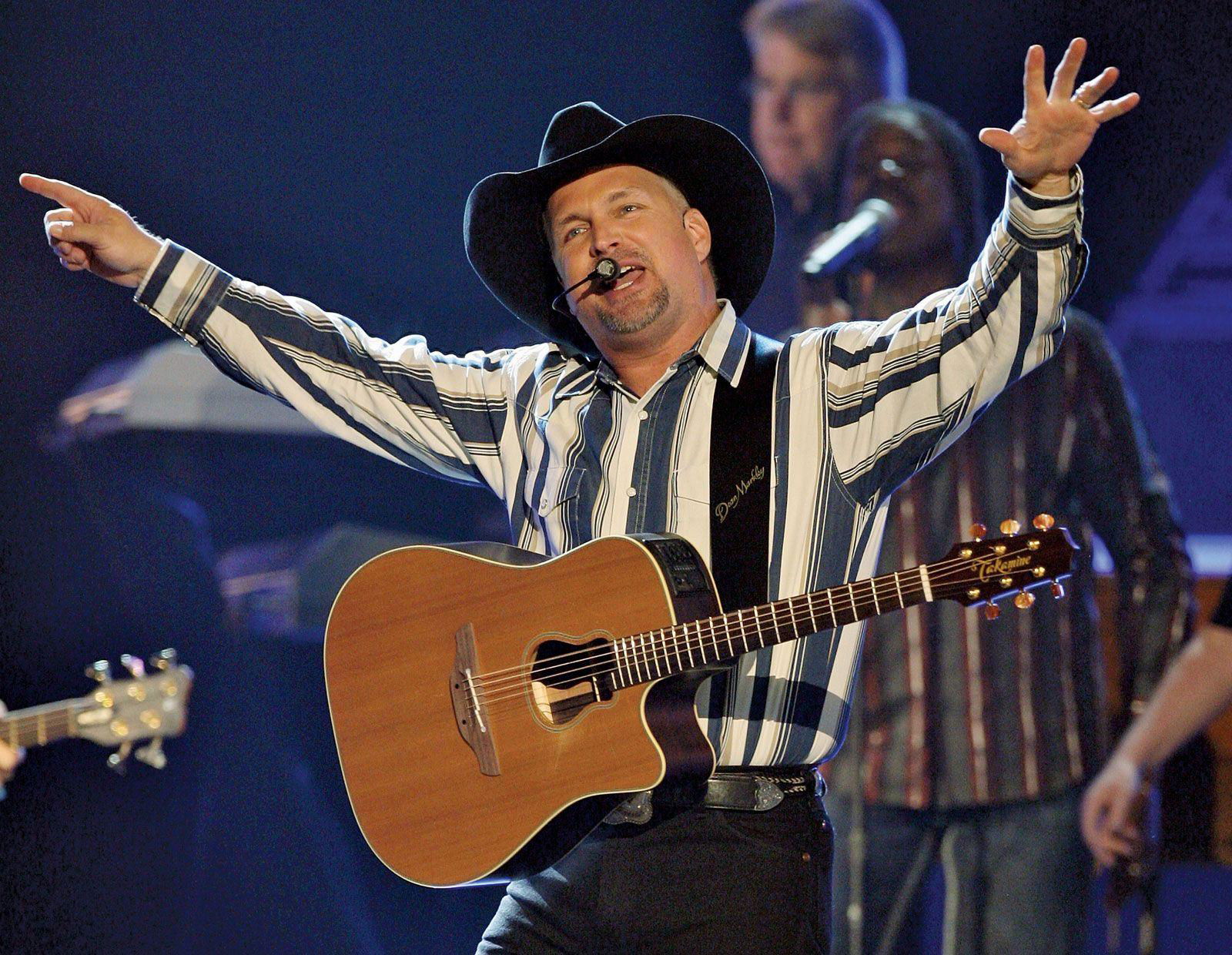
American male country singers represent a diverse lineage ranging from pioneers like Hank Williams to contemporary titans like Luke Combs and Morgan Wallen. These artists blend storytelling with distinct vocal styles—from traditional honky-tonk to modern country-pop—shaping the cultural landscape of American music through chart-topping albums and iconic live performances across various eras.
The history of American country music is largely defined by the men who brought the struggles, joys, and stories of the working class to the airwaves. From the high-lonesome sound of the Appalachian mountains to the polished production of modern-day Nashville, the evolution of the male country artist reflects broader shifts in American culture. As of 2026, the genre continues to expand, welcoming both traditionalists who honor the "three chords and the truth" philosophy and innovators who blend country with rock, pop, and folk.
The Foundation: Pioneers and the Birth of the Country Crooner
The roots of the American male country singer are found in the early 20th century, where rural folk traditions met the burgeoning recording industry. These early artists were not just singers; they were architects of a new American identity.
Jimmie Rodgers and the Blues Influence
Often called "The Father of Country Music," Jimmie Rodgers combined traditional folk, blues, and yodeling to create a sound that was uniquely American. His "Blue Yodels" were instrumental in establishing the male soloist as the centerpiece of country music. Rodgers’ ability to convey vulnerability through his voice set a precedent for every country crooner who followed. His songs often touched on the life of the wanderer and the railroad worker, themes that remain staples of the genre today.
Hank Williams and the Lyricism of Heartbreak
If Rodgers was the father, Hank Williams was the genre’s first true superstar. Williams brought a level of poetic depth to country music that was previously unseen. With hits like "Your Cheatin' Heart" and "I'm So Lonesome I Could Cry," he articulated the pain of the human condition in a way that resonated far beyond the South. Williams' short, volatile life and his tragic death at age 29 solidified his status as a legendary figure. His influence is so pervasive that even in 2026, many aspiring singers still view his songwriting as the gold standard for country music.
The Mid-Century Revolution: Outlaws, Rebels, and Storytellers
As the 1950s and 60s progressed, country music began to diverge into several distinct sub-genres. This era saw the rise of the "Nashville Sound," which sought to make country more palatable to pop audiences, but it also sparked a fierce rebellion from artists who wanted to keep the music raw.
Johnny Cash: The Man in Black
Johnny Cash remains perhaps the most recognizable American male country singer in history. Known for his deep bass-baritone voice and his signature all-black attire, Cash’s career spanned decades and crossed multiple genres. His live albums recorded at Folsom Prison and San Quentin demonstrated a commitment to the marginalized and the incarcerated, cementing his image as a social rebel with a conscience. Cash’s ability to reinvent himself—culminating in his late-career American Recordings series—showed that the male country artist could age with dignity and continued relevance.
The Outlaw Movement: Nelson and Jennings
In the 1970s, Willie Nelson and Waylon Jennings led what became known as the "Outlaw Country" movement. Frustrated by the creative constraints of the Nashville studio system, these artists took control of their own production and songwriting. Willie Nelson’s Red Headed Stranger was a conceptual masterpiece that proved country fans were ready for more sophisticated narratives. Waylon Jennings brought a rock-and-roll edge to the music, characterized by a driving "four-on-the-floor" rhythm and gritty vocals. This era proved that American male country singers could thrive outside the mainstream industry by staying true to their artistic vision.
The 1990s Explosion: Stadium Anthems and Neo-Traditionalism
The 1990s represented a commercial peak for country music, characterized by massive album sales and the transition from clubs to stadiums. This period balanced a return to traditional roots with a new, high-energy performance style.
George Strait: The King of Country
George Strait is often cited as the quintessential American male country singer. Known for his refusal to chase trends, Strait stuck to a "neo-traditionalist" sound that featured fiddles, steel guitars, and his smooth, understated delivery. With over 60 number-one hits—more than any other artist in any genre—Strait’s career is a testament to the power of consistency and brand loyalty. His influence can be seen in every modern artist who dons a Stetson and prioritizes the "pure" country sound.
Garth Brooks: Redefining the Scale of Success
While George Strait represented tradition, Garth Brooks represented a revolution in scale. Brooks integrated the theatricality of 1970s arena rock into country music, creating live shows that featured pyrotechnics and wireless headsets. His 1990 album No Fences remains one of the best-selling records of all time. Brooks was a master of the "power ballad," utilizing his expressive voice to bridge the gap between country storytelling and pop sensibility. He is currently the only artist in RIAA history to have nine albums reach Diamond status (over 10 million copies sold).
The Modern Landscape of 2026: Streaming, Stadiums, and New Sounds
As of 2026, the landscape for American male country singers has been reshaped by digital streaming and a diversification of sound. The barrier between "country" and "mainstream" has become increasingly porous, allowing artists to reach global audiences more effectively than ever before.
Morgan Wallen and Luke Combs: The Chart-Toppers
Morgan Wallen and Luke Combs represent the dual nature of modern country. Wallen has achieved unprecedented streaming success by blending traditional country themes with trap-influenced beats and pop melodies. His 2023 album One Thing At A Time dominated the Billboard charts for much of the year, signaling a shift in how country music is consumed. Luke Combs, conversely, has built his empire on a more rugged, everyman persona. With a powerful, gravelly voice and songs that celebrate blue-collar life, Combs has become the face of modern stadium country, appealing to fans who miss the grit of the 90s but want a 21st-century production value.
Zach Bryan and the Rise of the Independent Voice
One of the most significant developments in recent years is the rise of Zach Bryan. Originally a member of the U.S. Navy, Bryan gained fame through self-released videos and a raw, unpolished sound that leans toward Americana and folk. His success—achieved largely without traditional Nashville radio support—demonstrates a shift in power. Fans are increasingly seeking "authentic" voices that prioritize emotional honesty over radio-ready polish. Bryan’s influence has opened doors for other male singers who operate outside the traditional label system.
Comparison of Major American Male Country Artists
The following table provides a comparison of several key figures in the history of American male country music, focusing on their primary contributions and commercial milestones.
| Artist | Era | Primary Sub-Genre | Key Milestone | Signature Song |
|---|---|---|---|---|
| Hank Williams | 1940s-50s | Honky-Tonk | 35 Top 10 Hits in 6 years | "Hey Good Lookin'" |
| Johnny Cash | 1950s-90s | Rockabilly/Country | 13 Grammy Awards | "Ring of Fire" |
| George Strait | 1980s-Present | Neo-Traditionalist | 60 #1 Country Singles | "Amarillo by Morning" |
| Garth Brooks | 1990s-Present | Country-Pop/Arena | 9 RIAA Diamond Albums | "Friends in Low Places" |
| Luke Combs | 2010s-Present | Contemporary Country | First 17 singles reached #1 | "Beautiful Crazy" |
| Zach Bryan | 2020s-Present | Americana/Alt-Country | 2024 Grammy for Best Album | "Something in the Orange" |
Technical Characteristics of the American Male Country Voice
To understand the success of these singers, one must look at the technical elements that define the "country" sound for male vocalists. While styles vary, several common threads exist across the decades.
- Vocal Placement and Twang: Many country singers utilize a forward mask placement, often referred to as "twang." This isn't just an accent; it’s a resonant strategy that allows the voice to cut through the mix of loud instruments like drums and electric guitars.
- The "Country Break": This is a stylistic vocal flip, similar to a yodel but more subtle, used to convey emotion or vulnerability. It is frequently heard in the work of Chris Stapleton and historically in the recordings of Hank Williams.
- Baritone Dominance: While pop music often favors tenors, country music has a long-standing love affair with the baritone range. The low, resonant tones of artists like Josh Turner or Trace Adkins are associated with authority, masculinity, and groundedness.
- Storytelling Phrasing: Unlike genres that prioritize melisma (running through many notes on one syllable), country singers usually prioritize the clarity of the lyric. The phrasing is conversational, ensuring the listener can follow the narrative of the song.
Challenges and Shifts in the 2020s
The role of the American male country singer is not without its modern challenges. In 2026, the industry is grappling with issues of diversity and the pressure of social media algorithms. While the genre has historically been dominated by white male artists, the success of figures like Kane Brown and Darius Rucker has slowly begun to broaden the definition of who a "country singer" can be.
Additionally, the rise of "TikTok country" has changed how songs are written. Many male artists now focus on creating "viral moments" or 15-second hooks, which some critics argue can lead to a lack of depth in the overall songwriting. However, the counter-movement—led by artists like Tyler Childers and Sturgill Simpson—continues to prioritize long-form storytelling and complex musical arrangements, ensuring the genre maintains its soul.
Frequently Asked Questions
Who is the most successful male country singer of all time?
In terms of pure record sales, Garth Brooks holds the title, with over 157 million units sold in the United States alone. However, if success is measured by the number of chart-topping hits, George Strait remains the leader with 60 number-one singles. Johnny Cash is often cited as the most culturally influential artist across different musical genres.
How do I start a career as a male country singer in 2026?
Modern aspiring artists should focus on a dual strategy: building a local live following while maintaining a robust presence on social media platforms and streaming services. Unlike previous decades where moving to Nashville was the only path, today’s artists can build a significant fanbase from anywhere. However, Nashville remains the hub for professional songwriting, publishing, and industry networking.
What is the difference between "Country" and "Americana" singers?
While the lines are often blurred, "country" typically refers to artists who are played on mainstream country radio and are signed to major Nashville labels. "Americana" is a broader umbrella that includes elements of folk, bluegrass, and roots-rock. Americana male singers often prioritize artistic experimentation and social commentary over commercial radio viability.
Who are the "Big Three" of modern country music?
As of the mid-2020s, Morgan Wallen, Luke Combs, and Zach Bryan are widely considered the "Big Three" of male country music. These three artists consistently sell out stadiums and dominate the streaming charts, though they each represent a slightly different stylistic approach to the genre.
Why is the guitar so central to the male country singer's image?
The acoustic guitar is more than just an instrument; it is a symbol of the "self-contained" artist. In the tradition of the "singing cowboy" or the "traveling troubadour," the guitar signifies that the singer is a storyteller who can perform his craft anywhere, from a campfire to a sold-out arena. It reinforces the image of the artist as a craftsman.
Final Recommendation for Exploring the Genre
To truly understand the impact of American male country singers, listeners should explore the genre chronologically. Start with the foundational recordings of Hank Williams to understand the roots of country lyricism, then move to Johnny Cash for the intersection of country and social rebellion. For a modern perspective, compare the polished stadium sound of Luke Combs with the raw, independent spirit of Zach Bryan. This journey provides a comprehensive view of how the American male voice has evolved to reflect the changing face of the nation.