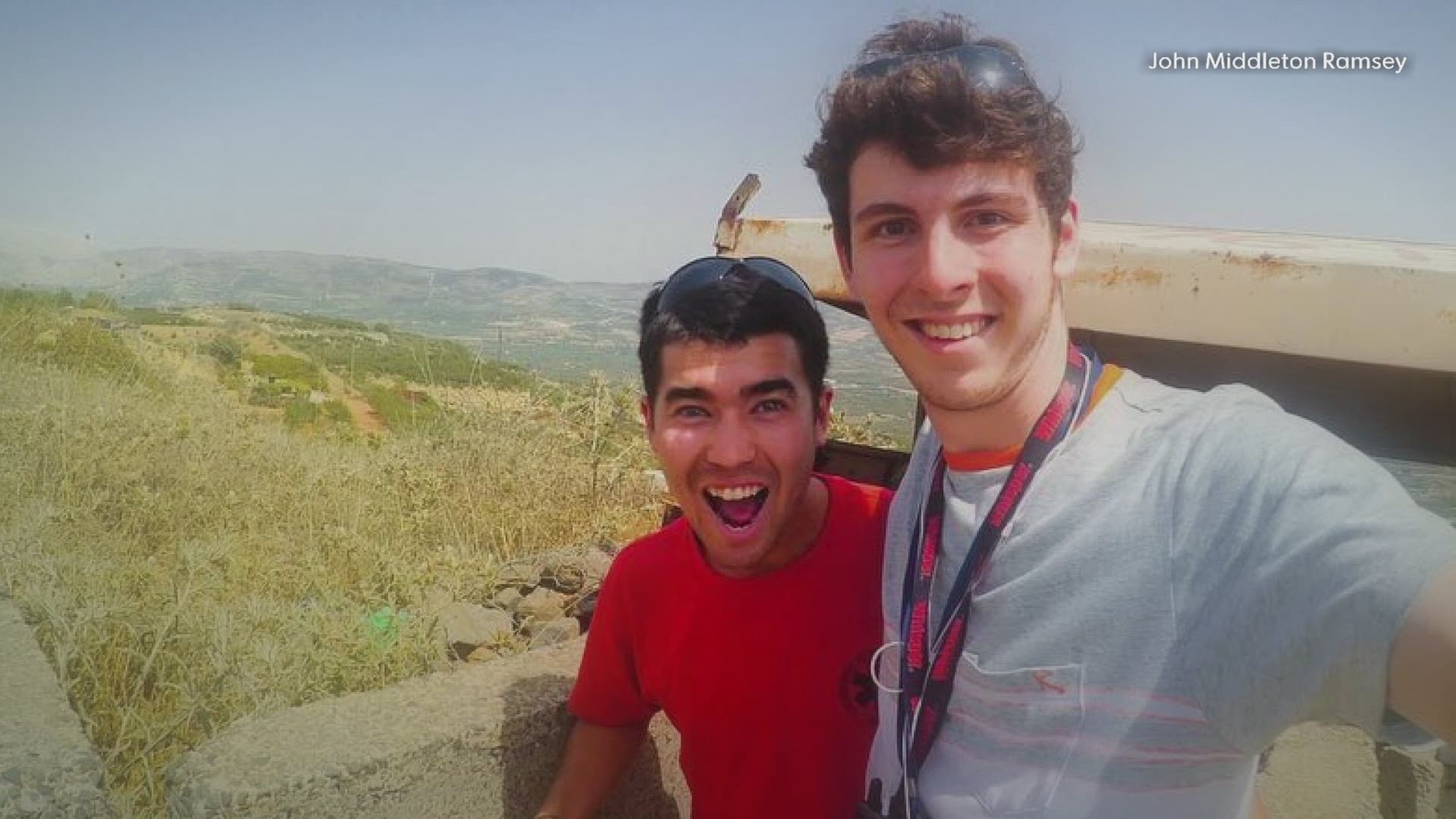
In November 2018, John Allen Chau, a 26-year-old American missionary, was killed by the Sentinelese tribe after illegally landing on North Sentinel Island in the Andaman and Nicobar Islands. His death highlighted the extreme risks of contacting "uncontacted" indigenous groups and reinforced the Indian government’s strict "hands-off, eyes-on" policy regarding the island.
The Events Surrounding the Death of John Allen Chau
The death of John Allen Chau remains one of the most documented and debated instances of a modern outsider being killed by a tribe living in voluntary isolation. In late 2018, Chau, driven by a self-described missionary mandate, sought to bring Christianity to the Sentinelese, a group that has inhabited North Sentinel Island for thousands of years. The Sentinelese are known for their fierce resistance to outside contact, a trait that has largely preserved their culture and biological health from the pressures of the modern world.
Chau’s journey was not a spontaneous decision but a multi-year project involving clandestine planning. He traveled to Port Blair, the capital of the Andaman and Nicobar Islands, and paid local fishermen roughly $325 to smuggle him to the restricted island. The fishermen transported him under the cover of darkness to avoid the Indian Coast Guard patrols that monitor the exclusion zone. On November 15, 2018, Chau made his first attempt to land on the beach. He reportedly offered gifts, including a football and fish, but was met with hostility. During one encounter, a tribal youth fired an arrow that struck Chau’s waterproof Bible.
Despite these clear warnings, Chau returned to the island on November 16, asking the fishermen to drop him off and leave. On the morning of November 17, the fishermen observed from a distance as members of the tribe dragged Chau’s body across the sand and buried it. Because North Sentinel Island is a prohibited zone under the Andaman and Nicobar Islands (Protection of Aboriginal Tribes) Regulation, 1956, the incident triggered a complex international legal and ethical crisis.
Who Are the Sentinelese?
The Sentinelese are an indigenous people of the Andaman Islands in the Bay of Bengal. They are considered one of the world's last "uncontacted" tribes, though this term is somewhat of a misnomer; they are aware of the outside world but choose to remain isolated. Anthropologists believe the Sentinelese have lived on their island for anywhere from 15,000 to 30,000 years.
Their population is estimated to be between 50 and 200 individuals, though an exact census is impossible due to their isolation. They are hunter-gatherers, utilizing bows, arrows, and spears for hunting and fishing. They do not appear to practice agriculture or have a method for creating fire, instead relying on preserving embers from naturally occurring lightning strikes.
Historically, the tribe’s hostility toward outsiders is viewed by experts as a survival mechanism. Previous encounters with colonial powers and adventurous explorers often ended in tragedy for the tribe. In the late 19th century, British naval officer Maurice Vidal Portman kidnapped several tribe members; the adults died shortly after from illness, and the children were returned to the island, potentially introducing pathogens to which the tribe had no immunity. This historical trauma likely informs their current defensive posture toward any approaching vessel.
Legal Framework and the Exclusion Zone
As of 2026, the legal status of North Sentinel Island remains governed by strict Indian sovereignty and indigenous protection laws. The Indian government has established a 5-nautical-mile (approximately 9.26 km) exclusion zone around the island. Entering this zone without specific, rare permission from the Ministry of Tribal Affairs is a criminal offense.
The primary objective of these laws is twofold:
- Sovereign Protection: To prevent the exploitation or harassment of the tribe by tourists, poachers, or researchers.
- Biosecurity: To protect the tribe from common modern pathogens. Because the Sentinelese have been isolated for millennia, they lack "herd immunity" to common diseases such as the flu, measles, or even the common cold. A single interaction could theoretically lead to the extinction of the entire tribe.
In the aftermath of the Chau incident, the Indian government faced the difficult question of whether to recover the body. Anthropologists and tribal rights organizations, such as Survival International, argued strongly against a recovery mission. They maintained that any attempt to retrieve the body would necessitate a violent or intrusive confrontation, further traumatizing the tribe and risking the introduction of disease. Ultimately, the Indian authorities suspended the search for the body, prioritizing the safety and continued isolation of the Sentinelese over the recovery of remains.
Historical Contact Attempts and Outcomes
The death of John Allen Chau was not the first time the Sentinelese used lethal force to defend their borders. The history of contact with North Sentinel Island is a series of failed or brief encounters.
| Year | Entity/Person | Nature of Contact | Outcome |
|---|---|---|---|
| 1880 | Maurice Vidal Portman | Colonial Expedition | Kidnapping of 6 tribe members; 2 died from illness. |
| 1974 | National Geographic | Documentary Film Crew | Director wounded by an arrow; gifts left on beach. |
| 1981 | MV Primrose Crew | Shipwreck | Crew stranded; tribe attempted boarding; crew rescued by helicopter. |
| 1991 | Triloknath Pandit | Anthropological Study | First and only "friendly" contact; tribe accepted coconuts from water. |
| 2006 | Two Indian Fishermen | Illegal Fishing | Two men killed after their boat drifted onto the island at night. |
| 2018 | John Allen Chau | Illegal Missionary Trip | Chau killed by arrows; body buried on the island. |
The 1991 encounter by T.N. Pandit remains the most significant outlier. For a brief period, the tribe allowed researchers to approach the shore and accept coconuts. However, the Indian government ended these missions in the late 1990s, realizing that even "peaceful" contact was disruptive and dangerous to the tribe's long-term health.
The Bioethical and Pathogenic Risk
The most significant argument against contacting the Sentinelese is the risk of "immunological vulnerability." This concept refers to the fact that isolated populations have not been exposed to the wide array of viruses and bacteria that circulate in the global population.
When John Allen Chau stepped onto the beach, he carried with him more than just religious materials; he carried millions of microbes. In a population with no previous exposure, a virus like the 2019-2022 coronavirus or even a standard rhinovirus could sweep through the tribe with a mortality rate exceeding 80-90%. This was seen historically in the Americas and the Pacific Islands during the age of exploration, where European diseases killed far more indigenous people than warfare did.
By 2026, the global health community has become even more protective of isolated groups. The lessons learned from global pandemics have reinforced the necessity of "quarantine by geography." The Sentinelese are essentially in a permanent state of natural quarantine, and any breach of that barrier is viewed by the scientific community as a potential act of unintentional genocide.
Ethical and Theological Debates
The Chau incident sparked a fierce debate between various factions of society. On one side, some missionary groups argued that the "Great Commission" (the mandate to spread Christianity) justifies the risk of contact. They viewed Chau as a martyr who was willing to die for his faith.
On the other side, anthropologists, the Indian government, and human rights advocates viewed Chau’s actions as deeply selfish and reckless. They argued that his desire to "save souls" placed the physical lives of an entire civilization at risk. Critics pointed out that Chau’s presence was a violation of Indian law and a total disregard for the expressed will of the tribe, who had repeatedly signaled that they did not want visitors.
In the years leading up to 2026, this debate has largely settled in favor of tribal sovereignty. International norms have shifted toward the "right to be left alone." The consensus among global bodies is that indigenous groups have the right to self-determination, which includes the right to reject contact with the modern world.
Why the Tribe Cannot Be Prosecuted
A common question following the death of an American citizen in such circumstances is why the perpetrators are not brought to justice. Under Indian law, the Sentinelese are essentially treated as a sovereign entity within Indian territory.
There are several reasons for the lack of prosecution:
- Legal Immunity: The tribe cannot be tried under a legal system they do not recognize and have no understanding of. They are not citizens of the Indian state in a functional sense; they are protected subjects.
- Self-Defense: From the tribe's perspective, Chau was an intruder. In many legal interpretations, the tribe was defending their sovereign territory against an illegal trespasser who had ignored multiple warnings.
- Practicality: There is no way to identify the specific individuals involved, nor is there a way to arrest them without causing a mass-casualty event for both the police and the tribe.
Consequently, the Indian police filed a First Information Report (FIR) for murder, but it was directed against "unknown persons" of the tribe as a matter of procedure, while the actual legal focus was placed on the fishermen who aided Chau. The seven individuals who helped Chau reach the island were arrested and charged under the Protection of Aboriginal Tribes Act.
FAQs: Understanding Tribal Contact and Legalities
Is it legal to visit North Sentinel Island in 2026?
No. It remains strictly illegal for anyone—including researchers, journalists, and religious figures—to travel within five nautical miles of North Sentinel Island. The Indian government continues to enforce this exclusion zone with maritime patrols. Violations can result in heavy fines and imprisonment under the Andaman and Nicobar Islands (Protection of Aboriginal Tribes) Regulation.
Why didn't the U.S. government intervene in the Chau case?
The U.S. State Department recognized that Chau was knowingly violating Indian law. While the U.S. provides consular assistance to citizens abroad, it cannot override the laws of a sovereign nation like India, especially when the citizen was engaged in illegal activities. The U.S. did not pressure India to recover the body or prosecute the tribe.
Are there other uncontacted tribes in the world?
Yes, there are estimated to be around 100 uncontacted tribes globally, mostly located in the Amazon rainforest of Brazil and Peru, as well as in West Papua, Indonesia. Like the Sentinelese, these groups face threats from illegal logging, mining, and unwanted missionary activity.
What happened to the body of John Allen Chau?
The body was never recovered. Indian authorities conducted several reconnaissance flights and boat trips, observing the area from a distance. They saw the tribe guarding the spot where the body was buried. Based on the advice of anthropologists, the government decided that a recovery attempt would be too dangerous for all parties involved.
Can the Sentinelese survive indefinitely without contact?
Biologically, yes. They have survived for thousands of years by utilizing the resources of their island and the surrounding sea. The greatest threat to their survival is not their isolation, but rather the intrusion of modern society, which brings disease and environmental destruction.
Final Recommendations and Practical Guidance
For travelers, researchers, and those interested in indigenous cultures, the case of John Allen Chau serves as a definitive warning. Respecting the boundaries of indigenous peoples is not merely a matter of following local laws; it is a fundamental ethical requirement to ensure the survival of human diversity.
- Respect Exclusion Zones: Never attempt to bypass government-mandated "no-go" zones, especially those designed to protect indigenous groups.
- Support Organizations: If you are interested in the welfare of uncontacted tribes, support organizations like Survival International that advocate for their land rights and right to remain isolated.
- Acknowledge Sovereignty: Understand that "uncontacted" does not mean "lost" or "primitive." These tribes are modern human beings who have made a conscious choice to maintain their traditional lifestyle.
- Prioritize Biosecurity: Recognize that the most dangerous thing a traveler can bring to an isolated community is not a weapon, but a virus.