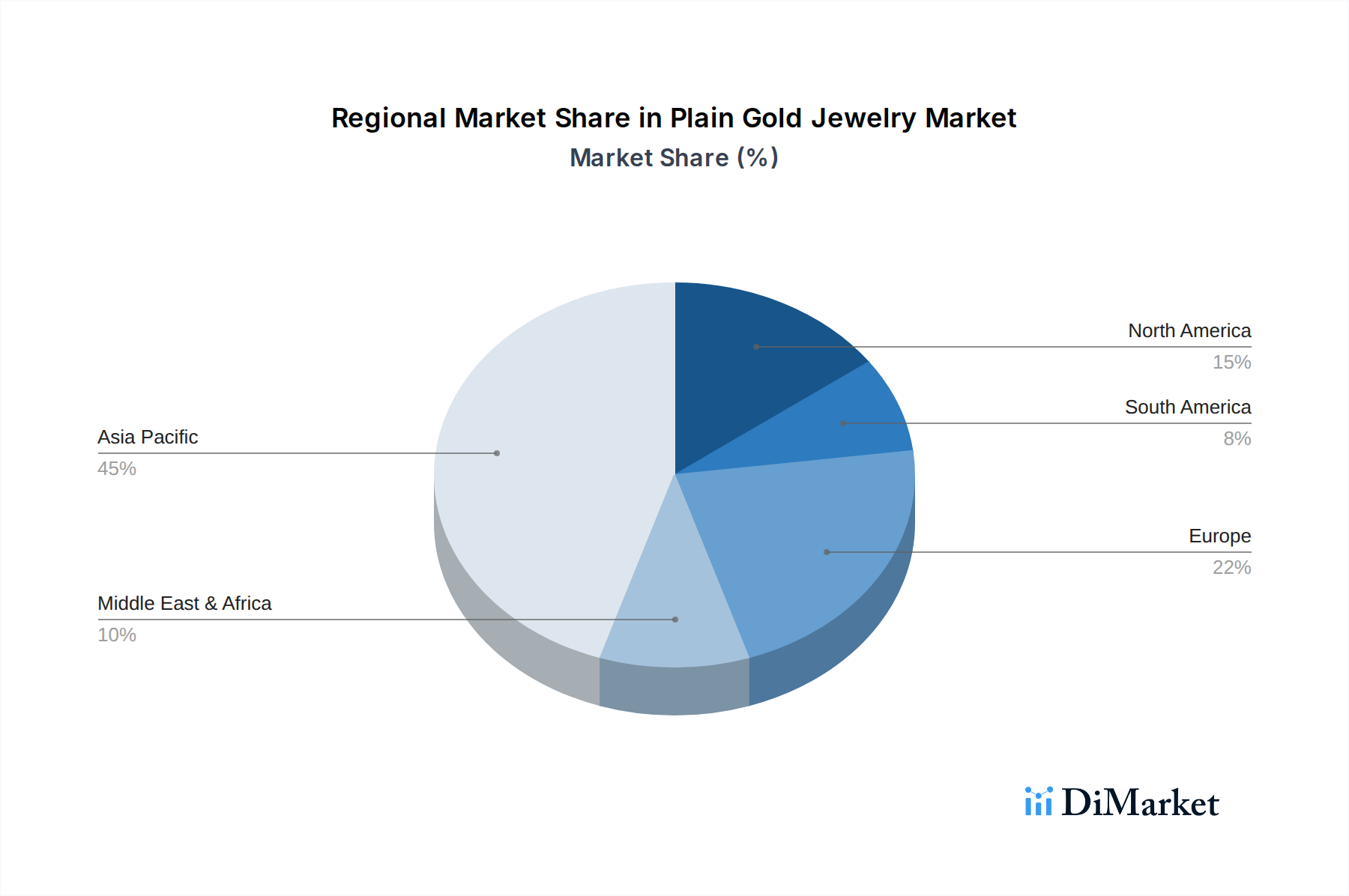
As of 2026, the American jewelry and gold market is defined by a strategic intersection of high-fashion luxury and safe-haven investment. Driven by fluctuating global interest rates and a preference for sustainable "Made in USA" craftsmanship, consumers are prioritizing high-karat recycled gold and ethically sourced gemstones to ensure long-term value retention.
The Economic Role of Gold in the 2026 American Market
Gold remains the primary anchor of the American jewelry industry, acting as both a raw material for artisans and a financial hedge for consumers. In 2026, the market reflects a sophisticated understanding of gold’s intrinsic value. Unlike seasonal fashion trends that may depreciate, gold jewelry in the United States is increasingly viewed through the lens of "portable wealth." This shift is largely due to the inflationary pressures observed in the early 2020s, which solidified gold's reputation as a stable asset.
The American market is unique because of its high volume of 14-karat (14k) gold consumption, though there is a growing movement toward 18k and 22k gold among luxury collectors. The valuation of jewelry in the current market is not merely based on the weight of the metal but also on the provenance of the piece. Collectors are willing to pay premiums for jewelry that carries a "Made in USA" certification, signaling adherence to strict labor laws and environmental standards.
Furthermore, the secondary market—comprising estate jewelry and "we buy gold" refineries—has reached a high level of transparency. In 2026, digital appraisal tools and blockchain-based certificates of authenticity have made it easier for the average consumer to track the spot price of gold and understand the melt value of their jewelry versus its retail markup. This transparency has forced retailers to be more competitive with their pricing and more explicit about the quality of the alloys used in their pieces.
Understanding Karatage and Purity Standards in the United States
Navigating the American gold market requires a firm grasp of the karat system, which measures the purity of gold. By law, the Federal Trade Commission (FTC) establishes strict guidelines for how jewelry must be labeled. In the United States, for an item to be called "gold," it must be at least 10 karats. Anything less cannot be marketed as gold jewelry, a standard that protects consumers from low-quality alloys that may tarnish or cause skin irritation.
24-karat gold is 100% pure gold. While it is highly valued for its color and lack of impurities, it is rarely used in standard American jewelry because it is exceptionally soft and prone to scratching. Instead, American manufacturers typically alloy gold with other metals like copper, silver, or zinc to increase durability.
The 14k gold standard (58.3% purity) remains the "sweet spot" for the American market. It offers a balance of the rich yellow hue of gold with the structural integrity needed for engagement rings and everyday wear. However, as we look at the market in 2026, 18k gold (75% purity) has seen a surge in popularity within the "quiet luxury" segment. Consumers in this demographic are prioritizing the higher gold content and the prestige associated with European-style purity standards, even if it requires more careful maintenance.
Consumer Trends: The Rise of Ethical and Sustainable American Jewelry
Sustainability is no longer a niche preference; in 2026, it is a market requirement. The American jewelry consumer is increasingly concerned with the "blood gold" and "conflict diamond" issues that have historically plagued the industry. Consequently, the market has seen a massive shift toward recycled gold. Most major American jewelry houses now highlight that their gold is sourced from existing supplies—such as old jewelry or industrial scrap—rather than newly mined ore.
This transition is supported by organizations like the Responsible Jewellery Council (RJC), which provides certifications for companies meeting high ethical standards. Recycled gold is chemically identical to newly mined gold, meaning there is no loss in quality or value. For the consumer, this offers a guilt-free purchase that aligns with modern environmental values.
In addition to the metal itself, the American market in 2026 is heavily influenced by the rise of lab-grown diamonds and gemstones. While this article focuses on gold, the relationship between the two is inseparable. As the price of stones has become more accessible through technology, consumers are often opting to spend the "savings" on higher-quality gold settings. This has led to a revitalization of the "heavy gold" aesthetic, where the setting is just as important—and sometimes more valuable—than the center stone.
Investment-Grade Gold vs. Commercial Jewelry
It is vital for participants in the American market to distinguish between jewelry and investment-grade gold (bullion). While jewelry contains gold, its price includes significant markups for design, branding, labor, and retail overhead. In contrast, bullion—which includes coins like the American Gold Eagle and bars—is priced primarily based on the current market spot price plus a small minting premium.
For those looking to preserve wealth, the American Gold Eagle remains one of the most liquid assets in the world. Struck by the United States Mint, these coins are guaranteed by the U.S. government for weight and purity. In 2026, many American investors maintain a "bimodal" portfolio: they purchase 14k or 18k jewelry for aesthetic enjoyment and 24k bullion coins for financial security.
When buying jewelry as a potential investment, one must consider the "resale hit." Most jewelry loses 30% to 50% of its retail value the moment it leaves the store because the buyer is paying for the craftsmanship and the brand, which the secondary market may not value as highly as the raw metal content. To mitigate this, savvy buyers in 2026 are looking for "investment jewelry"—pieces from iconic American brands like Tiffany & Co. or Harry Winston—where the brand name itself holds value and may even appreciate over time.
Comparison of Common Gold Karats in the US Market
The following table outlines the technical specifications and primary uses for different gold purities found in the American market in 2026.
| Karatage | Gold Purity % | Common Alloys | Durability | Typical Use Cases |
|---|---|---|---|---|
| 24k | 99.9% | None | Very Low | Bullion bars, investment coins, high-end ceremonial jewelry. |
| 22k | 91.7% | Silver, Copper | Low | Traditional ethnic jewelry, high-end investment jewelry. |
| 18k | 75.0% | Silver, Copper, Zinc | Medium | Luxury watches, high-end bridal, fine designer jewelry. |
| 14k | 58.3% | Copper, Nickel, Zinc | High | The US standard for engagement rings, chains, and earrings. |
| 10k | 41.7% | High Nickel/Copper | Very High | Entry-level jewelry, class rings, durable everyday bands. |
Navigating the Purchase: Verification and Hallmarking Standards
To ensure safety and value, buyers must understand how to verify gold in the American market. The National Gold and Silver Stamping Act requires that if a piece of jewelry is stamped with a quality mark (like 14k), it must also be accompanied by a trademark stamp from the manufacturer. This allows for accountability; if the gold is later found to be under-karated, the manufacturer can be held legally responsible.
In 2026, several methods are used to verify gold:
- Hallmark Inspection: Look for the "14k," "18k," or "585" (the metric equivalent for 14k) stamps. Use a jeweler’s loupe to check for the manufacturer's mark.
- Acid Testing: A traditional method where a small scratch is made on a testing stone and nitric acid is applied. The reaction indicates the gold's purity.
- X-Ray Fluorescence (XRF) Analyzers: Modern jewelry stores in 2026 often use XRF guns. These provide a non-destructive, instant readout of the exact elemental composition of the piece.
- Magnetism Test: Real gold is not magnetic. If a "gold" chain sticks to a magnet, it likely has a steel or iron core and is merely plated.
Consumers should also be wary of terms like "gold-filled," "gold-plated," and "vermeil." Gold-filled items are legally required to have a much thicker layer of gold bonded to a base metal than plated items, making them more durable. Vermeil specifically refers to high-quality sterling silver that has been plated with gold. While these are excellent budget-friendly options, they do not hold the same market value as solid gold.
Resale Value and Liquidating Gold Assets
The 2026 market for liquidating gold is more efficient than ever. If you find yourself needing to sell American jewelry or gold, the process typically involves selling to a "scrap" buyer or a reputable jeweler. Scrap buyers pay based on the spot price of gold at that exact moment, which is tracked globally via exchanges like the COMEX.
When selling, expect to receive between 70% and 90% of the gold's melt value. The buyer keeps the remaining percentage as a profit margin and to cover the costs of refining the metal back to 24k purity. For high-end designer pieces, it is often better to sell through a specialized consignment shop or an auction house, as these venues can capture the "artistic value" of the piece rather than just the weight of the gold.
Frequently Asked Questions
Is 14k gold better than 18k gold for an engagement ring?
In the American market, 14k gold is often considered superior for engagement rings due to its durability. Because engagement rings are worn daily and subjected to significant wear and tear, the higher alloy content in 14k gold makes it more resistant to bending and scratching. However, 18k gold is preferred for its richer color and is suitable if the wearer is mindful of the ring's maintenance.
Why is the price of gold jewelry so much higher than the gold spot price?
The retail price of jewelry includes the cost of the raw gold plus labor, design, marketing, and the jeweler's profit margin. Additionally, gold jewelry is often alloyed with other valuable metals like silver or palladium (especially in white gold), which adds to the cost. In 2026, "brand equity" also plays a significant role in pricing, as pieces from established American houses command a premium for their craftsmanship and heritage.
How can I tell if my jewelry is "Made in USA" and ethically sourced?
Look for specific certifications such as the RJC stamp or a "Made in USA" hallmark. Many modern American jewelers also provide a digital "passport" or blockchain certificate that traces the gold from the refinery to the retail shelf. Buying from members of the American Gem Society (AGS) or the Jewelers of America is another way to ensure ethical standards are met.
Does white gold have the same value as yellow gold?
Yes, the value of white gold is determined by its karatage (purity), just like yellow gold. A 14k white gold ring contains the same amount of pure gold as a 14k yellow gold ring. The difference in color comes from the alloys used (such as nickel or palladium) and a final plating of rhodium, which gives white gold its bright, silvery finish.
Is gold jewelry a good investment in 2026?
Gold jewelry is a "soft investment." While it retains intrinsic metal value and can act as a hedge against currency devaluation, the retail markup makes it less efficient than buying bullion bars or coins. It is best viewed as a wearable asset that will likely retain a significant portion of its value over decades, unlike electronics or automobiles.
Final Recommendation for Market Participants
Whether you are a collector or a first-time buyer, the best approach to the 2026 American jewelry and gold market is one of educated caution. Prioritize 14k gold for items intended for heavy use and 18k for statement pieces. Always verify hallmarks and seek out retailers who provide transparent sourcing information. If your primary goal is financial security, consider allocating a portion of your budget to U.S. Mint gold bullion alongside your jewelry purchases. By focusing on quality over quantity and understanding the technical standards of the FTC, you can ensure that your gold assets remain both beautiful and valuable for years to come.