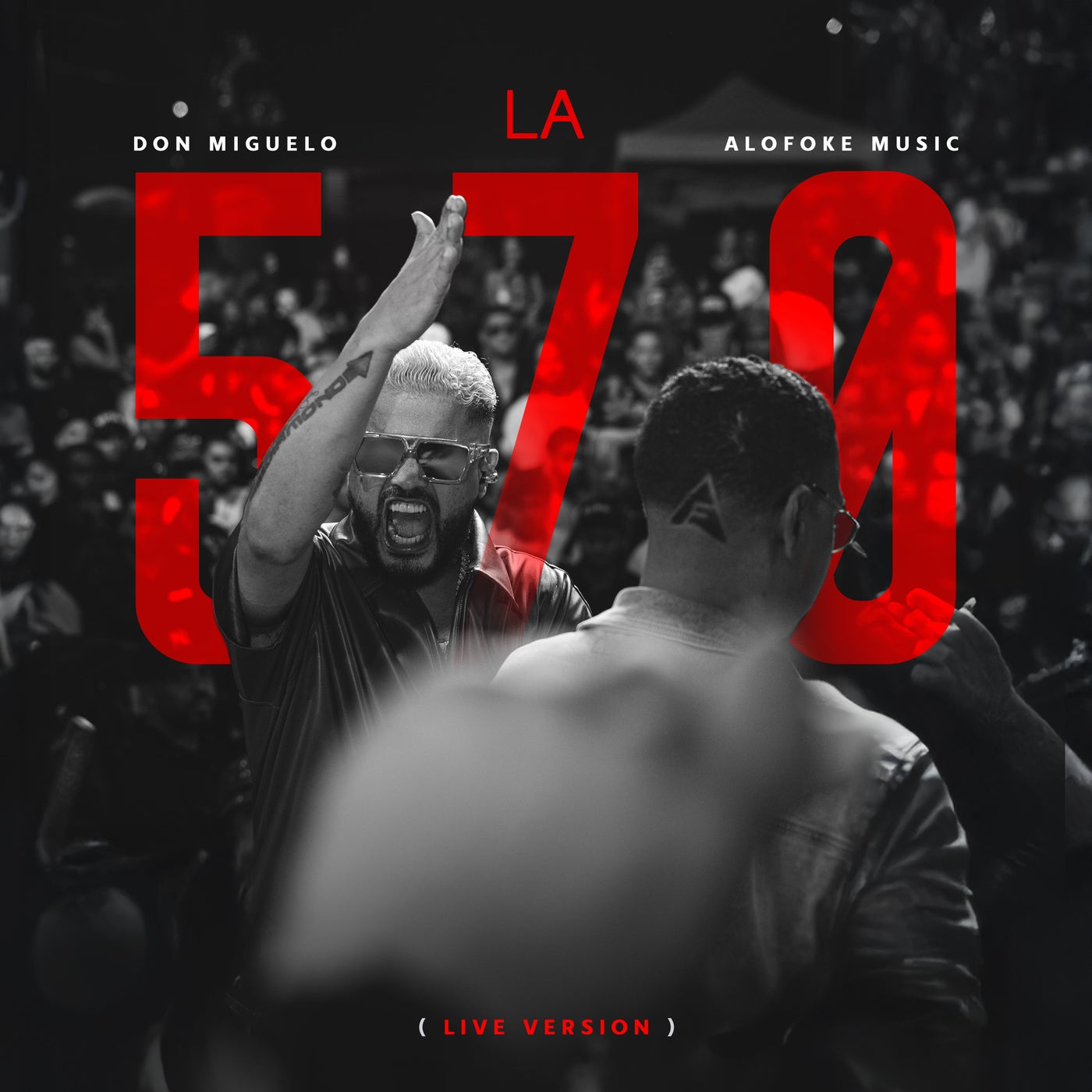
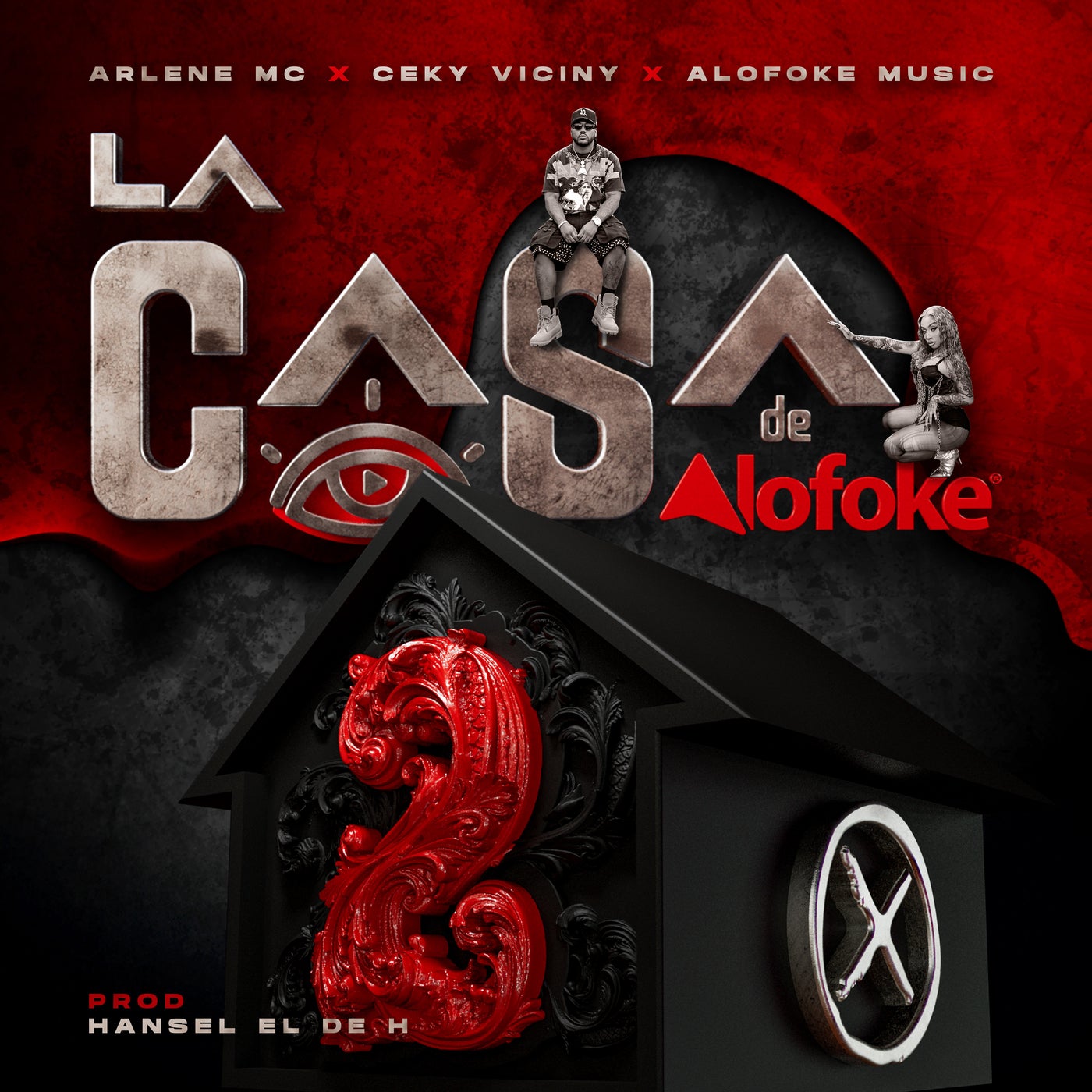
Alofoke Music Group stands as the most influential digital-first media conglomerate in the Latin urban market, fundamentally reshaping how Caribbean music is produced, promoted, and consumed. Led by Santiago Matías, the group serves as the primary gatekeeper for the Dominican dembow movement, bridging the gap between street-level talent and global commercial success.
The Evolution of the Alofoke Empire: From Blog to Global Powerhouse
The journey of Alofoke Music Group is a masterclass in digital disruption. What began in the late 2000s as a simple blog dedicated to the burgeoning Dominican rap and dembow scenes has, by 2026, evolved into a multi-platform empire that rivals traditional media giants like Univision or Telemundo in terms of cultural relevance. Santiago Matías, known as "Alofoke," recognized early on that the traditional gatekeepers of Latin music were largely ignoring the raw, often controversial sounds coming from the barrios of Santo Domingo.
The group’s growth trajectory shifted significantly around 2013 with the launch of the "Alofoke Radio Show." By leveraging YouTube as a primary distribution channel rather than relying on terrestrial radio alone, the group bypassed traditional regulatory and geographic limitations. This digital-first strategy allowed them to capture a global diaspora of Caribbean listeners, particularly in New York City, Spain, and South America. By 2026, the group has expanded its physical footprint with state-of-the-art studios in the "Edificio Rojo" (the Red Building) in Santo Domingo, which serves as the nerve center for a dozen different content verticals ranging from political commentary to high-stakes investigative journalism.
The core of the group’s success lies in its ability to maintain "street credibility" while operating with corporate efficiency. The transition from a niche promotional outlet to a massive media group involved significant investments in audiovisual technology, branding, and talent acquisition. Today, Alofoke Music Group is not just a promotional vehicle; it is a diversified entity that includes a record label, a radio network (Alofoke FM), a management firm, and a dominant social media presence that dictates the "trending" topics across the Latin world daily.
The Business Ecosystem: How Alofoke Music Group Operates
To understand the impact of Alofoke Music Group in the 2026 Latin music landscape, one must analyze its multifaceted business model. The group does not rely on a single revenue stream but rather a complex web of interconnected platforms that cross-promote and monetize content in real-time.
Digital Dominance and YouTube Monetization
The primary engine of the group remains its YouTube ecosystem. With several channels boasting millions of subscribers, the group generates substantial revenue through Google AdSense, but more importantly, through direct brand integrations and sponsorships. Unlike traditional TV networks that have fixed commercial breaks, Alofoke integrates products—ranging from beverages to luxury vehicles—directly into the long-form "podvision" format. This approach has proven highly effective for brands looking to reach the 18-34 Latin demographic.
Alofoke FM and Terrestrial Expansion
While digital is king, the group’s acquisition and rebranding of 99.3 FM in the Dominican Republic marked a major milestone in their quest for total media dominance. By merging the reach of traditional FM radio with the interactivity of live streaming, they have created a "hybrid" model. This allows them to capture both the older, commuting demographic and the younger, digitally native audience. The FM station serves as a 24/7 promotional loop for the artists and events under the Alofoke umbrella.
Talent Management and the Record Label
Alofoke Music Group acts as a hybrid between a traditional record label and a modern PR agency. While they have officially signed several artists over the years, their greater power lies in "strategic alliances." An artist who receives the "Alofoke stamp of approval" gains immediate access to a massive distribution network. In 2026, the group’s label services focus on digital distribution and maximizing streaming royalties, often taking a percentage of an artist's growth in exchange for the massive visibility provided by the group’s platforms.
The "Alofoke Effect": Transforming Dembow into a Global Phenomenon
The most significant contribution of Alofoke Music Group to the Latin music landscape is the internationalization of Dominican Dembow. Before Alofoke, Dembow was frequently dismissed by international critics as repetitive or "low-class." Through relentless promotion and strategic collaborations, the group helped elevate the genre to the Billboard charts and global festival stages.
The group played a pivotal role in the careers of artists like El Alfa, Tokischa, and Rochy RD. By providing a platform where these artists could tell their stories without the filters of traditional media, Alofoke created a level of intimacy between the performer and the fan that had never existed in the Latin market. This "raw" format—often featuring interviews that last two or three hours—allows for deep character development, turning artists into household names and digital celebrities.
In 2026, the "Alofoke Effect" is also visible in the way international superstars (such as Bad Bunny or Rosalía) engage with the Dominican market. Many of these global icons view a visit to the Alofoke studios as a mandatory stop in their promotional tours, recognizing that the group controls the "vibe" of the urban streets. This has turned the Dominican Republic into a critical hub for the Latin music industry, rivaling Miami and Medellín.
Comparative Analysis: Alofoke vs. Traditional Latin Media
The following table highlights the differences between the Alofoke Music Group model and traditional Latin media conglomerates in the year 2026.
| Feature | Alofoke Music Group | Traditional Latin Media (Univision/Telemundo) |
|---|---|---|
| Primary Platform | YouTube, Social Media, Live Stream | Linear Television, Cable, Apps |
| Content Style | Unfiltered, long-form, "Podvision" | Highly edited, scripted, time-constrained |
| Artist Access | Direct, raw, often controversial | Curated, PR-managed, "Safe" |
| Revenue Model | Digital ads, integrated sponsorships, live events | Traditional commercials, carriage fees |
| Demographic | Gen Z, Millennials, Diaspora | Broad Hispanic, older demographics |
| Speed to Market | Real-time / Immediate | Scheduled / Programmed |
| Geographic Focus | Global digital reach (DR-centric) | Regional/National (US/Mexico-centric) |
Cultural Influence and the "New Journalism" Debate
The rise of Alofoke Music Group has not been without significant controversy. The group is often at the center of debates regarding the ethics of "new journalism." Critics argue that the group prioritizes "clout" and "views" over factual accuracy, often giving a platform to controversial figures or airing private disputes (known as chismes) for entertainment.
However, Santiago Matías has consistently defended his model as a democratization of media. He argues that traditional journalism failed to represent the realities of the Caribbean youth. In the Alofoke ecosystem, there is no "fourth wall." The audience sees the arguments, the reconciliations, and the unfiltered opinions of their idols. This transparency—however chaotic—has fostered a fierce sense of loyalty among viewers.
By 2026, the group has also expanded into socio-political commentary. Shows like "Esto No Es Radio" have become essential listening for understanding the political climate in the Dominican Republic and the Caribbean. This diversification shows that the group is moving beyond music to become a comprehensive "voice of the people," further solidifying its place in the broader cultural landscape.
Technical Infrastructure and the Digital First Strategy
The technical superiority of Alofoke Music Group is a key factor in its 2026 dominance. While many competitors attempted to copy the "radio on camera" format, Alofoke invested heavily in cinematic quality. Their use of high-definition multi-cam setups, professional lighting, and advanced sound engineering ensures that their digital broadcasts look as professional as any network TV show, while maintaining the spontaneity of a live podcast.
Furthermore, the group’s mastery of the YouTube algorithm is unmatched. They employ a sophisticated "clipping" strategy, where a three-hour interview is broken down into 10-15 viral segments with high-engagement titles. This ensures that the content remains "evergreen" and continues to generate revenue and visibility long after the initial live broadcast. This technical approach to content distribution has become the blueprint for digital media startups across Latin America.
Future Outlook: The Global Expansion
As we look toward the remainder of 2026 and into 2027, Alofoke Music Group shows no signs of slowing down. Rumors of a permanent studio presence in Miami or Madrid suggest that the group is looking to localize its "unfiltered" format for other Latin hubs. Moreover, their foray into large-scale event production—such as the massive "Alofoke in the Prudential Center" and similar arena shows—indicates a move toward becoming a major player in the live entertainment space.
The group’s ability to pivot from music promotion to a full-scale media conglomerate suggests that they will remain a dominant force for years to come. Whether they are launching a new Dembow star or influencing a national election, Alofoke Music Group has proven that in the digital age, attention is the ultimate currency.
Frequently Asked Questions
Who is the owner of Alofoke Music Group?
Santiago Matías, popularly known as "Alofoke," is the founder and primary owner of the group. He began his career as a music promoter and blogger before building the media conglomerate that now includes radio stations, YouTube channels, and talent management divisions.
Is Alofoke Music Group a record label?
While it functions as a record label (Alofoke Music) and handles digital distribution for various artists, it is more accurately described as a media conglomerate. Its primary power lies in its promotional platforms (YouTube and FM Radio) rather than just the traditional signing and development of artists.
What is the significance of the "Alofoke Radio Show"?
The "Alofoke Radio Show" is the flagship program of the group. It is widely considered the most important platform for Latin urban artists. An appearance on the show is often seen as a "rite of passage" for new talent and a necessary stop for established stars looking to maintain their relevance in the urban market.
How has Alofoke influenced the genre of Dembow?
The group is largely responsible for the commercialization and globalization of Dembow. By providing a consistent platform for Dominican artists and facilitating collaborations with international stars, Alofoke helped move the genre from local "underground" status to the mainstream Latin charts.
Does Alofoke Music Group operate outside of the Dominican Republic?
Yes. While its headquarters are in Santo Domingo, its primary audience is global. It has a massive following in the United States (particularly New York and Florida), Spain, and across Latin America. The group frequently hosts events and live broadcasts from international locations to serve its global diaspora.
Practical Recommendation for Industry Professionals
For artists, labels, or brands looking to enter the Latin urban market in 2026, engagement with the Alofoke Music Group ecosystem is no longer optional—it is a strategic necessity. However, it is vital to approach this platform with a clear understanding of its "raw" nature. Unlike traditional media, an appearance on an Alofoke platform requires authenticity. Labels should prepare their artists for long-form, unscripted environments where personality is just as important as the music. For brands, the group offers a unique opportunity for high-impact product placement that reaches a demographic known for its high consumption of digital media and trend-setting behavior.