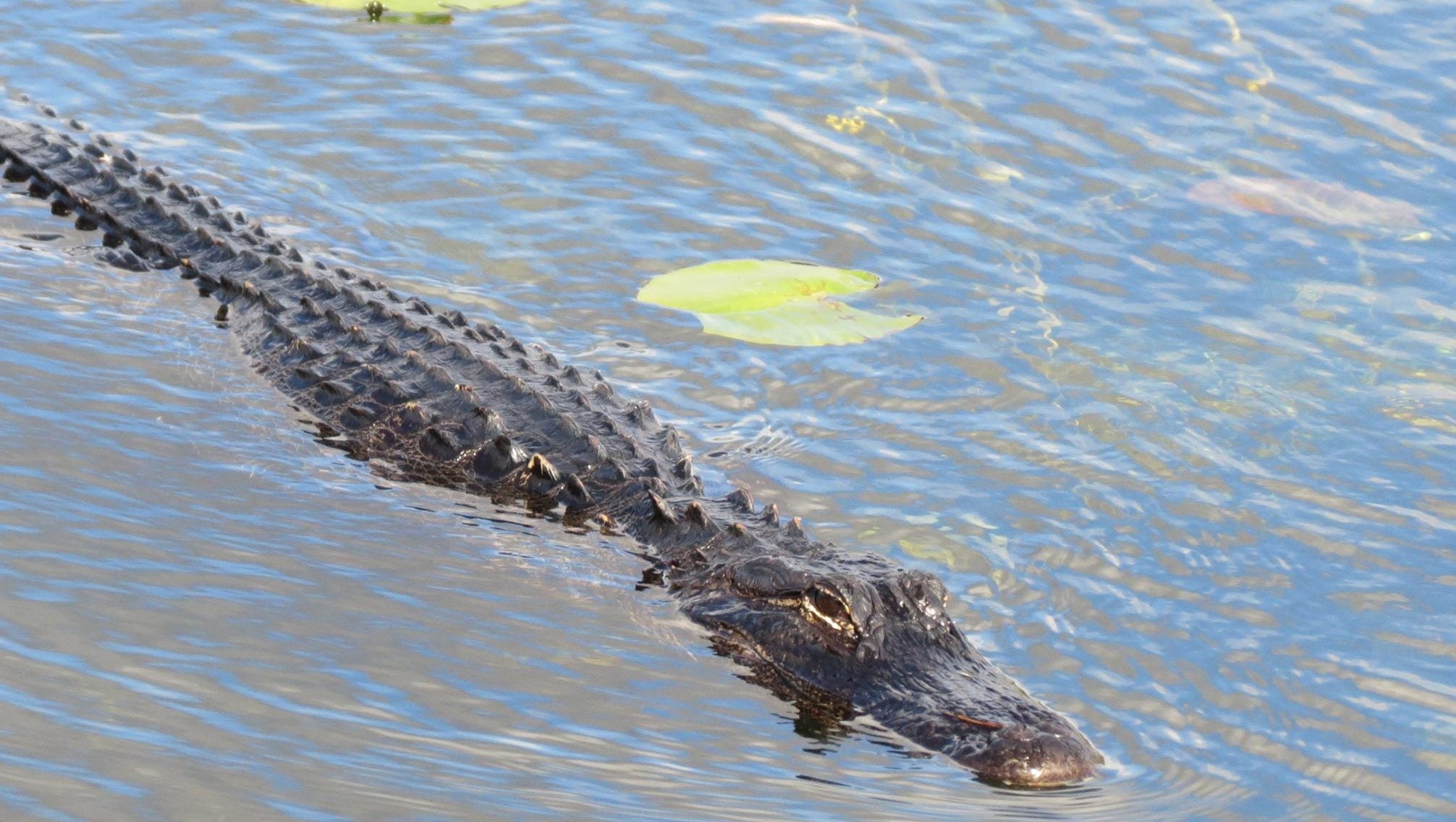
Alligators are a natural and indigenous part of the Central Florida ecosystem, including the waterways within Walt Disney World. While sightings are common due to the resort's location in a subtropical wetland, Disney employs a rigorous, 24-hour monitoring and removal program in partnership with state wildlife authorities to ensure guest safety and maintain a controlled environment across all 25,000 acres.
The Reality of Alligators in Central Florida
To understand why alligators are present at Walt Disney World, one must first understand the geography of Florida. The resort is located in the heart of the Florida peninsula, built upon what was once a vast network of marshes, swamps, and pine flatwoods. Florida is home to an estimated 1.3 million alligators, and they can be found in virtually all 67 counties.
As of 2026, the American alligator (Alligator mississippiensis) remains a protected species, though it is no longer endangered. Because Walt Disney World is integrated with natural water bodies—including the massive Bay Lake and the man-made Seven Seas Lagoon—alligators can move freely through the state’s interconnected canal systems. These reptiles do not recognize property boundaries; to them, a Disney resort lagoon is no different from a secluded swamp in the Everglades.
The presence of alligators is a biological certainty in any large body of fresh water in the state. However, the presence of an alligator does not inherently equal a threat. Most alligators are naturally afraid of humans and will move away if approached. The challenge in a high-traffic tourist destination like Disney World is ensuring that these natural behaviors are managed so that the animals do not become "habituated" to human presence.
The 2016 Turning Point and Safety Evolution
The management of alligators at Walt Disney World underwent a fundamental shift following the tragic incident at the Grand Floridian Resort & Spa in June 2016. Before this event, Disney's approach to wildlife was largely focused on guest education regarding "no swimming" in lagoons, but the physical barriers were minimal.
Following the incident, the Walt Disney Company implemented a comprehensive safety overhaul that remains the gold standard for Florida theme parks in 2026. This included:
- Physical Barriers: The installation of large-scale boulder walls and reinforced fencing along the shorelines of resort beaches, specifically at locations like the Grand Floridian, Polynesian Village, and Contemporary resorts.
- Enhanced Signage: New, explicit warning signs were placed every few yards along waterways. These signs evolved from simple "No Swimming" notices to include icons of alligators and snakes with clear text: "DANGER: ALLIGATORS AND SNAKES IN AREA. STAY AWAY FROM THE WATER. DO NOT FEED THE WILDLIFE."
- Staff Training: Cast Members across all departments, from housekeeping to recreation, receive specific training on how to identify alligator activity and the immediate protocol for reporting sightings to the animal control teams.
Alligator Management and Removal Protocols
Disney does not simply "live and let live" when it comes to alligators in guest-facing areas. The company operates under a specific permit from the Florida Fish and Wildlife Conservation Commission (FWC) as part of the Statewide Nuisance Alligator Program (SNAP).
The Role of SNAP
The FWC defines a "nuisance" alligator as one that is at least four feet in length and is believed to pose a threat to people, pets, or property. At Disney World, the threshold is even more conservative. If an alligator is spotted in a high-traffic area, such as a resort pool area or a theme park canal, it is often flagged for removal regardless of its size if it shows a lack of fear toward humans.
The Removal Process
When a sighting is reported, Disney’s internal pest control and wildlife teams assess the situation. If the alligator meets the criteria for removal, a state-contracted nuisance alligator trapper is called. It is a common misconception that these alligators are "relocated" to other areas of the property. Per FWC regulations, nuisance alligators are typically euthanized or sold to alligator farms for their meat and hide. This is because alligators have a strong homing instinct; if moved to a different lake, they will often attempt to return to their original territory, crossing roads and residential areas in the process.
| Feature | Pre-2016 Protocol | 2026 Safety Standards |
|---|---|---|
| Primary Signage | General "No Swimming" signs | Specific Alligator/Snake warnings with icons |
| Shoreline Access | Open sandy beaches to water's edge | Rock barriers and/or mesh fencing |
| Patrol Frequency | Reactive (on report) | Proactive (daily sweeps of waterways) |
| Guest Education | Minimal (via resort guides) | Explicit (via digital apps and signage) |
| Response Time | Standard wildlife call | Immediate deployment of safety teams |
High-Risk Areas and Sightings Locations
While alligators can technically appear in any body of water, certain areas of the Walt Disney World Resort are more prone to sightings due to their proximity to natural habitats and the size of the water bodies.
Seven Seas Lagoon and Bay Lake
These are the most prominent bodies of water on property, connecting the Magic Kingdom to several major resorts. Because these lakes are deep and connected to natural canals, they house a resident population of alligators. Guests on the monorail or ferries often spot them sunning on the remote banks away from the guest docks.
Resort Canals
Resorts such as Disney’s Saratoga Springs, Old Key West, and Port Orleans (Riverside and French Quarter) are built along the Sassagoula River and various man-made canals. These slow-moving, vegetation-rich waters are ideal habitats for smaller alligators. Disney monitors these areas closely, particularly where guest walkways run parallel to the water.
Theme Park Waterways
Even inside the theme parks, alligators are occasionally spotted. Common locations include:
- The Liberty Square Riverboat route (Magic Kingdom)
- The canals surrounding Pandora – The World of Avatar (Animal Kingdom)
- The waters of World Discovery (EPCOT)
In these instances, Disney usually closes off the immediate viewing area until the animal is either encouraged to move back into a non-guest area or is removed by trappers.
Guest Best Practices: Staying Safe in 2026
Despite the presence of these reptiles, the statistical risk of an alligator encounter at Disney World remains extremely low, provided guests follow established rules. Safety in a Florida wetland environment requires a combination of common sense and adherence to resort policies.
1. Observe All Signage
The "No Swimming" rule is absolute. Even if the water looks clear or shallow, guests should never wade into the lagoons or lakes. The shoreline is where alligators are most likely to hunt or bask.
2. Never Feed the Wildlife
This is the most critical rule for preventing alligator attacks. When people feed alligators—even small ones—the animals lose their natural fear of humans and begin to associate people with food. A "habituated" alligator is a dangerous alligator. If you see another guest feeding birds or fish near a waterway, it is advisable to notify a Cast Member, as this can attract larger predators to the area.
3. Supervise Children and Pets
Children are smaller and move more erratically, which can trigger the predatory instinct of an alligator. Always keep children away from the water's edge, especially at dusk and dawn when alligators are most active. For guests staying at "dog-friendly" Disney resorts, the same rules apply; pets should be kept on short leashes and away from any canal or pond banks.
4. Be Aware of "Alligator Time"
Alligators are ectothermic (cold-blooded) and are most active during the warmer months. In the Florida heat of 2026, guests should be particularly vigilant during the spring mating season (April–June) and the summer months. They are primarily nocturnal or crepuscular hunters, meaning they are most active between dusk and dawn. Avoid walking near water bodies during these times.
What to Do If You See an Alligator
If you spot an alligator during your Disney vacation, do not panic. Most of the time, the animal is simply passing through or sunning itself.
- Maintain Distance: Keep at least 60 feet (about four car lengths) away from the animal.
- Do Not Agitate: Never throw rocks, food, or objects at an alligator to get it to move or open its mouth for a photo.
- Notify a Cast Member: If the alligator is in a guest area (near a pool, walkway, or dock), find the nearest employee. They have a direct radio line to the wildlife management team.
- Avoid the Water's Edge: If you see an alligator in the water, do not stand on the bank to watch it. Move to a higher vantage point or a fenced area.
The Ecological Role of Alligators at Disney
While the focus at Disney World is primarily on guest safety, the resort also recognizes the ecological importance of the alligator. As an apex predator, the American alligator plays a vital role in maintaining the balance of the Florida wetlands. They help control the populations of other animals, such as raccoons, turtles, and fish, which might otherwise overpopulate the resort's waterways.
In areas like Disney’s Animal Kingdom or the Wildlife Preserve (located south of the main resort), alligators are viewed through a lens of conservation. In these controlled environments, they are part of the educational narrative, teaching guests about the importance of biodiversity and the "Old Florida" landscape that exists beneath the theme park magic.
Frequently Asked Questions
Are there alligators in the Disney hotel pools?
It is extremely rare for an alligator to enter a chlorinated swimming pool, as the chemicals are irritating to their eyes and skin. Additionally, Disney resort pools are typically fenced and monitored by lifeguards. However, in the event of heavy rain or flooding, a small alligator could theoretically wander into a pool area. If this happens, lifeguards are trained to evacuate the pool immediately and call for removal.
Does Disney use "alligator repellent" in the water?
No, there is no such thing as an effective chemical alligator repellent for large bodies of open water. Disney relies on physical barriers, habitat management (keeping shorelines clear of excessive vegetation), and proactive removal to manage the population.
How many alligators does Disney remove each year?
Historical data from the FWC indicates that Disney's nuisance alligator trappers remove anywhere from 80 to over 200 alligators annually across the entire property. This number fluctuates based on weather patterns and alligator migration cycles. The high number of removals reflects Disney's "zero-tolerance" policy for gators in guest areas rather than an unusually high population.
Can alligators climb the fences at Disney?
While alligators are surprisingly good climbers and can scale chain-link fences, the barriers installed at Disney resorts are designed with safety in mind. Many fences use specialized mesh or are integrated into steep rock walls (bollards) that are much more difficult for an alligator to navigate. Furthermore, these barriers are intended to keep humans out of the water as much as they are to keep gators in.
Are the alligators at Disney World dangerous?
Any wild animal can be dangerous if provoked or if it has lost its fear of humans. However, since the 2016 safety implementations, there have been no major alligator-related injuries at the resort. The management system is designed to identify and remove "bold" alligators before they become a threat to the public.
Final Recommendation for Visitors
When visiting Walt Disney World in 2026, the best approach to wildlife is a respectful one. Enjoy the natural beauty of Florida’s ecosystem, but always prioritize the safety protocols established by the resort. Treat every body of water as if an alligator is present—not out of fear, but as a matter of standard Florida safety. By staying behind barriers, respecting "No Swimming" signs, and never feeding wildlife, you can ensure a safe and magical experience for your entire family.