The American Funds Investment Company of America (ICA) is one of the oldest and largest actively managed mutual funds in the United States. Established in 1934, the fund seeks to provide long-term growth of capital and income by investing primarily in a diversified portfolio of blue-chip common stocks. Managed by Capital Group, the fund is known for its multi-manager approach, designed to provide consistency and lower volatility relative to the broader equity market.
As of 2026, Investment Company of America remains a cornerstone for millions of retirement accounts and individual brokerage portfolios. Its longevity—having survived the Great Depression, World War II, and numerous market cycles—serves as a testament to its conservative yet opportunistic investment philosophy. This article explores the fund's internal structure, performance metrics, fee considerations, and its role within a modern diversified portfolio.
The Philosophical Foundation of Investment Company of America
The Investment Company of America was built on a simple yet profound premise: that a broad collection of high-quality American businesses could provide both wealth accumulation and steady income for the average investor. Unlike many contemporary funds that pivot toward high-risk startups or niche sectors, ICA maintains a "blue-chip" focus. It prioritizes companies with established business models, strong balance sheets, and a history of navigating economic shifts.
The fund’s primary objective is divided into two parts: capital growth and current income. While it is classified as a "Growth-and-Income" fund, it leans heavily toward large-cap value and core equities. In the market environment of 2026, where volatility in the technology sector and shifting interest rates have challenged passive index strategies, the active oversight provided by ICA has regained significant attention from investors seeking a more defensive equity posture.
The Capital System: A Multi-Manager Approach
One of the most distinct features of American Funds, and specifically the Investment Company of America, is the Capital System. While many mutual funds are led by a single "star" portfolio manager, ICA is divided into several segments, each managed independently by a different portfolio manager or a research team.
Diversification of Thought
Each manager is responsible for a portion of the fund's total assets. They have the autonomy to invest their "sleeve" according to their highest convictions, provided those investments align with the fund's overall objective of growth and income. This structure creates a "diversification of thought" that is rare in the industry. Because different managers have different styles—some focusing on dividend yield, others on cyclical recovery—the fund's overall performance tends to be smoother than a single-manager fund.
The Role of Investment Analysts
In addition to the primary portfolio managers, a significant portion of ICA’s assets is managed by the firm’s investment analysts. These analysts are specialists in specific sectors, such as healthcare, energy, or consumer staples. By allowing analysts to manage a segment of the portfolio, Capital Group ensures that the fund reflects the best ideas coming directly from deep, fundamental research. This "boots-on-the-ground" approach allows the fund to identify underpriced opportunities before they become mainstream market trends.
Portfolio Composition and Sector Exposure
The Investment Company of America primarily invests in U.S.-based companies, though it does have the flexibility to invest a small percentage of assets in international securities when the managers identify superior value abroad.
Core Holdings and Quality Filters
The portfolio typically holds between 150 and 200 securities. While this may seem less diversified than an S&P 500 index fund, the concentration is intentional. Managers look for "quality" filters, which include:
- Earnings Consistency: Companies that have demonstrated the ability to grow earnings across different economic cycles.
- Dividend History: A preference for companies that not only pay dividends but have a track record of increasing them over time.
- Market Leadership: Dominant players in their respective industries with significant "moats" or competitive advantages.
Sector Weightings in 2026
While sector weightings shift based on market conditions, ICA traditionally maintains significant exposure to Information Technology, Healthcare, and Financials. However, unlike a pure growth fund, it balances these with "old economy" sectors like Industrials and Consumer Staples. This balance is critical for the "income" portion of its mandate, as these sectors often provide the yield that pure-play tech stocks lack.
Understanding Share Classes and Fees
Investing in American Funds often involves navigating a complex landscape of share classes. Each class has a different fee structure, which can significantly impact long-term returns.
| Share Class | Primary Ticker | Sales Charge (Load) | Expense Ratio (Approx) | Intended Audience |
|---|---|---|---|---|
| Class A | AIVSX | 5.75% (Front-end) | 0.57% | Individual investors with advisors |
| Class C | AICCX | 1.00% (Level-load) | 1.35% | Short-term investors (rarely recommended) |
| Class F-2 | ICAFX | None | 0.38% | Fee-based advisory accounts |
| Class R-6 | RICFX | None | 0.27% | Institutional/401(k) plans |
The Impact of Sales Charges
Class A shares (AIVSX) are the most common for retail investors. They carry a front-end sales charge, meaning a portion of your initial investment goes toward paying the financial advisor's commission. However, American Funds offers breakpoints. If an investor commits a certain amount of capital (e.g., $25,000, $50,000, or $100,000), the sales charge is reduced. For investments over $1 million, the sales charge is typically waived entirely.
Expense Ratios and Active Management
The expense ratio for ICA is notably lower than the average for actively managed equity funds. While it cannot compete with the rock-bottom fees of a passive S&P 500 ETF, the value proposition lies in the active risk management and the potential for downside protection during bear markets.
Performance Analysis: Historical and Modern Context
When evaluating the Investment Company of America, it is essential to look beyond short-term returns. Because the fund prioritizes capital preservation and income, it may underperform aggressive growth benchmarks during speculative "bull" runs, such as the AI-driven surge of the early 2020s.
Risk-Adjusted Returns
The true strength of ICA is its capture ratio. Historically, the fund has aimed to capture a significant portion of the market's upside while participating in less of the downside. For conservative investors or those approaching retirement in 2026, this lower "beta" (volatility relative to the market) is often more important than beating the S&P 500 by a fraction of a percent.
Dividend Yield
The income component of the fund provides a "cushion" for total returns. Dividends are typically paid quarterly. In a 2026 economic environment characterized by stabilizing inflation and moderate interest rates, the yield produced by ICA’s blue-chip holdings serves as a reliable source of cash flow that can either be reinvested to buy more shares or taken as income.
Practical Considerations for Investors
Before adding the Investment Company of America to a portfolio, investors should consider several practical factors regarding tax efficiency and account types.
Tax Efficiency
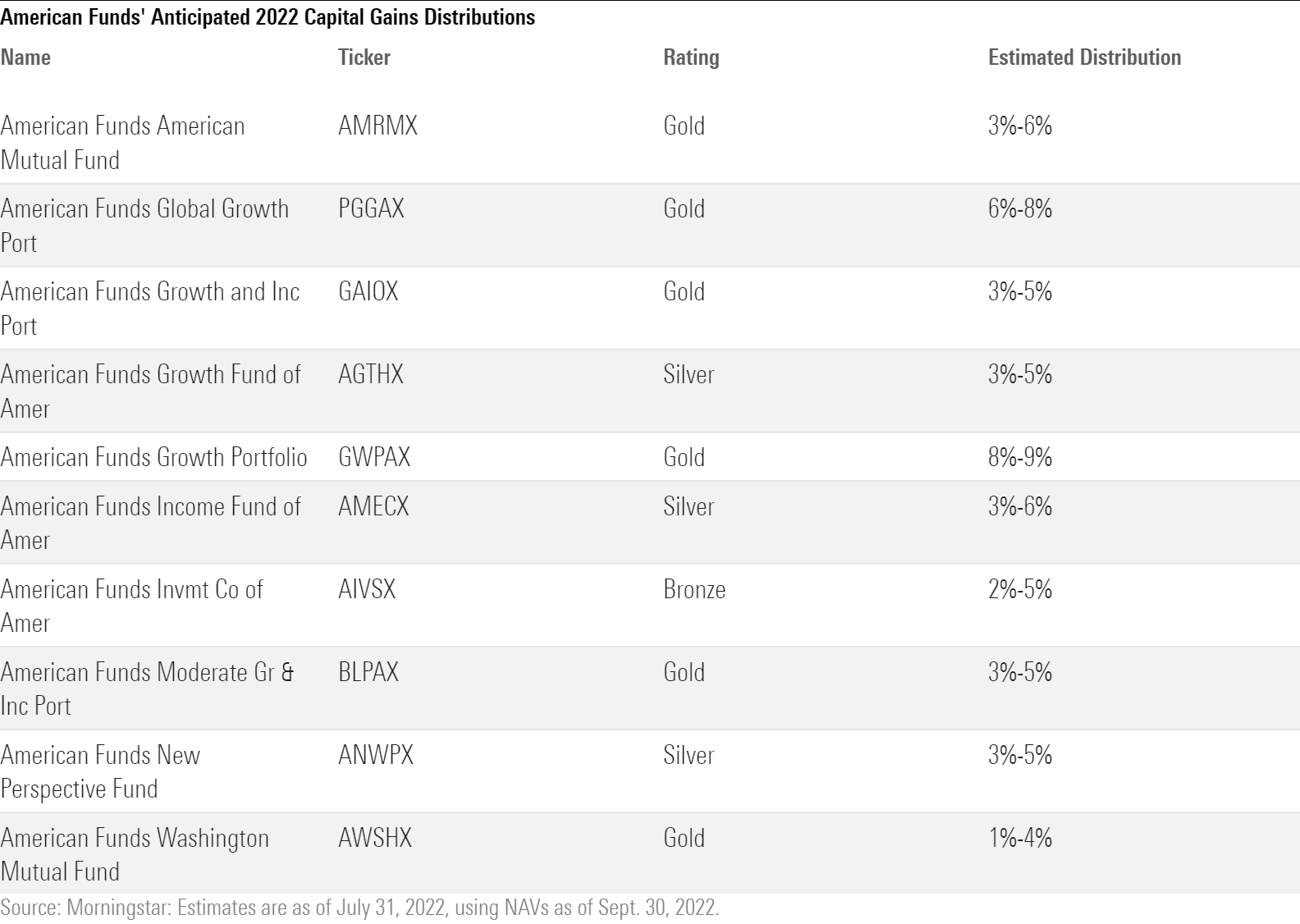
Because ICA is an actively managed mutual fund, it may distribute capital gains to shareholders when managers sell positions within the portfolio. This can create a tax liability for investors holding the fund in a taxable brokerage account. Consequently, many investors prefer to hold ICA within tax-advantaged accounts like a 401(k), 403(b), or Individual Retirement Account (IRA), where these distributions are not taxed until withdrawal.
Suitability
The fund is generally most appropriate for:
- Long-term Investors: Those with a time horizon of five years or more.
- Retirees or Pre-retirees: Individuals who need equity exposure but want to mitigate the risk of severe drawdowns.
- Core Holding Seekers: Investors looking for a "one-stop-shop" for large-cap U.S. equity exposure.
Common Mistakes to Avoid
- Ignoring Breakpoints: If you are investing a large sum, ensure your advisor applies the correct breakpoint to reduce your sales commission.
- Chasing Short-term Performance: ICA is a marathon runner, not a sprinter. Selling the fund after a year of slight underperformance relative to the Nasdaq 100 often leads to missing out on the fund's long-term compounding benefits.
- Over-concentration: While ICA is diversified, it should still be part of a broader strategy that includes international equities, small-cap stocks, and fixed income (bonds).
Frequently Asked Questions
What is the difference between AIVSX and other American Funds?
While American Funds offers many equity products, the Investment Company of America is its most "balanced" large-cap offering. For comparison, the Fundamental Investors (AFICX) fund focuses more on flexible growth, and the Washington Mutual Investors Fund (AWSHX) has stricter requirements for dividend-paying stocks and avoids sectors like alcohol or tobacco. ICA sits in the middle, offering a blend of growth and income.
Is the Investment Company of America an Index Fund?
No, it is an actively managed mutual fund. Unlike an index fund that must buy every stock in a benchmark (like the S&P 500) regardless of price or quality, ICA’s managers selectively choose stocks they believe will perform well. This active approach aims to provide better risk-adjusted returns over time.
Can I buy AIVSX without an advisor?
While American Funds are primarily sold through financial intermediaries, some discount brokerages allow investors to purchase certain share classes. However, you may still be subject to sales charges or higher minimum investments. For most retail investors, the fund is accessed through an employer-sponsored retirement plan or a professional financial advisor.
How has the fund performed in 2026?
In 2026, the fund has continued to focus on "quality" and "valuation." With the market moving away from pure momentum stocks toward companies with sustainable cash flows, ICA’s disciplined approach has remained relevant. Investors should check their specific quarterly statements for the most up-to-date performance figures, as these are subject to market fluctuations.
What are the risks associated with this fund?
The primary risk is market risk. Because the fund invests in stocks, its value will fluctuate. While its blue-chip focus provides some stability, it is not immune to broad market crashes. Additionally, because it is actively managed, there is "manager risk"—the possibility that the portfolio managers make investment decisions that underperform the benchmark.
Recommendation for Next Actions
If you are considering an investment in the American Funds Investment Company of America, your first step should be to review your current portfolio's asset allocation. Determine if you are over-weighted in aggressive growth or if you lack a stable core of large-cap equities.
For those with access to a financial advisor, ask for a "Breakpoint Analysis" to see how your total assets across all American Funds might qualify you for reduced sales charges. If you are an individual investor using a 401(k), check to see if the Class R-6 (RICFX) shares are available, as these offer the lowest internal costs without any sales loads.
Ultimately, the Investment Company of America is a "legacy" fund for a reason. Its structure is designed for the patient investor who values consistency over "get-rich-quick" volatility. By combining a 90-year history with a modern multi-manager system, it remains a formidable tool for long-term wealth preservation and growth.
For further verification of fund holdings and regulatory filings, investors may visit the official Capital Group website or search the SEC EDGAR database for the fund's latest N-PORT and annual report filings. Detailed fee disclosures can also be found through the FINRA BrokerCheck tool when working with a registered representative.
Professional Advice Limitation: This article is for informational purposes only and does not constitute financial, legal, or tax advice. Mutual fund investments involve risk, including the possible loss of principal. Past performance is no guarantee of future results. Consult with a qualified financial professional before making any investment decisions.