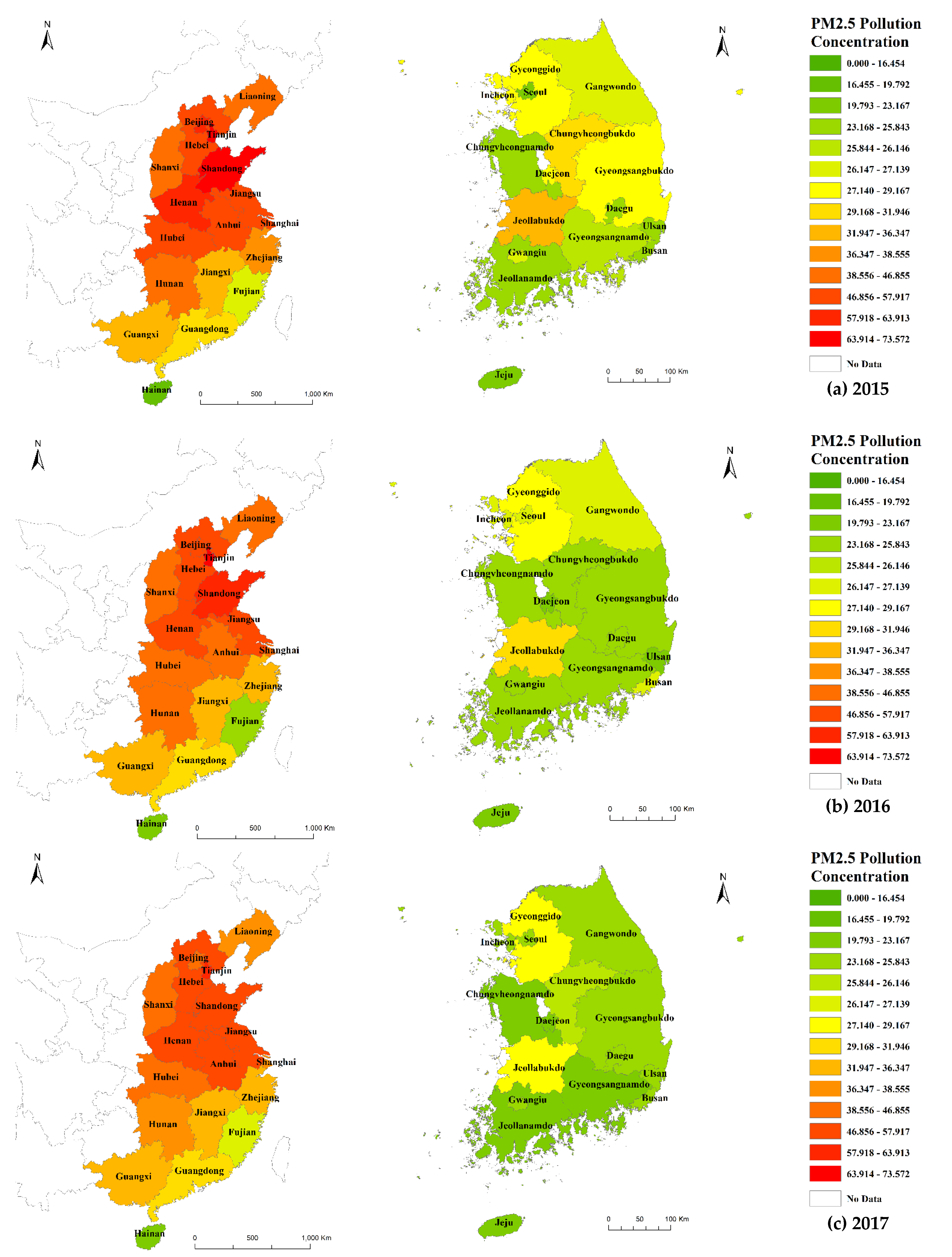
Air pollution in South Korea is a complex environmental challenge primarily characterized by high levels of fine particulate matter (PM2.5) and seasonal yellow dust. It stems from a combination of domestic industrial emissions, vehicle exhaust, and transboundary pollutants. Residents and travelers must use real-time monitoring tools and protective measures, such as KF-certified masks, to mitigate health risks.
Understanding the Composition of Air Pollution in Korea
Air quality in South Korea is defined by several key pollutants, but none are more discussed or more impactful than particulate matter. In local terminology, "fine dust" (mise-monji) is categorized into two main types based on the diameter of the particles. PM10 refers to particles with a diameter of 10 micrometers or less, while PM2.5 refers to "ultrafine" particles smaller than 2.5 micrometers.
The danger of PM2.5 lies in its ability to bypass the respiratory system’s natural filters, penetrating deep into the lungs and even entering the bloodstream. As of 2026, while South Korea has seen a gradual improvement in annual average concentrations due to aggressive government interventions, the frequency of "bad" air quality days during specific seasons remains a significant public health concern.
Beyond particulate matter, other pollutants play a role in the Korean atmosphere. Nitrogen Dioxide (NO2), primarily from vehicle emissions and power plants, and Ground-level Ozone (O3), which peaks during the hot summer months, are also monitored. Sulfur Dioxide (SO2) and Carbon Monoxide (CO) have generally decreased in recent years due to stricter fuel standards and the phasing out of older industrial processes. However, the interaction between these gases and sunlight often leads to the formation of secondary particulate matter, further complicating the air quality landscape.
The Seasonal Cycle of "Fine Dust" and "Yellow Dust"
Air pollution in Korea is not a static problem; it follows a distinct seasonal pattern influenced by regional meteorology. Understanding this cycle is essential for anyone living in or visiting the peninsula.
Winter and Early Spring: The Peak Season
From December through March, South Korea often experiences its worst air quality. This is due to a combination of increased heating demands, industrial activity, and the "Siberian High" pressure system. When this high-pressure system weakens, it often leads to atmospheric stagnation. Without wind to disperse pollutants, domestic emissions accumulate over the Seoul Metropolitan Area and other industrial hubs like Incheon and Ulsan.
Additionally, this period marks the arrival of "Yellow Dust" (Hwang-sa). Originating from the Gobi Desert and the Plateau of Inner Mongolia, these sandstorms pick up industrial pollutants as they travel across East Asia. The result is a hazy, yellowish sky and significantly elevated PM10 levels.
Summer: The Relief Period
Generally, summer brings the cleanest air to Korea. The prevailing winds shift to the south and east, bringing moist, clean air from the Pacific Ocean. Furthermore, the heavy rains of the "Jangma" (monsoon season) act as a natural scrubbing mechanism, washing particulate matter out of the atmosphere. The primary concern during summer is not fine dust but high ozone levels, which can occur on particularly hot, sunny days.
Autumn: The Transitional Phase
Autumn is characterized by clear skies and relatively low pollution. However, as the heating season begins in late October and the winds shift back to the northwest, the first spikes of PM2.5 often begin to appear, signaling the start of the winter pollution cycle.
Primary Sources of Pollutants: Domestic vs. Transboundary
The debate over the origins of Korea's air pollution is a focal point of scientific and political discussion. Research, including the landmark KORUS-AQ study conducted by NASA and the National Institute of Environmental Research (NIER), suggests that the source of pollution varies significantly depending on weather conditions.
Domestic Contributions
On average, domestic sources account for roughly 50% to 60% of the air pollution in Korea. Key contributors include:
- Transportation: Diesel vehicles remain a significant source of NO2 and primary PM2.5, despite the rapid adoption of electric vehicles (EVs) in the 2020s.
- Industrial Clusters: The heavy industrial zones in the southeast (Ulsan, Pohang) and the west coast (Incheon, Dangjin) house steel mills, petrochemical plants, and coal-fired power plants.
- Construction and Small Business: Dust from large-scale urban redevelopment projects and emissions from unregulated small-scale manufacturing units add to the local load.
Transboundary Contributions
During periods of high-altitude westerly winds, the contribution from neighboring countries can rise to 70% or more. Pollutants from industrial regions in East Asia travel across the Yellow Sea. This transboundary flow includes both primary particles and precursor gases that react in the atmosphere to form secondary inorganic aerosols (sulfates and nitrates) before reaching the Korean Peninsula.
Health Implications and Public Safety Concerns
The health impact of air pollution in Korea is a major driver of public policy and consumer behavior. Long-term exposure to high levels of PM2.5 is linked to a variety of chronic conditions.
Respiratory and Cardiovascular Effects
Fine particles cause inflammation in the airways, exacerbating asthma and chronic obstructive pulmonary disease (COPD). More critically, because PM2.5 can enter the circulatory system, it is a proven risk factor for heart attacks, strokes, and hypertension. The World Health Organization (WHO) has classified outdoor air pollution and particulate matter as Group 1 carcinogens, noting a direct link to lung cancer.
Vulnerable Populations
Children, the elderly, and pregnant women are at the highest risk. Children breathe faster than adults and their lungs are still developing, making them more susceptible to permanent lung damage. In the elderly, air pollution can accelerate cognitive decline and worsen existing heart conditions.
"Fine Dust Anxiety"
The psychological impact, often referred to as "fine dust anxiety," is a unique social phenomenon in Korea. The lack of visibility and the constant need to check air quality apps can lead to decreased outdoor activity, impacting mental well-being and physical fitness levels across the population.
Monitoring Systems and Real-Time Data Access
South Korea possesses one of the most sophisticated air quality monitoring networks in the world. The primary resource for official data is AirKorea, managed by the Korea Environment Corporation (KECO).
How to Check Air Quality
Residents have several ways to access real-time data:
- AirKorea Website and App: Provides detailed breakdowns of PM2.5, PM10, O3, NO2, CO, and SO2 by neighborhood.
- CAI (Comprehensive Air-quality Index): A simplified color-coded system used on public displays and mobile apps.
- Third-Party Apps: Popular apps like "MiseMise" use AirKorea data but provide more intuitive visual cues and health recommendations based on WHO standards, which are often stricter than the South Korean national standards.
The table below outlines the Korean Air Quality Index (CAI) categories and the corresponding recommended actions for the general public as of 2026.
| Category | CAI Range | PM2.5 (µg/m³) | Recommended Actions |
|---|---|---|---|
| Good (Blue) | 0 - 50 | 0 - 15 | Outdoor activities are encouraged. |
| Normal (Green) | 51 - 100 | 16 - 35 | Normal outdoor activity; sensitive groups should monitor symptoms. |
| Bad (Yellow) | 101 - 250 | 36 - 75 | Reduce prolonged or heavy exertion outdoors. Wear a mask. |
| Very Bad (Red) | 251+ | 76+ | Avoid all outdoor activities. Keep windows closed and use air purifiers. |
Government Policies and the 2026 Outlook
By 2026, the South Korean government has implemented several layers of the "Special Act on Fine Dust Reduction and Management." These policies are designed to tackle both immediate spikes and long-term averages.
Seasonal Management System
From December to March, the government enforces "Special Season" measures. These include:
- Vehicle Restrictions: Restricting the operation of Grade 5 (old, high-emission) diesel vehicles in the Seoul Metropolitan Area and other major cities.
- Power Plant Curtailment: Shutting down or capping the output of coal-fired power plants.
- Industrial Inspections: Increased monitoring of industrial sites using drones and mobile sampling vehicles to detect illegal emissions.
Transition to Green Energy
South Korea's "2050 Carbon Neutrality" roadmap heavily influences air quality. By 2026, the country has significantly increased its share of renewable energy and hydrogen-powered public transport. The transition away from coal-fired power to Liquefied Natural Gas (LNG) and renewables is a primary driver in reducing the precursor gases that lead to fine dust formation.
International Cooperation
Addressing the transboundary element requires diplomacy. Korea continues to participate in the "North East Asia Clean Air Partnership" (NEACAP) and bilateral agreements to share data and technology for emission reductions across the region.
Practical Advice for Residents and Travelers
While systemic changes are underway, individual protection remains necessary during high-pollution events.
Selecting the Right Mask
In Korea, masks are graded using the "KF" (Korea Filter) system.
- KF80: Filters 80% of fine particles. Easier to breathe through but less protective.
- KF94: The standard for high-pollution days, filtering 94% of particles. Equivalent to N95 or FFP2 standards.
- KF99: Filters 99% of particles. Offers maximum protection but can be difficult to breathe through for extended periods.
Indoor Air Management
Indoor air quality can often be worse than outdoor air if not managed correctly.
- Air Purifiers: Most Korean households use purifiers equipped with HEPA filters. Ensure the CADR (Clean Air Delivery Rate) matches the size of your room.
- Ventilation: Even on bad days, short bursts of ventilation (3-5 minutes) are necessary to prevent the buildup of CO2 and indoor VOCs. Use an air purifier immediately after closing the windows.
- Cooking: Always use a kitchen hood when cooking, as frying or grilling can create massive spikes in indoor PM2.5.
Behavioral Changes
During "Bad" or "Very Bad" days:
- Limit outdoor exercise. Use indoor gyms with proper filtration.
- Wash hands and face immediately after returning home to remove settled particles.
- Increase water intake to help the mucous membranes flush out pollutants.
Frequently Asked Questions
Which mask is best for fine dust in Korea?
For optimal protection against PM2.5, a KF94 mask is the recommended standard. It provides a balance between high filtration efficiency (94%) and breathability. Ensure the mask fits snugly around the nose and chin; a loose mask allows unfiltered air to enter through the gaps.
Is the air pollution worse in Seoul than in other cities?
Seoul often records higher pollution levels due to its high population density and traffic. However, industrial cities like Incheon and Ulsan, or regions on the west coast like Chungcheongnam-do (due to coal power plants), can frequently experience higher PM2.5 concentrations than Seoul depending on wind direction and local industrial activity.
Can I trust the air quality data provided by the government?
The data from AirKorea is highly reliable and generated from hundreds of professional-grade monitoring stations. However, the "Comprehensive Air-quality Index" (CAI) uses different thresholds than the WHO. Many residents use apps that display WHO-based ratings for a more conservative assessment of health risks.
Should I use an air purifier even if the windows are closed?
Yes. Fine particles are small enough to enter through cracks in windows and doors. Furthermore, indoor activities like vacuuming, cooking, or even moving around on carpets generate indoor dust. A HEPA-certified air purifier is essential for maintaining healthy indoor air quality in Korean urban environments.
Does "Yellow Dust" carry viruses or bacteria?
Yellow Dust is primarily composed of soil and mineral particles. However, as it travels, it can pick up industrial pollutants, heavy metals, and various microorganisms. While it is not a primary vector for human viral pandemics, the biological material attached to the dust can trigger allergic reactions and respiratory infections in sensitive individuals.
Final Recommendation for 2026
Stay informed by downloading a reliable air quality app like AirKorea or MiseMise and setting up push notifications for "Bad" air quality alerts. If you are in a sensitive group or plan to be outdoors for an extended period during the winter or spring months, always carry a KF94 mask. Long-term health is best preserved by avoiding high-intensity outdoor exercise on peak pollution days and ensuring your indoor environment is protected by a high-quality HEPA air purifier.