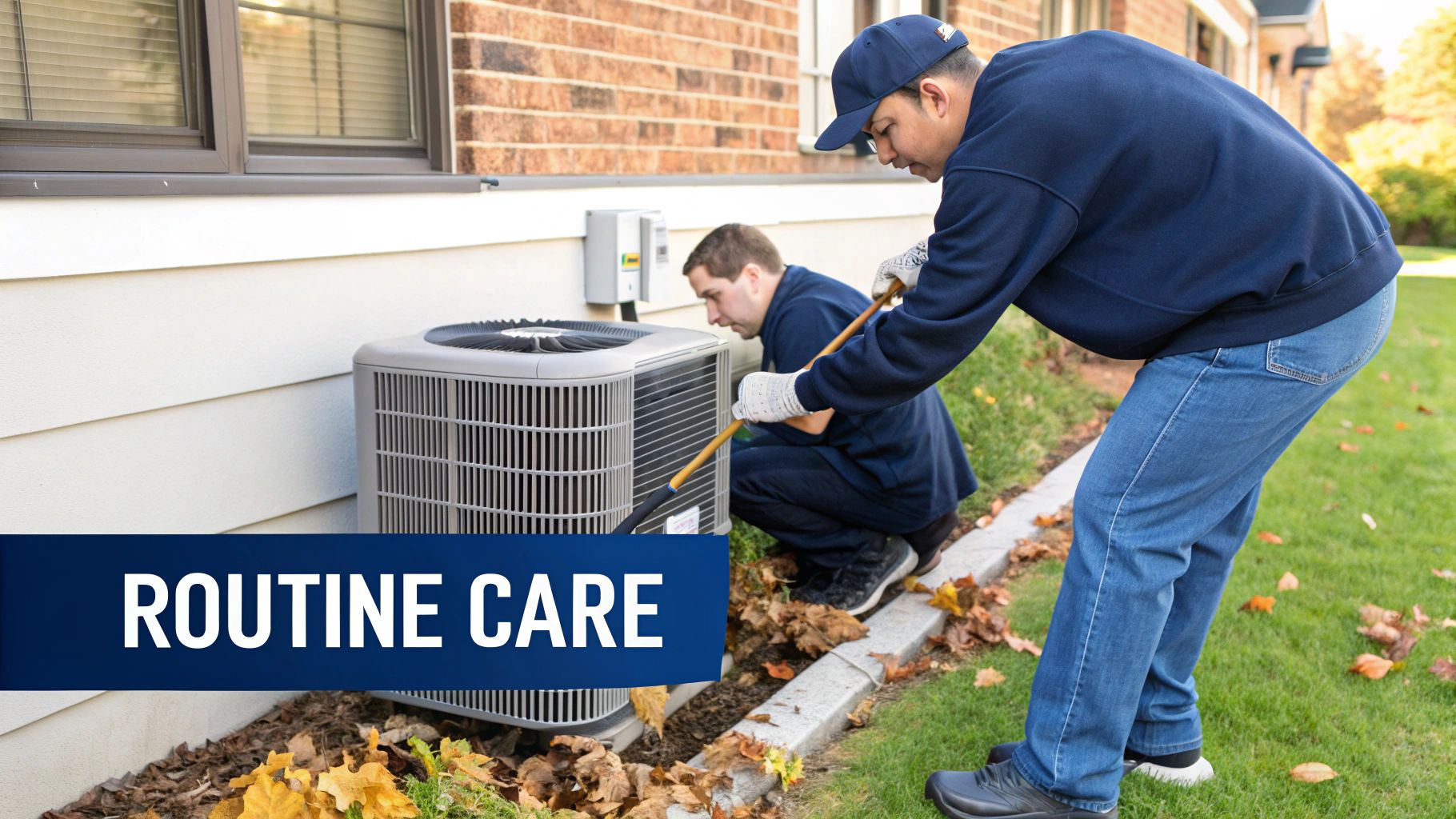
A standard air conditioning service tune-up in 2026 typically costs between $125 and $225. For more extensive maintenance, specialized cleaning, or minor repairs identified during the visit, homeowners should budget between $300 and $600. Prices vary based on the unit type, regional labor rates, and the specific refrigerant requirements of the system.
Navigating the costs of HVAC maintenance is essential for preserving the lifespan of your cooling system and ensuring energy efficiency during peak summer months. In 2026, service costs are influenced not only by traditional labor and parts but also by the continued transition toward environmentally friendly refrigerants and the integration of smart diagnostic technology. This guide breaks down the specific expenses you can expect when hiring a professional to service your air conditioner.
Breaking Down the Components of AC Service Costs
When a technician arrives at your home, the bill you receive is rarely a single flat number without variables. Understanding the components of these charges helps in evaluating quotes and ensuring you are receiving fair market value.
Diagnostic and Trip Fees
Most HVAC companies in 2026 charge a base diagnostic or "service call" fee, which generally ranges from $85 to $160. This fee covers the technician’s time to travel to your location and perform an initial assessment of the system. In many cases, if you agree to the suggested repairs, the company may waive this fee or apply it toward the total labor cost. However, for after-hours or emergency weekend calls, these fees can double, often reaching $250 to $350 just for the arrival.
Labor Rates in 2026
Labor remains the most significant variable in air conditioning service. Due to a specialized labor market and the technical expertise required for modern high-efficiency systems, hourly rates for HVAC technicians currently fluctuate between $120 and $210 per hour. Specialized work, such as electrical troubleshooting or refrigerant handling which requires EPA Section 608 certification, typically sits at the higher end of that spectrum.
Parts and Consumables
Beyond labor, the cost of parts like capacitors, contactors, fan motors, or filters will be added to the service total. While a basic pleated air filter might only cost $20 to $50, a replacement blower motor can range from $400 to $900 including labor. In 2026, supply chain stabilizations have made parts more accessible than in previous years, but advanced inverter-driven components remain premium-priced items.
Average Costs by Type of Service
The scope of work determines the final price. A simple inspection is vastly different from a deep chemical cleaning of the evaporator coils.
| Service Type | Estimated Cost Range (2026) | Includes |
|---|---|---|
| Annual Tune-Up | $125 – $225 | Inspection, cleaning, basic testing, and lubrication. |
| Refrigerant Recharge | $200 – $750 | Leak test and adding R-454B or R-32 (includes labor). |
| Evaporator Coil Cleaning | $250 – $550 | Deep cleaning of the indoor coil to improve heat transfer. |
| Condenser Coil Cleaning | $150 – $300 | Removing debris and pressure washing the outdoor unit. |
| Condensate Line Flush | $100 – $200 | Clearing blockages in the drain line to prevent water damage. |
| Emergency Repair Call | $300 – $600+ | Diagnostics and immediate labor during off-hours. |
Factors Influencing Your Total Bill
Several underlying factors can cause a quote to swing significantly. Being aware of these can help you avoid "sticker shock" when the final invoice is presented.
System Type and Complexity
A standard central air conditioning system is generally the baseline for pricing. However, if you own a Multi-Zone Ductless Mini-Split, service costs may increase because each indoor air handler requires individual cleaning and sensor calibration. Conversely, servicing a window unit or a portable AC is rarely cost-effective through a professional HVAC company; these are often replaced rather than serviced due to the high ratio of labor costs to the unit's value.
The Refrigerant Transition Impact
By 2026, the HVAC industry has largely moved away from R-410A for new installations in accordance with the Environmental Protection Agency (EPA) regulations. If you have an older system that still uses R-410A and it requires a recharge, expect to pay a premium. The dwindling supply of older refrigerants has driven prices upward. Newer systems using R-454B or R-32 may have more stable material costs, but the equipment required to service them is more specialized, which can keep labor costs steady.
Seasonal Demand
Timing your service is a critical cost-saving strategy. Scheduling a "Pre-Season Tune-Up" in March or April is often 15% to 20% cheaper than requesting service in July. During the height of summer, HVAC companies are at peak capacity, and many remove promotional pricing or discounts to manage the high volume of emergency calls.
Specific Service Details and Their Costs
To understand why a service call costs what it does, we must look at the technical labor involved in the most common maintenance tasks.
Evaporator and Condenser Coil Maintenance
The coils are where the heat exchange happens. If they are coated in dust or grime, the system must work harder, increasing your electricity bill and risking compressor failure. A professional cleaning involves using specialized foaming alkaline or acidic cleaners. Because the indoor evaporator coil is often difficult to access (located inside the plenum), the labor required to "pull and clean" a coil can push costs toward the $500 mark.
Capacitor and Electrical Component Replacement
Capacitors are among the most common points of failure. They store electricity to provide the "kick" needed to start the compressor and fan motors. Replacing a capacitor is a relatively quick job, but the part must match the specific microfarad (µF) rating of your motor. Expect to pay $150 to $250 for a professional replacement, which includes the part and the safety testing of the electrical circuit.
Thermostat Calibration and Smart Integration
In 2026, many service calls involve troubleshooting smart thermostats. Technicians must now be proficient in low-voltage wiring and Wi-Fi connectivity. If your AC service includes a firmware update or recalibration of a smart system like Nest or Ecobee, it is usually bundled into the standard tune-up fee, but complex wiring issues can add an extra hour of labor.
Preventive Maintenance vs. Emergency Service
The "cost" of air conditioning service is not just the invoice you pay today, but the repairs you avoid tomorrow.
The Value of Maintenance Agreements
Many reputable HVAC firms offer annual maintenance agreements, often priced between $180 and $300 per year. These usually include two visits (one for heating, one for cooling). In 2026, these agreements are highly recommended because they often provide:
- Priority scheduling during heatwaves.
- Discounts on repair parts (typically 10%–15%).
- No "after-hours" surcharges for emergencies.
- Documented service history, which is vital for maintaining manufacturer warranties.
The Cost of Neglect
Neglecting a $150 tune-up can lead to a premature compressor failure. Replacing a compressor in 2026 is an expensive endeavor, often costing between $1,500 and $3,000. Given that the compressor is the "heart" of the system, many experts suggest that if a compressor fails on a unit older than 10 years, it is more financially sound to replace the entire system rather than repair it.
Regional Variations in HVAC Labor Rates
Where you live significantly dictates what you will pay. In high-cost-of-living urban centers like New York City, San Francisco, or Chicago, the base hourly rate for a licensed technician can exceed $225. In contrast, rural areas or regions with lower overhead costs may see rates closer to $100 to $120.
Furthermore, regions with extreme climates—such as the American Southwest or the Deep South—have more robust HVAC markets. While competition can sometimes drive prices down, the sheer demand during five-month-long summers can keep prices elevated compared to the Pacific Northwest or New England.
DIY vs. Professional Servicing: What is Safe?
While some aspects of AC maintenance can be handled by a homeowner to save money, others are legally and physically restricted.
- What you can do (Cost: $20 - $50): Change the air filters every 30-90 days, clear weeds and debris from around the outdoor condenser unit, and ensure the condensate drain line is not visibly blocked.
- What a pro must do: Handling refrigerant, testing electrical capacitors under load, and cleaning internal components. Under federal law, only EPA-certified technicians can purchase or handle refrigerants. Attempting to "top off" your own refrigerant is not only dangerous but illegal and can lead to massive fines or permanent damage to the system.
According to the U.S. Department of Energy, regular professional maintenance can improve the efficiency of your unit by 5% to 15%. This energy saving often offsets the cost of the service itself over the course of a single summer.
Frequently Asked Questions
Is a $200 tune-up really worth it?
Yes. A professional tune-up includes more than just cleaning. Technicians check the refrigerant charge levels and electrical draw of the motors. A system that is only 10% low on refrigerant can see a 20% increase in operating costs and may eventually suffer a "slugging" event that destroys the compressor. The $200 investment acts as insurance against a $3,000 replacement.
How much does it cost to fix a refrigerant leak in 2026?
Fixing a leak is a two-step process. First, the technician must find the leak (using electronic sniffers or UV dye), which costs $150–$300. Then, the repair (welding/brazing) and the subsequent recharge can cost anywhere from $400 to $1,200 depending on the severity of the leak and the amount of refrigerant lost.
Why is R-410A so expensive to refill now?
As part of the global effort to reduce high-GWP (Global Warming Potential) gases, R-410A production has been significantly curtailed. By 2026, the limited supply is reserved primarily for servicing existing units, creating a supply-and-demand imbalance that makes it much more expensive than the newer R-454B or R-32 alternatives.
Does homeowners insurance cover AC service costs?
Standard homeowners insurance typically does not cover routine service or repairs caused by "wear and tear." It only covers HVAC systems if they are damaged by a "covered peril," such as a fire, falling tree, or certain types of water damage. For coverage of mechanical breakdowns, you would need a separate home warranty or an equipment breakdown endorsement on your policy.
How long should a professional AC service take?
A thorough preventive maintenance visit for a single-family home should take between 60 and 90 minutes. If a technician "finishes" in 20 minutes, they likely only performed a visual inspection and changed the filter, which does not justify a full service fee.
Practical Recommendation
To get the best value for your air conditioning service in 2026, schedule your maintenance in the "shoulder seasons" (spring or autumn). Always ask for a written "multi-point inspection report" that includes specific readings of your system's subcooling and superheat levels, as well as the amperage draw of your motors. This documentation is essential for tracking your system's health over time and ensuring that you are not being charged for unnecessary repairs. If a repair over $500 is recommended, it is always prudent to get a second opinion from another licensed contractor.