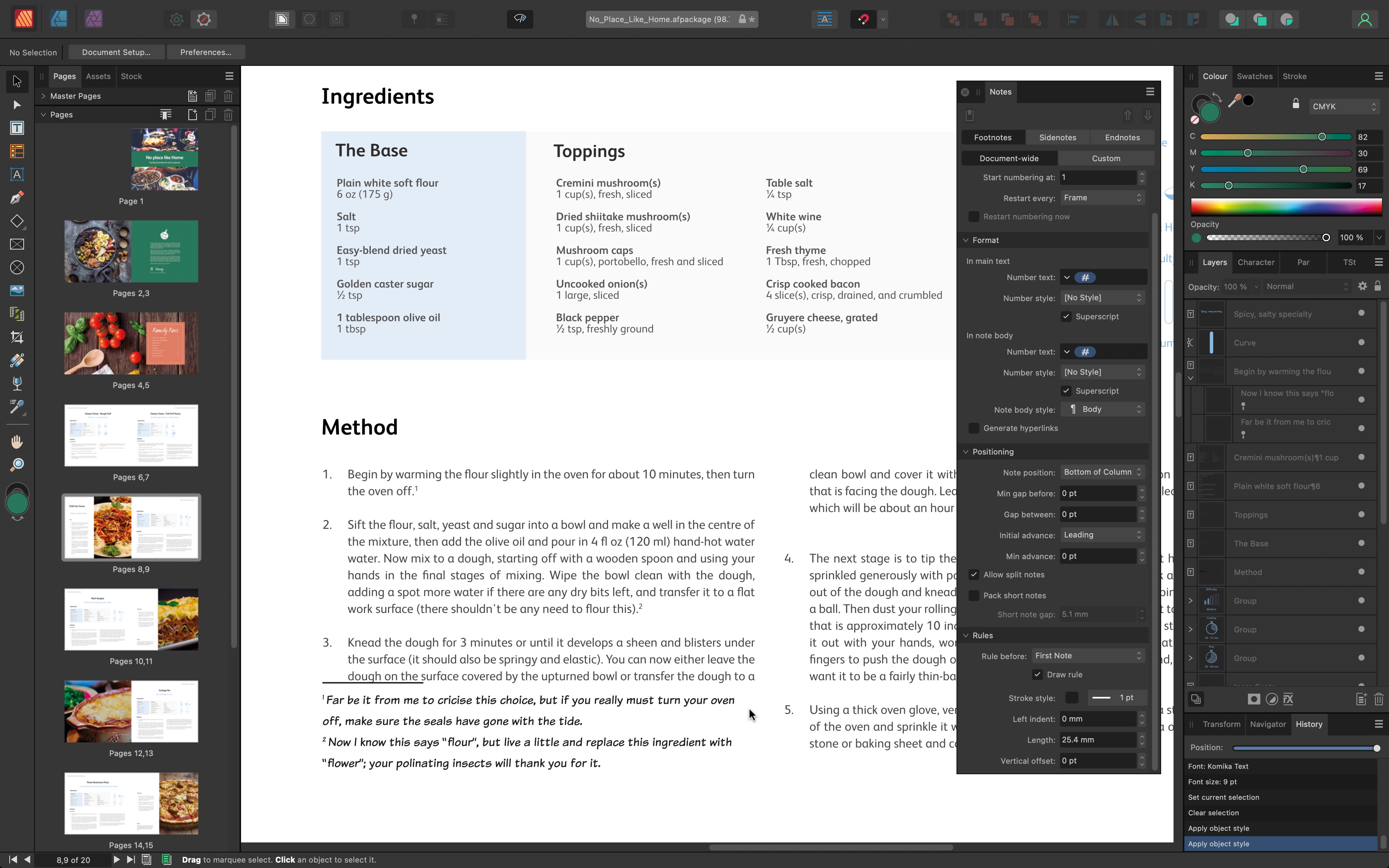
Affinity Express represents a specialized realm of production services, design operations, and digital workflow solutions tailored for media companies, agencies, and enterprises seeking scalable creative output. Rather than a singular consumer-facing application, the ecosystem encompasses white-label design services, digital asset management, and workflow automation tools designed to optimize production timelines. Navigating this ecosystem requires an understanding of its service models, operational requirements, integration capabilities, and the specific business needs it addresses in modern multi-channel marketing and publishing environments.
The Evolution and Purpose of Affinity Express
The modern landscape of digital publishing, retail marketing, and corporate advertising demands a high volume of creative assets produced under tight deadlines. Historically, agencies and media publishers maintained massive in-house graphic design departments to handle ad creation, pagination, and marketing collateral. However, fluctuating workloads and cost-efficiency pressures shifted industry standards toward outsourced, streamlined production models. Affinity Express emerged within this landscape to bridge the gap between creative demand and execution capacity.
At its core, the platform and associated services function as an extension of an organization's internal creative team. By leveraging global production hubs and standardized workflow management software, these services allow publishers and enterprises to submit design requests, track revisions, and receive publication-ready files within accelerated timeframes. The primary objective is to eliminate production bottlenecks, reduce operational overhead associated with full-time scaling, and maintain brand consistency across complex, multi-channel campaigns.
Core Service Models and Operational Frameworks
Understanding how production solutions like Affinity Express operate requires examining their primary service delivery models. These frameworks are structured to integrate smoothly into existing enterprise resource planning (ERP) systems, content management systems (CMS), and digital asset management (DAM) platforms.
White-Label Design and Production
One of the primary offerings centers on white-label graphic design services. In this model, external production teams execute creative work under the branding and guidelines of the client organization. This includes layout design, digital banner creation, print advertisement production, and vector illustration. The end client retains full ownership and brand alignment, while the heavy lifting of production execution is handled externally.
Workflow Automation and Portal Integration
Modern production efficiency relies heavily on software integration. Rather than managing requests through disjointed email chains, operations utilize structured web portals. Clients upload briefs, specify dimensions, attach brand guidelines, and track the progress of assets in real-time. This structured intake process minimizes errors, reduces revision cycles, and establishes a clear audit trail for every design asset requested.
Eligibility, Onboarding, and Integration Prerequisites
Adopting a enterprise-grade production service involves structured onboarding processes and technical prerequisites. Organizations cannot simply plug into these workflows without preparation. Successful implementation requires aligning internal teams with external operational standards.
- Brand Guideline Documentation: Comprehensive brand style guides, including exact color codes (CMYK, RGB, HEX), typography licenses, logo usage rules, and layout templates, must be provided prior to project initiation.
- Workflow Software Compatibility: Teams must integrate intake portals with existing project management or ad-booking systems, such as specialized CRM or ERP platforms used in media publishing.
- Quality Assurance Protocols: Organizations must establish internal sign-off hierarchies to review and approve proofs before final deployment, ensuring accountability remains internal while execution is external.
- Volume Forecasting: Enterprises typically engage under service-level agreements (SLAs) that dictate minimum or maximum monthly output volumes, requiring accurate forecasting of creative needs.
Comparative Overview of Production Scaling Methods
Organizations facing high-volume creative demands generally weigh several operational models. The table below compares outsourced production services like Affinity Express against traditional alternatives.
| Production Model | Cost Structure | Scalability | Control & Oversight | Speed & Turnaround |
|---|---|---|---|---|
| Outsourced Production Services | Predictable, subscription or per-unit pricing | High; easily scales up or down based on campaign cycles | Moderate; governed by strict brand guidelines and SLAs | Rapid; benefits from 24/7 global production shifts |
| In-House Design Team | High fixed overhead (salaries, benefits, software licenses) | Low; difficult to scale rapidly during sudden demand spikes | Total; direct, immediate oversight of creative staff | Variable; limited by working hours and staff bandwidth |
| Freelance Networks | Project-based or hourly rates; variable quality | Moderate; sourcing new talent takes time | Variable; requires individual vetting and management | Inconsistent; depends on freelancer availability |
Common Implementation Challenges and Troubleshooting
Implementing an outsourced creative workflow presents distinct operational hurdles. Recognizing these challenges early prevents project delays and brand dilution.
Maintaining Brand Consistency Across Global Teams
When production is distributed across international hubs, maintaining strict adherence to brand guidelines can occasionally prove challenging. To mitigate this, organizations should maintain a centralized, cloud-based asset repository. Restricting production teams to pre-approved templates and conducting regular audits of completed assets helps preserve brand integrity.
Managing Revision Loops and Brief Clarity
Ambiguous creative briefs lead to excessive revision cycles, negating the time-saving benefits of production services. Successful execution requires standardized intake forms that mandate specific inputs: exact dimensions, target audience details, mandatory copy, and visual references. Clear initial briefs drastically reduce back-and-forth corrections.
Software Integration Bottlenecks
Technical friction often occurs when migrating existing ad-booking or project management tools to a new production portal. IT departments should collaborate closely with service providers during the implementation phase to test API connections and ensure data security compliance, particularly regarding proprietary client data and digital assets.
Frequently Asked Questions
What types of organizations benefit most from Affinity Express services?
Medium to large media publishers, advertising agencies, large retail chains, and corporate marketing departments with high-volume, recurring design needs benefit the most. These entities typically require rapid turnaround times for daily advertising materials that would overwhelm standard in-house teams.
How are brand guidelines enforced across outsourced design teams?
Clients provide detailed brand books, asset libraries, and master templates during onboarding. Production teams are trained specifically on these parameters, and quality assurance checkpoints are embedded into the workflow to review assets against the guidelines before final delivery.
What is the typical turnaround time for production requests?
Turnaround times vary based on project complexity, scope, and agreed-upon service-level agreements (SLAs). Simple adjustments or standard ad layouts often feature rapid turnarounds, sometimes within 24 hours, while complex multi-channel campaigns require longer, scheduled production windows.
Are the files delivered in editable formats?
Yes, production partners typically deliver fully editable native files—such as Adobe Creative Cloud formats (InDesign, Illustrator, Photoshop)—alongside flattened, publication-ready formats like high-resolution PDFs, depending on the client's explicit technical specifications.
How does billing work for enterprise production services?
Billing structures generally rely on subscription tiers, monthly retainers based on estimated volume, or unit-based pricing models where clients purchase blocks of design credits or pay per completed asset.
Practical Recommendations for Maximizing Value
Organizations looking to integrate or optimize external production services should adopt a disciplined approach to workflow management. Begin by auditing current creative bottlenecks to identify which specific asset types—such as routine digital banners or classified layout updates—consume the most internal bandwidth. Offload these repeatable, high-volume tasks first while retaining high-level creative strategy and conceptual development in-house. Furthermore, establish a dedicated internal point of contact to manage communication with the external production team, ensuring that feedback is consolidated, clear, and delivered efficiently. By treating external production resources as a seamless extension of internal operations, enterprises can achieve sustained cost efficiencies without compromising creative quality.