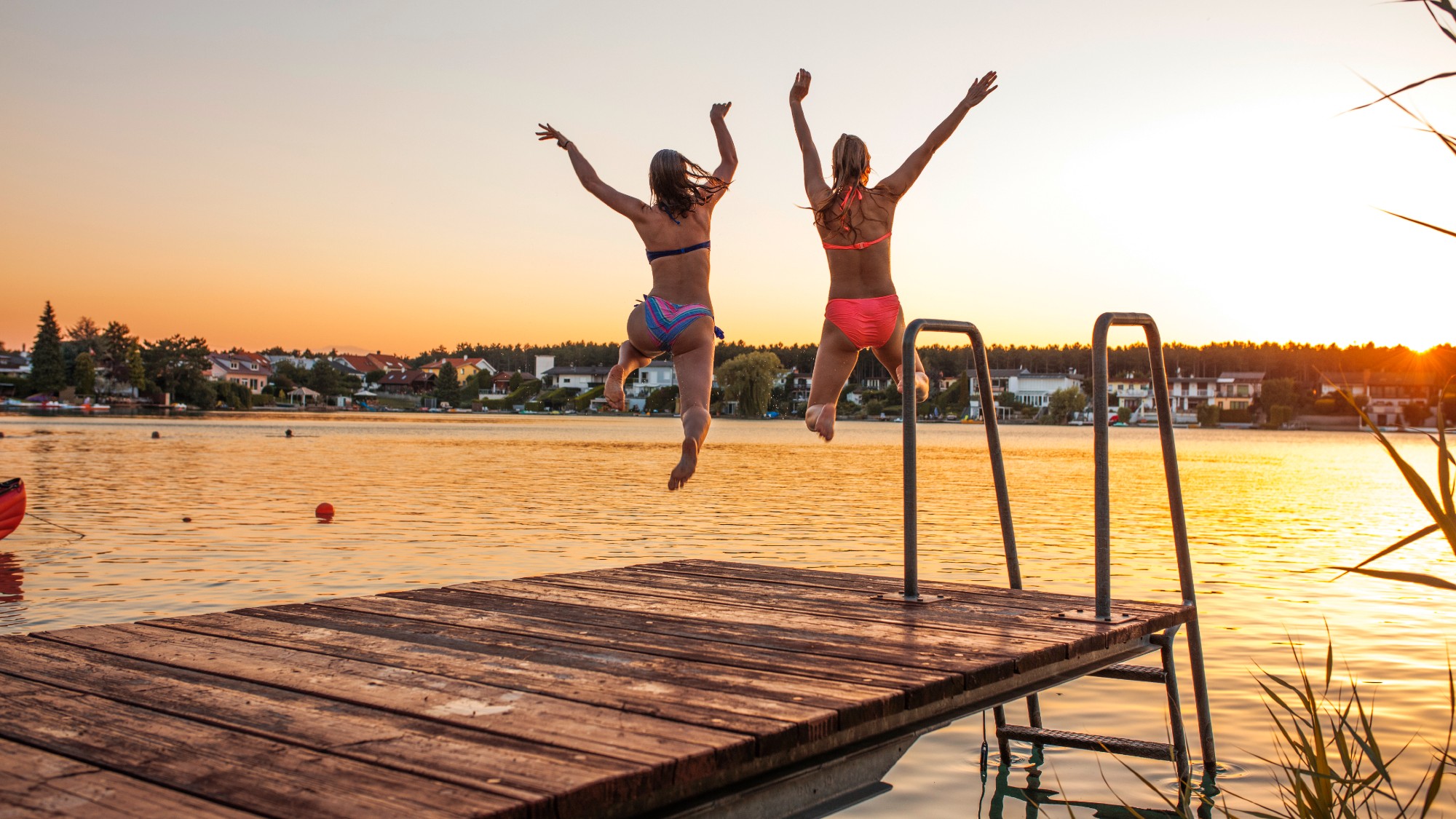
Adult camps in California offer getaway experiences designed for grown-ups seeking nostalgia, skill-building, wellness, or outdoor adventure. Ranging from all-inclusive weekend summer camps with open bars and classic relay races to off-grid digital detoxes, surf clinics, and music workshops, California hosts diverse retreats year-round across the Redwoods, Central Coast, and Sierra Nevada.
Understanding the Rise of Adult Summer Camps
For decades, summer camp was an iconic rite of passage reserved for children. Over the past decade, however, the concept of the adult summer camp has evolved from a novel trend into a established segment of California's travel and hospitality industry. These getaways satisfy a clear cultural demand: adults want spaces where they can disconnect from workplace stress, step away from digital screens, and reconnect with play, community, and nature.
California's unique geography and mild climate make it the ideal setting for these multi-day retreats. With expansive pine forests in Northern California, dramatic shorelines along the Pacific Coast Highway, and sunny desert basins in Southern California, the state hosts some of the most varied adult camp programming in North America.
While child camps focus heavily on supervision and foundational youth development, adult camps shift the objective toward social connection, skill acquisition, wellness, or pure recreation. The atmosphere varies significantly depending on the host organization—ranging from vibrant, festival-style weekends featuring open bars and color wars to quiet, mindfulness-focused retreats dedicated to silence and personal growth.
Major Types of Adult Camps in California
Choosing the right camp requires understanding the core theme and daily structure of each program. Adult camps across California generally fall into four primary categories.
1. Nostalgic "Traditional" Adult Summer Camps
These camps mirror classic sleepaway experiences from youth, updated with amenities tailored for adults. Campers stay in rustic wood cabins or upgraded glamping tents, take part in organized team competitions, and spend days swimming, doing archery, and crafting.
- Key Features: Color wars, slip-and-slides, arts and crafts, campfire sing-alongs, evening theme parties, hosted open bars, and communal mess-hall dining.
- Social Vibe: High energy, highly social, and open to both solo travelers and friendly groups.
- Best For: Professionals looking to blow off steam, meet new friends, and relive childhood fun without responsibilities.
2. Digital Detox and Wellness Retreats
Designed for individuals experiencing digital fatigue and chronic stress, digital detox camps emphasize offline living. Upon arrival, participants hand over smartphones, smartwatches, and laptops for the duration of the event.
- Key Features: Daily yoga classes, guided meditation, breathwork, sound baths, farm-to-table organic dining, and phone-free forest bathing.
- Social Vibe: Mindful, quiet, introspective, and gentle. Communication often emphasizes deep conversation over casual small talk.
- Best For: Tech workers, burnt-out executives, and anyone seeking mental reset, better sleep, and unstructured reflection time.
3. Specialty Skill and Hobby Camps
If your primary goal is learning or mastering a concrete skill alongside like-minded peers, specialty camps offer intensive workshops led by professional instructors.
- Surf & Water Sports Camps: Located along San Diego, Santa Barbara, and Santa Cruz coastal stretches, offering daily surf lessons, ocean safety training, and video movement analysis.
- Music and Arts Camps: Multi-day retreats in places like Mendocino and the Santa Cruz Mountains where campers immerse themselves in acoustic guitar, jazz vocalization, painting, or pottery.
- Culinary & Wine Camps: Immersive weekends in Sonoma, Napa, or Paso Robles focusing on farm tours, sommelier-led tastings, and cooking masterclasses.
4. Outdoor Adventure and Wilderness Camps
Focused on physical activity in rugged environments, these retreats pair backcountry skills with traditional camp hospitality. Activities often include guided rock climbing, kayaking, trail running, and mountain biking.
Top Destinations for Adult Camps Across California Regions
California’s diverse terrain allows adult camps to tailor their activities to specific microclimates and landscapes.
- NORTHERN CALIFORNIA
- Coastal Redwoods (Mendocino, Russian River)
- Sierra Nevada & Lake Tahoe
- Deep forests, cool climate, lake & river sports
- CENTRAL COAST
- Big Sur & Santa Barbara
- Paso Robles Wine Country
- Coastal cliffs, wellness, surfing, culinary retreats
- SOUTHERN CALIFORNIA
- Angeles National Forest & San Bernardino Mtns
- Joshua Tree & High Desert
- Mountain pine camps, stargazing, desert retreats
Northern California & The Redwood Empire
Northern California is home to classic timberland settings. Sites in Mendocino County, the Russian River Valley, and near Lake Tahoe offer towering redwood canopy covers, cool mountain rivers, and classic mid-century camp infrastructure. Camps located here emphasize water sports, hiking, and forest-based relaxation.
Travelers exploring public park lands or nearby state reserves can check regulations directly with California State Parks for land access rules, fire safety warnings, and seasonal park notices.
The Central Coast & Big Sur
Stretching from Santa Cruz through Big Sur down to Santa Barbara, the Central Coast hosts wellness-oriented retreats and ocean sports clinics. The temperate climate allows year-round operation for surf camps and coastal yoga retreats. Big Sur, in particular, is world-famous for cliffside retreat centers that offer wellness-focused adult learning programs.
Southern California Mountains & Desert
Located just a few hours from Los Angeles and San Diego, the San Bernardino Mountains (including Big Bear Lake and Lake Arrowhead) and the Angeles National Forest host high-altitude summer camps for adults. Further east, Joshua Tree and the High Desert serve as background for artistic, stargazing, and acoustic music camps.
Visitors planning outings on federal forest land should review guidelines published by the U.S. Forest Service regarding wilderness permits, fire restrictions, and trail conditions.
Comparing Popular Adult Camp Experiences in California
The table below outlines common adult camp formats across California to help you evaluate which experience fits your budget, timeline, and goals.
| Camp Type / Focus | Primary Regions | Typical Duration | Accommodations | Activity Style | Estimated Cost (USD) |
|---|---|---|---|---|---|
| Traditional Party & Games | Mendocino, San Bernardino | 3–4 Days (Weekend) | Rustic Cabins / Shared Bunks | Color wars, ropes courses, evening DJs, open bar | $750 – $1,400 per person |
| Digital Detox & Mindfulness | Sonoma, Big Sur, Sierra Nevada | 3–5 Days | Glamping Tents / Private Cabins | Yoga, meditation, phone-free quiet time, hiking | $900 – $2,200 per person |
| Coastal Surf & Ocean Skills | San Diego, Santa Cruz | 4–7 Days | Beach Lodge / Boutique Hostels | Daily surf coaching, ocean safety, video analysis | $1,200 – $2,800 per person |
| Acoustic Music & Arts | Mendocino, Santa Cruz Mtn Range | 5–7 Days | BYO Tent / Rustic Bunks | Jam sessions, intensive workshops, night concerts | $600 – $1,500 per person |
| Culinary & Wine Weekend | Paso Robles, Napa Valley | 2–3 Days | Private Suites / Luxury Inn | Wine tasting, cooking classes, farm-to-table meals | $1,500 – $3,500 per person |
Daily Life, Accommodations, and Camp Culture
Understanding what daily life looks like at an adult camp ensures you arrive with accurate expectations.
Sample Daily Schedule (Traditional Adult Camp):
- 07:30 AM: Morning Yoga & Coffee Service
- 08:30 AM: Buffet Breakfast in the Mess Hall
- 10:00 AM: Morning Activity Block (Archery, Kayaking, Pottery)
- 12:30 PM: Lunch & Cabin Rest Hour
- 02:00 PM: Camp-Wide Team Competition / Relay Race
- 04:30 PM: Free Swim, Lake Time, & Socializing
- 06:30 PM: Dinner & Sunset Drinks
- 08:30 PM: Campfire, Live Music, & Theme Night Party
Accommodation Styles
Accommodations vary widely across camp properties:
- Rustic Bunkhouses: Traditional timber cabins with twin-sized bunk beds and shared bathroom facilities. These offer the highest level of nostalgia and lower price points, but minimal privacy.
- Glamping Tents: Canvas bell tents set on wooden platforms, often equipped with real mattresses, clean linens, battery lamps, and nearby luxury bathhouses.
- Private Cabins & Suites: Fully winterized cabins featuring private en-suite bathrooms, king beds, and climate control. Found at premium wellness resorts and private event grounds.
Meals and Dining
Unlike the mandatory cafeteria food of childhood camps, adult camps prioritize high-quality dining. Most camps serve buffet-style or family-style meals tailored to various dietary requirements, including vegan, vegetarian, gluten-free, and nut-free diets.
For traditional social camps, beer, wine, and craft cocktails are typically included in the registration fee or available at designated camp bars during afternoon and evening hours.
Age Demographics and Community Culture
While adult camps require attendees to be at least 21 years old (or 18+ for specific non-alcohol camps), the average age ranges between 28 and 45. Many campers arrive solo, making these retreats popular for single travelers looking for low-pressure social environments. Groups of friends, corporate teams, and couples also make up a significant portion of registration lists.
Essential Planning, Packing, and Booking Strategies
Booking Timelines
Popular adult summer camps in California fill up quickly. Summer sessions (June through September) usually launch ticket sales in January or February. Weekend retreats hosted at historic private camp venues like Camp Navarro often sell out within weeks of release.
- Early Bird Discounts: Many operators offer 10% to 20% discounts for bookings finalized 4 to 6 months prior to the event date.
- Cancellation Policies: Review refund policies carefully. Because adult camps reserve full weekend capacity in advance, many carry strict refund windows or offer credit roll-overs rather than cash refunds within 30 days of the start date.
What to Pack for California Camp Grounds
Packing for camp requires balancing practical outdoor wear with playful outfits.
- Footwear: Closed-toe athletic shoes or light hiking boots for dirt trails, plus water shoes or sandals for river or lake activities.
- Layered Clothing: California temperatures drop rapidly after sunset, especially in mountain and coastal redwood regions. Pack fleeces, light down jackets, and warm base layers even in mid-summer.
- Theme Costumes: Traditional adult camps frequently host theme nights (e.g., 80s prom, neon glow, neon athletics). Check the organizers' dress code guidelines ahead of time.
- Sun & Bug Protection: Broad-spectrum sunscreen, sun hats, polarized sunglasses, and bug spray containing DEET or Picaridin.
- Personal Gear: Reusable water bottle, headlamp or flashlight for walking between cabins at night, portable power bank, and a compact quick-dry towel.
FAQs About Adult Camps in California
Are adult camps in California friendly for solo travelers?
Yes. A significant percentage of attendees register for adult camps solo. Program structures—such as communal dining, team competitions, icebreakers, and shared cabin spaces—are designed to make introducing yourself easy and natural without awkward small talk.
Do adult camps allow alcohol and cannabis in California?
Policies vary by camp provider. Traditional social adult camps typically provide open bars serving beer, wine, and cocktails during designated hours for guests 21 and older. However, because many camps operate on federal land (such as National Forests) or under specific commercial permits, public consumption of cannabis may be strictly prohibited on-site regardless of state law. Always check the official code of conduct before bringing personal alcohol or cannabis products.
What is the average age of campers at these retreats?
The standard age range for California adult summer camps is between 25 and 45 years old, with the median age hovering around 32–35. Specialty skill camps, such as folk music workshops or fine arts retreats, tend to draw a broader range, including retirees and adults in their 50s and 60s.
Are phone-free digital detox camps strictly enforced?
Yes. True digital detox camps collect mobile devices upon check-in and store them securely in locked safes or lockers for the weekend. Emergency contact numbers are provided to your family members so you can be reached off-grid if an urgent situation arises.
How do shared bathroom facilities work at rustic adult camps?
Most rustic cabin sites utilize central bathhouses divided by gender or converted into private individual stalls with hot showers, flush toilets, and sinks. Premium glamping or private cabin packages often include en-suite bathrooms.
How to Choose the Right California Adult Camp for You
To select the best retreat, narrow down your preferences across three main decisions:
- Determine your primary goal: Decide whether you want high-energy socializing and games, peaceful mental rest and digital disconnect, or dedicated practice in a specific skill like surfing or music.
- Select your preferred comfort level: Be honest about your accommodation tolerance. If shared bunks and central bathhouses sound stressful, limit your search to camps offering private cabins or upgraded glamping options.
- Match your climate preference: Choose Northern California redwoods for shade, mountain breezes, and river swimming; the Central Coast for temperate marine environments and ocean sports; or Southern California mountain regions for quick weekend access from major urban hubs.
Once you have identified a camp that matches your budget, style, and travel dates, book early to secure your preferred cabin selection and secure early-bird registration rates.