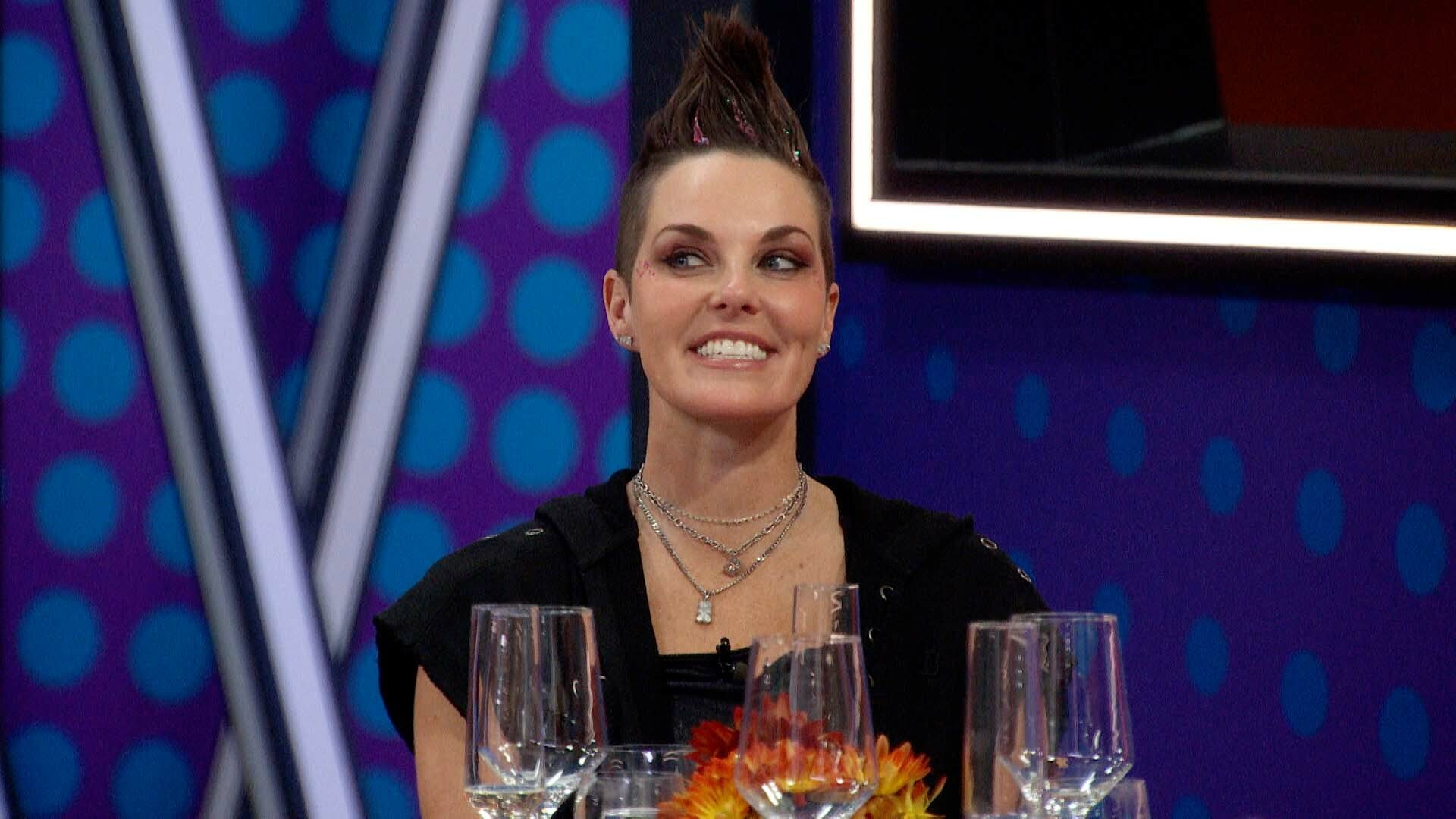
Big Brother Season 25 represents a landmark entry in the long-running CBS reality competition franchise, notable for its extended duration, innovative twists, and the celebration of the show's 25-year legacy. Aired in 2023, the season functioned as a meta-commentary on the game's history while introducing complex social dynamics and structural gameplay shifts that challenged its cast of 17 houseguests.
The season is primarily remembered for being the longest in the series' history, spanning a grueling 100 days. This extended runtime allowed for deeper character development and an intricate social game that fundamentally altered the season's trajectory. Beyond the calendar length, Season 25 served as a massive, self-referential production that utilized the house itself as a canvas for the "Big Brother Multiverse" theme, paying homage to past iterations of the game through set design and mechanical twists.
The Big Brother Multiverse Concept
The core theme of Season 25, the "Big Brother Multiverse," was more than just aesthetic. Production designed the season to suggest that the house was being invaded by alternate realities of the show. This led to several specific gameplay implications that influenced the early, middle, and late stages of the competition.
The introduction of the "Nether Region" was the most prominent feature of this theme. Rather than being a simple room, it served as a narrative device to remove houseguests from the game temporarily, forcing others to navigate the fallout of these absences. This mechanic was used to disrupt alliances, effectively creating "vacuums of power" that forced players to reassess their social standing without their usual protectors or targets present.
Record-Breaking Duration and Production Intensity
- The 100-Day Marathon: Season 25 set the record for the longest season in American Big Brother history, lasting exactly 100 days. This exceeded previous long-form seasons, which typically capped out near 90 days, testing the psychological endurance of the participants.
- Delayed Premiere: Due to labor strikes in the entertainment industry in 2023, the production schedule was adjusted, which necessitated the extended length to ensure a full season of content.
- Delayed Cast Reveal: In a break from tradition, the cast was not announced until the day of the live premiere, preventing houseguests from conducting pre-game social media research on one another.
- The Premiere Night Twist: The season began with a multi-stage premiere where the houseguests had to compete in competitions that determined their entry into different "dimensions" of the house, setting the tone for the Multiverse theme.
- The Scramble-Verse: This was the name given to the chaotic, evolving nature of the house during the early weeks, where the "rules" of the game—in terms of house layout and safety—were subject to rapid changes.
Notable Gameplay Mechanics and Twists
- The Nether Region: A recurring twist where players were "spirited away" to a mysterious location, causing them to miss key gameplay moments or be excluded from voting.
- The Power of Invincibility: Introduced mid-season, this power allowed a houseguest to save themselves or another player from the block during a live eviction ceremony, effectively nullifying the Head of Household’s (HOH) nominations.
- The Comic-Verse: A nod to the show’s history, this period featured competitions centered around the show’s long-standing tradition of the "Power of Veto" comic book competition, but with an expanded, reality-warping flair.
- The Pressure Cooker Return: In one of the most celebrated moments of the season, the iconic 2005 "Pressure Cooker" endurance competition was brought back, serving as a nostalgic centerpiece for fans.
- The Cirie Fields Factor: The arrival of legendary Survivor player Cirie Fields as a surprise 17th houseguest fundamentally changed the social dynamics. Her experience in high-stakes reality games added a layer of professional-grade strategy that younger, newer players had to navigate.
The Houseguest Dynamics
- The Largest Cast: With 17 starting houseguests, the competition was more crowded than most standard seasons, increasing the number of variables in the social game.
- The "Handful" Alliance: A dominant early-game alliance that showcased how quickly players could consolidate power in a large, unvetted group.
- The Prof. Professors: A sub-group of houseguests who navigated the game with a more analytical, observant approach, often clashing with the more aggressive gameplay styles.
- The Return of Jared Fields: Being the son of Cirie Fields, Jared's entry meant the game featured a secret relative dynamic, which Cirie had to hide from other houseguests to prevent being targeted as a duo.
- Cultural Representation: The cast was noted for its diversity, which played a significant role in the house's social discourse throughout the 100-day period.
Technical and Set Design Facts
- The Multiverse House Design: The house was partitioned into zones representing different realities, featuring distinct color palettes and textures that made the physical space feel unstable.
- Camera Density: To cover the 100-day runtime without missing key social moments, the production team increased the number of integrated cameras in the common areas, particularly in the Nether Region.
- The "Cerebro" Room: A specialized space dedicated to the Multiverse theme, used for high-stakes competition reveals.
- Soundscape Evolution: The house audio mix changed subtly depending on which "dimension" of the game the houseguests were currently navigating, a detail intended to heighten viewer immersion.
- Historical Props: Throughout the season, production placed "Easter eggs" from past seasons, including items from Big Brother 1 through 24, as part of the meta-thematic celebration.
The Final Stretch and Legacy
- The Final Three: The competition reached its conclusion with a battle between the remaining houseguests who had managed to adapt to the changing rulesets of the season.
- The Jury’s Influence: As is tradition, the jury members were sequestered, but their interaction with the late-game pivots made the final round-table one of the most contentious in recent years.
- The Winner’s Path: The winner navigated the transition from early-game social maneuvering to late-game competition dominance, proving that flexibility was the most important skill in the Multiverse.
- Viewer Reception: While the extended length was initially polarizing, many fans appreciated the "slow-burn" nature of the endgame, which felt more organic than the rushed finales of previous seasons.
- The Milestone Achievement: By hitting the 100-day mark, the season solidified its place in television history as a masterclass in how a franchise can modernize its format while honoring its past.
Comparison Table: Season 25 vs. Historical Averages
| Feature | Standard Season (Avg) | Big Brother Season 25 |
|---|---|---|
| Duration | 85–90 Days | 100 Days |
| Starting Cast | 14–16 | 17 |
| Premiere Reveal | Pre-announced | Day of premiere |
| Primary Theme | Varies | Multiverse |
| Key Mechanic | Varies | Nether Region / Invincibility |
Frequently Asked Questions
How did the "Multiverse" theme affect the game's daily schedule? The theme was integrated into the daily flow by way of unpredictable "Glitch" alerts. At any moment, the house status could change, locking certain rooms or forcing players to move to different areas of the house. This prevented the houseguests from ever getting too comfortable with their living arrangements or their social positioning.
Did the 100-day duration lead to "burnout" for the houseguests? Yes, both physically and mentally. By the final three weeks, houseguests noted in the diary room that the exhaustion had reached a level not seen in previous, shorter seasons. This added a layer of strategic volatility, as players began to make more unforced errors due to fatigue, which directly influenced the endgame outcomes.
What was the strategic advantage of being in the "Nether Region"? The advantage was situational. In some instances, it provided immunity from nominations, serving as a "get out of jail free" card. However, it also carried the risk of total social isolation, meaning you were not in the room when critical alliance conversations took place, which often led to being left out of the loop on major voting decisions.
Why was the "Pressure Cooker" competition such a significant event? The Pressure Cooker was considered a "holy grail" of competitions by fans. Its return in Season 25 was a nod to the show's 25-year history. It required intense psychological stamina, as players had to stand in a glass box and keep a button pressed for hours. Its inclusion demonstrated that Season 25 was specifically designed to reward long-term fans of the series.
How did the surprise 17th houseguest impact the game? Cirie Fields’ entry was the primary catalyst for the season's early social narrative. Because she came from a background of high-stakes reality competition, she was able to identify social hierarchies faster than the other houseguests. Her presence forced even the most inexperienced players to adopt a defensive posture early on, which defined the season's intense strategic pace.
Final Recommendation for Viewers
If you are looking to understand the evolution of reality television competition, Big Brother Season 25 serves as an essential case study. For new viewers, start by watching the premiere to understand the Multiverse setup, but pay close attention to the mid-season pivot, where the "Invincibility" twists begin to influence the alliance structures. The most effective way to analyze this season is to track the social movement of the "Handful" alliance versus the independent players, as this conflict provides the most insight into the high-level gameplay that characterized this 100-day experiment.