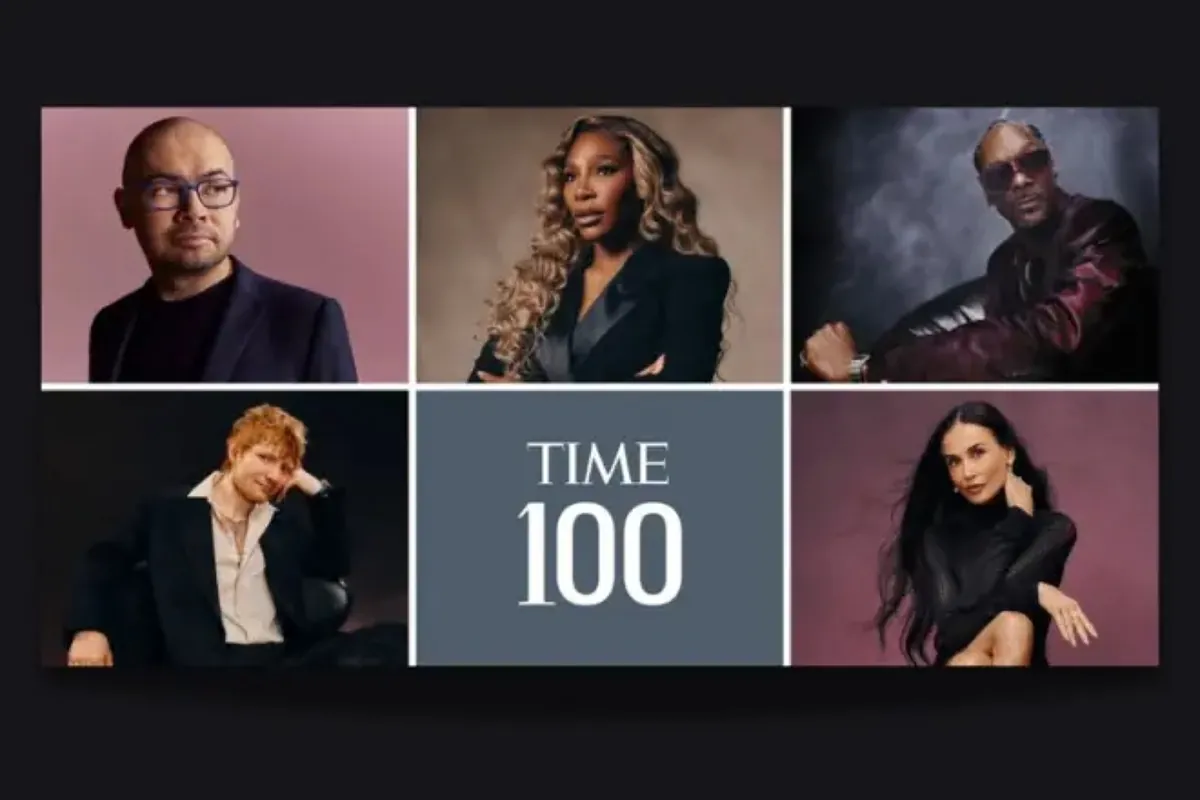
The 2025 TIME100 list, released in the spring of 2025, served as a curated examination of the individuals who shaped the global narrative across politics, technology, culture, and science. This annual compilation identifies one hundred figures whose actions, influence, and reach defined the trajectory of the year, acting as a historical snapshot of contemporary societal momentum.
The Methodology Behind the Selection
The TIME100 is not a ranking of power in the traditional sense, such as net worth or legislative control. Instead, it is a selection curated by the editors of TIME magazine to highlight individuals who have changed the world, for better or worse, within the previous twelve months. The process begins with nominations from the magazine’s global editorial staff, alumni of the list, and readers.
The final decision, however, rests with the editors. They look for "influence"—a metric that can include the ability to shift public discourse, the introduction of a disruptive technology, the leadership of a geopolitical movement, or a singular creative achievement that captures the collective consciousness. By 2026, the 2025 list stands as a retrospective archive, offering researchers and casual readers alike a clear view of who occupied the cultural and political high ground during that specific period.
Categorizing the 2025 Influencers
The list is traditionally divided into several categories to better organize the diverse nature of modern influence. These categories—Pioneers, Artists, Leaders, Icons, and Titans—allow the publication to contextualize how an individual’s influence manifests.
- Pioneers: Individuals whose work in research, engineering, or grassroots organizing broke new ground, often setting the stage for developments that would come to fruition later in 2025 and 2026.
- Artists: Musicians, writers, and directors whose creative output defined the aesthetic or emotional tone of the year.
- Leaders: Heads of state, political activists, and diplomats whose policy decisions or challenges to the status quo dominated the international news cycle.
- Icons: Public figures whose personal brand or advocacy work elevated them to a status where they could influence public opinion on a massive scale.
- Titans: Figures in industry and finance who control significant portions of the global economy, directly affecting the lives of millions through technological or corporate decisions.
2025 vs. 2026: Historical Context
When examining the 2025 list in the current year, 2026, it is essential to distinguish between the status of these individuals at the time of publication and their subsequent impact. The 2025 list was reflective of a world navigating mid-decade challenges. Many of the tech leaders highlighted in the 2025 list, for instance, were recognized for the rapid scaling of artificial intelligence tools that have since become standard in many workplace environments as of 2026.
By looking back at the list, observers can track how certain figures successfully leveraged their 2025 influence to cement their positions, while others represented momentary peaks in the news cycle. The list serves as a primary source document for historians documenting the mid-2020s.
Comparing Influence Categories
The following table provides a breakdown of how these distinct categories function in the context of the TIME100 framework.
| Category | Primary Metric | Example of Influence |
|---|---|---|
| Leaders | Political/Geopolitical | Passing landmark legislation or shifts in international policy. |
| Titans | Economic/Market | Significant shifts in global industries or market dominance. |
| Artists | Creative/Cultural | Redefining entertainment, media consumption, or artistic trends. |
| Pioneers | Innovation/Discovery | Breakthroughs in science, medicine, or technological infrastructure. |
| Icons | Advocacy/Personal Brand | Shifting public morality or social consciousness through personal platform. |
Prerequisites for Inclusion: Does Selection Matter?
There is often confusion regarding whether the TIME100 is an honor or a simple documentation of fame. The magazine explicitly states that the list is an acknowledgment of influence, not an endorsement of character or morality. Consequently, inclusion often brings as much scrutiny as it does prestige.
For the reader, the list functions as a "Who’s Who" guide. If you are researching the major players of 2025 for academic, journalistic, or business purposes, the list provides a verified starting point for identifying the key stakeholders in various industries. It is not, however, a substitute for comprehensive biographical research; rather, it is a signpost indicating that an individual has reached a threshold of influence that warrants closer study.
Common Mistakes in Interpreting the List
A common error among those reviewing the 2025 list in 2026 is assuming that every person on the list remained at the height of their influence. Influence is transient. A political leader may have been highly influential in early 2025 but transitioned out of office by 2026. Similarly, a technology pioneer may have been listed for a specific breakthrough that has since been superseded by newer innovations.
When utilizing the 2025 list as a resource:
- Verify Timelines: Always check if the person's specific contribution was limited to the 2025 calendar year.
- Contextualize Claims: Understand that TIME's assessments were based on information available as of early 2025.
- Avoid Generalizations: Do not assume that because a person was influential in a specific area (like AI development) in 2025, they are automatically the lead authority in that space one year later.
Frequently Asked Questions
Does being on the TIME100 list mean the person is a role model? No. TIME explicitly notes that the list recognizes influence, which includes people whose actions have sparked significant controversy or debate. The list is designed to capture the landscape of the year, regardless of the ethical standing of those involved.
How does the nomination process work for the list? The process involves gathering feedback from global contributors, previous honorees, and, in some cases, reader polls. However, the editorial staff at TIME retains ultimate decision-making power to ensure the list reflects their specific standards for impact and journalistic reach.
Is there a cost to be included on the TIME100? No. Inclusion in the TIME100 is not a paid placement or a sponsorship. It is an editorial decision made by the magazine’s staff. Any service or person claiming to "guarantee" a spot on the list for a fee is fraudulent.
Why are some industries better represented than others? Representation often shifts based on the global climate of that year. If a year is defined by technological disruption, the "Titans" and "Pioneers" categories may be heavily populated by software engineers and AI researchers. If a year is defined by a global health crisis or political change, "Leaders" and "Pioneers" in medicine may dominate.
Can I use the 2025 list for business research? Yes, but with caveats. It is a useful tool to identify major players in specific sectors during 2025. However, since the business world moves rapidly, you should always supplement this information with current 2026 data, stock performance reports, and recent news to ensure your research is up to date.
Next Steps for Research
If you are using the 2025 TIME100 list to inform your own professional, academic, or personal interests, your next action should be to cross-reference the individuals listed with their current professional activities as of 2026.
Start by identifying the category most relevant to your interests—for example, if you are studying renewable energy, focus on the "Pioneers" and "Titans" of the 2025 list. Search for their recent publications, statements, or corporate filings from the past twelve months. By doing this, you turn a retrospective list into a dynamic research tool that helps you understand the evolution of influence from 2025 into 2026.