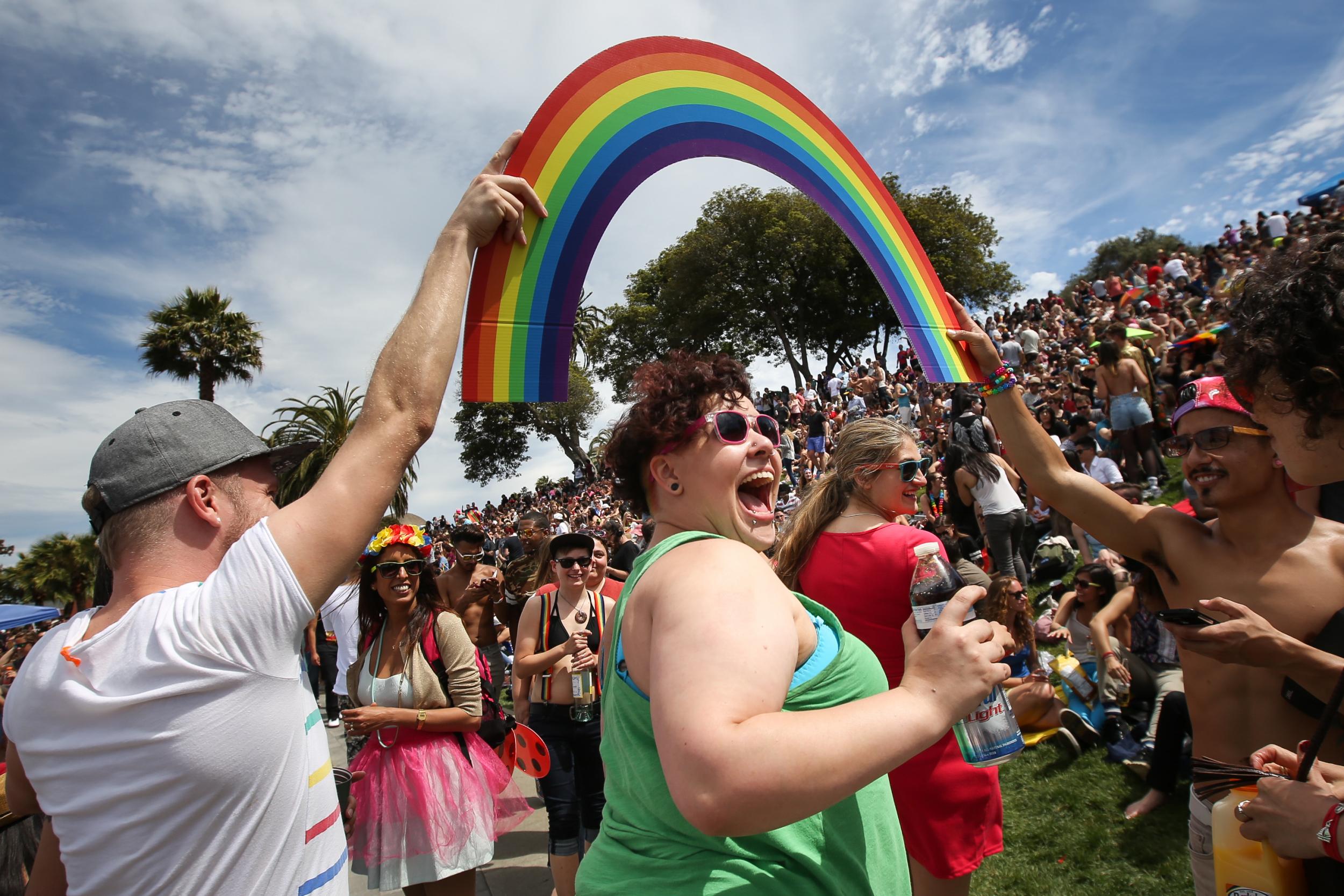
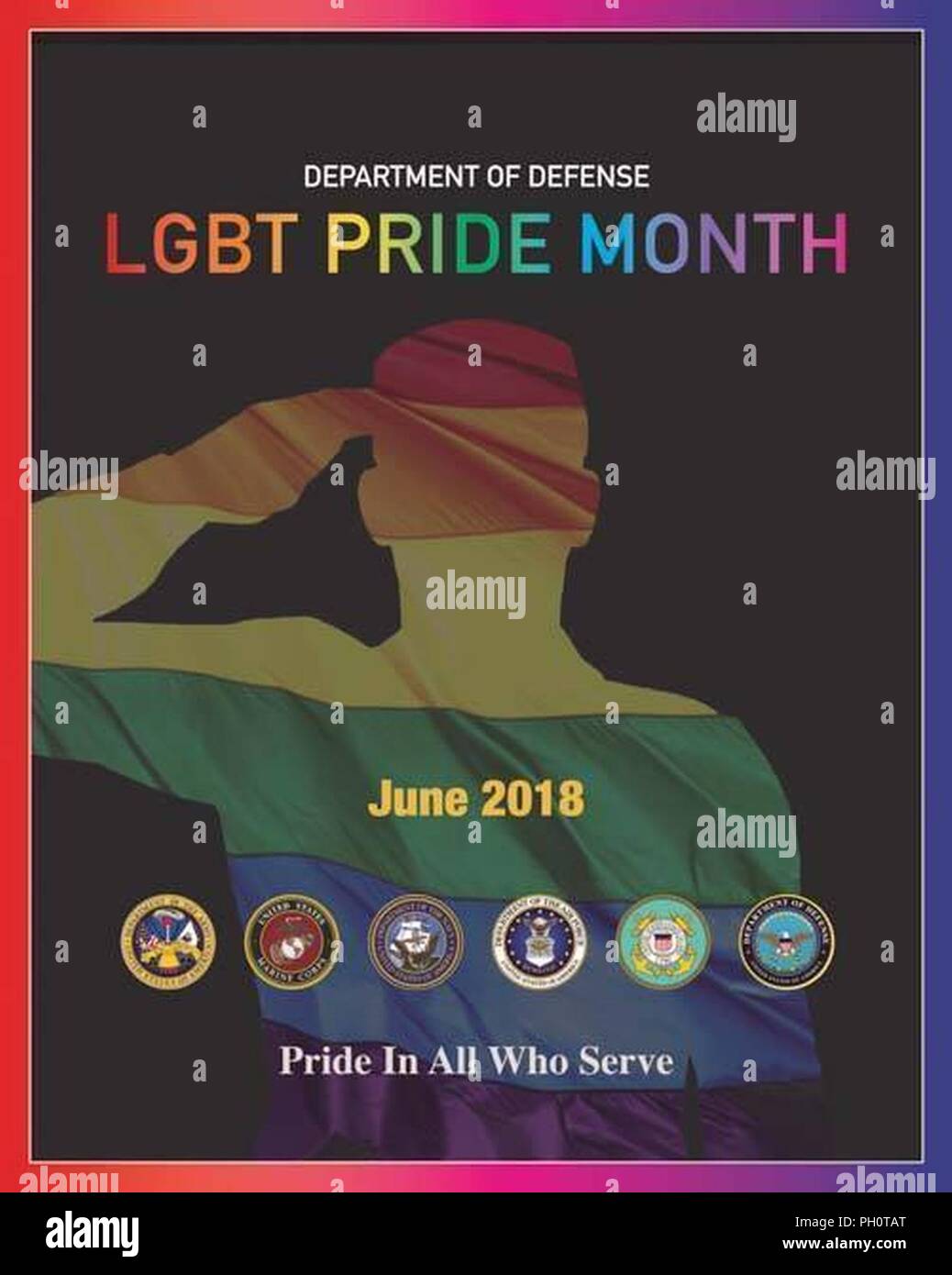
The 2018 Gay Pride Month marked a significant annual commemoration dedicated to celebrating lesbian, gay, bisexual, transgender, and queer (LGBTQ+) culture, honoring the historic 1969 Stonewall riots, and advocating for ongoing civil rights. Observed primarily throughout June 2018, the month featured widespread global marches, corporate and political recognitions, and critical legislative advocacy amid evolving legal landscapes.
Historical Foundations and Significance of June Pride
Understanding the context of Pride Month requires looking back at the catalysts that shaped the modern LGBTQ+ rights movement. The annual observance traces its origins to the Stonewall riots of late June 1969 in New York City, where patrons and neighborhood residents rioted following a police raid on the Stonewall Inn. These demonstrations served as a turning point for organized political activism, leading to the creation of the first Christopher Street Liberation Day march a year later in 1970.
By 2018, the month-long observance had evolved from localized protest marches into a global cultural phenomenon. June Pride functions simultaneously as a celebration of identity, a memorial for those lost to HIV/AIDS and anti-LGBTQ+ violence, and a platform for political mobilization. The year 2018 carried specific cultural weight, taking place against a backdrop of shifting legal protections, heightened corporate participation, and intense debates over civil rights protections worldwide.
Key Legislative and Political Developments in 2018
The political climate surrounding the 2018 Gay Pride Month was characterized by a complex mix of legislative advancement, legal challenges, and administrative policy shifts, particularly in the United States and across international jurisdictions.
United States Federal and State Dynamics
In the U.S., the federal landscape under the Trump administration saw various shifts in policy regarding LGBTQ+ rights, which heavily influenced the political tone of the 2018 marches. Notably, the U.S. Supreme Court heard arguments in Masterpiece Cakeshop v. Colorado Civil Rights Commission, a landmark religious liberty and anti-discrimination case decided in June 2018. While the ruling was narrow and specific to the facts of the case, it highlighted ongoing tensions between anti-discrimination laws and first amendment protections.
At the state level, several legislatures introduced bills addressing transgender healthcare, bathroom access, and adoption rights for same-sex couples. Activist organizations utilized the visibility of Pride Month to mobilize voters, lobby against discriminatory bills, and push for the passage of the Equality Act, which aimed to amend the Civil Rights Act of 1964 to explicitly include sexual orientation and gender identity.
International Legal Milestones
Globally, 2018 brought notable legal victories and setbacks for LGBTQ+ communities:
- India: The Supreme of India heard historic challenges to Section 377, a colonial-era law criminalizing consensual homosexual acts, ultimately leading to its decriminalization in September 2018. June Pride events in India heavily focused on repealing this statute.
- Trinidad and Tobago: In May 2018, the High Court of Trinidad and Tobago ruled that laws criminalizing consensual same-sex intimacy were unconstitutional, providing momentum for Caribbean advocacy groups during Pride season.
- Europe and Latin America: Various nations continued discussions regarding marriage equality, gender recognition laws, and the prohibition of conversion therapy.
Global Marches, Festivals, and Cultural Commemorations
Pride events in 2018 drew millions of participants across major metropolitan areas, historic capitals, and smaller regional communities. The scale and nature of these gatherings highlighted regional priorities and challenges.
| City / Region | Estimated Attendance (2018) | Primary Themes and Focus Areas |
|---|---|---|
| New York City | Millions | Commemoration of Stonewall precursor events, resistance, and commercial versus political balance. |
| London (Pride in London) | Over 1 million | Intersectionality, corporate accountability, and transgender visibility. |
| Sao Paulo | Millions | Political protest against rising conservative rhetoric, LGBTQ+ safety, and healthcare access. |
| Taipei | Tens of thousands | Marriage equality advocacy ahead of Taiwan's landmark late-year referendums. |
| Moscow | Minimal (Prohibited/Underground) | Human rights, freedom of assembly, and opposition to state-level restrictions. |
The Commercialization Debate
The 2018 Pride season also amplified internal community discussions regarding the increasing presence of corporate sponsors, financial institutions, and multinational brands. While corporate floats and marketing campaigns provided significant financial backing and mainstream visibility, critics argued that corporate participation risked sanitizing the radical political roots of the movement. Grassroots organizers frequently staged alternative marches—such as the "Queer Liberation March" concepts—to emphasize social justice, racial equity, and anti-capitalist messaging alongside traditional parades.
Corporate and Institutional Recognition
By 2018, corporate participation in Gay Pride Month had become standard practice for Fortune 500 companies, technology firms, media outlets, and sports leagues. Companies routinely released limited-edition Pride-themed merchandise, updated corporate logos with rainbow color schemes, and sponsored local parade floats.
Beyond consumer-facing marketing, many employers used June 2018 to highlight internal diversity and inclusion (D&I) initiatives, such as expanding employee resource groups (ERGs), offering inclusive healthcare benefits for transgender employees, and matching charitable donations to LGBTQ+ advocacy organizations like the Human Rights Campaign, GLAAD, and The Trevor Project. However, these initiatives faced increased scrutiny from watchdogs evaluating whether corporate lobbying practices outside of Pride Month aligned with their public-facing statements.
Frequently Asked Questions
Why is Pride Month celebrated in June?
Pride Month is celebrated in June to honor the Stonewall riots, which took place on the night of June 28, 1969, in New York City. These demonstrations are widely recognized as the catalyst for the modern gay liberation movement.
How did the political climate impact 2018 Pride events?
The 2018 events were marked by heightened political engagement due to ongoing legal battles regarding religious exemptions, transgender rights, and international efforts to decriminalize homosexuality. Activists utilized the visibility of the month to campaign for legislative protections and protest discriminatory policies.
Did corporate sponsorship change the nature of Pride in 2018?
Corporate sponsorship expanded significantly by 2018, providing financial support and mainstream visibility. This also sparked ongoing debates within the community regarding the balance between commercial interests and the movement's historical roots in social justice and civil disobedience.
What were the major international legal developments surrounding Pride 2018?
Key developments included ongoing litigation in India regarding Section 377, a successful constitutional challenge to sodomy laws in Trinidad and Tobago, and advocacy for marriage equality in regions like Taiwan and Latin America.
How do participants balance celebration and protest during Pride Month?
Participants balance celebration and protest by combining festive parades and cultural events with political rallies, educational workshops, fundraising for advocacy groups, and demonstrations directed at government policies and human rights violations.
Conclusion and Historical Legacy
The 2018 Gay Pride Month stands as a vital marker in the timeline of modern civil rights, reflecting both the triumphs of global advocacy and the persistent challenges facing marginalized communities. By bridging historical remembrance with contemporary political mobilization, the events of June 2018 underscored the ongoing necessity of visibility, legal protection, and community solidarity in the pursuit of global equality.