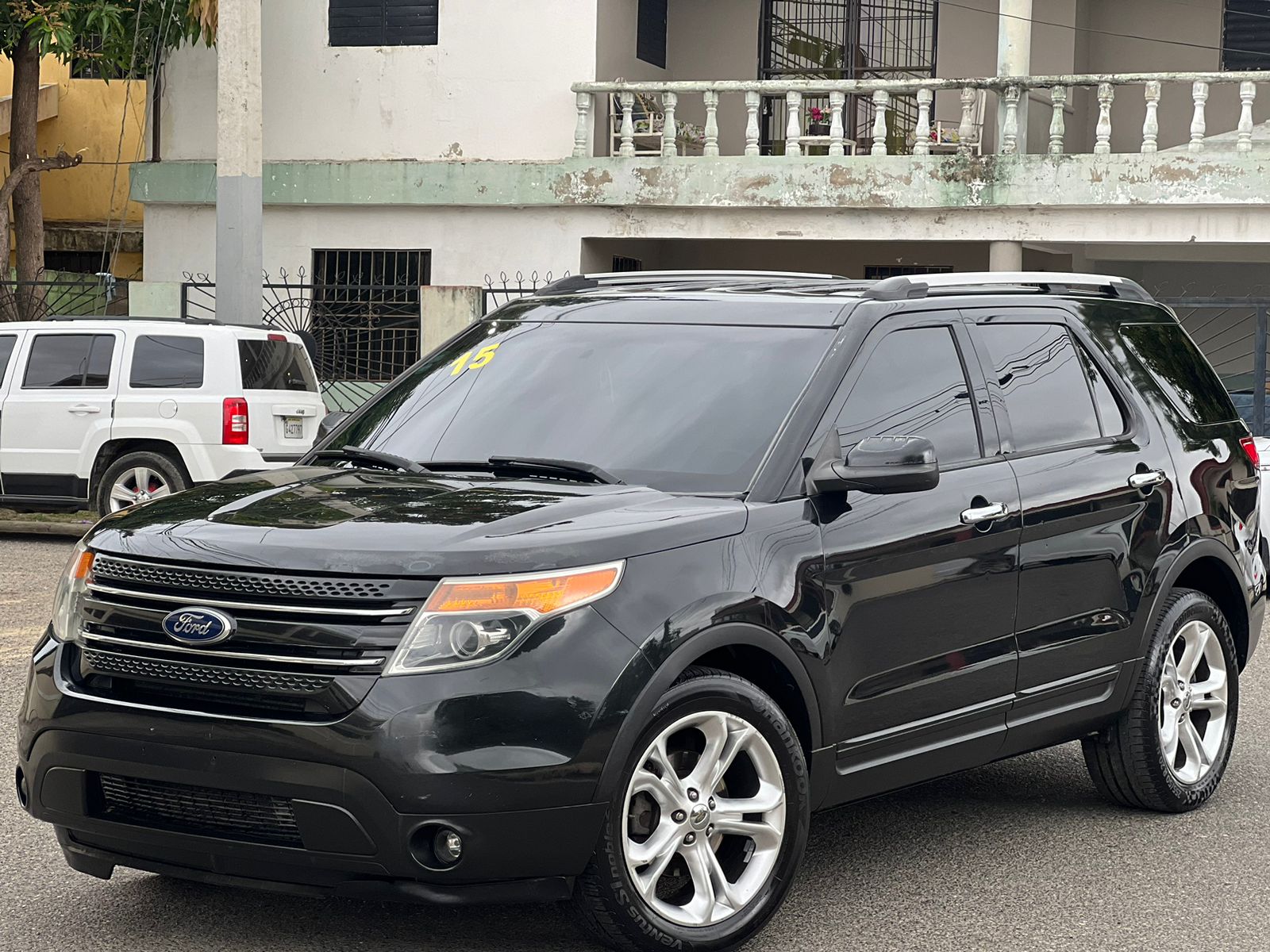
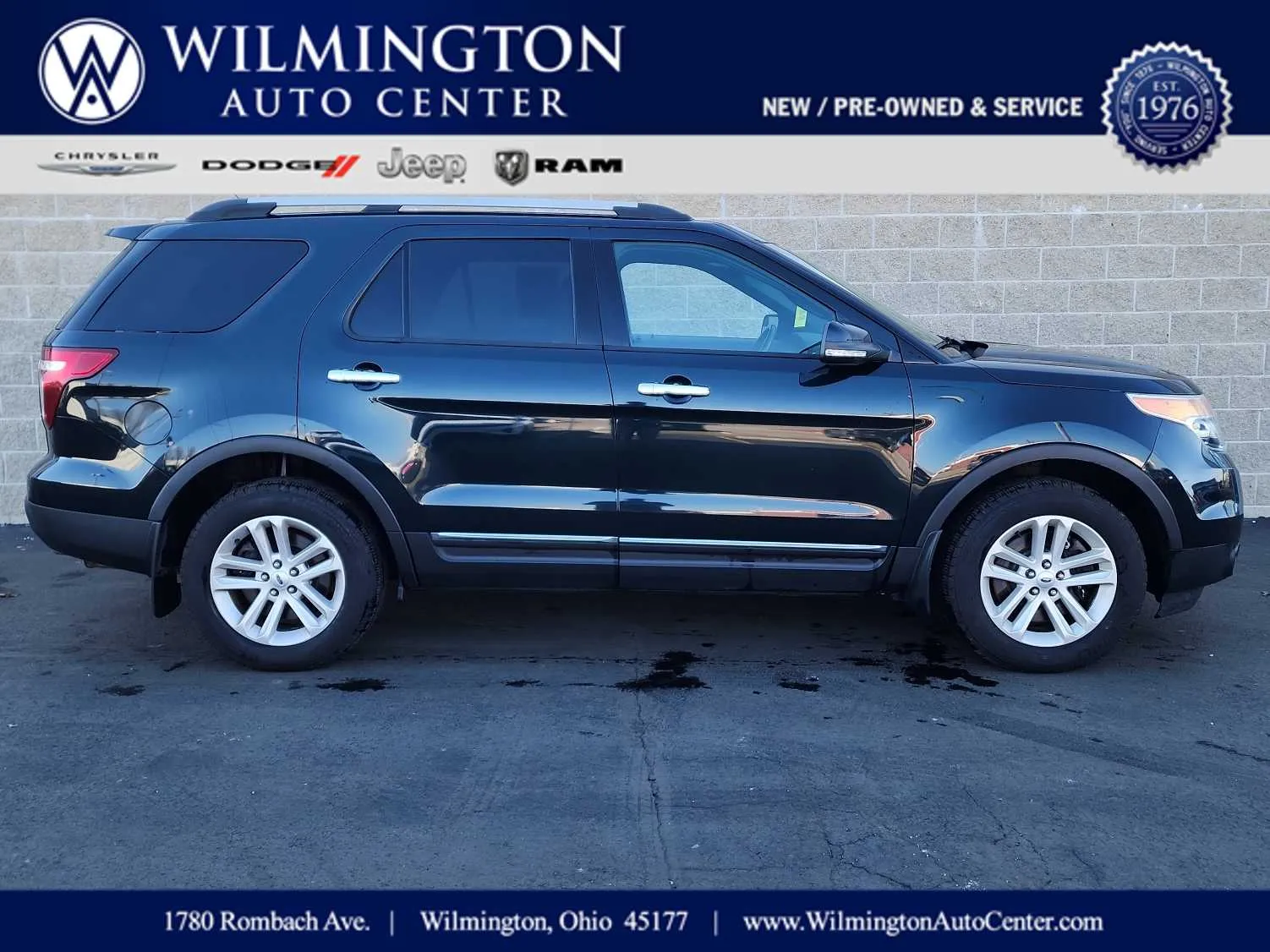
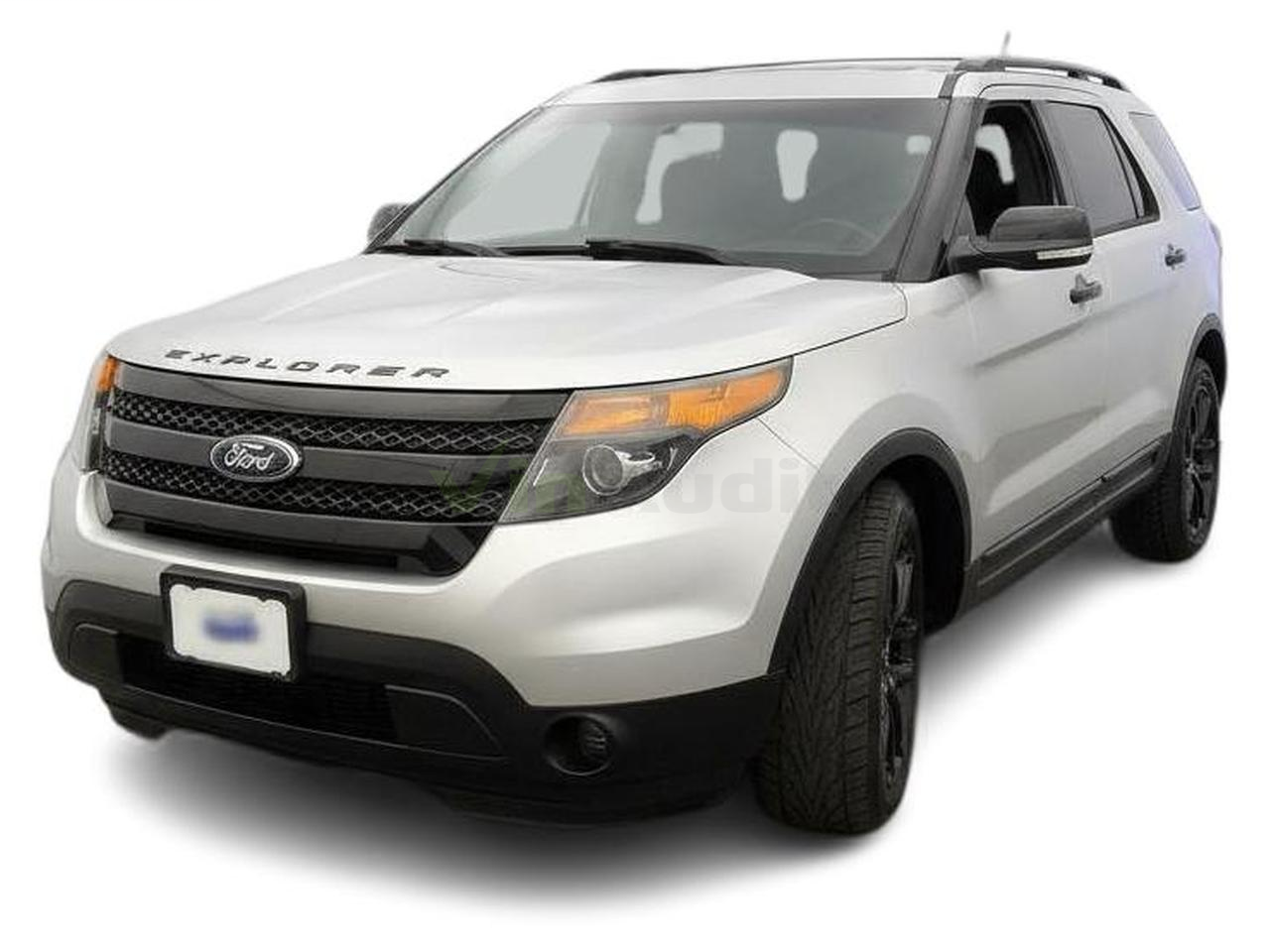
The 2015 Ford Explorer XLT is a popular midsize crossover SUV, but owners frequently report issues concerning exhaust leaks, interior cabin fumes, power steering failures, and structural paint bubbling on the hood. Addressing these concerns requires a clear understanding of specific technical service bulletins, diagnostic procedures, repair costs, and long-term maintenance strategies.
Understanding the 2015 Ford Explorer XLT Ownership Landscape
The 2015 Ford Explorer XLT occupies a very specific space in the used automotive market. As part of the fifth generation of Ford's flagship SUV lineup, this trim level strikes a balance between entry-level affordability and family-friendly technology. Powered typically by a 3.5-liter V6 engine paired with a 6-speed automatic transmission, it delivers dependable utility, robust towing capacity, and ample cargo room. However, vehicles from the 2011 through 2015 model years have accumulated a documented history of recurring mechanical and structural issues that prospective buyers and current owners must navigate carefully.
When evaluating a 2015 Ford Explorer XLT, separating routine wear-and-tear items from systemic design flaws is essential. While normal maintenance includes brake pad replacements, fluid changes, and suspension component wear, systemic problems involve high-cost repairs such as internal water pump failures, steering gear replacements, and exhaust manifold cracks. Understanding these vulnerabilities helps owners prioritize preventive maintenance and allows buyers to inspect prospective vehicles thoroughly before purchase.
Exhaust Leaks and Carbon Monoxide Cabin Fumes
One of the most widely discussed and potentially dangerous complaints associated with the 2015 Ford Explorer XLT involves exhaust leaks that allow exhaust gases, including carbon monoxide, to enter the passenger cabin.
Root Causes of Exhaust Intrusion
The intrusion of exhaust fumes into the cabin typically stems from cracked exhaust manifolds, failing rear climate control housing seals, or unsealed body seams in the rear cargo area. When the exhaust manifolds on the 3.5-liter V6 engine develop hairline fractures, hot gases escape under the hood. The vehicle's heating, ventilation, and air conditioning (HVAC) system can draw these gases through the fresh-air intake cowl. Additionally, unsealed pressure relief vents located behind the rear bumper can allow exhaust to backflow into the cabin while driving at highway speeds or when the climate control system operates in fresh-air mode.
Symptoms and Verification
Drivers often report noticing a distinct sulfur or exhaust smell inside the vehicle, particularly when accelerating hard or running the heater. Some occupants experience headaches, nausea, or dizziness during extended drives. To verify an exhaust leak, technicians perform a visual inspection of the exhaust manifolds for soot trails, utilize a smoke machine to pinpoint escaping smoke under the hood, or employ a portable carbon monoxide detector inside the cabin while the engine runs at operating temperature.
Repair Solutions and Costs
Fixing exhaust manifold leaks requires replacing the cracked manifold and installing new gaskets. Because rusted bolts frequently snap during removal, labor costs can be substantial. For cabin pressure relief vent issues, Ford issued Technical Service Bulletins (TSBs) instructing dealerships to seal body apertures and replace the rear quarter-panel drain valves. Total repair costs for addressing exhaust manifold replacements and sealing cabin intrusion points typically range from $600 to $1,500 depending on labor rates and whether one or both manifolds require replacement.
Electric Power-Assisted Steering (EPAS) Failure
The 2015 Ford Explorer XLT utilizes an Electric Power-Assisted Steering system rather than a traditional hydraulic setup. While EPAS improves fuel economy by eliminating the parasitic drag of a belt-driven hydraulic pump, electronic and mechanical components within the steering gear can fail prematurely.
| Problem Area | Primary Symptoms | Common Resolution | Estimated Repair Cost |
|---|---|---|---|
| EPAS Steering Gear | Sudden loss of power steering, dashboard warning lights, heavy steering feel. | Replace steering gear assembly and reprogram module. | $1,500 – $2,500 |
| Exhaust Manifold | Sulfur smell, ticking noise on startup, cabin exhaust fumes. | Replace manifold, gaskets, and corroded mounting hardware. | $600 – $1,500 |
| Hood Paint Blistering | Bubbling, corrosion, and paint flaking along the front hood edge. | Sand down, repair aluminum substrate, and repaint or replace hood. | $400 – $1,200 |
| Internal Water Pump | Coolant mixing with engine oil, overheating, white smoke from exhaust. | Replace water pump, timing chain components, and flush engine. | $1,800 – $3,000 |
Understanding EPAS Faults
When an EPAS failure occurs, drivers usually experience a sudden loss of steering assist, accompanied by a warning message on the instrument cluster such as "Service Power Steering Now" or "Power Steering Assist Fault." While the vehicle remains mechanically steerable, turning the wheel requires significantly more physical effort, which can create dangerous situations at low speeds or during parking maneuvers.
Diagnostic Trouble Codes (DTCs) and Sensor Errors
Failures in the EPAS system often generate specific diagnostic trouble codes stored in the Power Steering Control Module (PSCM), such as U3000 (Control Module Internal Electronic Failure). Moisture intrusion into the steering gear housing or internal motor sensor failure frequently triggers these codes. Independent testing and dealership diagnostics are necessary to determine whether the issue stems from low system voltage, wiring harness corrosion, or an internal mechanical failure within the steering rack assembly.
Replacement Protocols
Because the EPAS motor and steering rack are integrated into a single assembly on the 2015 Explorer, technicians generally cannot replace the motor or sensor independently. Repairing a failed EPAS system requires replacing the entire steering gear assembly, followed by a computerized calibration and steering angle sensor reset using specialized diagnostic software.
Aluminum Hood Paint Blistering and Corrosion
Many owners of 2015 Ford Explorer XLT models notice paint bubbling, blistering, and flaking along the front leading edge of the hood. This aesthetic defect is not merely a superficial paint flaw but a structural corrosion issue stemming from the manufacturing process.
The Metallurgy Behind Hood Corrosion
Ford utilized stamped aluminum for the hood panels of the fifth-generation Explorer to reduce vehicle weight and improve fuel efficiency. However, during manufacturing in certain model years, iron contamination in the aluminum stamping process or improper pretreatment can cause galvanic corrosion when moisture interacts with the paint layers. This reaction creates microscopic aluminum oxide deposits beneath the paint surface, causing it to bubble, lift, and eventually flake away.
Repair Limitations and Options
Cosmetic touch-ups and traditional body filler provide only temporary relief because the underlying chemical reaction continues to spread beneath the surrounding paint. Body shops typically recommend one of two approaches:
- Stripping the hood to bare metal, treating the aluminum substrate with a specialized anti-corrosion wash primer, and repainting the entire panel.
- Replacing the aluminum hood entirely with an aftermarket or OEM steel or treated aluminum replacement panel, followed by professional color-matching and painting.
Internal Water Pump Failure and Engine Damage
The 3.5-liter V6 engine found in the 2015 Ford Explorer XLT utilizes an internal water pump driven by the timing chain. While this design saves engine bay space, it introduces a catastrophic failure mode when the water pump seal wears out.
The Risks of Internal Coolant Leaks
Unlike external water pumps that leak coolant onto the ground when failing, an internal water pump leaks coolant directly into the engine crankcase, where it mixes with engine oil. Because coolant degrades engine oil's lubricating properties rapidly, bearings can spin, camshafts can score, and catastrophic engine failure can occur within miles of the initial leak if the driver ignores warning signs.
Early Detection and Preventive Action
Drivers must monitor coolant levels in the expansion tank regularly and inspect engine oil during oil changes for a milky, frothy appearance. If a vehicle approaches 100,000 to 150,000 miles, many mechanics recommend replacing the water pump and timing chain components proactively to prevent total engine destruction. Because labor involves removing major engine accessories and timing components, this preventative service is extensive and costly, but it protects the vehicle's core powertrain.
Transmission Performance and Shifting Harshness
The 6F50 6-speed automatic transmission paired with the V6 engine in the 2015 Ford Explorer XLT can develop shifting hesitations, harsh engagement, or slipping over time.
Identifying Transmission Wear
Common complaints include delayed engagement when shifting between Park and Drive, hard downshifts when decelerating, and occasional shuddering during acceleration. Software calibration updates issued by Ford often resolve minor shifting harshness, but mechanical wear within the valve body, torque converter, or clutch packs requires more intensive intervention.
Maintenance Recommendations
To maximize the lifespan of the transmission, owners should perform regular fluid drain-and-fill services every 30,000 to 50,000 miles, especially if the vehicle undergoes heavy towing or frequent stop-and-go driving. Using the correct Mercon LV fluid specification is critical to maintaining proper hydraulic pressure and clutch friction characteristics.
Frequently Asked Questions
What are the most common problems with the 2015 Ford Explorer XLT?
The most frequently reported problems include exhaust manifold cracks leading to cabin fumes, Electric Power-Assisted Steering (EPAS) failures, paint blistering on the aluminum hood, internal water pump leaks, and transmission shifting harshness.
Is the 2015 Ford Explorer XLT a reliable used SUV?
The 2015 Explorer XLT offers strong utility and comfort, but its reliability depends heavily on previous maintenance history. Buyers should verify whether critical components like the water pump, steering gear, and exhaust manifolds have been inspected or replaced.
How can I check if a 2015 Ford Explorer has an exhaust leak?
A visual inspection of the engine bay for black soot around the exhaust manifolds, a persistent sulfur or exhaust smell inside the cabin, and diagnostic checks with a carbon monoxide meter can confirm an exhaust leak.
What should I do if my power steering fails while driving?
If the EPAS system fails, maintain a firm grip on the steering wheel, as steering will require significantly more physical force. Pull over safely, turn off the ignition, and restart the vehicle to attempt a system reset, then arrange for immediate professional diagnosis.
Are there any recalls for the 2015 Ford Explorer XLT?
Yes, Ford issued several safety recalls for vehicles from this era, including campaigns addressing steering gear motor bolt corrosion, suspension component fractures, and door latch issues. Checking the NHTSA database with the vehicle's VIN is the best way to confirm open recalls.
Practical Next Actions for Owners and Buyers
For current owners of a 2015 Ford Explorer XLT, proactive inspection is the best defense against high repair bills. Check fluid levels monthly, monitor the cabin for unusual odors, address dashboard warning lights immediately, and verify all safety recalls through the National Highway Traffic Safety Administration (NHTSA) website using your Vehicle Identification Number (VIN).
Prospective buyers should request a comprehensive pre-purchase inspection from an independent mechanic who is familiar with Ford's powertrain architecture. Specifically ask the technician to inspect the exhaust manifolds, check the engine oil for signs of coolant contamination, scan for stored diagnostic trouble codes in the steering module, and evaluate transmission shift quality during a test drive. Taking these steps ensures informed decision-making and helps avoid unexpected financial burdens.