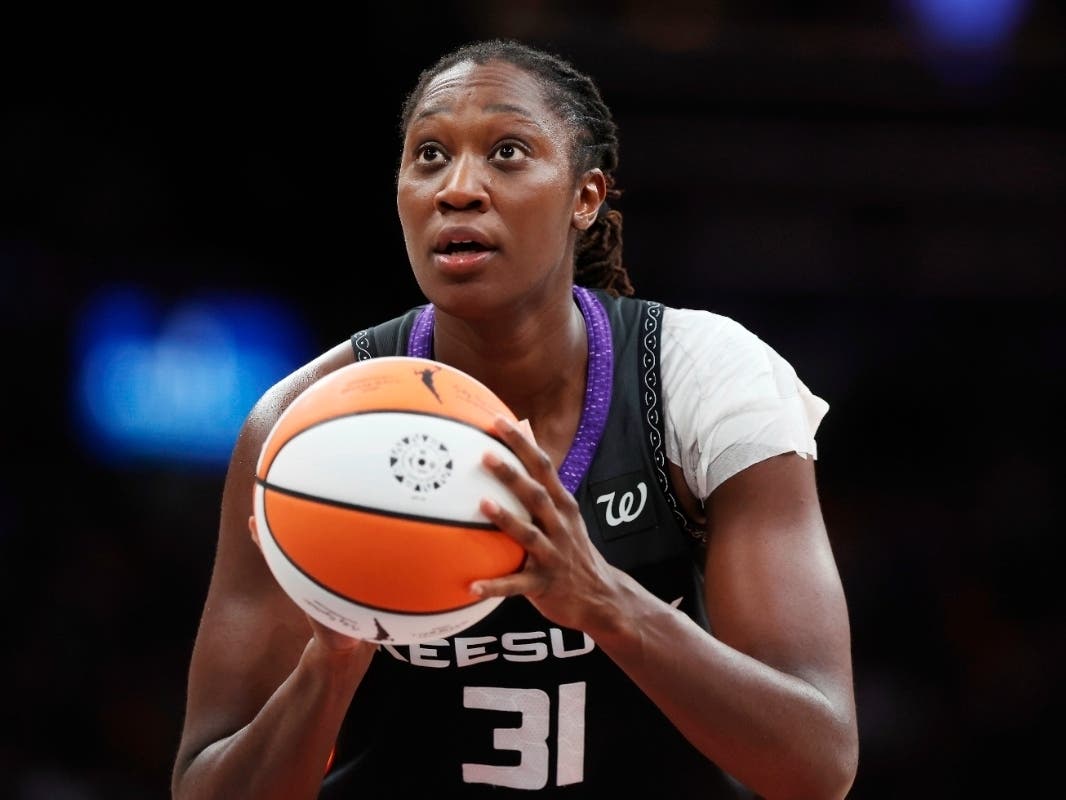
Pinpointing the absolute best basketball player in the world involves balancing individual statistics, advanced analytics, championship success, and defensive impact against shifting eras and global competition. Because the sport features elite talents across the National Basketball Association (NBA), international leagues, and global tournaments, determining the single premier player requires evaluating both peak dominance and sustained consistency under the highest competitive pressure.
Understanding the Landscape of Elite Basketball Talent
Evaluating who stands as the top basketball player on the planet requires looking past traditional box scores like points per game. Modern basketball analysis incorporates a multi-faceted approach that weighs offensive creation, defensive versatility, efficiency, and leadership.
The conversation around the best player in the world typically centers on a small group of generational superstars. These athletes dictate how defenses operate, elevate their teammates, and consistently perform in high-stakes playoff or international competition. To understand why a specific player earns this distinction, analysts examine several core pillars of basketball excellence:
- Offensive Gravity: The ability to draw constant double-teams, create open shots for teammates, and score efficiently from all three levels (the rim, the mid-range, and beyond the three-point arc).
- Defensive Versatility: The capability to protect the rim, switch onto elite perimeter guards, and disrupt passing lanes without fouling.
- Advanced Impact Metrics: Utilizing data points like Player Efficiency Rating (PER), Win Shares, Value Over Replacement Player (VORP), and Net Rating to quantify a player's true value on the floor.
- Clutch Performance: Maintaining composure and executing effectively during tight, late-game situations when defensive intensity reaches its peak.
Core Metrics Used to Evaluate World-Class Players
To remove subjective bias, basketball experts rely on a combination of traditional tracking and advanced metrics. No single statistic tells the entire story, but when analyzed collectively, they paint a clear picture of elite performance.
| Metric Category | Specific Statistic | What It Measures | Why It Matters for Elite Players |
|---|---|---|---|
| Traditional Box Score | Points, Rebounds, Assists (PRA) | Raw statistical production | Demonstrates a player's direct box-score contribution across multiple phases of the game. |
| Efficiency | True Shooting Percentage (TS%) | Scoring efficiency factoring in two-pointers, three-pointers, and free throws | Shows how many possessions a player wastes or converts into points. |
| Advanced Impact | Player Impact Estimate (PIE) | Overall statistical contribution against the total game statistics | Captures a holistic view of a player's influence while on the court. |
| On/Off Court | Net Rating Differential | Team point differential per 100 possessions with the player on vs. off the floor | Proves whether a team genuinely improves when the player is actively competing. |
The Contenders for the Top Spot
While the title of the 1 best basketball player in the world shifts based on seasonal health, playoff runs, and individual development, a few names consistently anchor the debate.
Nikola Jokić
Nikola Jokić represents a paradigm shift in how the center position is played. Possessing historic court vision, elite passing accuracy, and unprecedented scoring efficiency from the post and the perimeter, Jokić controls the tempo of a game entirely through his decision-making. His ability to anchor an offense as both a primary scorer and a historic playmaker makes him a perennial candidate for the world's best player.
Giannis Antetokounmpo
Giannis Antetokounmpo combines breathtaking athletic traits with relentless motor and defensive dominance. As a former Defensive Player of the Year and multi-time Most Valuable Player, Antetokounmpo applies relentless pressure at the rim while shutting down opponents across multiple positions. His transition offense and rim protection embody modern two-way excellence.
Luka Dončić
Luka Dončić stands out for his unmatched offensive orchestration, step-back shooting, and mastery of pick-and-roll dissection. Dončić manipulates defenses with patient pacing and elite court awareness, regularly carrying high usage rates deep into the postseason while producing staggering triple-double statistics.
Historical Context and Evolution of the Title
The designation of the world's best basketball player has transitioned through distinct eras. In the 1980s and 1990s, players like Magic Johnson, Larry Bird, and Michael Jordan defined the pinnacle of the sport through individual scoring outbursts and fierce competitive leadership. The 2000s and 2010s saw the dominance of perimeter isolation specialists and versatile forwards like Kobe Bryant, LeBron James, and Kevin Durant, who stretched the boundaries of career longevity and offensive versatility.
In the modern era, the global expansion of basketball has transformed the talent pool. The top players in the world frequently originate from outside the United States, showcasing a style of play that emphasizes skill, shooting gravity, positional fluidity, and high basketball IQ.
Common Challenges in Ranking Basketball Players
Determining a definitive number-one player involves several recurring complications that analysts must navigate:
- Health and Availability: A player's standing can fluctuate if injuries force them to miss significant portions of the regular season or playoffs.
- Supporting Casts: Elite players frequently face criticism or receive praise based on the quality of their teammates and front-office roster construction.
- Regular Season vs. Postseason Weight: Performances in high-leverage playoff series carry significantly more weight in legacy evaluations than dominant regular-season stretches.
- Positional Roles: Comparing a playmaking center to a perimeter-scoring forward requires weighting entirely different styles of impact on winning.
Frequently Asked Questions
Who decides who the best basketball player in the world is?
There is no single official governing body that awards this title. Instead, the consensus is shaped by a combination of media voting awards (such as NBA MVP), analytical evaluations by basketball researchers, player polls, and general manager surveys conducted annually.
Does winning a championship make someone the best player?
Championships heavily influence legacy and are a major component of evaluating all-time greats, but the single best player in any given year can sometimes play on a roster that lacks the depth needed to win a title. Analysts look at individual performance within the context of team success rather than rings alone.
How do international competitions factor into the ranking?
FIBA tournaments and the Olympic Games provide a neutral platform where NBA superstars compete under different rules, officiating styles, and team dynamics. Dominating on the international stage often solidifies a player's global reputation.
Can defensive skill outweigh offensive production for the top spot?
While elite defense is essential for a complete superstar, history shows that the undisputed best player in the world almost always possesses elite offensive creation. Offense impacts scoring efficiency and possession control to a greater statistical degree than individual defense can offset.
Conclusion and Next Actions
Ultimately, naming the 1 best basketball player in the world depends on whether an evaluator prioritizes historic playmaking efficiency, two-way athletic dominance, or pure offensive scoring output. To follow this ongoing debate closely, monitor advanced tracking data platforms like the NBA's official stats portal, track voting trends for major annual awards, and observe how elite talents perform during high-pressure playoff matchups.