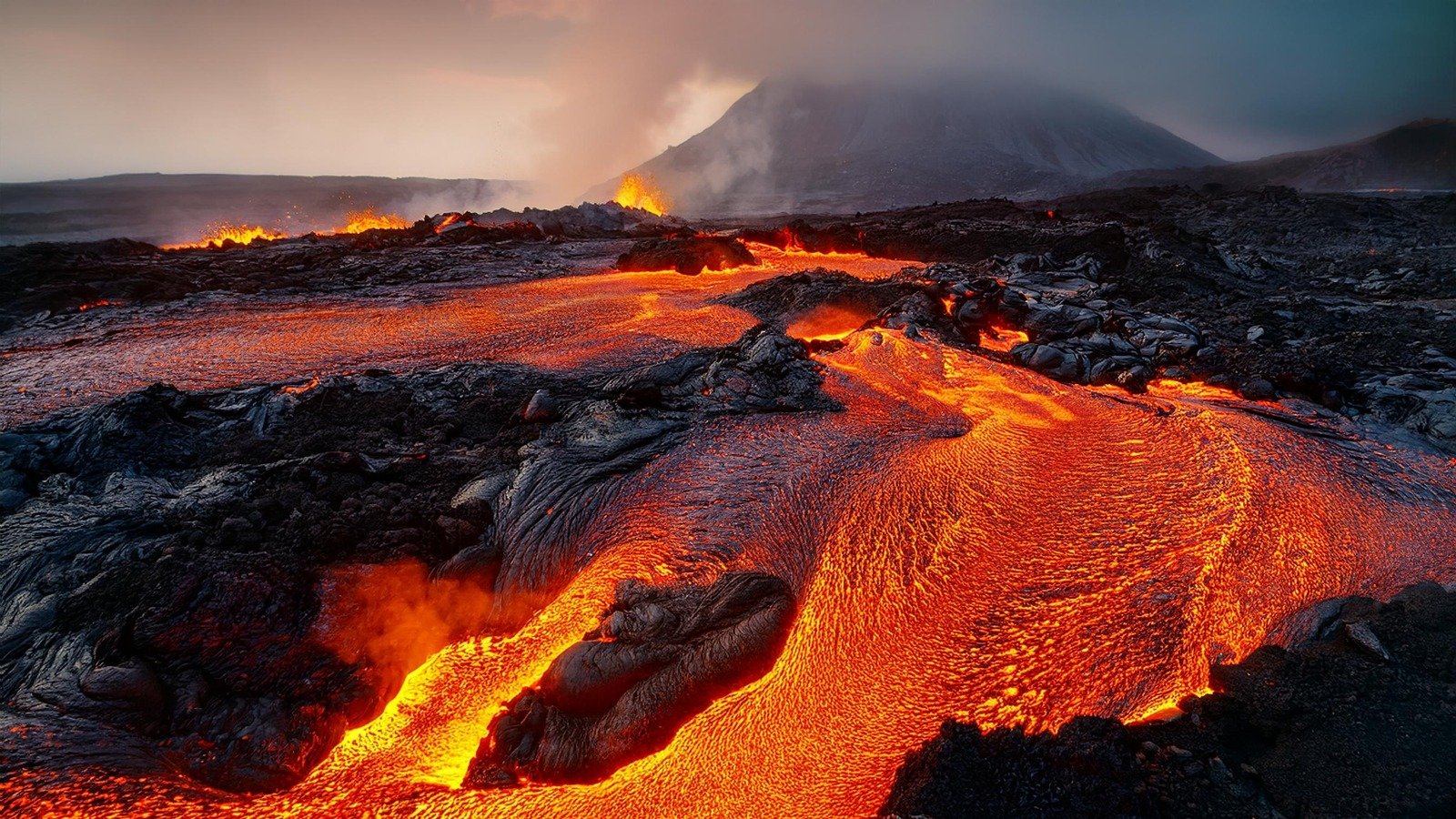
If a person falls into lava, they do not sink like a stone; instead, they remain on the surface due to lava’s high density, which is roughly three times that of water. The extreme temperatures—typically between 700°C and 1,200°C—cause immediate combustion of organic material, followed by rapid thermal destruction of tissues and potentially a steam explosion as body moisture vaporizes.
The depiction of falling into lava in popular media, most notably the "sinking" scenes in fantasy films, has created a widespread misunderstanding of how molten rock interacts with human biology. In reality, the interaction is governed by rigorous laws of thermodynamics, fluid dynamics, and material science. As of 2026, our understanding of these interactions has been refined by high-resolution thermal modeling and rare documented survival cases, such as those occurring at unique volcanic sites like Ol Doinyo Lengai. To understand what truly happens, one must look at the physical properties of the lava itself and the biological limits of the human frame.
The Density Discrepancy: Why You Float
One of the most persistent myths is that a human body would submerge in lava. To understand why this is impossible, we must look at the density of the materials involved. Density is defined as mass per unit volume. The average density of a human being is approximately 1,010 kg/m³, which is very close to the density of water (1,000 kg/m³). This is why humans can float or sink in a swimming pool with minor adjustments in lung volume.
In contrast, lava is molten rock. The most common type of lava, basaltic lava, has a density ranging from 2,500 kg/m³ to 3,000 kg/m³. Because the lava is nearly three times as dense as the human body, a person falling into a lava lake would remain buoyed on the surface. They would not "sink" into the depths; they would land on top of the liquid rock. This buoyancy is so significant that even if a person were to jump from a height, they would likely bounce or skip across the surface rather than penetrating it deeply.
Viscosity and the "Concrete" Effect
Beyond density, the viscosity of lava plays a critical role in the physics of a fall. Viscosity refers to a fluid's resistance to flow. Water has a very low viscosity, while honey or molasses has a high viscosity. Lava is thousands to millions of times more viscous than water.
When a person hits a high-viscosity fluid at high speed, the fluid cannot move out of the way fast enough to accommodate the object. This is similar to the effect of hitting water from a great height—it feels like hitting concrete. Falling into a lava lake from a significant height would result in massive blunt-force trauma, including broken bones and internal organ rupture, before the thermal effects even begin to take hold. The lava acts less like a liquid and more like a soft, yet incredibly heavy, solid upon initial impact.
Thermal Dynamics: Conduction and the Leidenfrost Effect
Once the body is on the surface of the lava, the thermal transfer begins. There are three primary ways heat moves: conduction (direct contact), convection (movement of air or fluid), and radiation (infrared waves).
Radiative Heat
Even before touching the lava, a person would experience intense radiative heat. Lava glows because it is emitting massive amounts of infrared radiation. At a distance of several meters, this heat is sufficient to cause second-degree burns within seconds. By the time a person is centimeters away from the surface, their hair and clothing (if made of synthetic materials) would likely ignite or melt.
The Leidenfrost Effect
Upon direct contact, a phenomenon known as the Leidenfrost effect may provide a fraction of a second of "protection." This occurs when a liquid comes into contact with a surface significantly hotter than its boiling point. A thin layer of vapor forms between the two, acting as a temporary thermal insulator. In the case of a human falling onto lava, the moisture in the skin would flash into steam, creating a microscopic cushion of vapor. However, this effect is extremely short-lived in this context because the sheer intensity of the heat would quickly overwhelm the vapor barrier, leading to catastrophic thermal conduction.
Physiological Breakdown: The Impact on Human Tissue
The biological consequences of contact with 1,000°C molten rock are immediate and devastating. The human body is approximately 60-70% water. When this water is exposed to lava, it undergoes a phase change into steam almost instantly.
- Combustion of Extremities: The skin, being the first point of contact, undergoes full-thickness (third-degree) burns instantly. However, the heat is so intense that it often bypasses the standard burn stages, moving directly to "charring" or carbonization.
- Steam Explosions: As the internal moisture in the muscles and organs turns to steam, the pressure inside the body increases rapidly. This can cause the body to "fizz" or even explode on the surface of the lava. This is not a combustion explosion like a bomb, but a mechanical one caused by the rapid expansion of water vapor trapped within biological membranes.
- Nervous System Failure: While the pain would be unimaginable, the silver lining—if one can be found—is that the heat would likely destroy the nerve endings almost instantly. The brain would be subjected to such extreme trauma that "shock" would likely induce unconsciousness within seconds, though the physical destruction of the brain tissue would follow shortly thereafter.
- Inhalation Burns: If the person manages to take a breath during the fall or while on the surface, the superheated air and volcanic gases would cause immediate internal blistering of the lungs (pulmonary edema), making oxygen exchange impossible.
Atmospheric Dangers: Volcanic Gases and Asphyxiation
A "fall into lava" usually implies proximity to a volcanic vent or a lava lake, such as those found at Kilauea in Hawaii or Erebus in Antarctica. These environments are chemically hostile. Volcanoes emit a cocktail of gases, including:
- Sulfur Dioxide (SO2): A pungent gas that reacts with moisture in the lungs to form sulfuric acid.
- Carbon Dioxide (CO2): Being heavier than air, CO2 can displace oxygen in depressions or craters, leading to rapid asphyxiation before a person even touches the lava.
- Hydrogen Fluoride (HF): An extremely toxic gas that can cause systemic chemical burns and bone degradation.
In many historical "falls," the victim was likely unconscious or already dead from gas inhalation or heat exhaustion before they actually made contact with the molten flow. The United States Geological Survey (USGS) notes that gas hazards often extend far beyond the visible lava flow.
Survival Odds and the Ol Doinyo Lengai Exception
Is it possible to survive a fall into lava? In almost all cases involving basaltic or rhyolitic lava, the answer is no. The thermal energy is simply too high for human cells to maintain integrity. However, there is one notable geological exception: the Ol Doinyo Lengai volcano in Tanzania.
Ol Doinyo Lengai erupts natrocarbonatite lava, which is unique on Earth. This lava is much "cooler" than standard silicate lava, erupting at temperatures of only 500°C to 600°C. It looks like black oil or mud during the day. In 2007, a Maasai porter reportedly fell into a flow of this lava. Because of the lower temperature and the porter's quick action to climb out, he survived, although he suffered severe burns to his legs and arms. This is the only documented case of a human falling into "active" lava and surviving, and it was only possible because of the specific chemical composition of that volcano.
Comparative Analysis of Lava Types
The impact of a fall varies slightly based on the chemical composition of the lava, which dictates its temperature and flow characteristics.
| Lava Type | Temperature Range | Viscosity | Common Locations | Effect of Impact |
|---|---|---|---|---|
| Natrocarbonatite | 500°C – 600°C | Very Low (Runny) | Ol Doinyo Lengai (Tanzania) | Extreme burns, but survival is physically possible with immediate exit. |
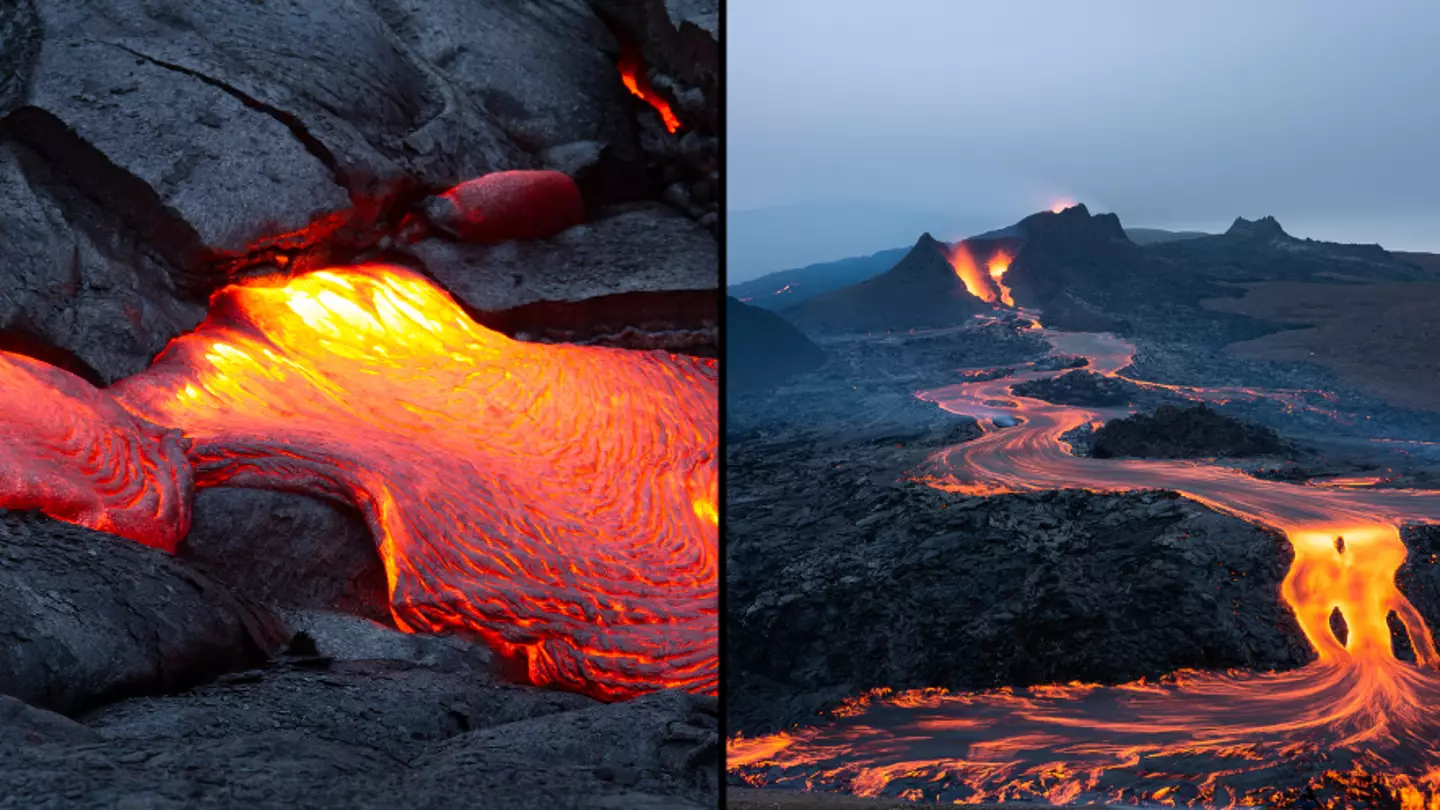
| Basaltic | 1,000°C – 1,200°C | Low to Medium | Hawaii (USA), Iceland | Immediate combustion; floating on surface; steam explosions likely. |
| Andesitic | 800°C – 1,000°C | High | Andes Mountains, Japan | Highly explosive environment; landing would feel like hitting a solid wall. |
| Rhyolitic | 650°C – 800°C | Very High (Thick) | Yellowstone (USA) | Extremely thick; victim would remain on top like a hot griddle; rapid charring. |
Protective Measures and Modern Safety Protocols
As of 2026, researchers and volcanologists use advanced Personal Protective Equipment (PPE) when working near active flows. These "proximity suits" are typically made of aluminized fabrics designed to reflect up to 90% of radiative heat. However, these suits are designed for heat reflection, not immersion. They offer no protection against a direct fall into the liquid.
For those visiting volcanic parks, safety protocols emphasize the "crust" danger. Lava often develops a cooled outer skin that looks like solid rock but is only a few centimeters thick. Breaking through this crust—a "breakout"—is a common cause of accidents. Modern guidance from the National Park Service and international agencies stresses staying on marked paths because what looks like solid ground may be a hollow tube or a thin shell over a 1,000°C void.
Frequently Asked Questions
Why don't you sink in lava like in the movies?
Lava is made of molten rock and is significantly denser than the human body. Just as wood floats on water because it is less dense, a human body stays on the surface of lava. The "sinking" effect seen in movies like The Lord of the Rings is a cinematic invention used for dramatic effect, not a reflection of physics.
Would you feel any pain if you fell into lava?
The initial contact would trigger an extreme pain response, but this would likely be followed by an almost instantaneous destruction of the cutaneous nerves (the nerves in the skin). Furthermore, the massive physiological shock and the inhalation of superheated air would likely cause the victim to lose consciousness within seconds.
Can you walk on lava if it has a crust?
While you can technically step on a cooled crust, it is extremely dangerous. The crust is often brittle and can collapse under a person's weight, plunging them into the molten material below. Even if the crust holds, the heat transfer through the soles of standard boots would cause them to melt or ignite within a very short time.
What is the primary cause of death in a lava fall?
The primary cause is typically a combination of thermal trauma (full-thickness burns) and asphyxiation. If the fall is from a height, blunt force trauma from hitting the high-viscosity surface would also be a major contributing factor.
Does the body disappear instantly in lava?
The body does not "vaporize" instantly into nothingness. It undergoes rapid combustion and carbonization. The organic matter burns away, leaving behind charred remains and bone, which would eventually be incorporated into the cooling rock or consumed by the intense heat over a longer period.
Practical Recommendations for Volcanic Areas
If you are traveling to a volcanic region in 2026, such as the active zones in Iceland or the Hawaiian islands, prioritize safety by following these expert guidelines:
- Heed All Barriers: Volcanic activity is unpredictable. Boundaries are set based on gas concentrations and crust stability.
- Wear Appropriate Footwear: If you are near cooled flows, use heavy-duty leather boots. Synthetic soles can melt on "hot ground" that isn't even glowing.
- Monitor Wind Direction: Volcanic gases are often clear. If you smell "rotten eggs" (hydrogen sulfide) or feel a sting in your throat, move upwind immediately.
- Never Approach "Skylights": These are holes in the roof of a lava tube. The ground around them is notoriously unstable.
While the visual of a lava lake is mesmerizing, it represents one of the most hostile environments on Earth. Understanding the physics of density and the reality of thermal dynamics serves as a grim reminder of why these geological wonders must be respected from a distance.