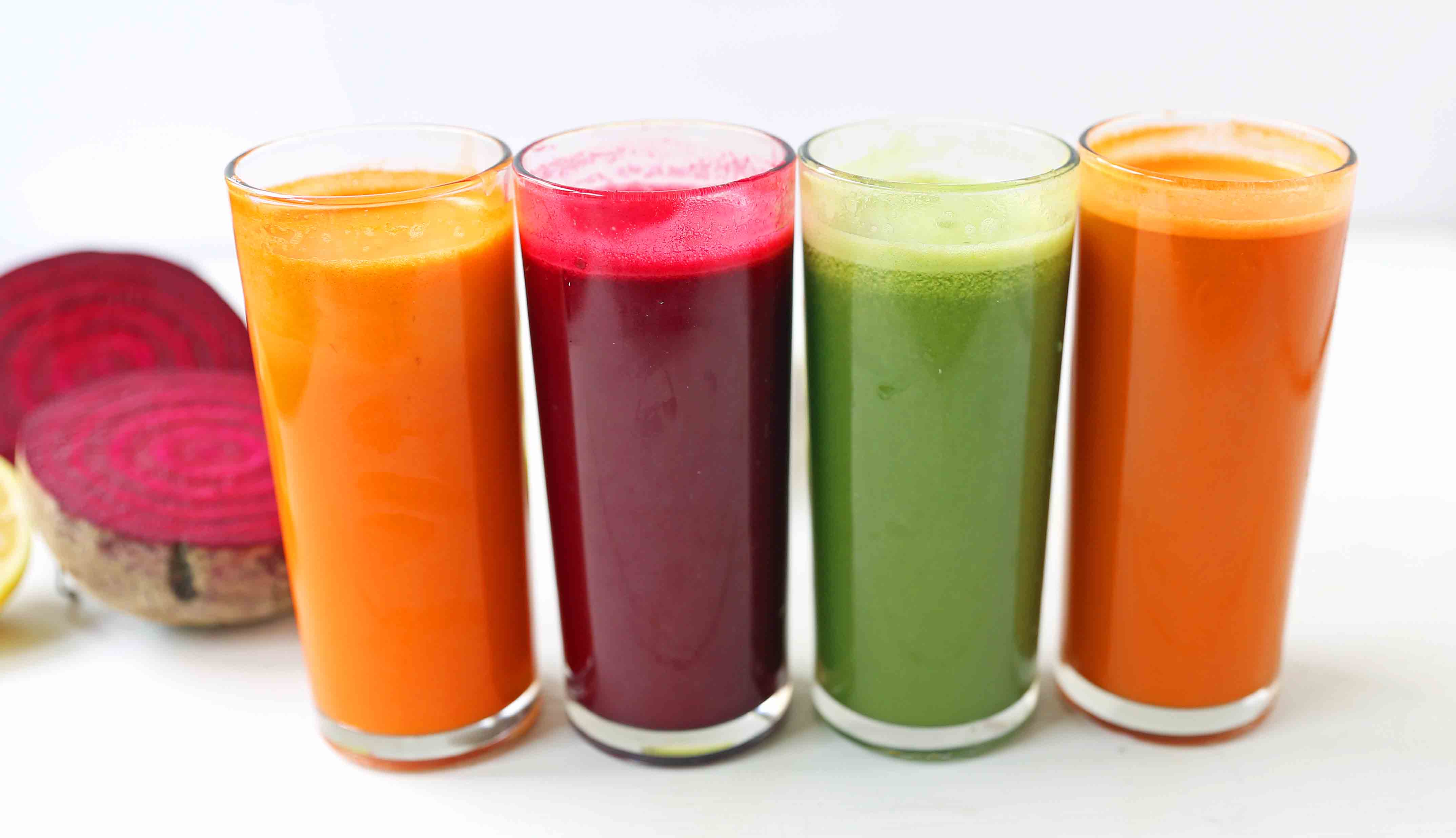
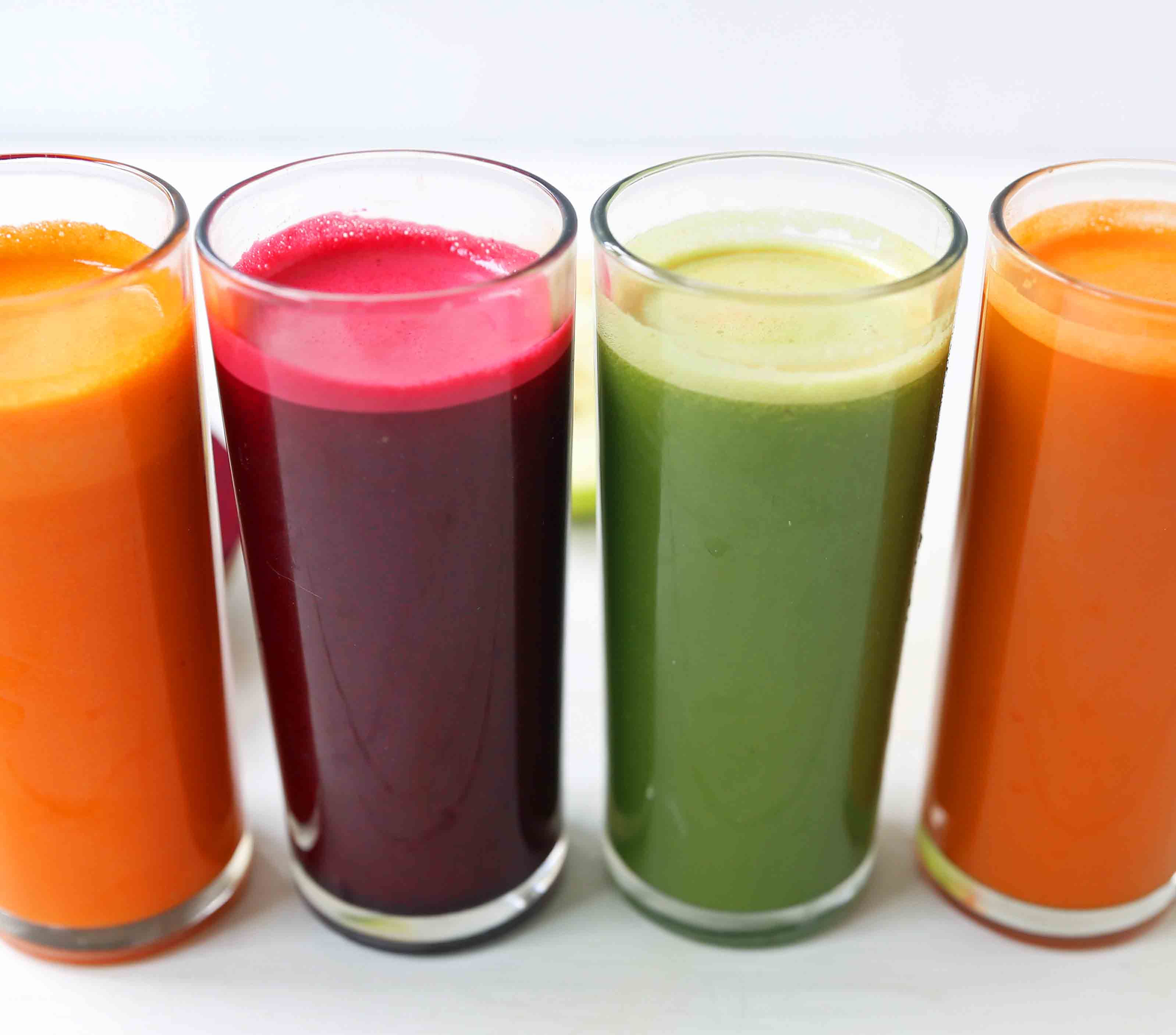
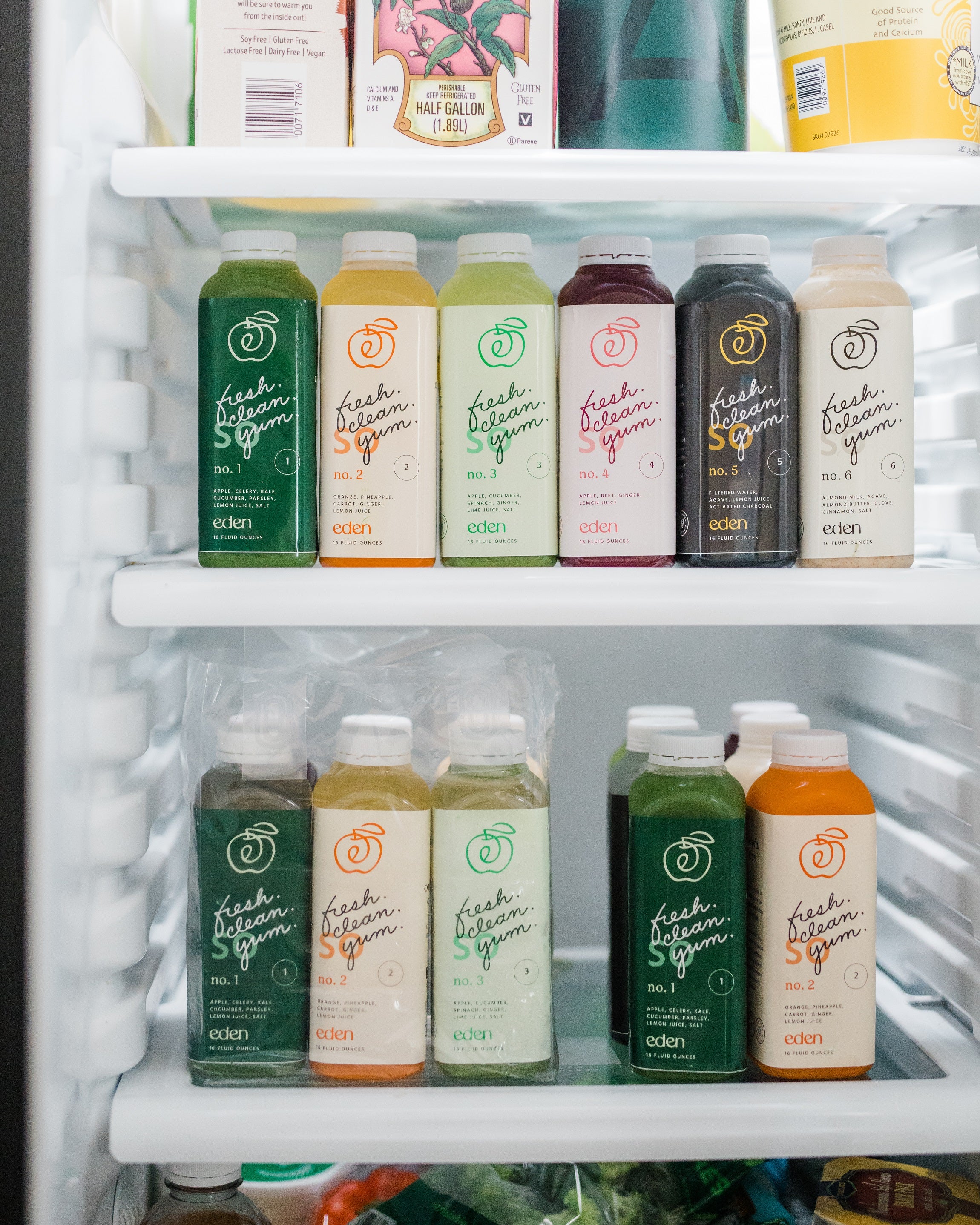
An at-home juice cleanse is a short-term dietary intervention involving the exclusive consumption of raw fruit and vegetable juices, typically lasting between one and seven days. This practice aims to provide the digestive system with a period of rest while delivering a high concentration of bioavailable micronutrients to the body. Success requires high-quality equipment, strategic ingredient selection, and a structured transition period.
The Evolution of Juice Cleansing in 2026
As of 2026, the perspective on juice cleansing has shifted from "miracle detox" toward a more nuanced understanding of metabolic rest and nutrient loading. While the human body possesses sophisticated detoxification systems via the liver, kidneys, and lymphatic system, a structured juice cleanse is used as a tool to break cycles of processed food dependency and to increase the intake of phytonutrients that are often missing from the standard modern diet.
In this practical overview, we move beyond the marketing hype to examine the mechanics of conducting a safe, effective, and nutritionally balanced cleanse within your own kitchen. By focusing on the "how" and "why" of liquid nutrition, you can customize a protocol that aligns with your specific health goals—whether that is reducing systemic inflammation, improving skin clarity, or resetting your palate for whole foods.
The Core Objectives of an At-Home Cleanse
Before purchasing crates of kale and celery, it is vital to define what an at-home juice cleanse actually accomplishes. Understanding these objectives helps in selecting ingredients and managing expectations.
Digestive Rest
The primary mechanical benefit of a juice cleanse is the removal of insoluble fiber. While fiber is essential for long-term health, the process of breaking down complex solids requires significant energy and enzymatic activity. By consuming only juice, the gastrointestinal tract is given a "vacation," allowing the body to redirect that energy toward cellular repair and systemic inflammation reduction.
Micronutrient Bioavailability
Juicing extracts the liquid gold from plants—vitamins, minerals, and antioxidants—leaving the pulp behind. Because these nutrients are already in liquid form, the small intestine can absorb them almost immediately with minimal effort. This results in a rapid "infusion" of nutrients that can provide a natural energy boost and support various metabolic functions.
Breaking Habits
For many, a juice cleanse serves as a psychological "circuit breaker." It is a period of mindfulness regarding what enters the body. By eliminating caffeine, refined sugar, alcohol, and processed fats for 72 hours or more, individuals often find it easier to transition into a permanent, healthier eating pattern post-cleanse.
Essential Equipment: Choosing Your Juicer
The quality of your juice depends heavily on the technology used to extract it. In 2026, the market is dominated by two primary types of juicers, each with distinct advantages and disadvantages for the home user.
Masticating Juicers (Slow Juicers)
Masticating juicers use a rotating auger to crush and squeeze produce against a mesh screen. This "cold-press" method is generally considered superior for cleansing.
- Pros: High juice yield, especially for leafy greens; minimal heat generation, which preserves sensitive enzymes; longer shelf life for the juice (up to 72 hours).
- Cons: Higher initial cost; slower operation; more parts to clean.
Centrifugal Juicers
These machines use a high-speed spinning blade to shred produce and force the juice through a filter using centrifugal force.
- Pros: Very fast; lower entry-level price point; wide feed chutes that require less pre-cutting of vegetables.
- Cons: Significant heat and oxygen exposure can lead to faster nutrient degradation; poor performance with leafy greens like spinach or wheatgrass; juice should be consumed immediately.
Comparison of Juicing Methods
| Feature | Masticating (Cold-Press) | Centrifugal (High-Speed) | Blender (Smoothie/Fiber-In) |
|---|---|---|---|
| Nutrient Retention | Excellent | Moderate | Good (includes fiber) |
| Oxidation Level | Very Low | High | Moderate |
| Leafy Green Yield | High | Low | N/A (Total volume) |
| Cleanup Time | 5–10 Minutes | 5 Minutes | 2 Minutes |
| Best For | Multi-day cleanses | Quick morning juices | Fiber-rich meal replacement |
The Three Phases of a Successful Cleanse
A common mistake is starting a cleanse abruptly. This often leads to a "healing crisis"—a cluster of symptoms like headaches, irritability, and extreme fatigue caused by the sudden withdrawal of stimulants and the shift in blood sugar levels. A practical approach involves three distinct phases.
Phase 1: The Pre-Cleanse Transition (3 Days Prior)
Preparation is the most critical factor in minimizing side effects. During these 72 hours, you should systematically eliminate the following:
- Caffeine and Alcohol: Tapering off coffee prevents the severe withdrawal headaches often associated with day one of a cleanse.
- Refined Sugars: Reducing sugar intake stabilizes insulin levels before the liquid-only phase.
- Animal Proteins and Dairy: Shifting toward a plant-based diet makes the transition to juice less taxing on the digestive system.
Phase 2: The Cleanse (1 to 7 Days)
During the cleanse itself, the goal is to consume 16 to 20 ounces of juice every 2.5 to 3 hours. A typical day should include 5 to 6 juices, supplemented by ample amounts of filtered water and herbal teas.
The ratio of ingredients is paramount. A "practical" juice cleanse should follow the 80/20 rule: 80% vegetables and 20% fruit. Relying too heavily on fruit juices (like orange or pineapple) can lead to massive spikes in blood glucose, followed by crashes that leave you feeling hungry and lightheaded.
Phase 3: The Post-Cleanse Reintroduction (2–3 Days After)
Ending a cleanse is just as important as starting one. Introducing a heavy meal immediately can cause significant digestive distress.
- Day 1 Post-Cleanse: Stick to raw fruits, lightly steamed vegetables, and clear broths.
- Day 2 Post-Cleanse: Introduce healthy fats (avocado, nuts) and gluten-free grains (quinoa).
- Day 3 Post-Cleanse: Gradually bring back clean proteins if desired.
Ingredient Selection: The "Functional" Grocery List
To maximize the benefits of an at-home juice cleanse, select produce based on its functional properties. In 2026, organic produce is highly recommended for juicing because the concentration of liquid also concentrates any pesticide residues present on the skin.
The Green Base
Leafy greens are the backbone of any therapeutic cleanse.
- Kale and Spinach: High in Vitamin K and iron.
- Celery: Provides natural electrolytes and supports kidney function.
- Cucumber: Excellent for hydration and skin health due to its silica content.
The "Purifiers"
- Beets: Known for supporting liver detoxification and improving blood flow.
- Dandelion Greens: Act as a gentle diuretic to help flush the system.
- Lemon/Lime: Highly alkalizing once metabolized and high in Vitamin C.
Anti-Inflammatory Add-ins
- Ginger: Supports digestion and reduces nausea (especially helpful on day two).
- Turmeric: A potent anti-inflammatory; best paired with a tiny pinch of black pepper (even in juice) to enhance curcumin absorption.
Practical Scheduling: A Sample Daily Protocol
Consistency is key to maintaining energy levels throughout the day. Below is a standard schedule for a 3-day at-home juice cleanse.
- 07:00 AM: Warm water with half a lemon and a pinch of cayenne pepper to "wake up" the digestive tract.
- 08:30 AM (Green Juice): Kale, cucumber, celery, green apple, lemon, and ginger. This provides a chlorophyll-rich start.
- 11:00 AM (Root Juice): Beet, carrot, apple, and lemon. This helps maintain stamina during the late morning.
- 01:30 PM (Green Juice): Spinach, romaine, parsley, cucumber, and lime. Focus on mineral density.
- 04:00 PM (Citrus/Spice): Pineapple or grapefruit with turmeric and mint. Provides a late-afternoon metabolic boost.
- 06:30 PM (Green Juice): A repeat of the morning green juice or a variation with celery and chard.
- 08:30 PM (Optional "Milk"): Many practitioners include a homemade almond or cashew milk (strained) with cinnamon to provide a small amount of protein and healthy fats for better sleep.
Common Challenges and Troubleshooting
Executing a juice cleanse at home is not without its hurdles. Being prepared for these common issues will prevent you from quitting prematurely.
The "Healing Crisis"
On day one or two, you may experience fatigue, skin breakouts, or a coated tongue. According to the National Institutes of Health (NIH), these are often the body's natural reactions to the removal of habitual substances like caffeine and sugar. The Solution: Increase your water intake significantly. For every 16 oz of juice, consume at least 16 oz of water.
Managing Hunger
While "juice hunger" is often psychological, true physical hunger can occur. The Solution: If you feel lightheaded, add a pinch of sea salt to your juice to replenish sodium, or blend a small amount of avocado into one of your green juices to provide satiating fats.
Logistics and Storage
Juicing is time-consuming. The Solution: If using a masticating juicer, you can "batch juice" in the morning for the entire day. Store juices in airtight glass jars (filled to the very top to minimize oxygen exposure) and keep them in a cooler if you are on the go.
Safety and Contraindications
While beneficial for many, juice cleansing is not appropriate for everyone. It is a restrictive practice that can place stress on certain physiological systems.
- Blood Sugar Management: Individuals with Type 1 or Type 2 diabetes must be extremely cautious, as fruit juices can cause dangerous blood sugar spikes.
- Kidney Issues: High-oxalate greens (like spinach and beets) in large quantities can contribute to kidney stone formation in susceptible individuals.
- Pregnancy and Nursing: These are times for caloric abundance and nutrient diversity; restrictive cleansing is generally discouraged.
- Disordered Eating: Those with a history of eating disorders should avoid liquid-only protocols, as they can trigger restrictive behaviors.
Before starting any intensive dietary regimen, consult with a healthcare professional or a registered dietitian, especially if you are taking medications like blood thinners, which can be affected by the high Vitamin K content in green juices.
Frequently Asked Questions
Can I exercise during an at-home juice cleanse?
Yes, but you should adjust the intensity. While on a cleanse, your caloric intake is significantly lower than usual. Opt for low-impact activities like walking, restorative yoga, or light stretching. Avoid high-intensity interval training (HIIT) or heavy weightlifting, as your body lacks the protein and glycogen stores required for rapid recovery.
How much weight will I lose on a juice cleanse?
Weight loss during a short-term cleanse is primarily attributed to "water weight" (the loss of stored glycogen and the water associated with it) and a reduction in intestinal bulk. While the scale may show a drop of 3 to 7 pounds over three days, this is not typically permanent fat loss. The value of a cleanse lies in the metabolic reset, not the short-term number on the scale.
Is it better to buy pre-packaged juices or make them at home?
Making juice at home is generally superior because of freshness. Even "cold-pressed" juices in stores have often undergone High-Pressure Processing (HPP) to extend shelf life, which can slightly degrade certain delicate enzymes. Home juicing also allows you to control the sugar content by limiting fruit and maximizing greens.
Can I drink coffee during the cleanse?
Strictly speaking, coffee is excluded from a juice cleanse. Caffeine is a stimulant that the liver must process, which counteracts the goal of "digestive rest." If you cannot function without it, try to limit yourself to one cup of black coffee or green tea, but be aware that it may limit the perceived benefits of the reset.
What should I do with the leftover pulp?
The fiber-rich pulp is a valuable resource. You can incorporate it into compost for your garden, or use it in recipes for "pulp crackers," veggie burgers, or muffins. This reduces waste and ensures you are using the whole plant over the course of your week.
Practical Recommendation
If you are new to at-home juice cleansing, the most sustainable path to success is to start with a 24-hour protocol. This allows you to test your equipment, find recipes you enjoy, and gauge your body's reaction without the psychological pressure of a multi-day commitment. Once you feel comfortable, you can gradually extend the duration to three or five days. Always prioritize the quality of your produce and listen to your body’s signals; if you feel truly unwell, it is better to break the cleanse early with a light meal than to force your way through a medical emergency.