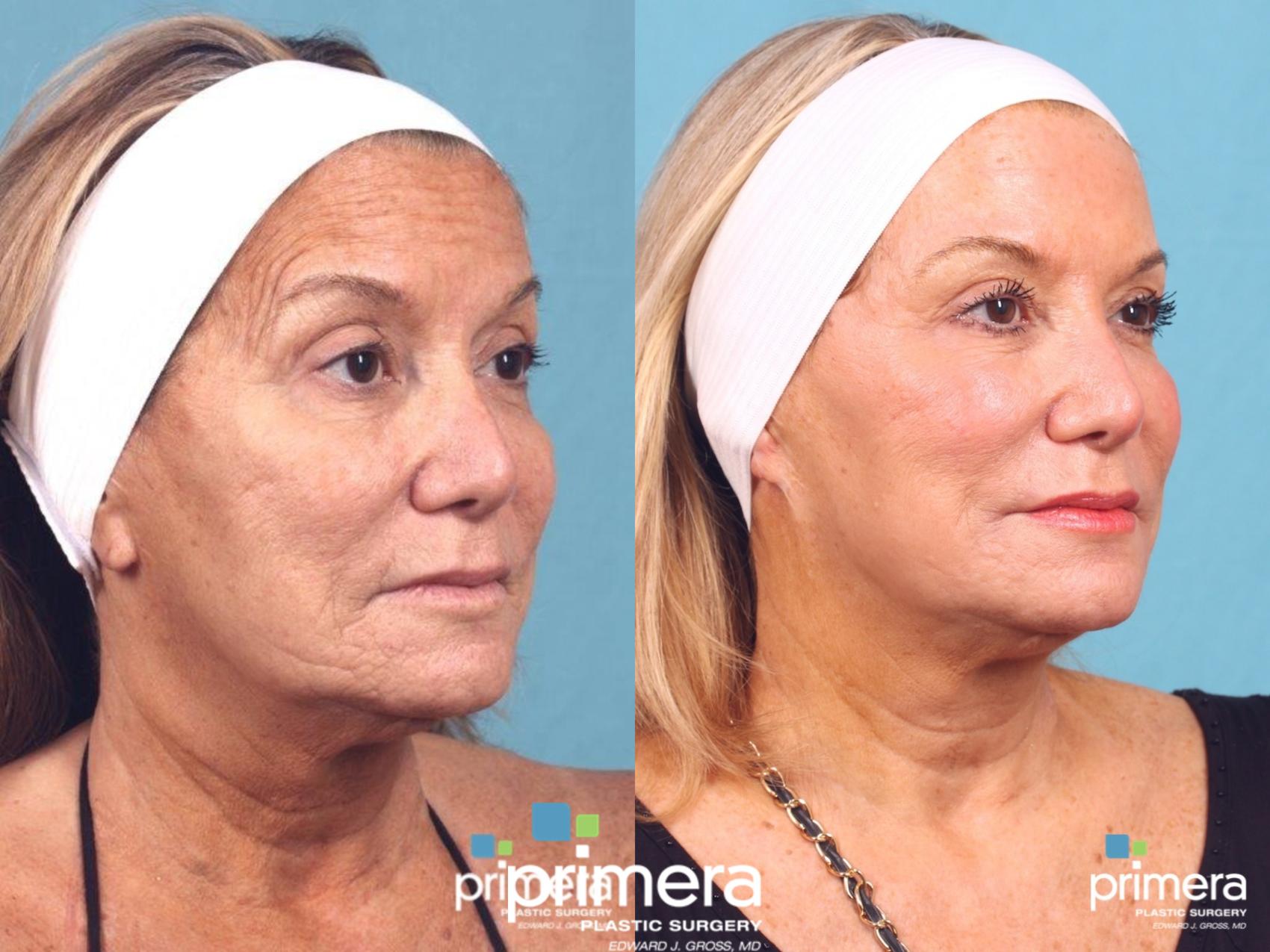
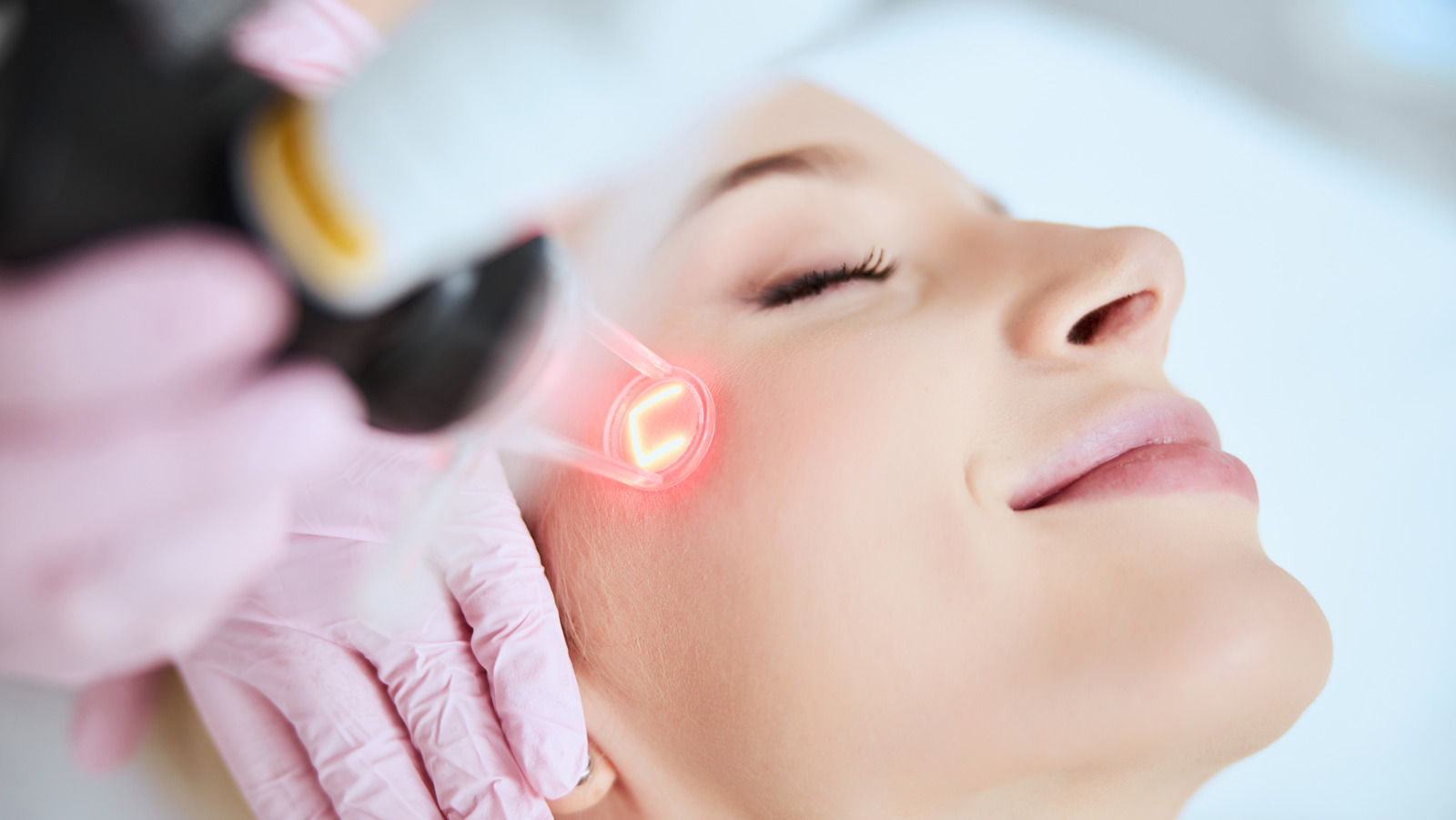
At-home lasers for wrinkles are specialized handheld devices that use concentrated beams of light to penetrate the skin's surface, stimulating natural collagen and elastin production. These devices primarily employ non-ablative fractional laser or diode technology to repair skin from the inside out. When used consistently over 8 to 12 weeks, they effectively reduce the appearance of fine lines, crow’s feet, and texture irregularities without the downtime associated with professional clinical procedures.
The Evolution of At-Home Laser Technology
By 2026, the landscape of dermatological technology has shifted significantly from clinical-only applications to sophisticated consumer electronics. Historically, laser treatments like Fraxel were restricted to medical offices due to the high risk of burns and the need for specialized cooling systems. However, engineering breakthroughs in miniaturized diode lasers and precision sensors have allowed manufacturers to bring professional-grade wavelengths into the bathroom cabinet.
At-home lasers work on the principle of selective photothermolysis. This process involves targeting specific chromophores in the skin—usually water or hemoglobin—with light energy that converts into heat. This heat creates "micro-zones" of thermal injury. While the term "injury" sounds counterintuitive, it is the fundamental trigger for the body’s wound-healing response. As the skin repairs these microscopic zones, it floods the area with new collagen fibers, which provides the structural "scaffolding" necessary to smooth out wrinkles and tighten sagging tissue.
Unlike LED (Light Emitting Diode) therapy, which provides a broad, diffuse light that stimulates cellular energy, a true laser is monochromatic and coherent. This means the light stays in a tight, focused beam that can reach deeper dermal layers where wrinkles actually form. In 2026, the distinction between "light therapy" and "laser therapy" remains a critical point for consumers to understand when evaluating efficacy.
Understanding Wavelengths and Skin Penetration
The effectiveness of an at-home laser is largely determined by its wavelength, measured in nanometers (nm). Most reputable devices in 2026 utilize wavelengths in the near-infrared spectrum, typically ranging from 1420nm to 1470nm.
Non-Ablative Fractional Lasers
The gold standard for at-home wrinkle reduction is the non-ablative fractional laser. "Non-ablative" means the laser heats the underlying skin tissue without breaking or vaporizing the top layer (the epidermis). "Fractional" means the device treats only a fraction of the skin at a time, leaving bridges of untouched skin between the treated spots. This mosaic pattern of treatment allows for much faster healing and significantly lower risks of hyperpigmentation or scarring compared to "bulk heating" methods.
Diode Laser Technology
Diode lasers are frequently used in devices targeting smaller, specific areas like the periorbital region (crow's feet) or the perioral region (lip lines). These lasers are highly efficient at converting electricity into light energy, allowing for compact, battery-operated designs that still maintain enough power to trigger collagen remodeling.
Essential Features of High-Quality Devices
When selecting an at-home laser for wrinkles in 2026, several technical specifications and safety features should guide the purchasing decision. Since these are medical-grade tools, the hardware quality is paramount.
- FDA Clearance: This is the most critical verification. FDA clearance indicates that the device is "substantially equivalent" to a legally marketed predicate device and is safe for over-the-counter use when following the manufacturer’s instructions.
- Contact Sensors: To prevent accidental eye exposure, high-end lasers feature sensors that only allow the beam to fire when the device head is in full contact with the skin.
- Treatment Levels: Advanced devices offer multiple intensity settings. This allows users to build a tolerance and customize the treatment based on the sensitivity of different facial zones.
- Precision vs. Wide-Surface Heads: Some lasers are designed for "global" facial treatments, while others feature small apertures for targeting deep vertical lines or the delicate eye area.
| Device Type | Primary Technology | Best For | Typical Treatment Time |
|---|---|---|---|
| Fractional Diode | 1440nm Non-ablative | Deep wrinkles & texture | 10-15 mins (Full face) |
| Targeted Laser | 1450nm High-density | Crow's feet & Lip lines | 2-4 mins (Per area) |
| Cold Laser (LLLT) | 808nm Coherent Light | Inflammation & Fine lines | 15-30 mins (Daily) |
| Hybrid Laser/LED | Multi-spectrum | Overall glow & Mild lines | 10 mins (Daily) |
Comparison of Leading 2026 At-Home Lasers
The market in 2026 is dominated by a few key players who have refined their technology over several generations.
The Tria Age-Defying Laser Series
Tria remains a leader in the fractional category. Their 2026 models utilize the same diode technology found in professional clinics but at a lower energy density. The primary advantage of the Tria system is its ability to treat the entire face, addressing not just wrinkles but also "age spots" and overall skin luminosity. However, users often report a "prickling" sensation, which is a sign the laser is working but can be uncomfortable for those with low pain thresholds.
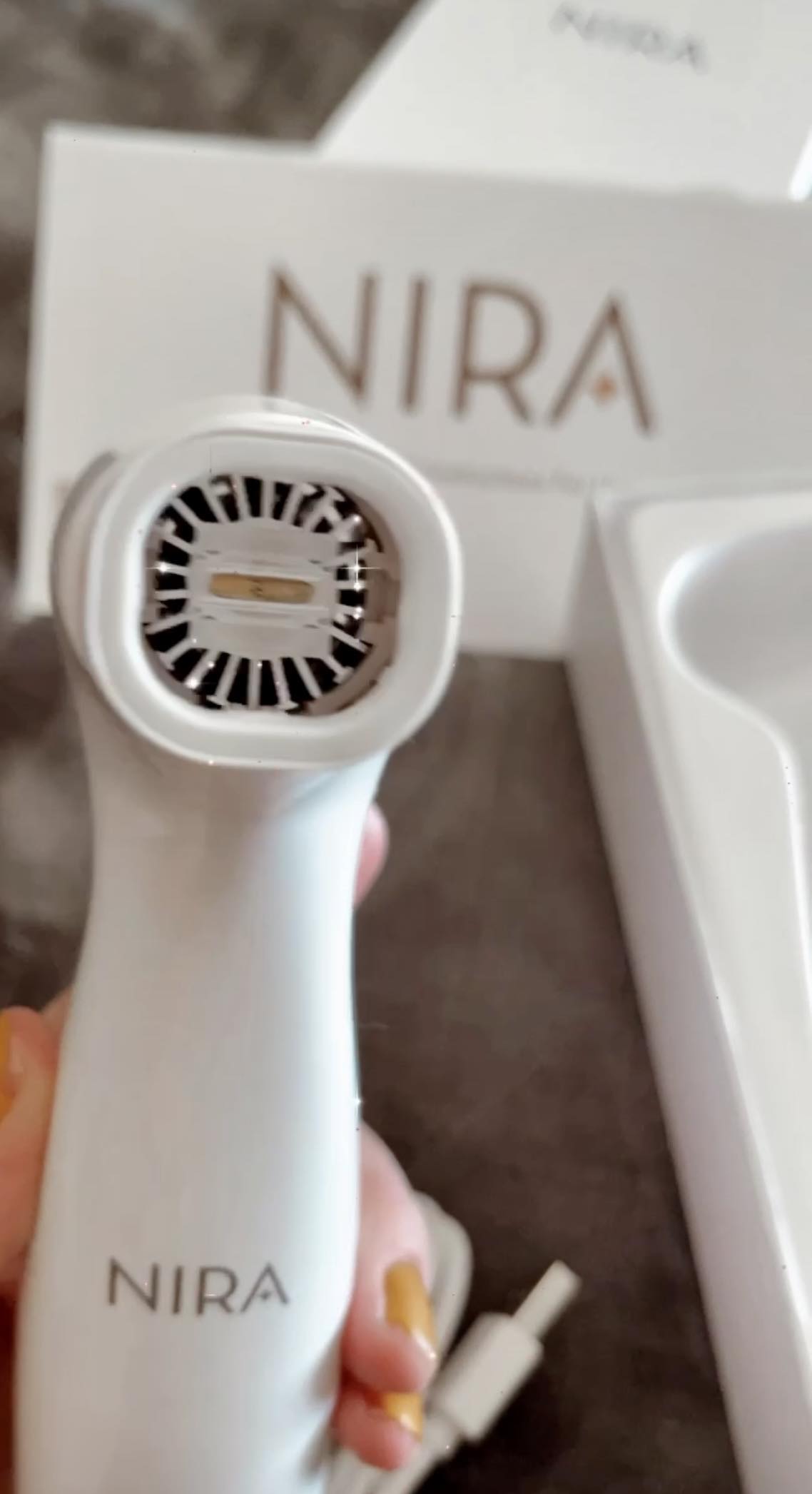
The Nira Precision and Pro Lasers
Nira has carved out a niche by focusing on non-fractional, non-painful laser energy. Instead of creating micro-channels of injury, Nira devices heat the dermis to a specific temperature that triggers a heat-shock protein response. This stimulates collagen without any redness or downtime. The "Pro" version launched recently features a larger treatment window, making it viable for the chest and neck, areas that are often neglected but show significant wrinkling.
The Lyma Laser
The Lyma Laser represents the premium "cold laser" category. It uses Low-Level Laser Therapy (LLLT) with a 500mW near-infrared beam that is diffused by a patented lens. Unlike the Tria, it does not use heat to trigger repair. Instead, it uses bio-stimulation to improve cellular function. While significantly more expensive, it is safe for all skin tones and can be used directly on the eyelids, which is generally a "no-go" zone for other laser types.
Safety Considerations and Skin Tone (Fitzpatrick Scale)
Safety is the most significant factor when using light-based devices at home. One of the most important concepts to understand is the Fitzpatrick Skin Score, which classifies skin type by its response to ultraviolet (UV) radiation.
Lasers that rely on heat can sometimes be risky for individuals with darker skin tones (Fitzpatrick levels IV, V, and VI). When the laser heats the skin, the melanocytes (pigment-producing cells) can become overactive, leading to post-inflammatory hyperpigmentation (PIH). In 2026, most FDA-cleared at-home lasers for wrinkles are calibrated to be safe for a wide range of tones, but it is imperative to check the manufacturer’s specific skin-tone chart before use.
Furthermore, eye safety cannot be overstated. Most lasers operate in the infrared or near-infrared spectrum, which is invisible to the human eye but can still damage the retina. Using the device only as directed—and never pointing the aperture toward the eyes—is a non-negotiable safety rule.
Step-by-Step Guide to Effective Treatment
To achieve results comparable to clinical data, a disciplined routine is required. Laser treatments are not "one-and-done" solutions; they require a cumulative approach.
- Cleansing: Start with a completely clean, dry face. Any residue from makeup, sunscreens, or oils can reflect the laser light or cause uneven heating, reducing the treatment's efficacy and potentially causing irritation.
- Sensitivity Test: Perform a patch test on a less visible area, such as the side of the neck or the inner forearm, and wait 24 hours to check for adverse reactions.
- Systematic Application: Divide the face into zones (forehead, left cheek, right cheek, chin, and around the eyes). Glide or "stamp" the device across each zone according to the programmed timer. Ensure even coverage without overlapping excessively in a single session.
- Post-Laser Soothing: After the session, the skin may feel warm or look slightly pink (the "sunburned" look). Apply a serum containing hyaluronic acid or ceramides to support the skin barrier. Avoid active ingredients like retinol or strong acids immediately after lasering, as the skin is temporarily more permeable and sensitive.
- Sun Protection: This is the most crucial step. Laser-treated skin is highly photosensitive. Failing to use a broad-spectrum SPF 30+ daily will not only negate the collagen-building benefits but could also lead to new sun damage and wrinkles.
Managing Expectations: What At-Home Lasers Can and Cannot Do
It is vital to maintain realistic expectations. While at-home lasers are powerful, they are designed with lower "fluence" (energy levels) than office-based lasers to ensure they can be used safely without a medical degree.
- What they can do: Soften fine lines, improve the "crepiness" of skin under the eyes, refine skin texture, and diminish the depth of forehead furrows over time.
- What they cannot do: Provide the dramatic lifting of a surgical facelift, remove deep structural folds (like nasolabial folds caused by fat pad migration), or eliminate severe sagging skin.
In 2026, dermatologists often recommend at-home lasers as maintenance tools. They are excellent for extending the results of professional treatments or as a preventative measure for younger users (late 20s to 30s) who want to slow the degradation of their natural collagen.
Troubleshooting Common Issues
Even with the best technology, users may encounter hurdles during their at-home laser journey.
- Redness that persists: If the "sunburn" look lasts longer than 24 hours, the intensity level is likely too high. Revert to the lowest setting and increase the frequency of barrier-repair creams.
- Dryness and Flaking: Laser energy increases the rate of cell turnover. This can lead to temporary dryness. Increasing the use of non-comedogenic moisturizers usually resolves this within a week.
- Device Errors: Most 2026 devices are "smart." If a device stops firing, check the contact window for debris or buildup of skin oils, which can block the sensors. Ensure the device is fully charged, as low voltage can lead to inconsistent laser output.
Frequently Asked Questions
How long does it take to see results from an at-home laser?
Most clinical trials for at-home laser devices show that visible improvement begins around the 4-week mark of daily use. However, the most significant "peak" results typically occur between 8 and 12 weeks. This timeline aligns with the natural biological cycle of collagen synthesis, which takes approximately 60 to 90 days to complete.
Can I use an at-home laser if I have Botox or dermal fillers?
Yes, but timing is essential. Most practitioners recommend waiting at least 2 weeks after receiving Botox or filler injections before using an at-home laser. While the laser does not "melt" the filler, the localized heat and the pressure of the device could potentially displace the product if it hasn't fully settled. Always consult your injector for a personalized timeline.
Is the treatment painful?
Pain is subjective and depends on the technology used. Fractional diode lasers (like Tria) often produce a snapping or stinging sensation, frequently described as a rubber band flicking against the skin. Non-fractional lasers (like Nira) usually produce only a comfortable warming sensation. Cold lasers (like Lyma) are completely painless.
Can these devices be used on the neck and chest?
Yes, many 2026 models are specifically cleared for the neck and décolletage. The skin on the neck is thinner and has fewer oil glands than facial skin, making it prone to "tech neck" lines and wrinkling. When treating the neck, it is important to avoid the midline area directly over the thyroid gland unless the device manual specifically states it is safe.
Do I need to wear safety goggles?
If the device is FDA-cleared and features a built-in contact sensor, goggles are generally not required for facial treatments, as the laser will not fire unless it is pressed against the skin. However, if you are particularly sensitive to light or are treating areas very close to the orbital bone, many manufacturers include or recommend blackout goggles for added peace of mind.
Final Recommendation for 2026
For those seeking the most effective reduction in existing wrinkles, a non-ablative fractional diode laser remains the top recommendation due to its proven ability to remodel the dermal matrix. If your primary concern is sensitivity or if you have a darker skin tone, a non-fractional laser or cold laser is the safer, more comfortable alternative. Regardless of the device chosen, the key to success in 2026 remains consistency; the best laser is the one you will actually use every day as part of your evening skincare ritual.