Yes, you can still get life insurance at age 76. While your options are more specialized than they were in your younger years, several high-quality permanent and term products remain available. Most seniors at this age successfully qualify for final expense coverage, guaranteed issue policies, or even shortened term life insurance, depending on their health and financial goals.
Navigating the insurance market in your mid-70s requires a different strategy than buying a policy in your 40s or 50s. By age 76, the primary focus typically shifts from replacing income to covering end-of-life expenses, protecting a spouse’s standard of living, or managing estate taxes. As of 2026, the insurance industry has refined its digital underwriting processes, making it faster for seniors to obtain coverage, though premiums reflect the increased statistical risk associated with this age bracket.
The Reality of Buying Life Insurance at 76
The short answer is a definitive "yes," but the context matters. At 76, you are entering the upper tier of the "senior" insurance market. Many major carriers have maximum entry ages of 80 or 85 for whole life products, while term life insurance often sees a sharp cutoff for new applicants between ages 75 and 80.
In 2026, the marketplace for senior insurance is robust. Actuarial tables have been updated to reflect longer life expectancies, which has helped stabilize rates for healthy seniors. However, the cost of a new policy at 76 will be significantly higher than a policy purchased even five years earlier. This is because the "net amount at risk" for the insurance company is higher, and the timeframe for collecting premiums is shorter.
Why Seniors Seek Coverage at 76
Most individuals looking for insurance at this stage of life fall into one of three categories:
- Final Expense Protection: Ensuring that children or a spouse are not burdened with funeral costs, which in 2026 can easily exceed $12,000–$15,000.
- Legacy and Inheritance: Providing a tax-free lump sum to grandchildren or a favorite charity.
- Debt Liquidation: Covering a remaining mortgage or private loans to prevent the forced sale of family assets.
- Estate Liquidity: Providing cash to pay estate taxes or settlement costs so that non-liquid assets (like a family business or real estate) can be preserved.
Types of Life Insurance Available for 76-Year-Olds
Choosing the right policy depends on your health status and how much coverage you actually need. At age 76, you generally choose between permanent solutions and temporary solutions.
Final Expense Insurance (Burial Insurance)
This is the most common type of life insurance purchased by 76-year-olds. Final expense insurance is a type of small whole life policy designed specifically to cover the costs of a funeral and small remaining debts.
- Coverage Amounts: Usually range from $2,000 to $50,000.
- Health Requirements: Most are "simplified issue," meaning there is no medical exam, just a series of health questions.
- Benefits: The premiums are locked in for life, and the policy cannot be canceled as long as you pay the premiums.
Guaranteed Issue Life Insurance
If you have significant health challenges—such as a recent heart attack, active cancer treatment, or early-stage dementia—you may not qualify for standard policies. Guaranteed issue insurance is the "safety net" of the industry.
- No Questions Asked: There are no medical exams and no health questions. If you are within the age range (usually 50–80), you are accepted.
- The Waiting Period: These policies almost always come with a "graded death benefit." If you pass away from natural causes within the first two years of the policy, the beneficiary typically receives only the premiums paid plus a small amount of interest (usually 5% to 10%). After two years, the full death benefit is active.
Term Life Insurance
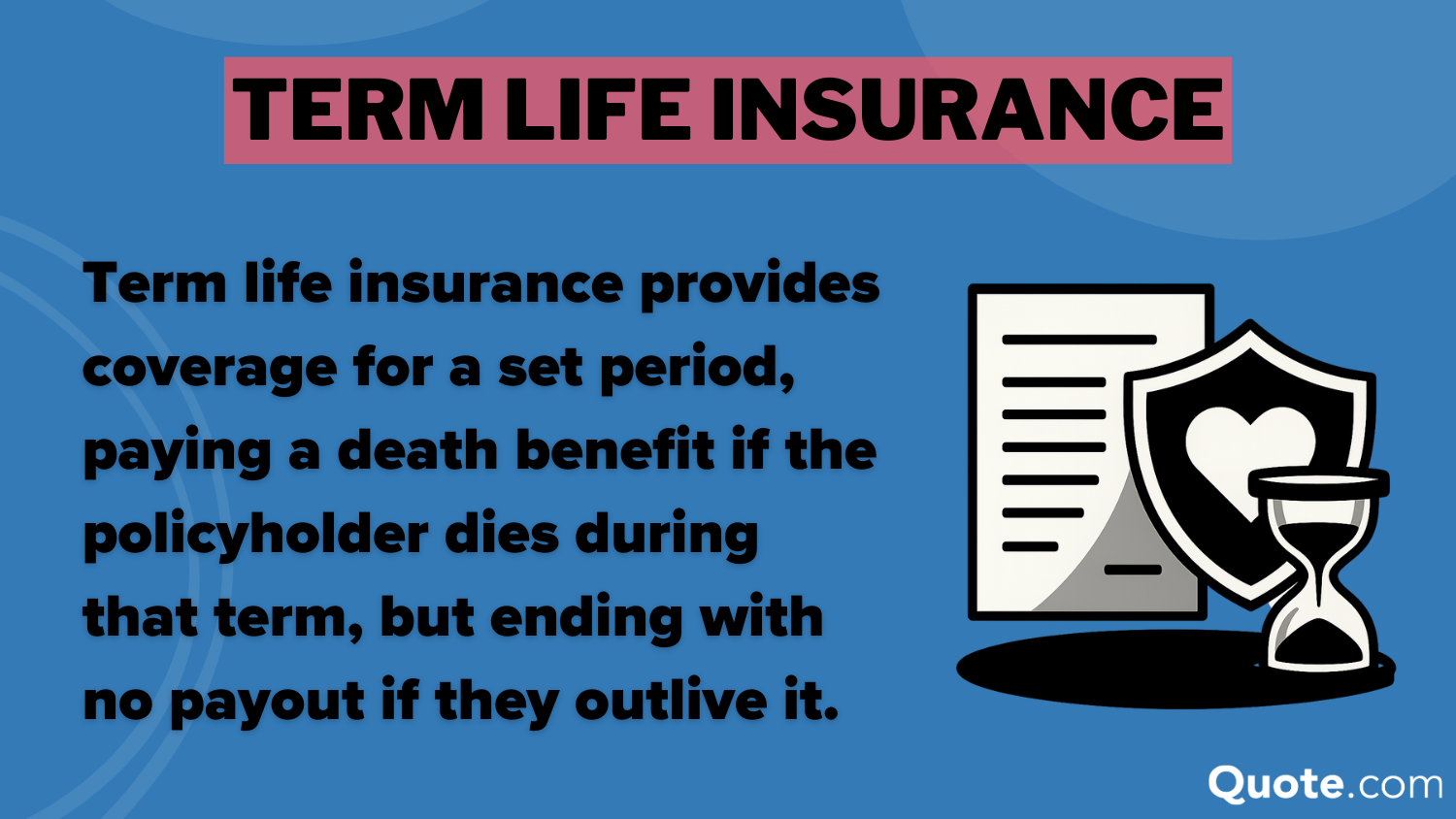
While term insurance is harder to find at 76, it is not impossible. Many companies offer 10-year term policies to 76-year-olds, and a select few may still offer 15-year terms if you are in exceptional health.
- Suitability: This is best if you have a specific debt (like a 10-year mortgage) that you need to cover.
- The Age Limit: Most 10-year term policies expire by age 85 or 90. If you outlive the term, the coverage ends, and you receive no payout. At age 76, a term policy is often a "gamble" that many seniors prefer to avoid in favor of permanent coverage.
Universal Life Insurance
Universal life (UL) offers more flexibility than whole life. It allows you to adjust your death benefit and potentially your premiums. For a 76-year-old, a "Guaranteed Universal Life" (GUL) policy is often the most cost-effective way to get a large death benefit (over $100,000) that functions like whole life but without the expensive cash-value accumulation component.
Understanding Costs and Premiums
At age 76, premiums are calculated primarily based on three factors: age, gender, and tobacco use. Men generally pay more than women due to shorter statistical life expectancies.
Comparison of Coverage Options at Age 76
| Policy Type | Typical Coverage Limit | Medical Exam Required? | Best For... | Primary Advantage |
|---|---|---|---|---|
| Final Expense | $5,000 – $50,000 | No (Questions Only) | Funeral costs & small debts | Easy to qualify; fixed rates |
| Guaranteed Issue | $2,000 – $25,000 | No | Those with serious health issues | 100% acceptance rate |
| Term Life (10-yr) | $100,000+ | Yes (Usually) | Short-term debt or mortgage | Lower cost for high coverage |
| Whole Life | Unlimited | Yes | Estate planning & legacy | Lifetime coverage; cash value |
| Guaranteed UL | $50,000+ | Sometimes | Large legacy or estate taxes | Permanent coverage at lower cost |
Note: In 2026, prices vary significantly by provider. Always request a personalized quote.
The Underwriting Process for Seniors
Underwriting is the process insurance companies use to determine your risk and set your premium. At 76, the process has become much more streamlined thanks to "accelerated underwriting."
Simplified Issue vs. Fully Underwritten
- Simplified Issue: This is the standard for final expense insurance. You answer about 10 to 20 questions regarding your medical history (e.g., "Have you been hospitalized in the last two years?" or "Do you take medication for high blood pressure?"). The company checks your prescription drug history and MIB (Medical Information Bureau) records electronically. You can often get an approval in minutes or hours.
- Fully Underwritten: This is required for larger policies (typically $100,000 and up). It may involve a paramedical exam where a nurse visits your home to take your blood pressure, a blood sample, and a urine sample. At 76, the requirements for a "Preferred" rating are strict.
Common Health Hurdles at 76
Insurance companies look closely at "comorbidities"—the presence of two or more chronic conditions. Common issues that affect rates at this age include:
- High Blood Pressure/Cholesterol: Well-controlled cases usually don't prevent you from getting standard rates.
- Diabetes: Type 2 diabetes managed with diet or oral medication is often acceptable for simplified issue. Insulin-dependent diabetes or diabetes with complications (neuropathy) will lead to higher rates.
- Heart Issues: A history of stents or bypass surgery usually requires a waiting period of 1 to 2 years after the procedure before you can qualify for standard rates.
- Cognitive Health: Applicants currently diagnosed with Alzheimer’s or significant dementia are generally limited to Guaranteed Issue policies.
Key Considerations Before Applying
Before you sign an application in 2026, you must evaluate the long-term sustainability of the policy.
1. The "Cost of Insurance" vs. The Benefit
At age 76, you should perform a simple mathematical check. If the monthly premium is so high that you will have paid the entire death benefit amount in premiums within 5 to 7 years, you might be better off putting that money into a high-yield savings account or a "pre-paid" funeral plan at a local mortuary.
2. The Impact of Inflation
While $10,000 might cover a basic funeral today in 2026, inflation over the next 10 to 15 years could erode that value. Many seniors opt for $15,000 to $20,000 to ensure their families aren't left with a deficit later.
3. Reviewing Existing Policies
Before buying something new, check if you have any "paid-up" policies from decades ago. You might also have a term policy that is about to expire but has a "conversion rider." This rider allows you to convert the term policy into a permanent whole life policy without a medical exam, regardless of your current health. This is often the best way for a 76-year-old with health issues to get high-quality coverage.
Common Mistakes to Avoid
- Waiting Too Long: Rates increase every year on your birthday. Furthermore, a sudden change in health can move you from "Simplified Issue" (lower cost) to "Guaranteed Issue" (higher cost).
- Lying on the Application: Insurance companies in 2026 have sophisticated ways of verifying your medical history via pharmacy databases and electronic health records. Misrepresenting your health can lead to a denied claim for your beneficiaries later.
- Buying Too Much Coverage: Don't let a salesperson talk you into a $250,000 policy if your only goal is to cover a $15,000 funeral. Over-insuring can lead to "lapsing" the policy if the premiums become a burden on your retirement budget.
- Ignoring the Waiting Period: Ensure you understand if your policy has a 2-year graded death benefit. If you think you are getting "full coverage from day one" but the fine print says otherwise, your family could be in for a surprise.
Alternatives to Traditional Life Insurance
If you find that premiums at 76 are too high or you are uninsurable for the amount you want, consider these alternatives:
- Pre-need Funeral Contracts: You can work directly with a funeral home to plan and pay for your service at today's prices. This "freezes" the cost.
- Payable-on-Death (POD) Accounts: You can set up a dedicated bank account and name a beneficiary who will receive the funds immediately upon your death, bypassing probate.
- Annuities: Some annuities offer a death benefit component. If you have a lump sum of cash, an annuity can provide you with income while also leaving a remainder to your heirs.
FAQs About Senior Life Insurance at 76
Can I get life insurance if I am a smoker at 76? Yes, but it is expensive. Tobacco rates for seniors can be 2 to 3 times higher than non-tobacco rates. Some companies consider "occasional" cigar use or pipe smoking differently than cigarettes. As of 2026, many carriers also have specific guidelines for vaping and cannabis use.
Will my premiums increase as I get older? If you buy a Whole Life or Final Expense policy, your premiums are typically "level," meaning they stay the same for the rest of your life. If you buy a Term policy, the rate is fixed for the duration of the term (e.g., 10 years). Avoid "Annually Renewable Term" policies at this age, as those rates increase every single year and can quickly become unaffordable.
How long does it take to get a policy active? In 2026, simplified issue policies can often be approved and active within 24 to 48 hours. If a medical exam is required for a larger policy, the process can take 3 to 6 weeks while the company waits for lab results and physician statements.
Can I buy life insurance for my 76-year-old parent? Yes, provided the parent consents and signs the application. You must have "insurable interest," which is easily established between a child and a parent. You can be the owner and pay the premiums to ensure the policy stays in force.
Are the death benefits taxable? Generally, no. In the United States and many other jurisdictions, life insurance death benefits are paid out to beneficiaries tax-free. However, if the death benefit is paid to your "estate" rather than a named individual, it may be subject to estate taxes if your total estate exceeds certain thresholds.
Practical Recommendation
If you are 76 and realize you need life insurance, your first step should be to gather your current medication list and a brief history of any major medical events from the last five years.
Instead of calling a single "big name" insurance company, work with an independent insurance broker who specializes in the senior market. Independent brokers have access to dozens of different carriers and can "shop" your health profile to find the company that views your specific conditions most favorably. For most seniors at this age, a Simplified Issue Whole Life policy (Final Expense) offers the best balance of affordability, ease of qualification, and permanent peace of mind.