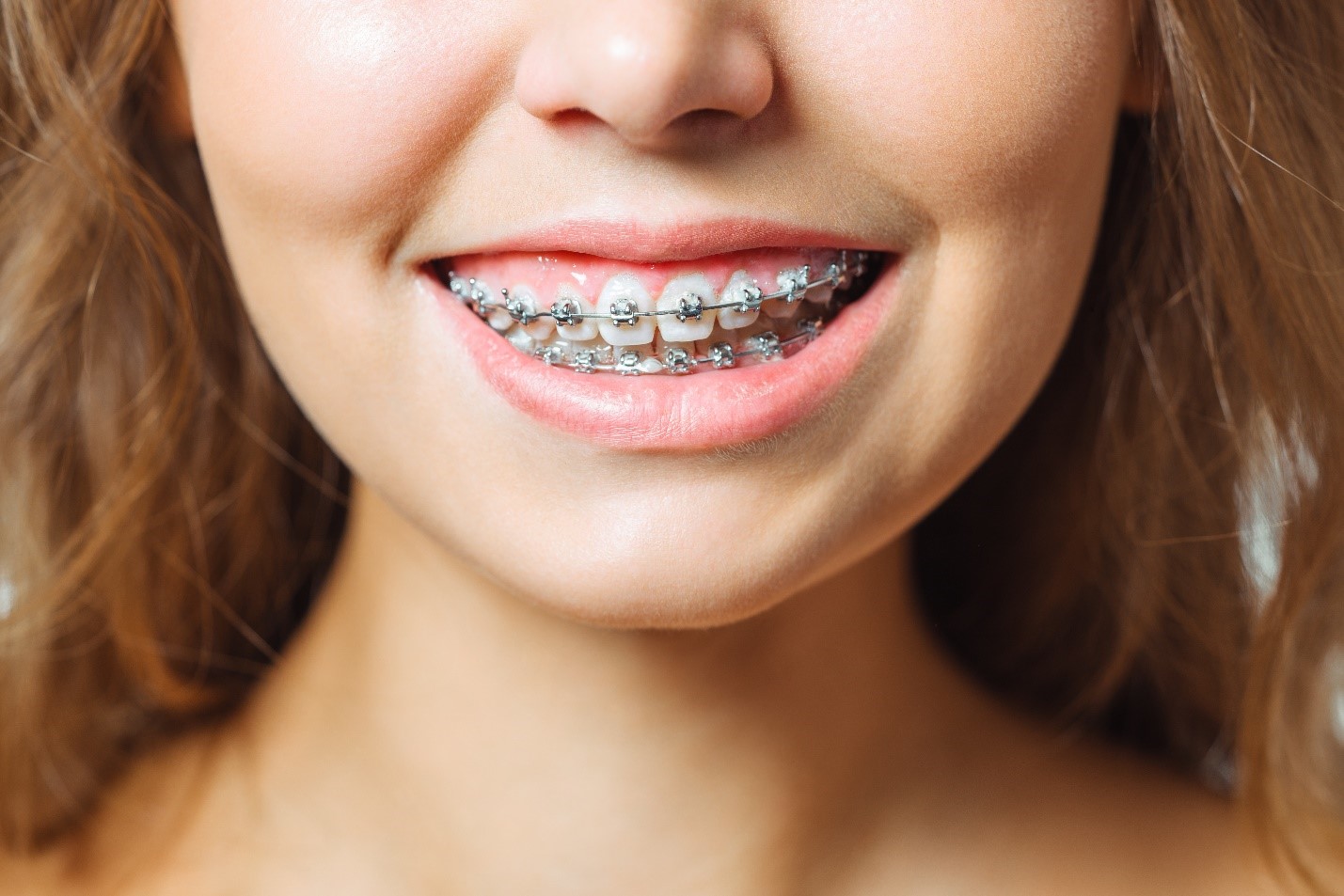
At-home orthodontics reshapes smile care by using teledentistry, clear aligners, and digital monitoring to straighten mild-to-moderate dental misalignments without frequent clinical visits. While mail-order impressions expanded initial consumer access, modern treatment relies increasingly on hybrid models that combine professional diagnostic imaging with remote aligner progression, balancing lower out-of-pocket costs against critical clinical safety requirements.
The Evolution of Teleorthodontics: From Mail-Order Kits to Supervised Care
Orthodontic treatment historically demanded years of direct clinical visits, manual archwire adjustments, and substantial financial commitments. When direct-to-consumer (DTC) aligner models first entered the market, they promised to disrupt this model by eliminating the doctor’s office entirely. Patients mixed their own alginate or putty impressions at home, mailed them back to a distribution facility, and received an entire series of clear thermoplastic aligners in a single delivery box.
While this approach lowered consumer barriers and heightened public awareness regarding aesthetic smile correction, it highlighted significant clinical and diagnostic gaps. Early iterations frequently bypassed diagnostic dental radiographs (X-rays), periodontal assessments, and physical bite evaluations. As a result, patients with pre-existing bone loss, undiagnosed root resorption, or complex skeletal discrepancies faced complications ranging from broken tooth roots to irreversible posterior open bites.
By 2026, the teleorthodontics landscape has matured into a more nuanced ecosystem. Following regulatory updates, professional association advisories, and the structural collapse of early pure-mail-order enterprises, the sector has shifted toward doctor-directed hybrid care. Rather than substituting for dental professionals, home-based technologies function as remote monitoring extensions. Patients often complete initial scans and baseline examinations in an accredited dental chair, subsequently completing tray stages at home under asynchronous digital supervision.
How At-Home Orthodontic Treatment Works
To understand the scope and limitations of at-home smile care, one must examine each step of the remote aligner pipeline, from baseline diagnostics to passive retention.
Diagnostic Scan/Impressions ➔ 3D Treatment Simulation ➔ Sequential Aligner Delivery ➔ Remote Tracking ➔ Retention
1. Case Acquisition and Initial Diagnostics
Treatment begins with capturing the patient's existing dental anatomy. While some direct-order brands continue to ship at-home silicone impression trays, this method carries high failure rates due to tray distortion, air bubbles, and improper impression depth. Hybrid models bypass this risk by requiring an initial appointment at a partner scanning studio or local dental practice.
During this initial assessment, three elements are essential:
- Intraoral 3D Optical Scanning: Generates a photorealistic digital mesh of the coronal surfaces without material distortion.
- Panoramic or Cone Beam Computed Tomography (CBCT) Radiographs: Visualizes the alveolar bone levels, root morphology, and any impacted teeth or underlying pathologies.
- Periodontal Evaluation: Assesses pocket depths, gum inflammation, and mobile teeth to confirm the periodontium can tolerate mechanical stress.
2. Treatment Simulation and Aligner Manufacturing
Using computerized design software, licensed dental professionals plot incremental tooth movements. The software calculates biomechanical forces, staging each tooth's trajectory by an average of 0.2 to 0.25 millimeters per aligner stage.
Once approved, automated thermoforming machines fabricate the aligner series from multi-layer medical-grade polymers (such as polyethylene terephthalate glycol or specialized polyurethane blends). These materials provide continuous, gentle force while resisting stain accumulation and intraoral tear forces.
3. Tray Progression and Wear Protocols
Patients receive sequential aligner sets directly at their residences. A standard daytime protocol requires 20 to 22 hours of daily wear, removing the trays only for meals and oral hygiene. Aligners are swapped for the next set every 7 to 14 days, depending on the prescribed biological movement rate.
Some brands advertise "nighttime-only" wear schedules requiring 10 continuous hours. However, many clinical orthodontists caution against nighttime wear for significant movements. Because periodontal ligaments require consistent, continuous force to remodel alveolar bone safely, intermittent pressure can leave teeth in a prolonged state of inflammation, potentially causing root shortening and mobility rather than stable relocation.
4. Remote Monitoring and Clinical Check-ins
Modern teleorthodontic regimens incorporate smartphone-connected monitoring hardware. Patients use specialized cheek retractors paired with automated mobile applications to submit weekly or bi-weekly intraoral photographs.
Artificial intelligence algorithms and attending dental teams inspect these scans for:
- Proper aligner seating (verifying no dead space exists between the incisal edge and tray).
- Abnormal soft tissue inflammation or gum recession.
- Unplanned tooth rotations or tracking deviations.
If tracking fails, the clinician halts progression, orders a mid-course refinement scan, or instructs the patient to use chewies (dense foam cylinders) to fully reseat the current tray.
Clinical Scope: Suitable Candidates vs. Complex Malocclusions
Clear aligner therapy without in-office mechanical adjuncts is fundamentally limited by physics. Transparent plastic trays exert force by pushing against tooth crowns. Without bonded composite attachments (engagers) or interproximal reduction (IPR), certain movements are biologically unpredictable.
Manageable Conditions for Remote Care
- Mild to Moderate Interdental Spacing: Closing diastemas (gaps) under 4 millimeters across the dental arch, provided the underlying bite alignment is neutral.
- Minor Anterior Crowding: Resolving overlapping incisors where space can be harvested through arch expansion without causing excessive proclination.
- Orthodontic Relapse: Re-aligning anterior teeth for adults who previously wore traditional braces but lapsed in their nighttime retainer compliance.
Contraindications Requiring Direct In-Office Orthodontics
- Severe Rotations: Moving rounded teeth (such as premolars and canines) more than 20 degrees around their long axis typically requires bonded geometric attachments to give the aligner plastic purchase.
- Vertical Movements: Pure tooth extrusion (pulling a tooth out of the bone) or intrusion (pushing it deeper) requires specialized anchor mechanics and composite buttons.
- Skeletal Discrepancies (Class II and Class III): Correction of severe overbites, underbites, or skeletal crossbites requires functional appliances, intermaxillary elastics, temporary anchorage devices (TADs), or corrective jaw surgery.
- Active Periodontal Disease: Applying tooth-moving forces to teeth surrounded by inflamed gingiva or compromised bone height accelerates permanent bone loss and can lead to tooth extraction.
The Mechanical Divide: Mail-Order vs. Hybrid vs. In-Office Treatment
The spectrum of modern smile care spans three distinct models, each presenting trade-offs between cost, convenience, and biomechanical capability.
| Feature / Metric | Direct-to-Consumer Mail-Order | Hybrid Teleorthodontics | Comprehensive In-Office Care |
|---|---|---|---|
| Initial Assessment | Self-taken putty impressions; rarely includes X-rays | In-person 3D scan, dental exam, and baseline radiographs | Comprehensive exam, cephalometric & panoramic X-rays, photos, CBCT |
| Clinician Interaction | Asynchronous digital communication via platform portal | Mixed: in-person initial diagnostic visit, app-based monitoring | Direct in-person clinical adjustments at every appointment |
| Mechanical Attachments (Buttons) | No (flat polymer trays only) | Limited or selected cases; depends on local partner | Yes (custom composite resin engagers matched to tooth shade) |
| Interproximal Reduction (IPR) | No (cannot perform enamel contouring remotely) | Yes (performed at partner clinic when planned) | Yes (routinely used to relieve crowding and prevent flaring) |
| Case Severity Handled | Mild anterior aesthetic alignment only | Mild to moderate spacing, crowding, and select bite issues | Mild, moderate, severe, surgical, and pediatric cases |
| Average Cost Range (2026) | $1,200 – $2,200 | $2,500 – $4,500 | $4,500 – $8,500 |
| Patient Compliance Demand | Extremely high; zero external physical oversight | High; enforced via weekly remote scanning apps | Moderate; checked and held accountable at scheduled visits |
Professional Guidelines, Safety Considerations, and Legal Frameworks
The rapid emergence of mail-order orthodontics triggered substantial pushback from dental regulatory authorities and consumer protection groups worldwide. Professional institutions, including the American Dental Association (ADA) and the American Association of Orthodontists (AAO), established clear clinical policies outlining minimum acceptable standards for tooth movement.
Crucial Safety Priorities
- Diagnostic Pre-requisites: Dental associations assert that performing irreversible orthodontic movements without a prior clinical exam and radiographic survey falls below the accepted standard of care. Subsurface issues, such as short dental roots or periapical cysts, cannot be seen in photographs or surface impressions.
- Occlusal Harmony (The Bite): Straightening anterior teeth without managing how the back teeth interlock can produce an uncoupled bite. If premolars and molars no longer meet evenly during chewing, the patient risks severe temporomandibular joint (TMJ) disorders, enamel wear, and chronic facial pain.
- State Dental Practice Acts: Multiple jurisdictions updated dental practice acts to state that telehealth orthodontics constitutes the practice of dentistry within the borders where the patient resides. Consequently, supervising clinicians must be fully licensed in the patient's home state and directly accountable for treatment outcomes.
Medical Disclaimer: Orthodontic force application involves permanent physical changes to craniofacial biology. Patients should obtain an in-person periodontal and dental checkup to rule out decay and bone disease prior to starting any aligner therapy.
Evaluating Total Costs, Insurance, and Value
A primary factor driving consumers toward home orthodontics is cost transparency. Traditional in-office bracket-and-wire or comprehensive clear aligner therapies (such as Invisalign) average between $4,500 and $8,500. By contrast, direct-to-home models market price points between $1,200 and $2,200, with hybrid options typically landing around $2,500 to $4,500.
However, consumers must calculate the total cost of care by factoring in secondary expenses:
- Preliminary Dental Clearance: Many teleorthodontic services require the patient to independently certify that they have had a dental cleaning and exam within the past six months. If periodontal treatment or cavity restorations are needed first, these out-of-pocket costs remain separate.
- Mid-Course Refinement Fees: If teeth fail to track according to the initial digital simulation, some low-cost providers charge additional fees for secondary impression kits and replacement trays.
- Mandatory Retainers: Following alignment, retainers must be worn indefinitely to prevent physiological relapse. Some providers bundle the first set of retainers; others require recurring subscription purchases ($100 to $300 per set) every six months.
- Corrective In-Person Care: When unmonitored home treatment leads to bite misalignment or root trauma, the corrective intervention by a traditional orthodontist can easily exceed the cost of starting with in-office care initially.
Insurance and Payment Vehicles
Orthodontic benefits included in dental insurance plans often apply to teleorthodontics, provided the treatment plan is officially reviewed, prescribed, and submitted by a licensed provider with an active National Provider Identifier (NPI).
Flexible Spending Accounts (FSA) and Health Savings Accounts (HSA) almost universally cover at-home and hybrid clear aligners, permitting tax-advantaged funds to pay for both diagnostic kits and monthly installment plans.
Practical Troubleshooting and Daily Aligner Maintenance
Success with home-monitored aligners depends heavily on personal discipline and hygiene protocols. Because professional appointments are remote, users must manage routine operational friction points independently.
Addressing Tracking Failure
When an aligner fails to grip a tooth tightly—visible as an air gap between the plastic and the bite edge—the tooth has stopped tracking.
- Use Chewies Consistently: Bite down on medical-grade foam aligner chewies for 10 to 15 minutes twice daily to express trapped air and fully seat the aligner.
- Do Not Advance Prematurely: Advancing to the next tray while the current tray is loose or mistracked compounds misalignment errors exponentially. Remain in the existing tray and message the reviewing clinician.
Protecting Intraoral Soft Tissues
New aligner trays often have sharp or laser-cut edges that can chafe the inner lips, cheeks, and tongue.
- Emery Boards and Dental Wax: Patients can lightly buff microscopic edge burrs using a clean emery board. For persistent friction points, pressing a pea-sized ball of orthodontic wax over the aligner edge prevents mucosal ulcers.
Tray Hygiene and Maintenance
Placing an acrylic or polyurethane appliance over teeth creates an anaerobic environment that traps saliva, bacteria, and food acids against enamel.
- Avoid Hot Water: Rinsing trays in hot water warps the precision thermoformed plastics, ruining the calculated biomechanical movement.
- Skip Abrasive Toothpastes: Cleaning aligners with standard abrasive toothpastes leaves microscopic scratches that dull tray clarity and harbor odor-causing bacteria. Use gentle, clear liquid soaps, specialized cleaning tablets, or ultrasonic cleaning tanks.
How to Vet an At-Home Aligner Provider: Consumer Checklist
Before ordering an impression kit or booking an intake scan, verify whether the service meets recognized safety baselines using the following checklist:
- Confirmed Doctor Involvement: Will a named, state-licensed orthodontist or dentist design and review the treatment plan, or does software automate the trajectory?
- Mandatory Radiographs: Does the provider require diagnostic X-rays (taken in-clinic or submitted from your general dentist) before manufacturing trays?
- Initial Periodontal Evaluation: Does the intake process require verification that your gums and alveolar bone are healthy enough for orthodontic movement?
- Recourse for Complications: What is the formal, written policy if teeth stop tracking or if your bite becomes misaligned? Does the company cover local clinical visits or mid-course refinement trays?
- Bite Assessment (Beyond Aesthetics): Does the treatment plan account for how your molars and premolars mesh, or does it focus exclusively on the front six teeth?
- Ongoing Clinical Supervision: Are check-ins managed via structured photo/video submissions reviewed by dental professionals, or is progression entirely unsupervised on a preset calendar?
Frequently Asked Questions
Can at-home aligners fix a severe overbite or crossbite?
No. Correcting moderate to severe bite discrepancies requires shifting the relationship between the upper and lower dental arches. This requires intermaxillary elastics, bonded composite attachments, and sometimes skeletal expansion appliances. Purely remote aligners move teeth only through pressure applied to the crowns, making them unsuitable for correcting complex skeletal or functional bite issues.
What should I do if an aligner tray cracks or breaks?
If an aligner fractures, contact your prescribing clinical team immediately through the provider portal. Do not move forward to the next tray unless authorized, as your teeth may not have completed the cellular remodeling needed for the next step. In most cases, clinicians advise stepping back to the previous tray while a replacement is shipped, or advancing early only if you were within 24 to 48 hours of your scheduled tray change.
Why do some orthodontists strongly oppose mail-order aligners?
Opposition stems primarily from diagnostic omissions and safety hazards. When patients move teeth without prior X-rays or periodontal charting, undiagnosed issues—such as active bone loss, impacted teeth, or root resorption—can worsen dramatically. Furthermore, unmonitored treatment can shift anterior teeth out of the supporting bone plate or cause a posterior open bite, which leaves the back teeth unable to contact during chewing.
Are nighttime-only aligners just as effective as all-day aligners?
Nighttime-only aligners carry higher risks of clinical failure and root damage. Bone remodeling requires continuous, light pressure for roughly 20 to 22 hours per day. Wearing trays for only 8 to 10 hours places teeth in a cyclical state of tension and relapse every single day. This chronic back-and-forth movement can inflame periodontal ligaments and potentially lead to root shortening (external apical root resorption).
How do I know if my teeth are healthy enough for at-home orthodontics?
You must schedule a routine dental examination and cleaning with an in-person general dentist. Request a comprehensive periodontal screening (pocket depth charting) and an updated set of bite-wing and panoramic X-rays. If you have active decay, gum disease, or heavy calculus build-up, resolve those issues completely before initiating any tooth-moving regimen.
Final Recommendation: Navigating Your Orthodontic Treatment
At-home orthodontics provides genuine value for adults seeking efficient, cost-effective correction of mild crowding or minor post-braces relapse. However, treating biological structures safely requires clinical oversight.
If your alignment needs are purely aesthetic and minor, consider a hybrid teleorthodontic model that requires an initial in-person scan, professional X-rays, and scheduled remote check-ins. If your case involves rotated canines, uneven jaw relationships, or bite issues, schedule an in-person consultation with a board-certified orthodontist. Prioritizing diagnostic safety over initial convenience remains the most reliable strategy for achieving a healthy, stable smile.