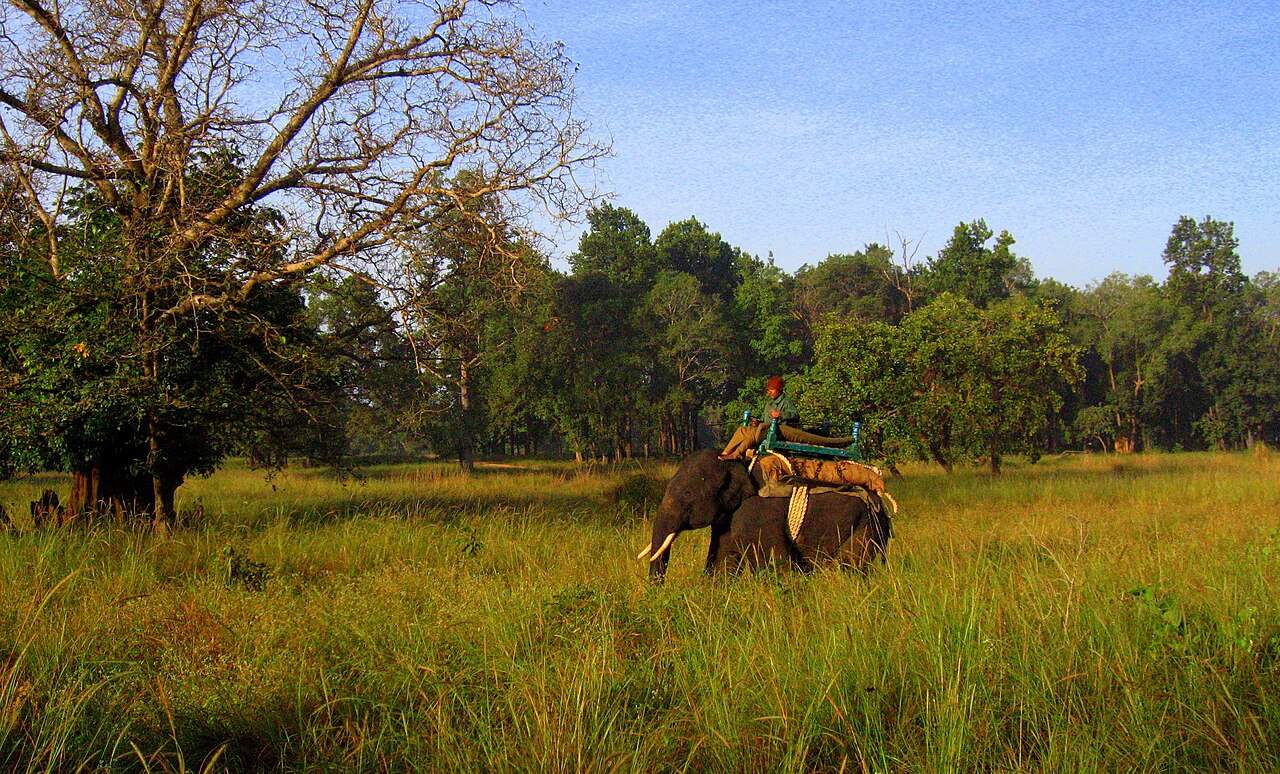
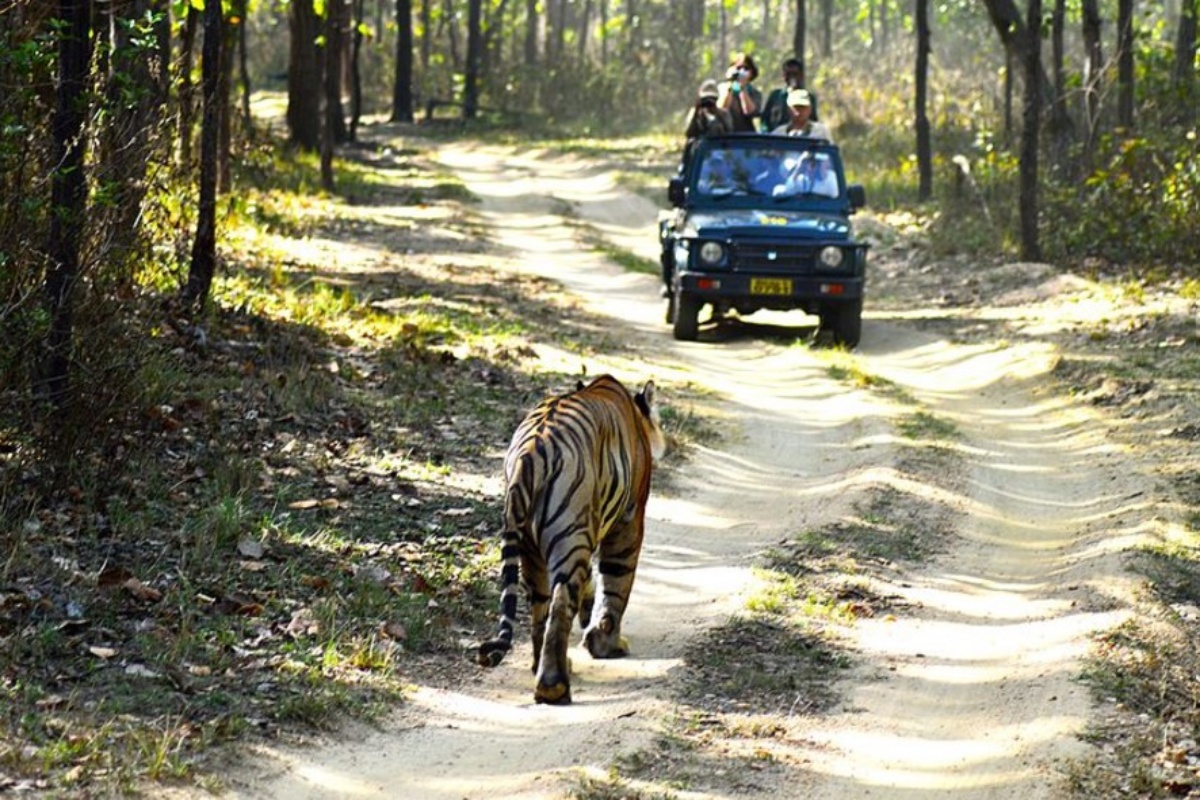
An elephant safari in Kanha National Park is a specialized wildlife observation activity, primarily utilized for tiger tracking and localized forest exploration. Unlike conventional jeep safaris, these excursions are restricted to specific zones and strictly regulated by the Madhya Pradesh Forest Department to ensure animal welfare and conservation integrity, making them a premium experience for dedicated wildlife enthusiasts.
Understanding the Role of Elephant Safaris in Kanha
Kanha National Park, one of India’s premier tiger reserves, primarily operates on a jeep-based safari model. However, the elephant safari—often referred to as an "Elephant Joy Ride" or, more formally, an "Elephant Back Safari"—serves a distinct purpose. Historically used by forest officials for patrolling and wildlife monitoring, these majestic animals are now occasionally deployed to provide visitors with a unique vantage point of the park's dense sal forests and bamboo thickets.
It is critical to distinguish between the two types of elephant-based activities you might encounter:
- Tiger Show/Tracking: In select scenarios, forest department elephants are used to track tigers for researchers or, in specific administrative instances, for limited tourism purposes.
- Joy Rides: These are short-duration rides, often conducted near the park entrance or specific camp areas, intended to provide an immersive experience of the forest canopy.
Eligibility, Booking, and Official Requirements
Accessing an elephant safari is not as straightforward as booking a standard jeep safari. Because the number of elephants is limited and their welfare is the top priority of the Madhya Pradesh Forest Department, these activities are subject to availability and strict park regulations.
Booking Process:
- Permits: You cannot book an elephant safari as a standalone pre-arranged package on most commercial portals. These are typically managed at the forest office level.
- Availability: Availability is communicated to visitors upon arrival at the gate or through the respective lodge management if they have direct coordination with the park authorities.
- Identification: Always carry your original government-issued photo identification (Aadhar card, passport, or driver’s license). You will need to present this at the entry gate to authorize any safari activity.
Operational Constraints:
- Seasonal Limitations: Elephant safaris, like the park itself, are subject to seasonal closures. Kanha typically remains closed during the monsoon months (July to mid-October). Even during the open season, heavy rains or extreme summer heat can lead to the temporary suspension of elephant-related activities to prevent exhaustion or stress to the animals.
Comparison: Jeep Safari vs. Elephant Safari
For visitors attempting to plan their itinerary, understanding the trade-offs between a traditional jeep safari and an elephant safari is essential.
| Feature | Jeep Safari | Elephant Safari |
|---|---|---|
| Duration | 3 to 4 hours (Morning/Evening) | 30 minutes to 1 hour |
| Coverage Area | Extensive (Up to 20-30 km per trip) | Very limited (Localized forest area) |
| Accessibility | Daily bookings (High capacity) | Limited (Subject to availability) |
| Primary Use | General wildlife viewing and tracking | Immersive experience/Tracking assistance |
| Booking | Online via official portal | Offline/On-site via Forest Department |
Practical Guidance for Participants
If you secure the opportunity to participate in an elephant safari, your conduct is governed by strict environmental and safety guidelines. These rules exist to maintain the sanctity of the tiger reserve.
- Maintain Absolute Silence: Elephants are sensitive to noise. Loud talking or sudden movements can startle both the elephant and the wildlife you are hoping to view.
- Photography Etiquette: Avoid using high-intensity flashes, as these can disturb animals. Ensure your camera gear is secured and does not dangle, as it can cause irritation to the elephant or catch on low-hanging branches.
- Physical Preparedness: Mounting and dismounting an elephant requires a moderate level of physical coordination. If you have mobility issues, back problems, or balance concerns, it is advised to discuss these with the mahout (elephant keeper) or the forest officer in charge before attempting the ride.
- Clothing: Wear neutral-colored, comfortable clothing (greens, browns, or khakis). Avoid bright colors and heavy fragrances, as these can alert forest wildlife to your presence prematurely.
Common Misconceptions
A prevalent misconception is that an elephant safari guarantees a tiger sighting. While elephants have historically been used for tracking, sighting a tiger is a matter of chance, animal behavior, and forest conditions. An elephant safari should be viewed as an opportunity to observe the forest from a unique, high-altitude perspective rather than a guaranteed wildlife-viewing mechanism.
Additionally, some travelers believe they can "book" an elephant for the entire day. In reality, the welfare guidelines of the Kanha National Park administration prohibit long-duration rides to ensure the elephants remain in good health and are not over-exerted.
Troubleshooting and FAQ
What should I do if my pre-booked safari is canceled? If you have booked a standard jeep safari, the forest department manages cancellations based on weather or administrative exigencies. Always check the official Kanha National Park notification board at the entry gate on the morning of your scheduled safari.
Are children allowed on elephant safaris? Generally, children must be accompanied by an adult. However, there may be age or height restrictions based on the specific animal and the comfort of the mahout. Always verify with the forest ranger on-site.
Can I tip the mahout? Tipping is a common practice, but it is entirely voluntary. If you choose to tip, do so discreetly. Ensure you follow local park guidelines regarding interactions with staff.
Is it safe? The elephants used in Kanha are trained and managed by highly experienced mahouts. However, wildlife areas are inherently unpredictable. By following the instructions of your guide and remaining calm, you minimize the risks associated with forest travel.
Frequently Asked Questions (FAQ)
1. Is the elephant safari available throughout the year? No, elephant safaris are suspended during the monsoon season (July to mid-October) and may be paused during extreme weather events or administrative maintenance periods.
2. Can I book an elephant safari online in 2026? Currently, elephant safaris in Kanha are predominantly managed via on-site forest department allotments. While digital systems are used for standard jeep entries, elephant-specific activities usually require coordination at the entry gate or through certified local hospitality partners.
3. What is the best time of day for an elephant safari? Early morning is generally preferred. The forest is cooler, the animals are more active, and the lighting for nature observation is at its peak.
4. Are the elephants treated ethically? The forest department adheres to strict guidelines regarding the care, working hours, and nutritional needs of the elephants. These animals are treated as essential forest personnel.
Next Steps for Your Visit
To maximize your chances of a successful visit, focus your planning on securing your core permits (entry tickets) through the official Madhya Pradesh Forest Department portal well in advance of your 2026 travel dates. Once your base permit is secured, communicate with your lodging host, as they are often the most accurate source of real-time information regarding the availability of local elephant-back activities.
Always approach your safari with patience. Kanha National Park is a massive ecosystem, and the goal of any wildlife experience should be the appreciation of the habitat in its entirety rather than the pursuit of a single species.