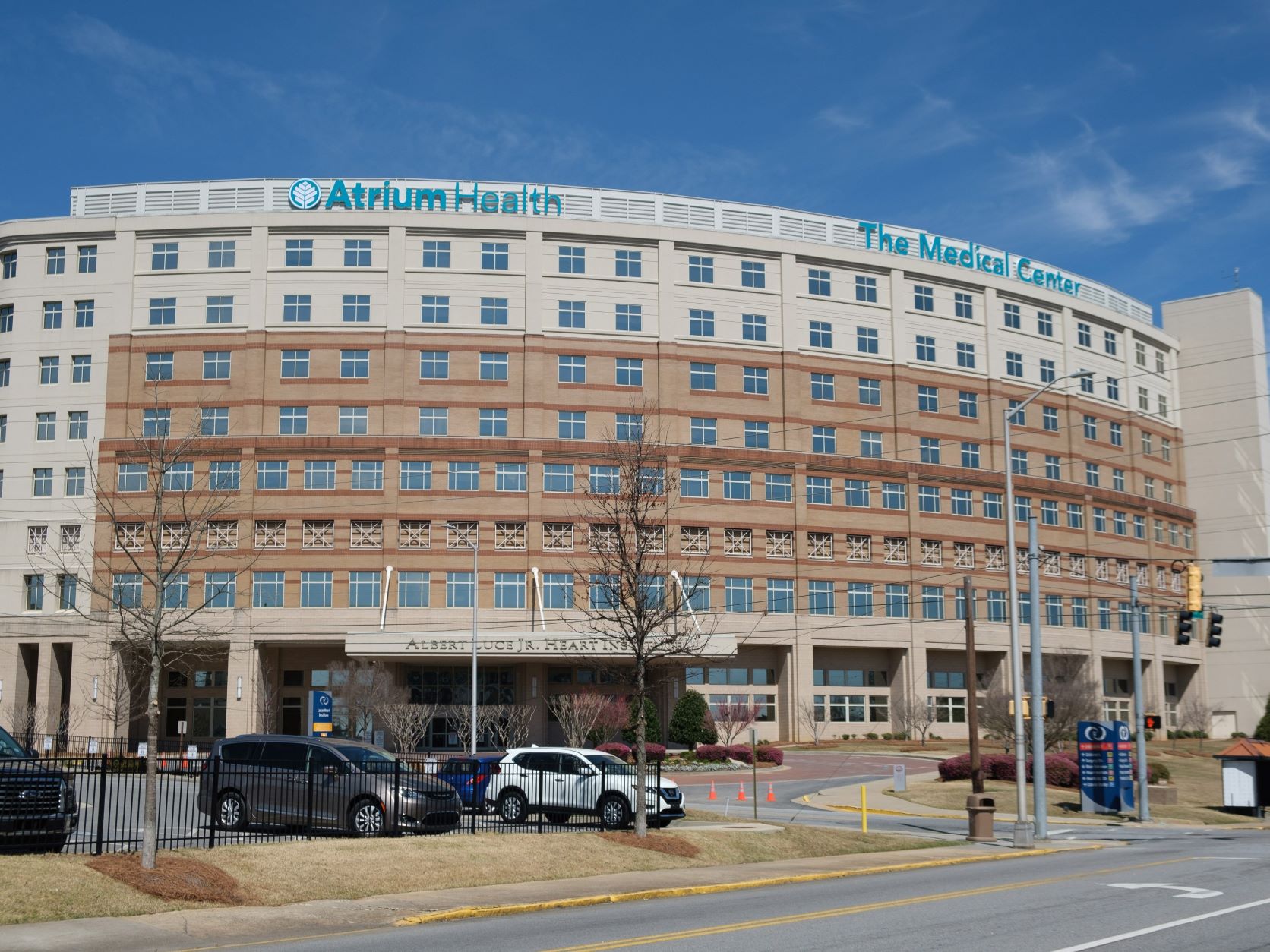
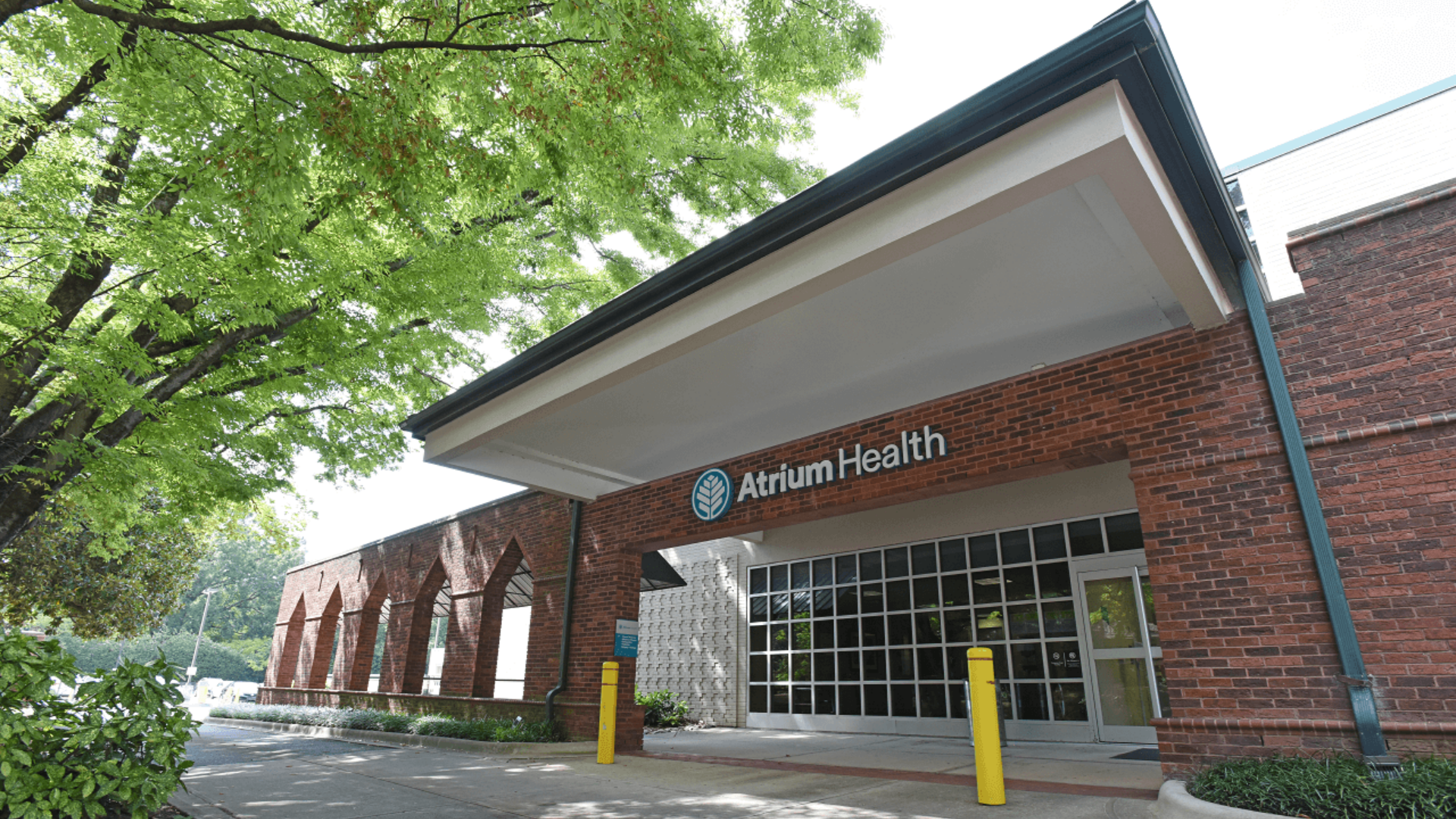
Atrium Health is an integrated, non-profit regional hospital network headquartered in Charlotte, North Carolina. Operating as a core division of Advocate Health, it provides comprehensive medical services across North Carolina, South Carolina, Georgia, and Alabama, spanning more than 40 hospitals, hundreds of urgent care and outpatient locations, specialized research institutes, and academic partnerships.
Evolution and Organizational Structure of Atrium Health
Atrium Health’s current structure represents decades of growth and strategic combinations aimed at scaling healthcare delivery across the Southeastern United States. Originally established as the Charlotte-Mecklenburg Hospital Authority and long recognized as Carolinas HealthCare System, the organization rebranded to Atrium Health in 2018 to reflect its expanding geographic reach beyond the Charlotte metropolitan area.
The network reached major regional expansion milestones through strategic combinations with prominent regional health systems:
- Wake Forest Baptist Health (2020): Combined to create a unified academic health system enterprise, placing the Wake Forest University School of Medicine as the academic core of the expanded system.
- Floyd Health System (2021): Expanded the network's footprint into Northwest Georgia and Northeast Alabama.
- Advocate Aurora Health Combination (2022): Atrium Health merged with Midwest-based Advocate Aurora Health to form Advocate Health, establishing the fifth-largest non-profit integrated health system in the United States.
Despite operating under the parent corporate umbrella of Advocate Health, the network continues to serve patients throughout the Southeast under the trusted Atrium Health brand. This dual structure allows the system to maintain local clinical governance and community focus while leveraging national purchasing power, centralized IT infrastructure, and shared clinical research protocols.
- Advocate Health (Parent Organization)
- Atrium Health (Southeast Division)
- Atrium Health Greater Charlotte
- Atrium Health Wake Forest Baptist (Triad / Western NC)
- Atrium Health Navicent (Central Georgia)
- Atrium Health Floyd (Northwest GA / Northeast AL)
- Advocate Aurora Health (Midwest Division)
- Atrium Health (Southeast Division)
Regional Footprint and Primary Service Areas
Atrium Health’s regional hospital network is organized into several primary geographic hubs, each anchoring acute care services, emergency medicine, and specialized outpatient clinics for surrounding communities.
- Wake Forest University School of Medicine
- Atrium Health Greater Charlotte (Metrolina/SC)
- Atrium Health Wake Forest Baptist (Triad / Western NC)
- Atrium Health Navicent (Central Georgia)
- Atrium Health Floyd (NW GA / NE AL)
1. Greater Charlotte and Metrolina Region
The network’s largest concentration of facilities remains in the Charlotte regional metro area, encompassing Mecklenburg, Union, Cabarrus, Gaston, Lincoln, and York (SC) counties. Flagship institutions in this sector include Carolinas Medical Center (CMC), Atrium Health Pineville, Atrium Health Cabarrus, and Atrium Health Mercy.
2. Triad and Western North Carolina (Atrium Health Wake Forest Baptist)
Anchored in Winston-Salem, North Carolina, this hub serves the Triad region and northwestern North Carolina. Key facilities include Atrium Health Wake Forest Baptist Medical Center, High Point Medical Center, Lexington Medical Center, Wilkes Medical Center, and Davie Medical Center.
3. Central Georgia (Atrium Health Navicent)
Headquartered in Macon, Georgia, Atrium Health Navicent serves central and south-central Georgia. Primary facilities include Atrium Health Navicent Medical Center, Atrium Health Navicent Baldwin, and the Beverly Knight Olson Children's Hospital.
4. Northwest Georgia and Northeast Alabama (Atrium Health Floyd)
Centered in Rome, Georgia, Atrium Health Floyd provides regional hospital and primary care access to communities across northwest Georgia and Cherokee County, Alabama. Key hospitals include Atrium Health Floyd Medical Center, Atrium Health Floyd Polk Medical Center, and Atrium Health Floyd Cherokee Medical Center.
Key Specialty Institutes and Flagship Facilities
Atrium Health operates specialized clinical institutes designed to centralize complex care, clinical trials, and sub-specialty medicine across its multi-state coverage zone.
- Specialty Care Institutes
- Levine Cancer Institute
- Levine Children's Hospital
- Sanger Heart & Vascular Institute
- Musculoskeletal Institute
- Neurosciences Institute
Levine Cancer Institute
Levine Cancer Institute (LCI) operates under a distributed care model, ensuring that patients across urban, suburban, and rural sites access identical clinical protocols and clinical trial pipelines without traveling to a single central hub. LCI offers advanced radiation oncology, cellular therapies, bone marrow transplantation, and precision medicine programs. Working alongside the NCI-designated Comprehensive Cancer Center at Atrium Health Wake Forest Baptist, LCI forms one of the largest clinical cancer networks in the Southeast.
Levine Children's Hospital
Located on the campus of Carolinas Medical Center in Charlotte, Levine Children's Hospital is a dedicated pediatric facility consistently recognized for clinical excellence in pediatric cardiology, gastroenterology, neonatology, nephrology, neurology, and oncology. The pediatric network also includes Brenner Children's Hospital in Winston-Salem and Beverly Knight Olson Children’s Hospital in Macon, establishing comprehensive regional pediatric care.
Sanger Heart & Vascular Institute
Sanger Heart & Vascular Institute provides cardiovascular care across the region, encompassing complex adult cardiac surgery, pediatric heart surgery, heart transplantation, interventional cardiology, structural heart interventions, and vascular surgery. Sanger manages specialized clinics for heart failure management, arrhythmia treatment, and cardiovascular rehabilitation across dozens of regional sites.
Musculoskeletal and Neurosciences Institutes
- Atrium Health Musculoskeletal Institute: Integrates orthopedic surgery, sports medicine, spine care, joint replacement, and physical rehabilitation. It acts as the official healthcare provider for numerous professional and collegiate sports programs across the Carolinas.
- Atrium Health Neurosciences Institute: Focuses on stroke management, neuro-oncology, complex spine disorders, epilepsy, movement disorders, and neuro-trauma care, anchoring comprehensive stroke centers across the network's emergency departments.
Atrium Health Regional Network Comparison
The following table summarizes the primary operating divisions, flagship hospitals, key clinical capabilities, and trauma designations across the Atrium Health regional network:
| Regional Division | Primary Flagship Hospital | Geographic Coverage | Trauma Level Designations | Primary Clinical Specialties |
|---|---|---|---|---|
| Atrium Health Greater Charlotte | Carolinas Medical Center (CMC) | Charlotte Metro, Upstate SC, Metrolina counties | Level I Adult TraumaLevel I Pediatric Trauma | Complex Surgical Care, Organ Transplant, Pediatric Care, Cardiac Surgery |
| Atrium Health Wake Forest Baptist | Atrium Health Wake Forest Baptist Medical Center | Triad Region (Winston-Salem, High Point), Western NC | Level I Adult TraumaLevel I Pediatric TraumaLevel I Burn Center | NCI Cancer Center, Academic Medicine, Neuroscience, Burn Injury Care |
| Atrium Health Navicent | Atrium Health Navicent Medical Center | Central & South Georgia (Macon, Baldwin) | Level I Adult TraumaPediatric Trauma Care | Specialized Surgery, Pediatric Care, Regional Emergency Medicine |
| Atrium Health Floyd | Atrium Health Floyd Medical Center | Northwest Georgia, Northeast Alabama (Rome, Centre) | Level II Trauma Center | Bariatric Surgery, Orthopedic Care, Cardiac Rehabilitation, Women's Health |
Patient Access and Digital Navigation Tools
Navigating a large regional health system requires understanding the digital and physical access points available for non-emergency, urgent, and emergency care.
- Patient Care Needs
- Routine / Preventive
- Primary Care Clinic
- MyAtriumHealth Portal
- Non-Emergency Urgent
- Urgent Care / Virtual
- 24/7 Video Visits
- Severe / Acute Illness
- Emergency Department (Nearest Regional Hub)
- Life-Threatening Emergency
- Level I / II Trauma Center (CMC, Wake Forest, Navicent)
- Routine / Preventive
MyAtriumHealth Patient Portal
The central digital gateway for patients across the network is MyAtriumHealth (powered by Epic Systems). The portal allows registered users to manage their care across all Atrium Health hospitals, urgent care centers, and physician clinics.
Key features of the portal include:
- Appointment Management: Direct online scheduling for primary care, mammograms, and select specialty visits, alongside appointment reminders.
- Clinical Records & Test Results: Access to laboratory findings, radiology reports, physician clinical notes, and immunization records.
- Direct Messaging: Secure communication channels with care teams for prescription renewals, non-urgent clinical queries, and follow-up updates.
- Billing & Payments: Centralized view of diagnostic statements, itemized hospital bills, setup of structured payment plans, and online bill payment.
- Virtual Care Services: Direct integration for scheduled video visits and on-demand eVisits for minor medical issues.
Choosing the Right Level of Care
To optimize clinical resources and minimize patient wait times, Atrium Health categorizes patient access into distinct service levels:
- Primary Care: Best for routine health maintenance, chronic disease management, preventive check-ups, and non-urgent referrals. Available via physical offices and scheduled telehealth.
- Atrium Health Urgent Care: Designed for non-life-threatening conditions requiring immediate attention (e.g., minor fractures, sprains, mild lacerations, low-grade fevers, rashes). Operating hours typically extend into evenings and weekends.
- Virtual 24/7 Video Visits: Suitable for common minor ailments (cold, flu symptoms, sinus infections, seasonal allergies) accessible via smartphone or computer without an appointment.
- Emergency Departments (ED): Intended for severe, sudden, or life-threatening conditions such as chest pain, severe shortness of breath, sudden numbness or weakness, major trauma, or uncontrollable bleeding. Emergency rooms operate 24/7/365 across all network hospitals.
Disclaimer: If you or someone near you experiences signs of a severe medical emergency, such as stroke symptoms or severe chest pain, call 911 or go to the nearest emergency room immediately.
Academic Integration and Medical Research
A distinguishing factor of Atrium Health is its deep integration with academic medicine, clinical research, and medical education.
- Academic Health System Core
- Wake Forest University School of Medicine
- Medical Student Training
- Graduate Medical Education
- Biomedical Research Grants
- The Pearl Innovation District (Charlotte Campus & Research Hub)
- Applied Biotechnology Labs
- Clinical Trial Incubators
- Health Equity Research Units
- Wake Forest University School of Medicine
Wake Forest University School of Medicine
Serving as the academic core of Atrium Health, the Wake Forest University School of Medicine is a nationally recognized leader in medical education and scientific discovery. The school manages hundreds of active research grants funded by the National Institutes of Health (NIH), focusing on neurosciences, aging, oncology, cardiovascular disease, and regenerative medicine.
The Pearl Innovation District
Located in Charlotte, North Carolina, The Pearl Innovation District represents a major expansion of the medical school's footprint. Serving as a second campus for the Wake Forest University School of Medicine, The Pearl operates as a regional hub for biomedical research, health tech incubators, clinical trial innovation, and commercialization of healthcare advancements.
This academic integration directly impacts patient care by providing network patients early access to phase I–IV clinical trials, experimental therapies, and state-of-the-art diagnostic protocols long before they become widely available in standard community healthcare settings.
Insurance Acceptance, Billing, and Financial Assistance
As a non-profit healthcare system, Atrium Health participates in a wide array of insurance arrangements and maintains structured financial support guidelines for eligible patients.
- Patient Financial Navigation
- Commercial / Managed Care
- BCBS, Aetna, Cigna, UHC, Regional Employers
- Medicare & Medicaid
- Original Medicare, Advantage, NC/GA/SC Medicaid Plans
- Uninsured / Underinsured
- Financial Assistance Policy (FAP), Catastrophic Relief, Payment Plans
- Commercial / Managed Care
Insurance Coverage
Atrium Health contracts with most major health insurance carriers operating in the Southeast, including:
- Commercial Preferred Provider Organizations (PPOs) and Health Maintenance Organizations (HMOs) (e.g., Blue Cross Blue Shield of North Carolina, Blue Cross Blue Shield of Georgia, Aetna, Cigna, UnitedHealthcare).
- Medicare Fee-for-Service and Medicare Advantage plans.
- State Medicaid programs across North Carolina, South Carolina, and Georgia.
- TRICARE and Veterans Affairs Community Care Network plans.
Note: Insurance network participation can vary depending on the specific facility, clinic, or physician group within the Atrium Health network. Patients should verify in-network status with their insurance plan prior to receiving elective services.
Financial Assistance Policy (FAP)
Atrium Health maintains a comprehensive Financial Assistance Policy to support uninsured or underinsured patients who meet specific household income criteria based on the Federal Poverty Guidelines (FPG):
- Full Financial Assistance (100% Discount): Generally available to patients with household incomes at or below 200% of the Federal Poverty Guidelines for medically necessary care.
- Partial Discounts / Sliding Scale: Available for patients with household incomes between 201% and 400% of the FPG.
- Catastrophic Financial Assistance: Protects patients who face extraordinarily high medical expenses relative to their annual household income, regardless of insurance status.
- Uninsured Discount: Automatic discounts applied to gross charges for self-pay patients receiving medically necessary acute care services.
Patients seeking financial assistance must submit an application along with supporting documentation, such as tax returns, recent pay stubs, or bank statements, to the Atrium Health Financial Counseling department.
Practical Guidance for New and Returning Patients
Navigating medical appointments, record transfers, and care continuity within the Atrium Health network is straightforward when following standard preparation steps.
Step 1: Establish Primary Care or Select a Specialist
- Use the Atrium Health online provider directory to find a doctor based on location, clinical specialty, gender preference, and language spoken.
- Confirm that the selected physician is accepting new patients and accepts your specific health insurance plan.
Step 2: Set Up MyAtriumHealth Account
- Create a MyAtriumHealth portal account online or through the mobile app.
- Request an activation code during an office visit or complete self-registration using your personal identification details.
Step 3: Transfer Prior Medical Records
- Complete an Authorization for Release of Health Information form to transfer prior medical records, vaccination histories, and diagnostic imaging from non-Atrium Health providers.
- If transferring within the network (e.g., from an Atrium Health urgent care to an Atrium Health specialist), medical records are automatically shared through the unified Epic EHR system.
Step 4: Prepare for Clinical Visits
- Bring a valid government-issued photo ID, current health insurance cards, and a list of all current prescription and over-the-counter medications.
- Arrive 15–30 minutes prior to scheduled appointments to complete check-in procedures or complete pre-visit registration via the portal 24 hours in advance.
Frequently Asked Questions
Is Atrium Health a non-profit organization?
Yes, Atrium Health operates as a non-profit integrated healthcare system. Its revenues are reinvested directly into patient care, community health initiatives, clinical research, medical education, facility modernization, and providing charity care for underserved populations.
What is the relationship between Atrium Health and Advocate Health?
Atrium Health combined with Midwest-based Advocate Aurora Health to form Advocate Health. Advocate Health is the parent organization, while Atrium Health remains the brand identity and operating division for the system’s health centers, hospitals, and medical programs across the Southeastern United States.
How do I log into or create a MyAtriumHealth account?
You can access MyAtriumHealth by visiting the official Atrium Health website or downloading the MyAtriumHealth mobile app on iOS or Android. Existing patients can register by choosing the self-registration option or entering an activation code provided on their post-visit summary sheet.
What should I do if I need financial help with my Atrium Health bill?
If you cannot pay your medical bill, contact Atrium Health Financial Counseling or visit their online financial assistance portal. You can apply for charity care discounts, structured interest-free payment plans, or hardship assistance based on your annual household income and clinical expenses.
Where are Atrium Health's primary Level I Trauma Centers located?
Atrium Health operates multiple Level I Trauma Centers—the highest level of emergency trauma capabilities—including Carolinas Medical Center (CMC) in Charlotte, NC, Atrium Health Wake Forest Baptist Medical Center in Winston-Salem, NC, and Atrium Health Navicent Medical Center in Macon, GA.
Next Steps for Patients
Whether establishing routine care, seeking a second opinion for a complex medical condition, or locating an urgent care facility nearby, patients can start by visiting the main portal at AtriumHealth.org or contacting the patient customer service lines. To streamline your healthcare management, set up a MyAtriumHealth account prior to your initial appointment to easily handle registration, review test results, and communicate directly with your clinical team across the network.