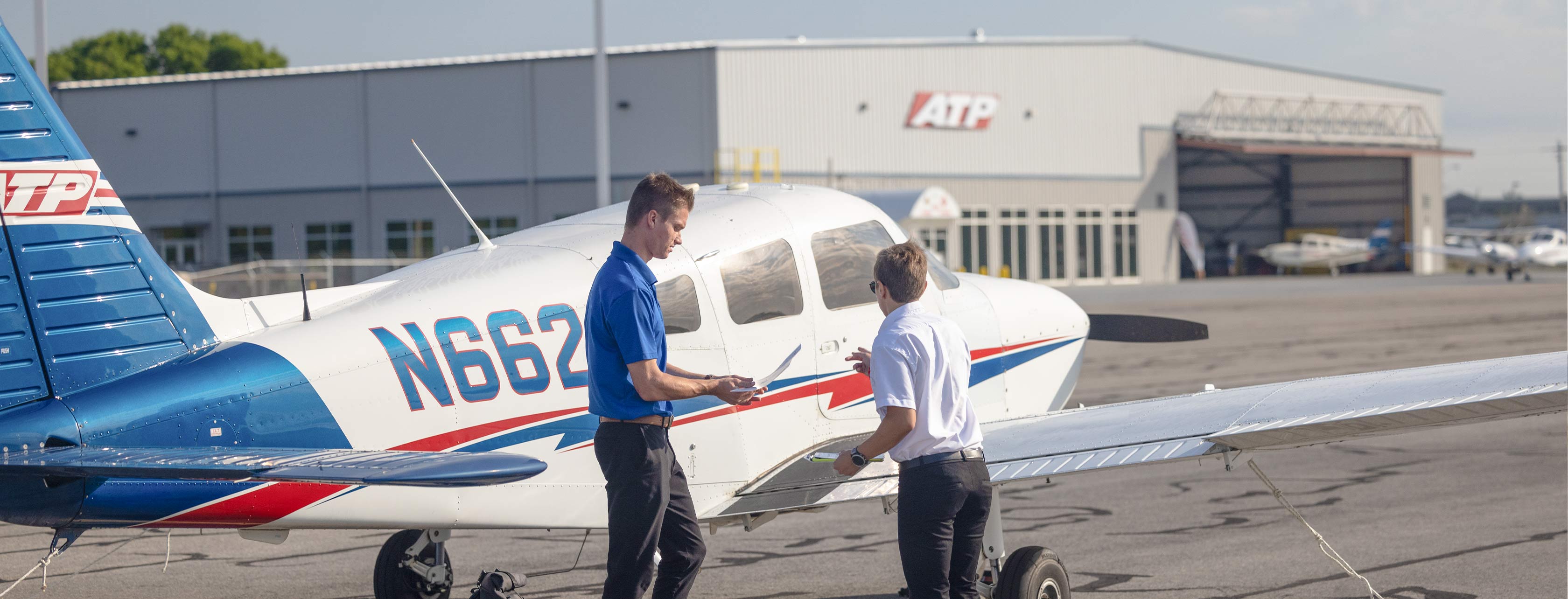
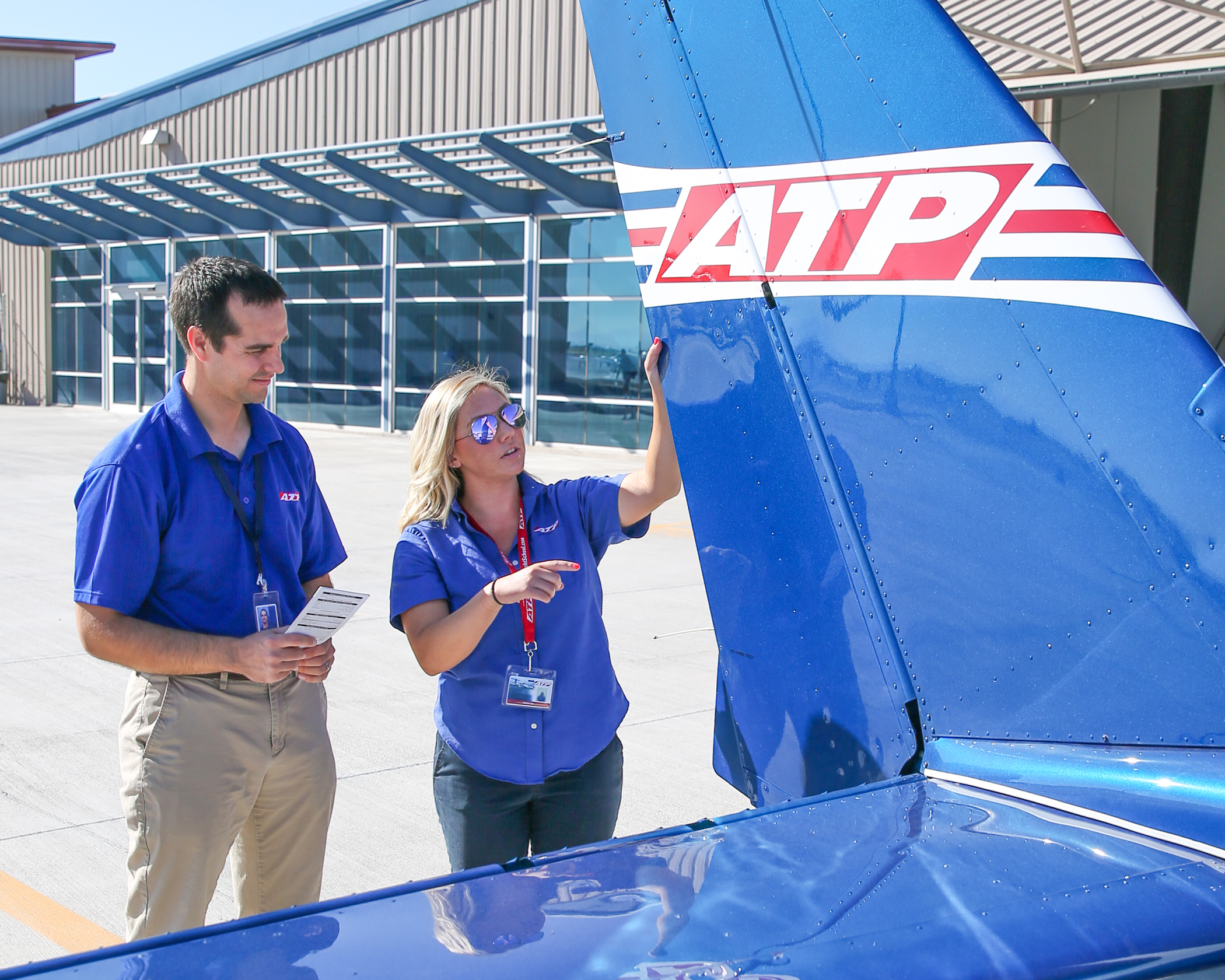
The Airline Transport Pilot (ATP) rating is the highest grade of aircraft pilot certificate, functioning as the professional standard for those seeking to fly for scheduled airlines or major cargo carriers. To earn it, candidates must generally reach 1,500 flight hours, complete a mandatory Certification Training Program (ATP-CTP), and pass both a comprehensive written exam and a rigorous practical flight test.
As we navigate the aviation landscape of 2026, the ATP pilot rating remains the definitive "PhD" of the flight world. Whether you are a student pilot mapping out a long-term career or a commercial pilot approaching your hour requirements, understanding the nuances of the ATP certificate is essential. This rating is not merely a formality; it is a legal requirement under Federal Aviation Administration (FAA) Part 121 operations and serves as a benchmark for safety, proficiency, and command authority in the cockpit.
The Evolution and Significance of the ATP Certificate
Historically, the requirements for the ATP rating were less stringent for first officers (co-pilots). However, following significant regulatory shifts over the last decade, the FAA now mandates that both the Captain and the First Officer of a scheduled airliner hold an ATP certificate. In 2026, this requirement continues to bolster the safety record of commercial aviation by ensuring that every pilot on the flight deck has achieved a high level of aeronautical experience and technical knowledge.
Holding an ATP rating signifies that a pilot has moved beyond basic maneuvers and solo flights into the realm of complex crew coordination, high-altitude aerodynamics, and advanced weather mitigation. For the industry, the ATP is a vetting mechanism. For the pilot, it is the key to the highest-paying jobs in the industry, including major international carriers, fractional ownership programs, and corporate flight departments.
Eligibility and Prerequisites
Before a pilot can even apply for the ATP practical test, they must meet foundational eligibility requirements. These are designed to ensure the candidate has the maturity and basic skill set required for heavy aircraft operations.
- Age: For an unrestricted ATP, the candidate must be at least 23 years old. For a Restricted ATP (R-ATP), the minimum age is 21.
- Language Proficiency: The applicant must be able to read, speak, write, and understand the English language, which is the international standard for aviation communication.
- Existing Certifications: You must already hold a Commercial Pilot Certificate with an instrument rating. This ensures the pilot is already proficient in professional-grade maneuvers and flying solely by reference to instruments.
- Medical Fitness: Pilots must hold a current first-class medical certificate to exercise the privileges of an ATP certificate in airline operations. While you can take the test with a lower class, you cannot act as a captain in Part 121 operations without a first-class medical.
The 1,500-Hour Rule and Restricted ATP Pathways
The most daunting hurdle for most aspiring airline pilots is the flight hour requirement. While the standard benchmark is 1,500 hours of total flight time, several pathways allow for a "Restricted" ATP at lower hour totals. These exceptions are primarily based on the quality and structure of the pilot's previous training.
Standard Unrestricted ATP (1,500 Hours)
This is the traditional path. To qualify, a pilot must document:
- 500 hours of cross-country flight time.
- 100 hours of night flight time.
- 75 hours of instrument flight time (actual or simulated).
- 250 hours of flight time in airplanes as pilot in command (PIC).
Restricted ATP (R-ATP) Pathways
The R-ATP allows pilots to serve as first officers for an airline before reaching 1,500 hours. The restriction is lifted once the pilot reaches the age and hour requirements for the full ATP.
- Military Pilots: 750 hours of total time. The FAA recognizes the high intensity and structured nature of military flight training.
- Graduates of 4-Year University Programs: 1,000 hours of total time. This applies to students who complete a Part 141 bachelor’s degree program with 60+ credits of aviation-related coursework.
- Graduates of 2-Year Associate Programs: 1,250 hours of total time. This is for those completing an approved associate degree with at least 30 credits of aviation coursework.
The Mandatory ATP-CTP Course
Since 2014, the FAA has required all multi-engine ATP applicants to complete the Airline Transport Pilot Certification Training Program (ATP-CTP). This is a prerequisite for taking the multi-engine ATP knowledge test (written exam).
The ATP-CTP is a bridge between general aviation and the world of high-performance jet aircraft. It typically lasts seven to ten days and includes at least 30 hours of ground school and 10 hours of simulator training. The ground school focuses on high-altitude aerodynamics, stall prevention and recovery, upset recovery, and adverse weather (such as icing and thunderstorms).
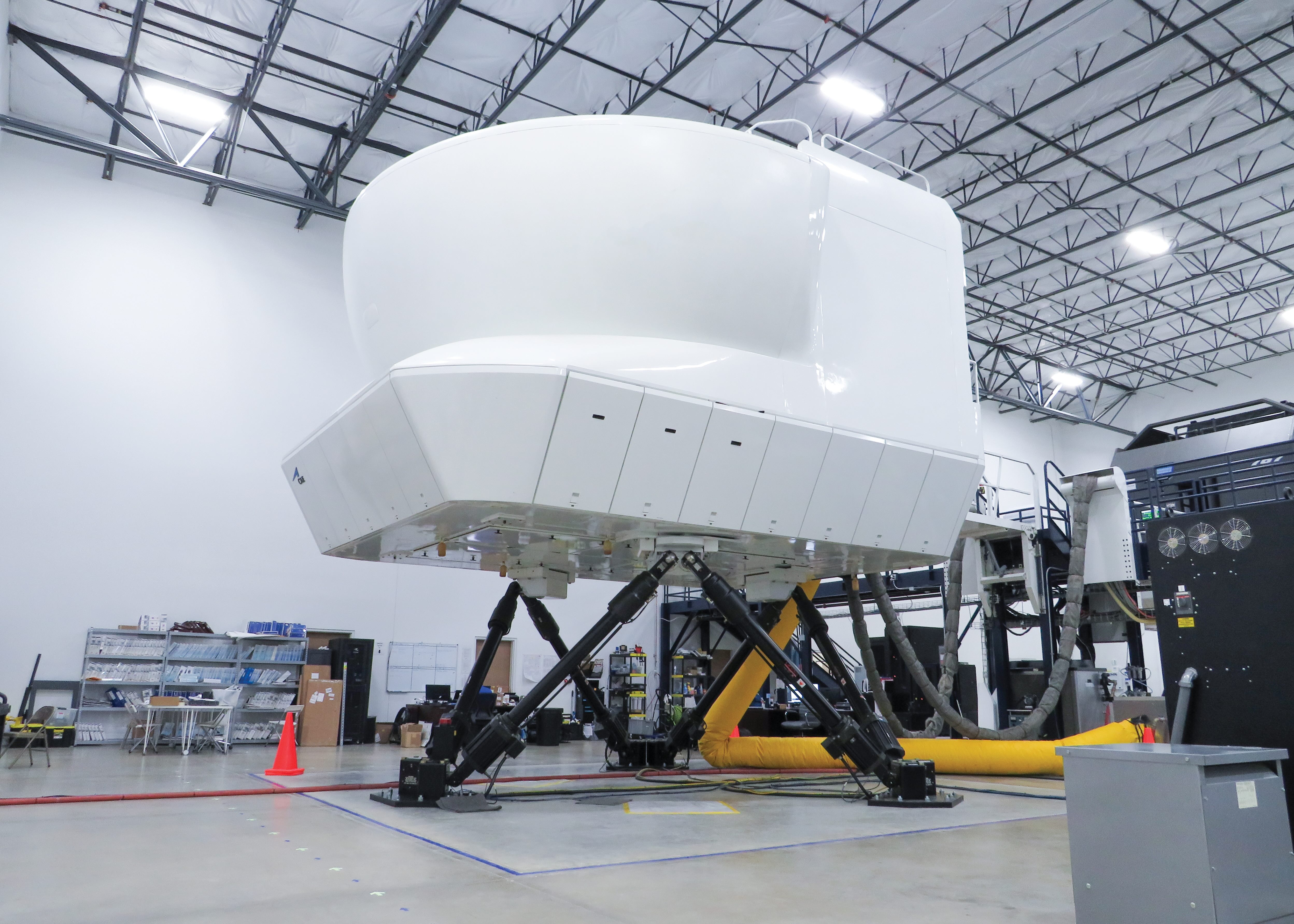
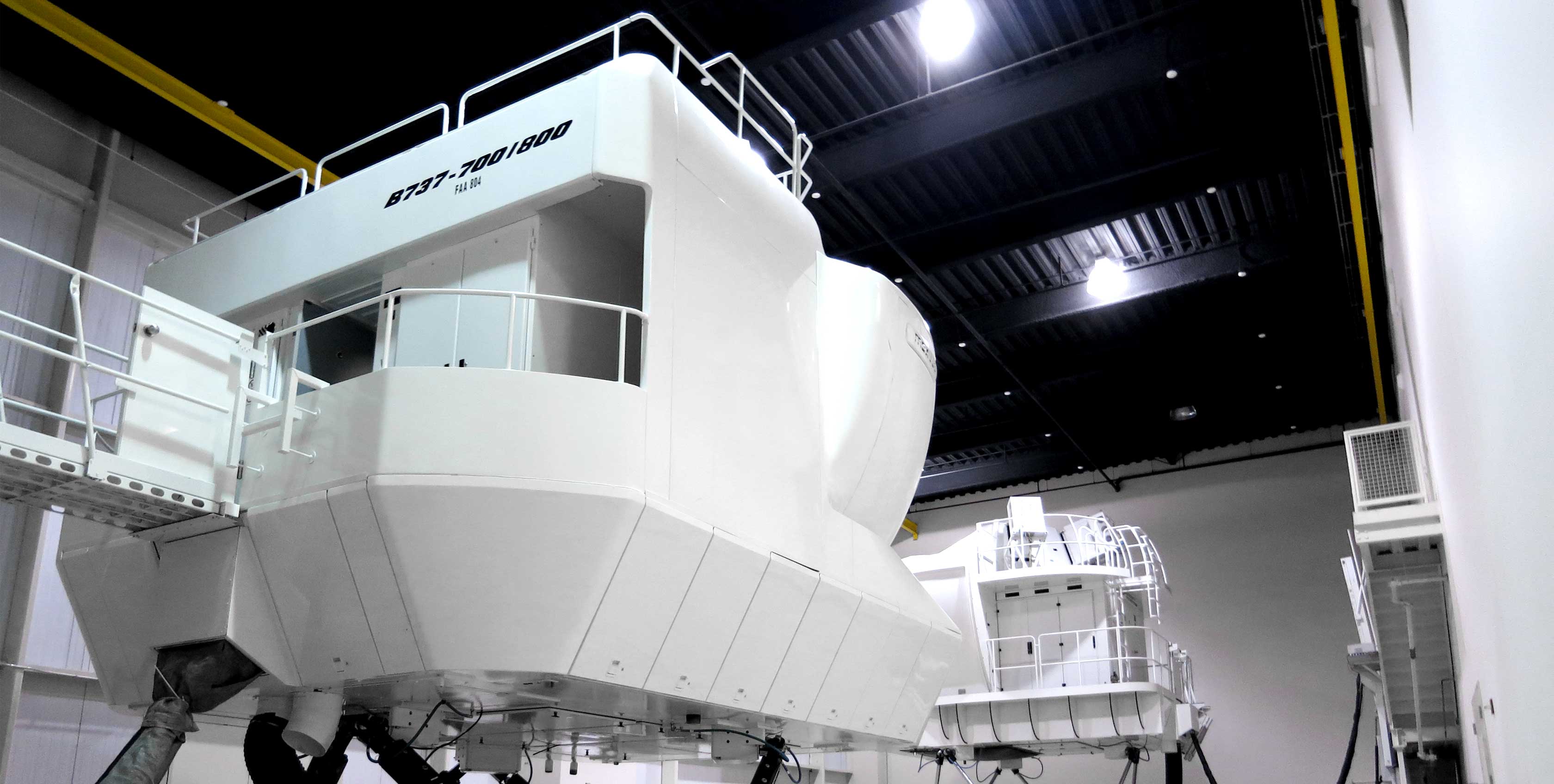
The simulator portion is particularly critical. It includes at least six hours in a Level C or higher Full Flight Simulator (FFS), which provides realistic motion and visuals. During these sessions, pilots experience scenarios that cannot be safely practiced in a light aircraft, such as high-altitude stalls and complex system failures. According to FAA Advisory Circular 61-138, the goal is to provide pilots with the knowledge to prevent loss-of-control-in-flight (LOC-I) accidents.
The ATP Knowledge Test (ATM)
Once the ATP-CTP is completed, the pilot receives a graduation certificate, which allows them to sit for the ATP Multi-Engine (ATM) knowledge test. This is a 125-question, computer-based exam that covers a vast range of topics:
- Regulations: 14 CFR Part 121 and Part 135 operations.
- Aerodynamics: High-speed flight, Mach tuck, and coffin corner.
- Meteorology: Interpreting complex weather charts, SIGMETs, and jet streams.
- Performance: Weight and balance for transport-category aircraft, V-speeds (V1, Vr, V2), and takeoff/landing distance calculations.
- Navigation: Advanced GPS, RNAV, and FMS operations.
In 2026, study resources have become highly digitized, with many pilots using specialized apps and remote tutoring to master the material. A passing score is 70%, but most airline recruiters look for scores significantly higher as an indicator of professional diligence.
The Practical Test: The ATP Checkride
The final step is the practical test, commonly known as the "checkride." This is conducted by an FAA inspector or a Designated Pilot Examiner (DPE). The test is divided into an oral examination and a flight portion. In 2026, these tests are conducted under the Airman Certification Standards (ACS), which provide clear metrics for what constitutes a "pass."
The Oral Exam
The examiner will test your "command knowledge." You will be expected to discuss legal requirements for a flight, explain the systems of your aircraft in detail, and make complex go/no-go decisions based on simulated weather and mechanical issues. This is not just about facts; it is about demonstrating the mindset of a Captain.
The Flight Portion
If you are taking the checkride in a multi-engine aircraft (which most ATP candidates do), the focus is on precision and Crew Resource Management (CRM). Key maneuvers include:
- Precision and Non-Precision Approaches: Hand-flown and automated.
- Engine Failures: Handling a "V1 cut" (engine failure at the moment of takeoff).
- Stall Recoveries: Demonstrating the specific recovery techniques learned in the ATP-CTP.
- Abnormal Procedures: Dealing with hydraulic failures, electrical issues, or smoke in the cockpit.
The tolerances are tight. For example, on an instrument approach, you may be expected to maintain altitude within 100 feet and heading within 10 degrees, even with an engine inoperative.
Cost Analysis and Time Investment
Obtaining an ATP rating is a significant financial and time investment. By 2026, inflation and the cost of fuel have influenced the pricing of training programs.
| Expense Category | Estimated Cost (2026 USD) | Details |
|---|---|---|
| ATP-CTP Course | $4,500 – $6,000 | Includes ground school and FFS simulator time. |
| Written Exam Fee | $175 – $200 | Paid to the testing center (e.g., PSI). |
| Flight Training | $3,000 – $8,000 | Dependent on hours needed to reach proficiency in a twin-engine aircraft. |
| DPE Examiner Fee | $1,000 – $1,800 | The fee for the actual checkride (varies by region). |
| Aircraft Rental | $400 – $700/hr | Cost for the multi-engine aircraft used during the checkride. |
| Study Materials | $200 – $500 | Software, apps, and physical textbooks. |
| Total Estimated Cost | $9,000 – $17,000 | Assumes pilot already has the 1,500 hours. |
Note: Many regional airlines in 2026 offer "ATP-CTP Sponsorships," where the airline pays for the course and the checkride in exchange for a employment commitment.
Comparing ATP Types: Multi-Engine vs. Single-Engine
While the multi-engine ATP is the standard for airline careers, single-engine ATPs do exist. They are often sought by bush pilots, specialized cargo operators, or those flying high-performance single-engine turboprops like the Pilatus PC-12.
| Feature | ATP Multi-Engine (AMEL) | ATP Single-Engine (ASEL) |
|---|---|---|
| Primary Goal | Airlines, Cargo, Charter | Corporate, Bush, Special Ops |
| ATP-CTP Required? | Yes | No |
| Knowledge Test | ATM (Multi-Engine) | ATS (Single-Engine) |
| Checkride Focus | Engine-out performance, CRM | Precision maneuvers, systems |
| Career Ceiling | High (Major Airlines) | Moderate (Specialized roles) |
Career Impact and Future Outlook
In 2026, the demand for ATP-rated pilots remains robust. While automation continues to advance, the role of the human pilot as a systems manager and decision-maker is more critical than ever. An ATP rating is not just a license to fly; it is a license to lead.
Upon receiving the rating, a pilot's earning potential shifts dramatically. Entry-level first officers at regional airlines can expect starting salaries that have risen significantly over the last five years to combat the pilot shortage. For those who reach the major airlines, total compensation packages (including 401k contributions and profit sharing) can exceed $300,000 to $400,000 annually as they move into senior Captain positions.
Furthermore, the ATP rating is internationally recognized. Through bilateral agreements between the FAA and agencies like EASA (European Union Aviation Safety Agency), holding an FAA ATP can simplify the process of converting licenses if a pilot chooses to fly for an overseas carrier.
Frequently Asked Questions
Can I get an ATP rating without the 1,500 flight hours?
Only if you qualify for a Restricted ATP (R-ATP). This requires you to be a military-trained pilot (750 hours) or a graduate of an approved university aviation program (1,000 or 1,250 hours). You must still reach the 1,500-hour mark to remove the "Restricted" limitation from your certificate and act as a Captain.
Does the ATP-CTP graduation certificate expire?
No. Once you complete the ATP-CTP and receive your graduation certificate, it does not expire. However, the ATP knowledge test results are valid for 60 calendar months (5 years). You must pass your practical test within that 60-month window, or you will have to retake the written exam.
What happens if I fail my ATP checkride?
A failure is not the end of a career, but it must be taken seriously. You will receive a Notice of Disapproval from the examiner, outlining the areas where you did not meet the standards. You must then receive additional training from an instructor on those specific tasks and be "signed off" to retake the portion of the test you failed.
Can I take the ATP checkride in a flight simulator?
Yes. In fact, most airline pilots complete their ATP checkride in a Level C or D Full Flight Simulator as part of their initial type rating training at an airline. If you are doing it independently, you will likely use a multi-engine piston aircraft, which can be more challenging due to the lack of automation and the physical demands of the aircraft.
Is there an age limit for holding an ATP?
While there is no age limit to hold the certificate, the "Age 65 Rule" still applies to pilots flying for Part 121 scheduled airlines. After age 65, you can no longer fly for a scheduled airline, but you can still use your ATP rating for Part 135 charter operations, corporate flying, or flight instruction.
Practical Recommendation for Aspiring ATPs
If you are aiming for an ATP rating in 2026, your most strategic move is to secure a position at a regional airline or a high-quality Part 135 operator as soon as you meet the R-ATP or 1,500-hour minimums. Many of these companies now provide "Full Pathway" programs where they pay for your ATP-CTP, provide the simulator time, and cover the cost of your checkride as part of your "New Hire" training. This can save you upwards of $15,000 in personal expenses.
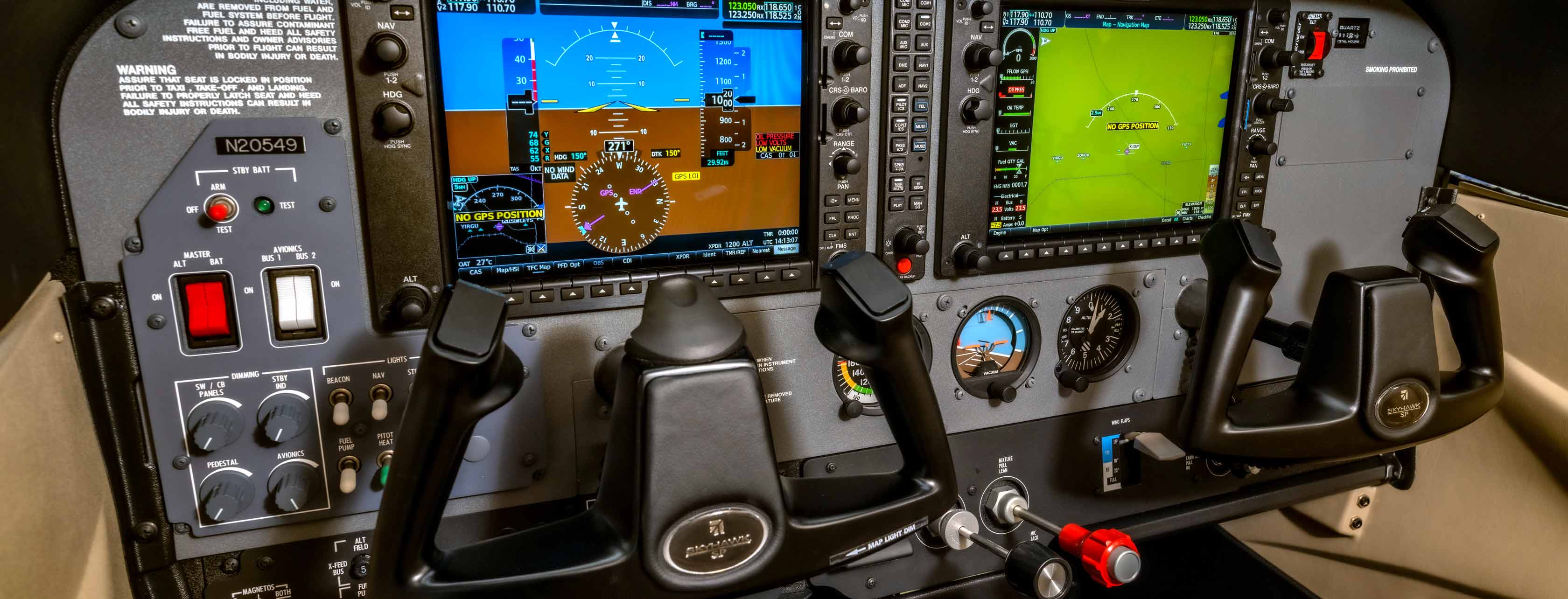
Furthermore, focus heavily on your instrument proficiency. The most common reason for failure on an ATP checkride is not the ability to fly the plane, but the inability to manage the cockpit under high-stress instrument conditions. Practice "single-pilot CRM" and master your glass-cockpit avionics long before you step into the ATP-CTP simulator.