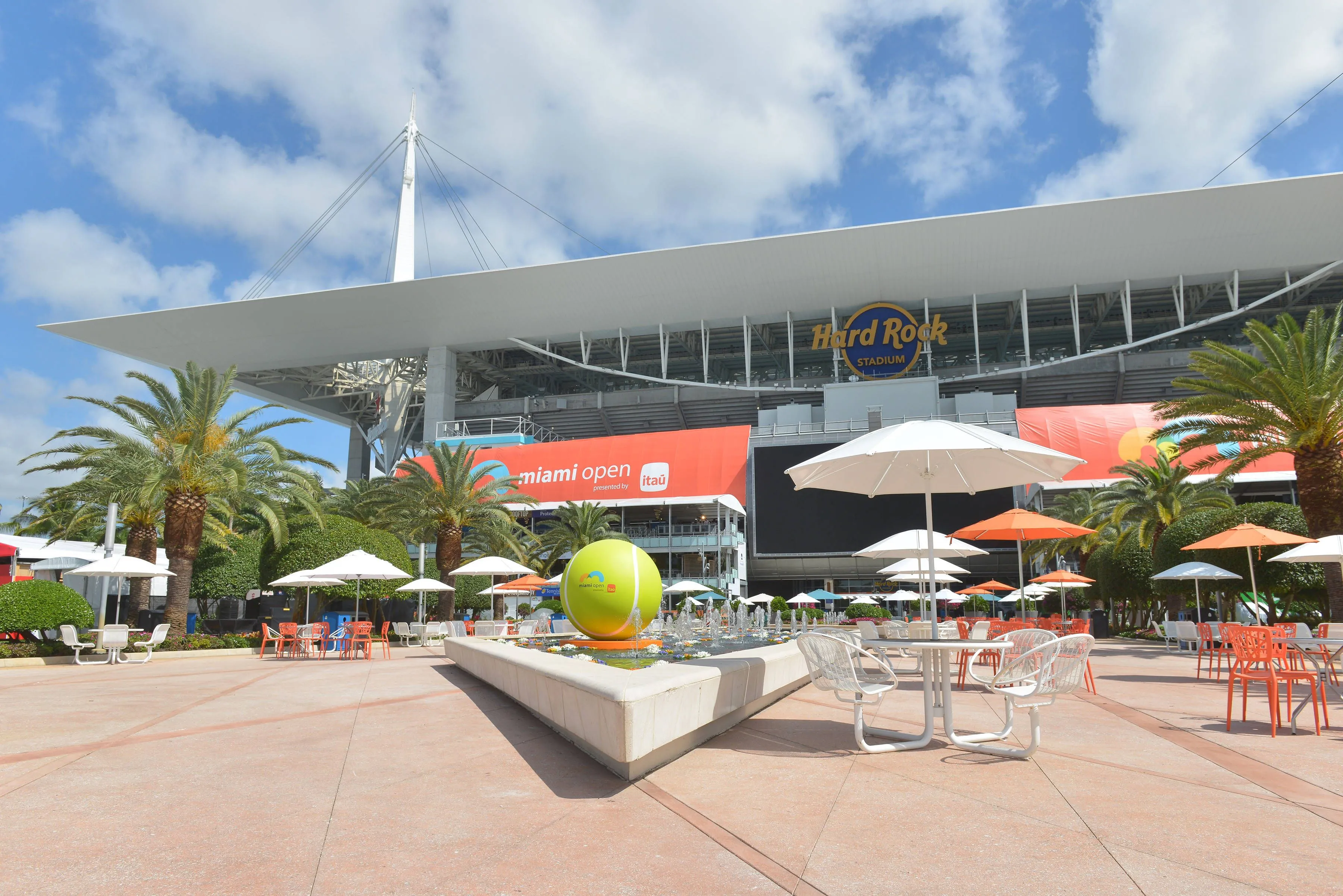
The Miami Open is a premier ATP Masters 1000 tournament held annually in Miami Gardens, Florida. Known as the second half of the "Sunshine Double," it attracts the world’s top-ranked men’s players to the Hard Rock Stadium complex. This guide covers everything from ticketing and venue logistics to the unique technical challenges of the Florida hard courts.
Understanding the Prestige of ATP Tennis in Miami
The Miami Open, often referred to as the "Fifth Grand Slam" by players and commentators alike, occupies a vital space in the ATP Tour calendar. As an ATP Masters 1000 event, it offers 1,000 ranking points to the winner, making it one of the most significant tournaments outside of the four majors. For players, success in Miami is a hallmark of elite status, requiring both physical endurance and tactical flexibility.
Since its inception in the 1980s, the tournament has undergone significant transformations. Originally held in Delray Beach and later Boca Raton, it found a long-term home at Crandon Park in Key Biscayne. However, the 2019 move to Hard Rock Stadium in Miami Gardens redefined the event's scale. The transition from a traditional park setting to a multi-purpose stadium environment allowed for massive infrastructure improvements, including permanent hospitality structures, expansive practice courts, and a centerpiece court built directly into the stadium's bowl.
The 2026 edition continues this legacy, maintaining its position as a mandatory event for all eligible top-tier players. Because it follows immediately after the BNP Paribas Open in Indian Wells, the "Sunshine Double"—winning both tournaments back-to-back—remains one of the rarest and most difficult achievements in professional tennis.
The 2026 Tournament Schedule and Format
The ATP portion of the Miami Open features a 96-player singles draw and a 32-team doubles draw. Because of the large draw size, the tournament spans nearly two weeks. The 2026 event is scheduled to take place from mid-March through the first week of April, aligning with the peak of the Florida spring season.
The first few days are dedicated to the qualifying rounds, where lower-ranked players battle for a spot in the main draw. Once the main draw begins, the top 32 seeds receive a first-round bye, a standard feature for 96-draw Masters 1000 events. This structure allows the tournament to pace its matches effectively, ensuring that the marquee players feature heavily in the second week.
Matches are played in a best-of-three sets format, including the final. The scheduling is split between day sessions, which typically begin around 11:00 AM, and night sessions, which start around 7:00 PM. Night sessions at the Miami Open are famous for their high-energy atmosphere, often attracting a celebrity-heavy crowd and providing a cooler climate for high-intensity play.
Venue Analysis: Hard Rock Stadium
Hard Rock Stadium, primarily known as the home of the Miami Dolphins, undergoes a radical transformation to host the ATP Miami event. The centerpiece is the Stadium Court, a 13,800-seat temporary arena constructed inside the actual football stadium. This unique setup provides unparalleled sightlines and a "stadium within a stadium" feel that is unique to the Miami Open.
Beyond the main court, the "Tennis Oasis" features nearly 30 additional courts used for both competition and practice. The Grandstand Court is the second-largest venue and is often a favorite for fans who prefer a more intimate, "close-to-the-action" experience. For those with a general admission or grounds pass, the practice courts offer a rare opportunity to see top-10 players training from just a few feet away.
The surface in Miami is Laykold hard court. While classified as a hard court, the humidity and salt air in Miami Gardens can affect the ball's speed and bounce. Historically, Miami has been considered one of the slower hard-court tournaments on the circuit, rewarding players with excellent baseline defense and the stamina to endure long rallies in the heat.
Ticketing Options and Attendance Strategy
Navigating the ticket market for ATP Tennis Miami requires early planning, especially for the quarterfinal, semifinal, and final rounds. Tickets are generally sold in several tiers, ranging from single-session passes to full-tournament packages.
| Ticket Type | Access Level | Best For |
|---|---|---|
| Stadium Court Reserved | Full access to the main stadium and all outer courts. | Fans wanting to see top seeds and the final rounds. |
| Grandstand Reserved | Reserved seat at the Grandstand; first-come access to outer courts. | Fans seeking high-level matches at a lower price point. |
| Grounds Pass | Access to all courts EXCEPT the main Stadium Court. | Families and fans who want to see multiple matches at once. |
| Luxury Suites | Private climate-controlled boxes with premium catering. | Corporate groups and fans seeking maximum comfort. |
For the 2026 season, the most cost-effective way to experience the tournament is often the Grounds Pass during the first week. During this period, the outer courts are packed with high-ranking players, and the "roving" nature of the pass allows you to jump from match to match. However, if your goal is to see the trophy presentation, a reserved Stadium Court seat for the final Sunday is mandatory. Official tickets should be purchased through the Miami Open website or authorized partners like Ticketmaster to ensure validity.
Travel and Logistics for Miami Gardens
Unlike the previous venue in Key Biscayne, Hard Rock Stadium is located in Miami Gardens, which is further inland. This location provides significantly better infrastructure for parking and traffic management, but it requires a different approach to travel.
Transportation and Parking
If you are driving, it is highly recommended to pre-purchase a parking pass. The stadium lots are divided into colored zones (Blue, Orange, Yellow). The Blue and Orange lots are closest to the tennis campus. For those using rideshare services like Uber or Lyft, there is a dedicated drop-off and pick-up zone, though surge pricing and wait times can be significant immediately following a night session.
Where to Stay
While there are hotels in the immediate vicinity of Miami Gardens, many fans prefer to stay in Aventura, Fort Lauderdale, or Downtown Miami.
- Aventura: Offers high-end shopping and is a 15-20 minute drive to the stadium.
- Hollywood/Fort Lauderdale: Provides beach access and a more relaxed vibe, roughly 25-30 minutes away.
- Downtown/Brickell: Best for those who want to experience Miami’s nightlife after the tennis ends.
Technical Conditions: How the Environment Impacts Play
The ATP Miami event is notoriously difficult for players who struggle with high humidity. Unlike the dry heat of Indian Wells, the Miami air is thick and heavy. This affects the tennis balls, which tend to "fluff up" faster, becoming heavier and slower through the air.
For the 2026 tournament, players who specialize in "heavy" topspin—such as those successful on clay—often find success here. The grit of the Laykold surface grips the ball, allowing for high-bouncing shots that can push opponents well behind the baseline. Furthermore, the wind can be a major factor. Because the stadium is somewhat open, swirling winds can disrupt the ball toss and timing, favoring players with compact swings and high tactical IQ.
Physical conditioning is the ultimate differentiator in Miami. It is not uncommon to see players struggle with cramping or heat exhaustion during the mid-day sessions. The tournament employs a "Heat Rule," which may allow for extended breaks between sets if the heat stress index reaches a certain threshold.
The Fan Experience: Food, Culture, and Entertainment
The Miami Open is as much a social event as it is a sporting one. The "Tennis Oasis" area is designed to reflect the culture of South Florida. This includes a curated selection of food vendors ranging from high-end sushi and Latin American fusion to classic stadium fare.
- The Food Court: Unlike standard sports venues, the Miami Open features outposts of famous local restaurants. Expect to find stone crabs, empanadas, and premium Wagyu burgers.
- Music and Art: Large-scale art installations and live DJs are common throughout the campus, creating a festival-like atmosphere between matches.
- The Big Screen: For those with grounds passes, a massive video wall in the center of the campus broadcasts the Stadium Court matches, surrounded by lounge chairs and bars, allowing fans to keep up with the main action while relaxing in the shade.
Essential Tips for First-Time Attendees
- Hydration is Critical: Florida's sun in late March is intense. Bring a reusable (non-glass) water bottle; there are hydration stations located throughout the grounds.
- Sun Protection: Sunscreen, wide-brimmed hats, and polarized sunglasses are non-negotiable. Even the shaded sections of the stadium can be subject to reflected UV rays.
- Download the App: The official Miami Open app provides real-time score updates, practice schedules, and a digital map of the stadium. This is the fastest way to find out which court a specific player is practicing on.
- Cashless Venue: Like many modern stadiums in 2026, Hard Rock Stadium is largely cashless. Ensure you have a mobile wallet or credit card for all on-site purchases.
- Check the Bag Policy: The tournament enforces a strict clear-bag policy. Small clutches are usually allowed, but large backpacks are prohibited. Check the current security guidelines on the Hard Rock Stadium website before you arrive.
Frequently Asked Questions
When does the 2026 Miami Open take place?
The 2026 Miami Open is scheduled for late March through early April. The exact dates follow the conclusion of the Indian Wells tournament in California. Typically, the main draw for the ATP begins on the Wednesday of the first week, with the men's final taking place on the final Sunday.
How can I get tickets for the ATP Miami matches?
Tickets can be purchased through the official Miami Open website, which redirects to Ticketmaster for secure transactions. It is advisable to buy tickets in advance, as "Stadium Court" seats for the semifinals and finals frequently sell out weeks before the event begins.
Is the tournament held on clay or hard courts?
The Miami Open is played on Laykold hard courts. While the color and texture might vary slightly from other hard-court tournaments, it is a medium-slow surface designed to withstand the tropical weather of Florida.
What is the difference between day and evening sessions?
A day session ticket usually grants access to all matches scheduled from 11:00 AM until the day session matches on the main court conclude. An evening session ticket is specifically for the marquee matches starting at or after 7:00 PM. Note that if you have a day session ticket, you are generally allowed to stay on the outer courts into the evening, but you will not have access to the Stadium Court for the night matches.
Where is the best place to stay for the tournament?
For convenience to the venue, hotels in Aventura or Miramar are best. For a more "vacation" feel, stay in Hollywood Beach or Sunny Isles. If you prefer a cosmopolitan experience, Downtown Miami or Brickell are excellent choices, though they require a 30-45 minute commute to the stadium depending on traffic.
Can I see players practicing?
Yes, one of the highlights of the Miami Open is the practice court complex. These courts are accessible to all ticket holders (including Grounds Pass holders). A daily practice schedule is usually posted on the official app and on digital boards around the campus, allowing you to see top stars like Carlos Alcaraz or Jannik Sinner in a more relaxed setting.
Final Recommendation for 2026
For the best overall experience at the 2026 Miami Open, aim to attend during the first Friday or Saturday of the main draw. During these days, the volume of high-quality matches across all courts is at its peak. You can see top-10 seeds on the show courts and rising stars on the outer courts for the price of a single ticket. Always check the weather forecast 24 hours in advance, as afternoon thunderstorms are common in South Florida and can lead to sudden schedule shifts.