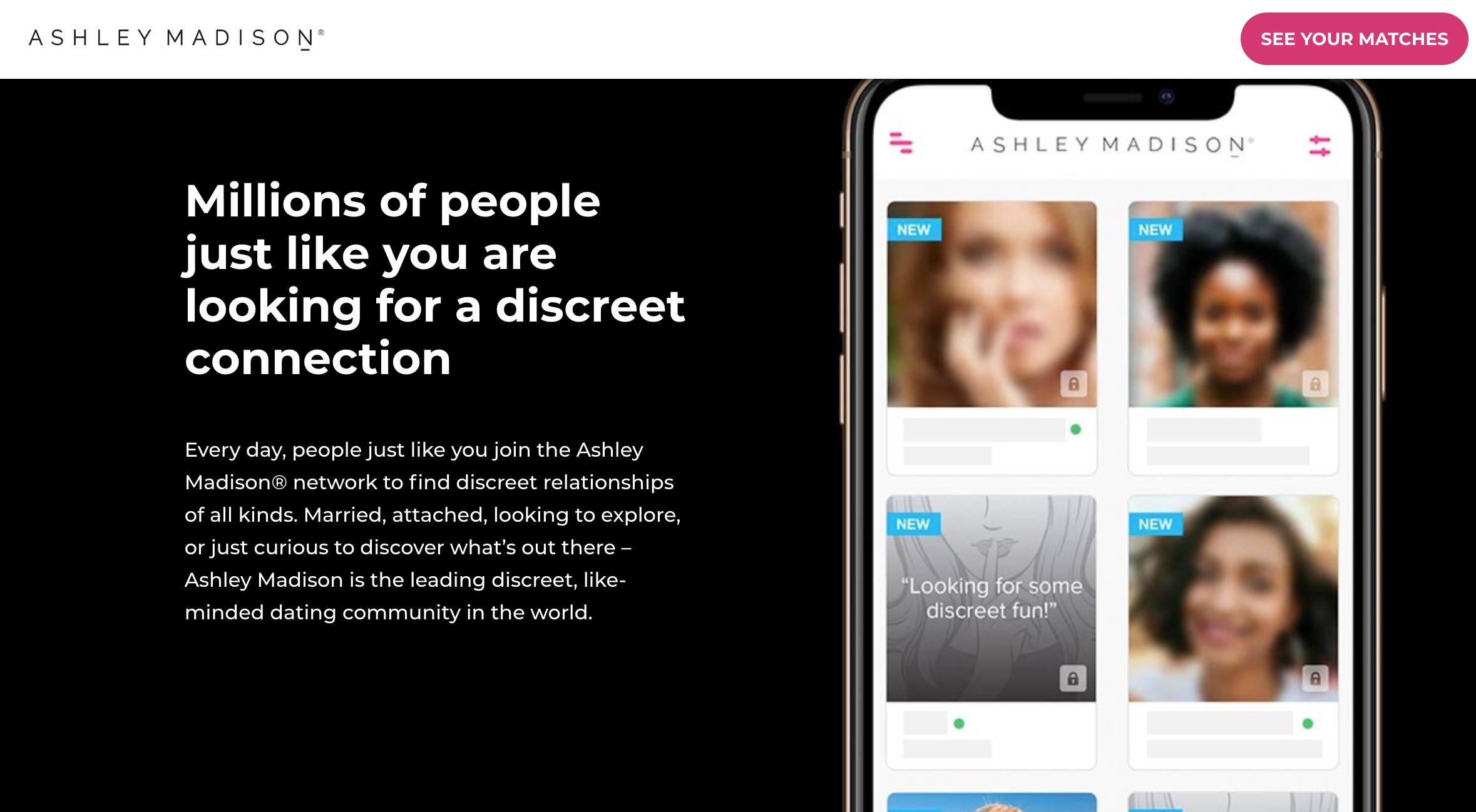
As of 2026, the estimated net worth of Ruby Life Inc., the parent company of Ashley Madison, is valued between $600 million and $900 million. While the company remains privately held, this valuation is derived from reported annual revenues exceeding $150 million, industry-standard EBITDA multiples for niche social networks, and its resilient recovery following the landmark 2015 data breach.
Understanding the Corporate Structure: Ruby Life Inc.
To accurately assess the "net worth" of Ashley Madison, one must look at its parent organization, Ruby Life Inc. (formerly known as Avid Life Media). Headquartered in Toronto, Canada, Ruby Life Inc. operates a portfolio of niche dating sites, with Ashley Madison serving as its flagship brand and primary revenue driver. Other assets in their portfolio traditionally include platforms like CougarLife and EstablishedMen, though Ashley Madison accounts for the vast majority of the company's enterprise value.
Because Ruby Life Inc. is a private corporation, it does not disclose its balance sheet to the public. However, financial analysts estimate the company's value by looking at its "Enterprise Value" (EV). In the technology and dating app sector, valuation is typically a multiple of annual revenue or Earnings Before Interest, Taxes, Depreciation, and Amortization (EBITDA).
For a company like Ruby Life, which operates in a "sin industry" or high-risk niche, valuation multiples are often lower than those of mainstream competitors like Match Group (the owner of Tinder and Hinge) or Bumble. While a mainstream app might trade at 8x to 10x revenue, Ashley Madison is estimated to trade at a more conservative 4x to 6x revenue due to regulatory risks and the inherent volatility of its brand reputation.
Revenue Models and Financial Resilience
The net worth of Ashley Madison is anchored by a highly specialized and aggressive monetization strategy. Unlike mainstream apps that rely heavily on monthly subscriptions, Ashley Madison utilizes a credit-based system. This model is significant for its financial health because it encourages high-frequency spending and eliminates the "churn" issues associated with recurring monthly billing that users might cancel to avoid a paper trail.
The Credit System Dynamics
Users purchase packages of credits to initiate conversations, send "gifts," or rank higher in search results. In 2026, these packages typically range from $50 to $250. This system provides the company with immediate cash flow and high margins, as the marginal cost of delivering a digital "credit" is nearly zero.
Diversified Revenue Streams
Beyond basic credits, the company has expanded into:
- Priority Support and Privacy Features: Paid "Elite" tiers that offer enhanced security protocols.
- The "Full Delete" Feature: A controversial but lucrative service where users pay a one-time fee to have their profile and metadata scrubbed from the servers.
- International Expansion: Since 2020, the company has aggressively targeted markets in Asia and South America, significantly increasing its global user base to over 80 million registered accounts by 2026.
The 2015 Breach and Its Long-term Financial Impact
Any discussion of Ashley Madison’s valuation must acknowledge the 2015 data breach, which initially looked like a terminal event for the company. The hack resulted in the exposure of 32 million users' personal data, leading to lawsuits and a massive federal investigation.
However, the company’s survival and subsequent growth have become a case study in "reputation management as an asset." In 2016, the company rebranded from Avid Life Media to Ruby Life Inc. and settled with the Federal Trade Commission (FTC) for $1.6 million (out of a $17.5 million judgment, which was suspended based on the company’s inability to pay at that specific time).
By 2026, the breach has transitioned from a liability to a historical footnote that proved the brand's "anti-fragility." The core user base—individuals seeking discreet extramarital encounters—demonstrated that the demand for the service outweighed the perceived security risks. This resilience has allowed the company to maintain a steady valuation growth path over the last decade.
Comparative Financial Analysis (2026 Estimates)
The following table compares the estimated financial position of Ruby Life Inc. against broader industry benchmarks to provide context for its net worth.
| Metric | Ruby Life Inc. (Ashley Madison) | Peer Group (Niche Dating Apps) | Mainstream Competitors (e.g., Bumble) |
|---|---|---|---|
| Estimated Annual Revenue | $150M - $180M | $20M - $50M | $1B+ |
| Revenue Multiplier | 4.5x | 3x - 5x | 6x - 10x |
| Primary Revenue Source | Credits / Microtransactions | Subscription | Subscription / Advertising |
| Estimated Net Worth (EV) | $675M - $810M | $60M - $250M | $4B+ |
| User Base (Registered) | 80 Million+ | 5 - 10 Million | 100 Million+ |
Factors Influencing Valuation in 2026
Several key factors determine why Ashley Madison’s net worth fluctuates within the $600M to $900M range.
1. The "Privacy Premium"
In 2026, data privacy is a more significant commodity than ever. Ruby Life Inc. has invested heavily in proprietary encryption and decentralized data storage to prevent a repeat of 2015. These investments are considered capital expenditures (CapEx) that increase the "book value" of the company’s intellectual property. A more secure infrastructure allows the company to command a higher valuation from private equity firms that might otherwise be wary of the legal liabilities.
2. Marketing and User Acquisition Costs (CAC)
The company’s net worth is heavily tied to its ability to acquire users cheaply. Because Ashley Madison cannot always use traditional advertising channels (like family-friendly television or certain social media platforms), they rely on SEO, affiliate marketing, and "shock" PR. If the cost of acquiring a new user (CAC) rises significantly due to platform bans, the company's profit margins—and thus its net worth—shrink.
3. Legal and Regulatory Environment
Operating a site that facilitates infidelity carries unique legal risks in different jurisdictions. Changes in "alienation of affection" laws or stricter digital service taxes in European markets can impact the company’s bottom line. The current 2026 valuation accounts for a "risk discount" reflecting these potential legal hurdles.
4. Ownership and IPO Potential
There has been persistent speculation about Ruby Life Inc. pursuing an Initial Public Offering (IPO). However, the nature of the business makes a public listing difficult, as many institutional investors have "ESG" (Environmental, Social, and Governance) mandates that prohibit investing in infidelity-focused platforms. Consequently, the company's net worth is largely realized through private valuations and internal buybacks rather than public market capitalization.
Operational Costs and Overhead
To maintain a net worth nearing a billion dollars, the company manages a lean but technologically advanced operation. The primary costs impacting their valuation include:
- Security Infrastructure: Estimated at 15-20% of annual revenue. This includes bug bounty programs, advanced firewalls, and regular third-party audits required to maintain user trust.
- Legal and Compliance: A significant portion of the budget is allocated to navigating global privacy laws, such as GDPR in Europe and CCPA/CPRA in California.
- Content Moderation: Ensuring the platform isn't overrun by bot accounts (an issue that plagued the company in 2015) requires sophisticated AI moderation tools and human oversight, representing a steady operational drain on EBITDA.
Frequently Asked Questions
Who owns Ashley Madison in 2026?
Ashley Madison is owned by Ruby Life Inc., a private company. While there have been various investors over the years, the company has largely remained under private ownership, shielding it from the quarterly scrutiny of public markets.
Is Ashley Madison profitable?
Yes, Ashley Madison is widely considered to be highly profitable. Niche dating platforms typically enjoy high margins because they provide a digital service with minimal physical overhead. Estimates suggest their EBITDA margins range between 25% and 35%.
How much did the 2015 leak cost the company?
Direct costs including settlements, legal fees, and security upgrades were estimated to exceed $50 million. However, the indirect cost was a temporary stagnation in valuation. By 2026, the company has more than recovered these losses through increased user registrations and expanded global operations.
Does Ashley Madison still use bot accounts?
Following the 2015 scandal, where it was revealed a large percentage of female profiles were "engagements bots," the company underwent a massive overhaul. In 2026, they maintain strict transparency policies and utilize AI to purge fake accounts, as their valuation now depends heavily on "authentic user metrics" for potential private equity buyers.
Why is the net worth not higher?
While the revenue is strong, the "stigma discount" prevents the company from achieving the 10x or 15x revenue multiples seen in other tech sectors. Most traditional banks and large-scale investment funds avoid the brand for moral or brand-alignment reasons, limiting the pool of capital and keeping the valuation lower than its raw traffic might suggest.
Final Perspective on Ashley Madison's Financial Standing
The net worth of the Ashley Madison company in 2026 reflects a business that has mastered a controversial but undeniably profitable segment of the human experience. By pivoting from a pure "scandal" brand to a sophisticated technology firm focused on discreet social networking, Ruby Life Inc. has stabilized its financial future.
For those looking to understand the value of this entity, it is best viewed not just as a website, but as a specialized database and privacy-infrastructure company. As long as there is a demand for discretion, the enterprise value of Ashley Madison is likely to remain robust, hovering in the high hundreds of millions, provided they maintain the integrity of their current security protocols.