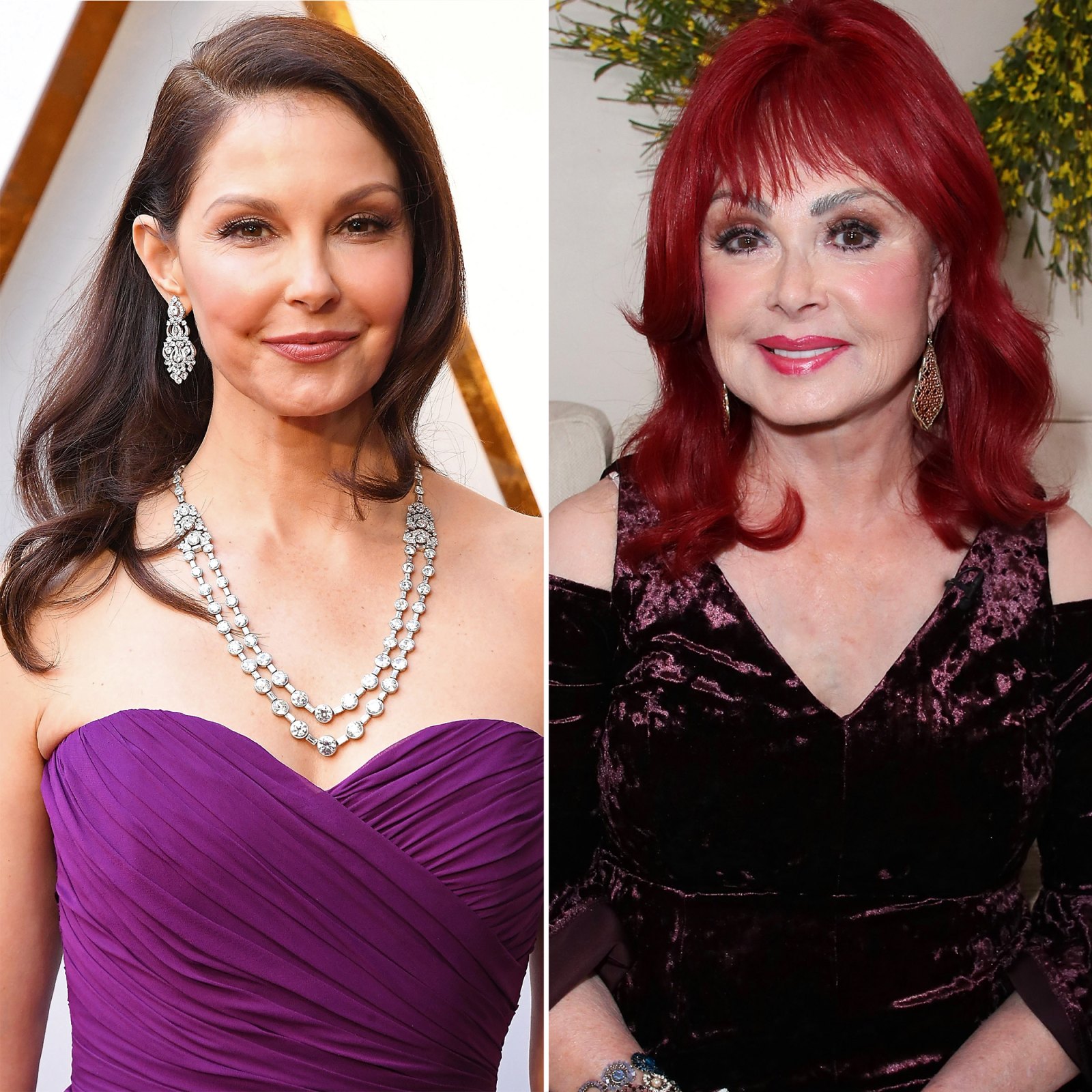
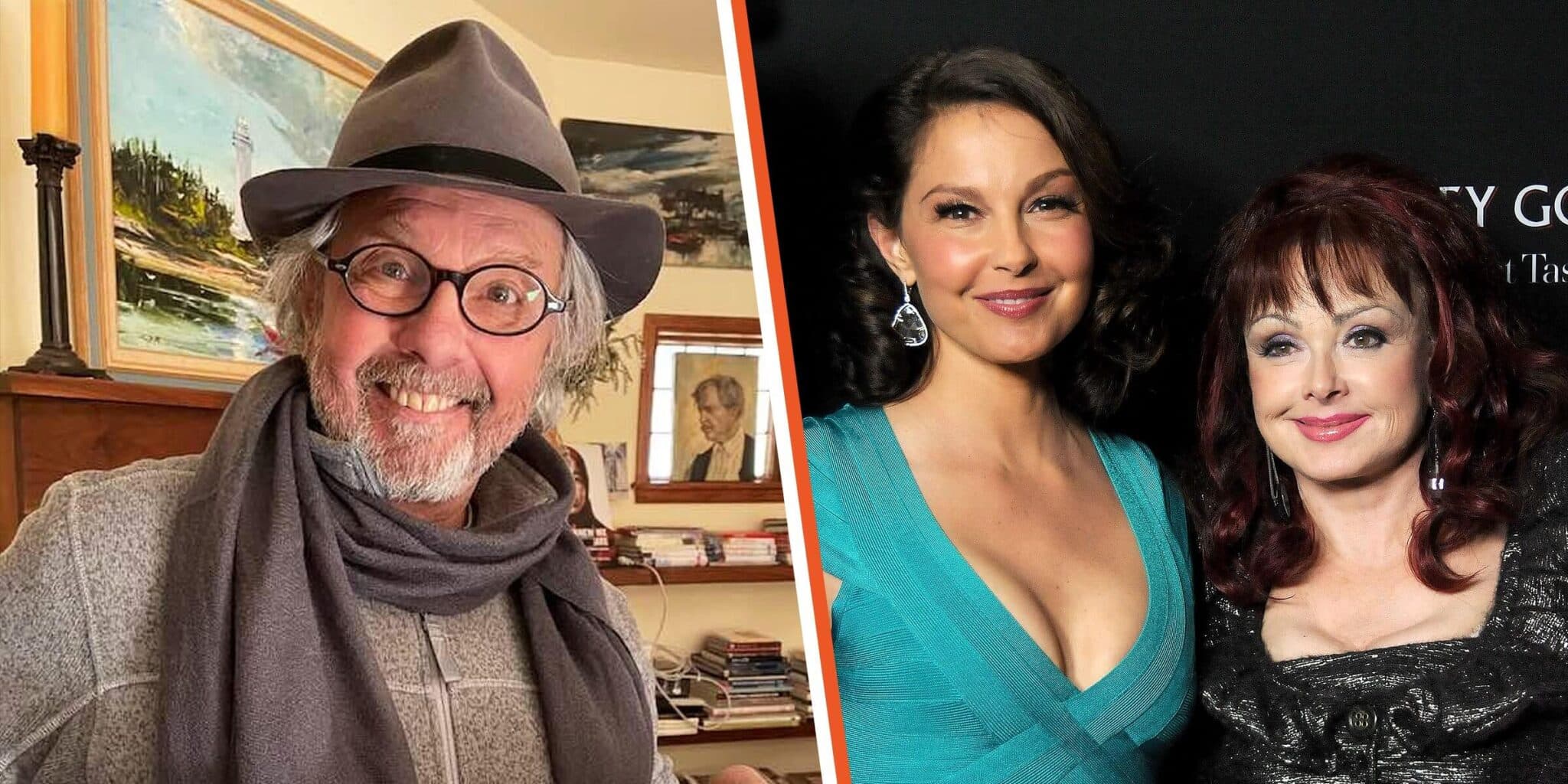
Ashley Judd is currently in a long-term relationship with Martin Surbeck, an Associate Professor of Human Evolutionary Biology at Harvard University. Their partnership is built on a shared dedication to wildlife conservation, specifically the protection of bonobos in the Democratic Republic of the Congo (DRC), and their mutual ties to the Harvard academic community.
For several years, the intersection of Hollywood activism and high-level academia has found a prominent example in the relationship between actress and humanitarian Ashley Judd and scientist Martin Surbeck. While Judd is a household name due to her extensive filmography and her role as a United Nations Population Fund (UNFPA) Goodwill Ambassador, Surbeck is a distinguished figure in the scientific community. This article explores the details of their relationship, the professional background of the "Harvard professor," and the shared passions that define their life together in 2026.
Who is Martin Surbeck? The Academic Profile
To understand the nature of Ashley Judd’s relationship, it is essential to look at the professional standing of Martin Surbeck. He is not merely a "Harvard professor" in a general sense; he is a specialist in primate behavior and evolutionary ecology.
Academic Background and Tenure
Martin Surbeck serves as an Associate Professor in the Department of Human Evolutionary Biology at Harvard University. His academic journey is rooted in a deep interest in how social systems evolve in non-human primates and what that tells us about human evolution. Before his tenure at Harvard, Surbeck was a researcher at the Max Planck Institute for Evolutionary Anthropology in Leipzig, Germany, one of the world's premier institutions for the study of primatology.
Research Focus: The Bonobo Specialist
Surbeck’s primary research focuses on bonobos (Pan paniscus), a species of great ape found only in the Democratic Republic of the Congo. Unlike chimpanzees, which are known for male dominance and occasional lethal aggression, bonobos are famous for their matriarchal social structures and the use of social bonding to resolve conflict.
Surbeck leads the Surbeck Lab at Harvard, where he and his team investigate:
- Male Philopatry: Why males stay in their birth groups and how they benefit from maternal support.
- Social Bonds: How cooperation between unrelated individuals forms the basis of complex societies.
- Intergroup Relations: How different bonobo communities interact without the extreme violence often seen in other species.
How the Couple Connected: The Congo and Conservation
The relationship between Ashley Judd and Martin Surbeck is inextricably linked to the Kokolopori Bonobo Reserve in the DRC. This location is not just a research site for Surbeck; it is also a place where Judd has spent significant time as an advocate and visitor.
The 2021 DRC Accident
The world first became aware of the depth of Judd's commitment to the DRC—and implicitly her connection to the research community there—following a catastrophic accident in February 2021. While visiting the rainforest to observe bonobos, Judd tripped over a fallen tree, resulting in a shattered leg in four places and nerve damage.
The harrowing 55-hour rescue mission involved being carried out of the forest on a hammock and transported via motorbike and bush plane. During her recovery, Judd frequently credited the "Congo family" and the researchers in the field for saving her life. It was during this period and the subsequent years of recovery that her relationship with Surbeck became more visible to the public.
Shared Humanitarian and Environmental Values
Ashley Judd’s interest in the DRC extends beyond a casual hobby. She is a dedicated conservationist who views the protection of endangered species as a vital component of global health and stability. Surbeck’s scientific work provides the empirical framework for the conservation efforts that Judd supports through her public platform. This synergy—science meeting advocacy—is a defining characteristic of their partnership.
| Feature | Ashley Judd | Martin Surbeck |
|---|---|---|
| Primary Profession | Actress / Humanitarian | Evolutionary Biologist / Professor |
| Academic Affiliation | Harvard Kennedy School (MPA) | Harvard University (HEB Dept) |
| Field Research Site | Kokolopori, DRC | Kokolopori Bonobo Reserve, DRC |
| Key Advocacy Area | Women's Rights / Global Health | Primate Social Evolution / Conservation |
| Notable Achievement | UNFPA Goodwill Ambassador | Head of the Surbeck Lab at Harvard |
Ashley Judd’s Ties to Harvard University
While Martin Surbeck is the professor in the relationship, Ashley Judd is no stranger to the halls of Harvard. Her connection to the university predates her public involvement with Surbeck, providing a common cultural and intellectual ground for the couple.
The Harvard Kennedy School
In 2010, Judd earned a Master of Public Administration (MPA) from the John F. Kennedy School of Government at Harvard University. Her time at the Kennedy School was focused on gender equality and international human rights. This degree marked a transition in her career from being purely an actor to being a highly trained policy advocate.
Academic Integration
Because Judd is an alumna of Harvard, the couple is frequently seen participating in university-related events. They have been spotted at Harvard sporting events, including baseball games, and academic gatherings. This integration into the Harvard community allows them to maintain a degree of privacy that is often difficult for celebrities in Los Angeles or New York.
A Timeline of Public Appearances
While the couple remains relatively private, several key moments have confirmed their relationship status over the years.
- 2021-2022: Post-Accident Support: Following Judd's injury, Surbeck was a constant source of support during her intensive physical therapy.
- Red Sox Games: The pair has been photographed enjoying baseball games in Boston, a favorite pastime for Judd, who is a noted sports fan (particularly of the Kentucky Wildcats and the Red Sox).
- Scientific Lectures and Galas: Judd has been known to attend lectures where Surbeck presents his research, highlighting her genuine interest in his scientific contributions.
- Social Media Mentions: While they do not frequently post "couple photos," Judd has shared insights into her life in the DRC and her respect for the researchers working there, often tagging or mentioning the Surbeck Lab's initiatives.
The Significance of Their Partnership in 2026
As of 2026, the relationship between Ashley Judd and Martin Surbeck is viewed as a stable and mature partnership that bridges two very different worlds.
Resilience and Recovery
Judd’s recovery from her 2021 injury was a years-long process involving multiple surgeries and extensive rehabilitation. In interviews, she has spoken about the "primitive" and "spiritual" nature of her healing process. Having a partner who understands the specific environment where her injury occurred—the remote DRC rainforest—has been cited as a significant factor in her emotional and physical resilience.
Professional Synergy
In 2026, the collaboration between celebrity influence and scientific research is more important than ever. Judd’s ability to draw attention to the plight of the bonobo helps secure funding and public interest for the research Surbeck conducts. Conversely, Surbeck’s presence in her life provides a grounded, intellectually stimulating environment away from the pressures of the entertainment industry.
Technical Depth: The Department of Human Evolutionary Biology (HEB)
To understand the "Harvard professor" label, one must understand the specific department where Surbeck works. The Department of Human Evolutionary Biology at Harvard is unique because it combines biological sciences with social sciences.
What the Department Does
HEB faculty study how evolution has shaped human biology and behavior. This includes:
- Paleoanthropology: Examining the fossil record.
- Comparative Biology: Studying primates (like Surbeck’s bonobos) to understand human traits.
- Genetics: Mapping the evolutionary history of our species.
Surbeck’s role as an Associate Professor involves not only conducting original research in the DRC but also mentoring doctoral students and teaching undergraduates. His work is published in high-impact journals such as Current Biology and Proceedings of the Royal Society B, contributing to our understanding of why primates—and by extension, humans—are social creatures.
Frequently Asked Questions
Is Ashley Judd married to the Harvard professor?
As of 2026, there have been no official public announcements regarding a marriage between Ashley Judd and Martin Surbeck. They maintain a committed long-term partnership but have traditionally kept their specific marital status private.
How did Ashley Judd meet Martin Surbeck?
While the exact moment they met is not public record, it is widely understood that they connected through their mutual work in the Democratic Republic of the Congo. Judd has been a long-time visitor to the bonobo research sites where Surbeck conducts his primary fieldwork.
What is Martin Surbeck’s specialty at Harvard?
Martin Surbeck is an Associate Professor in the Department of Human Evolutionary Biology. He specializes in the behavioral ecology and social evolution of non-human primates, with a specific focus on bonobos (Pan paniscus).
Does Ashley Judd live in Cambridge, Massachusetts?
Ashley Judd spends a significant amount of time in the Boston/Cambridge area to be with Surbeck and participate in the Harvard community. However, she also maintains her residence in Tennessee and travels extensively for her work with the UNFPA.
What happened to Ashley Judd's leg in the Congo?
In 2021, while in the DRC rainforest where Surbeck’s team conducts research, Judd suffered a catastrophic "shattered" leg after tripping over a tree in the dark. The injury required a massive rescue effort and nearly a year of intensive rehabilitation before she could walk again normally.
Next Steps for Following Their Work
For those interested in the work this couple does, there are several avenues to stay informed:
- Follow the Surbeck Lab: Academic updates regarding bonobo research and conservation in the DRC can be found through the official Harvard University Surbeck Lab website.
- UNFPA Updates: To see Ashley Judd’s humanitarian work, follow the United Nations Population Fund (UNFPA) reports on maternal health and gender-based violence.
- Bonobo Conservation Initiative: Both Judd and Surbeck are supporters of the Bonobo Conservation Initiative (BCI), which works to protect the habitat of the great apes they both care for deeply.