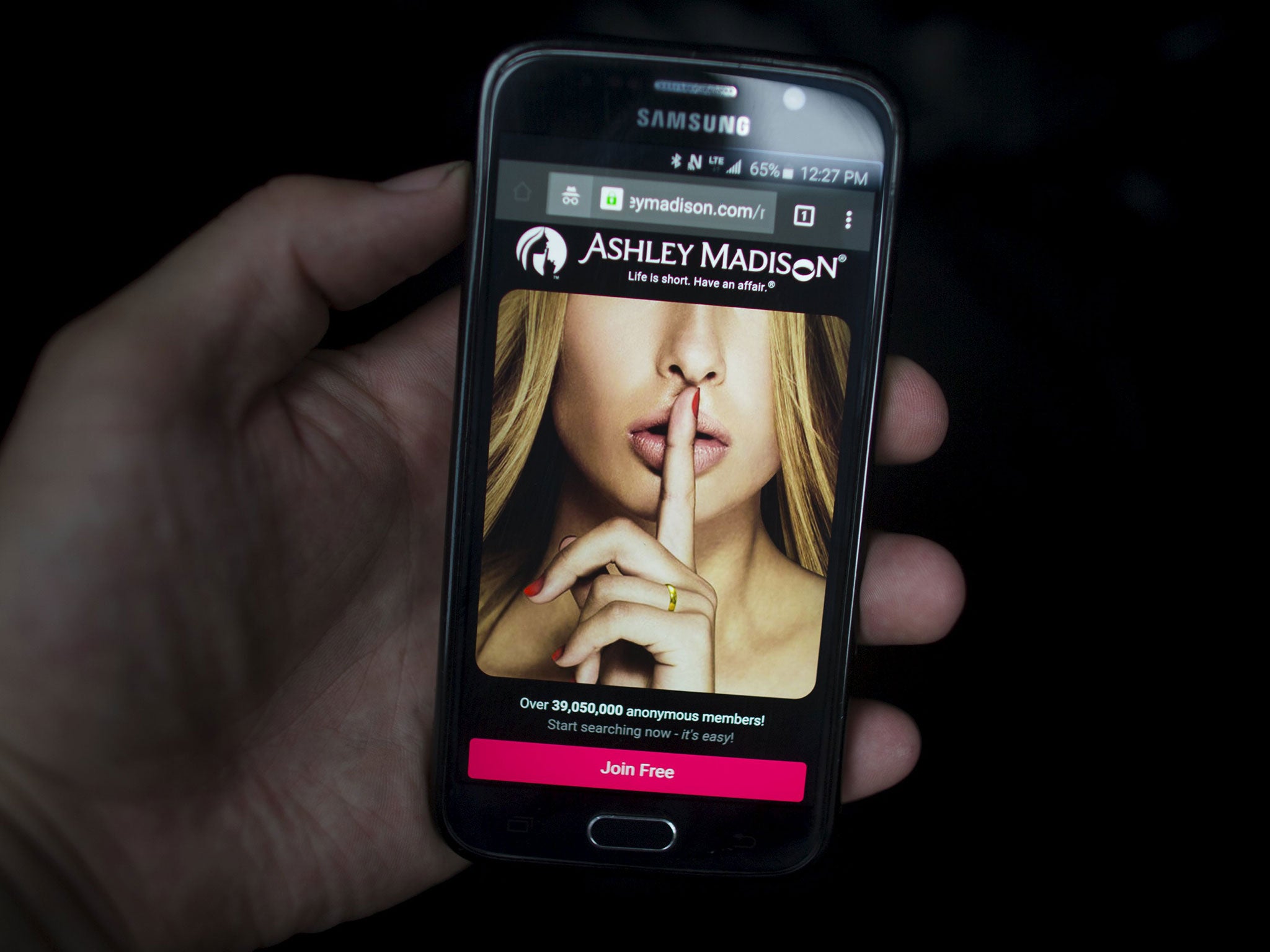
Ashley Madison works by providing a discrete, credit-based platform specifically designed for individuals seeking extramarital affairs or non-monogamous arrangements. While women typically use the service for free, men purchase credits to initiate conversations and access premium features. Success on the platform relies on profile optimization, utilizing privacy-masking tools, and understanding the specific communication protocols that govern the user experience.
Understanding the Core Philosophy and Mechanism of Ashley Madison
Ashley Madison occupies a unique niche in the online dating landscape, focusing almost exclusively on "married dating." In 2026, the platform continues to operate on a business model that prioritizes user discretion and a "pay-as-you-go" system rather than a recurring monthly subscription for its primary male demographic. This model is intended to minimize the trail of recurring financial transactions while ensuring that only motivated users participate in the ecosystem.
The fundamental mechanism is built on a "free-to-look, pay-to-speak" foundation for male users. Anyone can create a profile and browse local members without spending money. However, once a male user decides to engage with a female user, the credit system is activated. Female users, conversely, generally enjoy full access to the site’s features, including sending and receiving messages, without financial cost. This gendered pricing structure is designed to balance the platform’s demographics, encouraging a higher volume of female participants to meet the demand of the male user base.
The platform's architecture is heavily weighted toward security. Unlike mainstream dating apps that encourage social media integration, Ashley Madison is a siloed environment. It does not allow linking to Facebook, Instagram, or LinkedIn, as the goal is to prevent accidental discovery. This isolation is the cornerstone of how the site works; it creates a "parallel world" where users can explore connections outside their primary relationships without overlapping their digital identities.
Registration and Profile Setup: The First Steps to Discretion
The registration process is the first hurdle in understanding how Ashley Madison works effectively. To maintain anonymity, the platform recommends using a dedicated, "burner" email address that is not connected to any personal or professional accounts. During setup, users are asked for basic information: height, weight, relationship status, and "limits"—a section where users define what they are and are not willing to do.
A critical component of the profile setup is the Photo Lab. Recognizing that facial recognition and reverse-image searches pose a significant risk to its clientele, Ashley Madison provides built-in tools to "fuzz" or mask profile pictures. Users can apply a blur effect or a digital mask over their eyes. Furthermore, the site allows for "Private Showcases." This feature keeps your photos hidden from the general public; you only grant access to your "key" to specific users you are interested in. This gatekeeping mechanism ensures that even if a spouse or acquaintance happened upon the site, they could not easily identify a masked or private profile.
The bio or "About Me" section is where successful users differentiate themselves. Because the platform is inherently transactional regarding time and credits, brevity and clarity are valued. Users who clearly state their intentions—whether they are looking for a long-term emotional affair or a short-term physical encounter—tend to have higher success rates. Vague or empty profiles are often flagged by the community as potential bots or unmotivated users, leading to lower engagement.
The Credit System vs. Subscription Models
One of the most frequent questions regarding how Ashley Madison works involves its financial structure. Unlike Tinder or Match, which use monthly subscriptions, Ashley Madison uses a credit-based economy for male members. Credits are the "currency" used to unlock communication.
The rationale behind credits is two-fold. First, it prevents mass-spamming. If every message costs a specific amount of money, users are more selective about who they contact. Second, it allows for "discreet billing." By purchasing a one-time pack of credits, a user doesn't have a recurring "Ashley Madison" charge appearing on their credit card statement month after month.
Ashley Madison Credit Tiers and Costs (2026 Estimates)
| Feature/Package | Typical Credit Cost | Primary Benefit |
|---|---|---|
| Basic Pack | 100 Credits | Ideal for testing the local waters and sending ~10-15 messages. |
| Classic Pack | 500 Credits | The most popular option; includes "Priority Man" status for a limited time. |
| Elite Pack | 1,000 Credits | Best value for frequent users; includes advanced search filters and priority support. |
| Initiating a Message | 5-10 Credits | Unlocks a conversation thread with a specific user. |
| Reading a "Collect" Message | 5 Credits | Allows a user to open a message sent by a user who didn't pre-pay for the interaction. |
| Priority Mail | 20+ Credits | Places your message at the top of the recipient's inbox. |
It is important to note that once a conversation is "unlocked" with a specific user, subsequent messages in that specific thread are usually free. This encourages users to find a match and stick with them rather than constantly spending credits on new, unproven leads.
Privacy and Security Features: Protecting the User Identity
For the target audience, the technical "how-it-works" is often secondary to the "how-it-stays-hidden." Ashley Madison has implemented several layers of security to address the inherent risks of its service.
One prominent feature is the Panic Button. This is a fast-access link or gesture (on the mobile app) that immediately redirects the browser to a neutral site, such as Google or a news outlet, if someone walks into the room. This is a client-side script that ensures the user can clear their screen in a fraction of a second.
Furthermore, the platform employs Discreet Payment methods. When a user purchases credits, the charge appears on bank statements under generic names like "AM Online" or "Mobile Payment Service" rather than "Ashley Madison." While the specific billing names rotate to maintain anonymity, the platform provides the current billing descriptor at the point of purchase so the user knows what to look for on their statement.
In 2026, Ashley Madison also utilizes AI-driven verification to combat the prevalence of bots, a common criticism in years past. These systems analyze patterns of behavior—such as typing speed, navigation paths, and response times—to distinguish between human women and automated scripts. While no site is entirely free of fake profiles, these technical measures have significantly improved the "real person" ratio on the platform.
Messaging and Communication Tools
Communication on Ashley Madison is tiered based on the level of interest and the credits one is willing to spend. The platform offers several ways to interact:
- Winks: Sending a "wink" is a free way for any user to show interest without spending credits. It is the "icebreaker" of the site. If a user winks back, it indicates a mutual interest, making the expenditure of credits for a message a safer bet.
- Standard Messaging: This is the primary way the site works. A male user spends credits to send a custom message. In 2026, these messages support encrypted media sharing, allowing users to send "disappearing" photos that expire after a single view.
- The Traveling Man: This feature is designed for users who frequent different cities for business. It allows a user to "drop" their profile into a specific geographic location up to a week before they arrive, allowing them to arrange meetings in advance.
- Priority Man: By spending additional credits, a user's profile is highlighted in search results and their messages are moved to the top of the recipient's inbox. In a competitive environment where the male-to-female ratio is skewed, this is often considered a necessary "tax" for visibility.
Evaluating Success Rates: Does Ashley Madison Actually Work?
Whether Ashley Madison "works" depends largely on user expectations and geographic location. In major metropolitan areas, the density of users is high enough that most active members find connections within a few weeks. In rural areas, the platform's efficacy drops significantly as the pool of anonymous users is smaller.
Success is also tied to Profile Health. Profiles with a clear (but masked) photo, a filled-out bio, and a "Verified" badge have a 70% higher engagement rate than empty profiles. Furthermore, the "Search" function allows users to filter by "Recently Active." Because many people join the site and then abandon it out of guilt or fear, focusing only on users who have logged in within the last 24 hours is the most efficient way to use credits.
It is also vital to understand the "Conversion Funnel" of the site. Most successful interactions follow a predictable path:
- Discovery: Finding a user via the "Recently Active" filter.
- Icebreaking: Sending a Wink or a Favorite.
- Engagement: Sending a personalized message (spending credits).
- Off-Platform Migration: Once trust is established, users typically move to an encrypted messaging app (like Telegram or Signal) to finalize details, as the Ashley Madison interface is best for discovery, not long-term daily chatting.
Common Challenges and Troubleshooting
Users often encounter hurdles that make them think the site isn't working. The most common is the "Ghosting" phenomenon. Because of the high-stakes nature of affairs, many users get "cold feet" and delete their accounts without notice. This is a standard part of the platform's culture rather than a technical failure.
Another common issue is Credit Management. Users may find their credits depleted quickly if they send "Priority Mail" to every user they see. To troubleshoot low response rates, users should check if their profile is "Public" or "Private." If a profile is too private, other users cannot find it in search results, effectively making the account invisible.
Lastly, the Photo Key system can sometimes be a bottleneck. If a user asks for your "Key" and you don't respond, they often move on immediately. Managing your Photo Key requests is essential for maintaining momentum in a potential connection.
Comparing Ashley Madison to Alternative Platforms
While there are many dating sites, Ashley Madison’s specific "married" focus differentiates it from general-purpose apps.
| Feature | Ashley Madison | Tinder / Bumble | AdultFriendFinder |
|---|---|---|---|
| Primary Intent | Discretion/Affairs | General Dating | Hookups/Fetish |
| Privacy Tools | High (Masking, Keys) | Low (Social Links) | Moderate |
| Cost Structure | Credits (Men Pay) | Subscription/Freemium | Subscription |
| Anonymity | Extreme | Minimal | Moderate |
| Audience | Married/Attached | Mostly Single | Mixed |
Ashley Madison works better than Tinder for this specific niche because Tinder requires a phone number or social media link, which can lead to "Suggested Friends" notifications for your spouse. Ashley Madison’s technical refusal to link with outside data sources is its greatest functional advantage.
Frequently Asked Questions
Is Ashley Madison free for women in 2026?
Yes, Ashley Madison remains free for women to use, including sending and receiving messages and using the search features. This policy is central to the site's business model, as it ensures a consistent flow of female users to the platform, which in turn attracts male users who are willing to pay for credits. Occasionally, certain specialized features might have a cost, but the core functionality for women remains $0.
How do I delete my Ashley Madison account permanently?
Ashley Madison offers two options: Deactivation and Full Deletion. Deactivation hides your profile from search results but keeps your data on the server in case you want to return. Full Deletion (sometimes called "Full Erase") is a paid service or an included feature in premium packages that scrubs your profile, messages, and photos from the database entirely. Given the sensitivity of the site, the "Full Erase" is the recommended route for those finished with the service.
Can I use Ashley Madison without a photo?
Technically, yes, you can browse and even message without a photo, but your success rate will be near zero. Most users will not respond to a "blank" profile because of the high risk of bots or "law enforcement/scammer" stings. The better approach is to use a photo but utilize the site’s "Fuzzing" or "Masking" tools to hide your identity until you trust a specific individual enough to share your "Private Key."
What are the "Collect" messages I keep seeing?
A "Collect" message is a message sent by a user who has not pre-paid to open a communication line with you. To read it, you must spend a small number of credits (usually 5). This functions similarly to a "collect call" from the past. It is a way for the platform to monetize the recipient's interest. Many experienced users ignore collect messages unless the sender's profile is exceptionally compelling.
Is the site safe from hackers in 2026?
Following the high-profile breach in 2015, the platform overhauled its security infrastructure. In 2026, it uses industry-standard AES encryption and does not store sensitive "plain text" data. However, no platform is 100% unhackable. The safest way to use the site is to assume a breach could happen and use a burner email, a masked photo, and avoid sharing your real name or workplace until you meet someone in person.
Final Recommendation for New Users
To make Ashley Madison work for you, treat it as a specialized tool rather than a standard social app. Start with a Basic Credit Pack to test the responsiveness of users in your specific zip code before committing to a larger Elite package. Always use the internal blurring tools for your photos and never use your real name or primary email address. By following these protocols, you can navigate the platform with the highest degree of discretion and the best chance of finding a compatible partner.