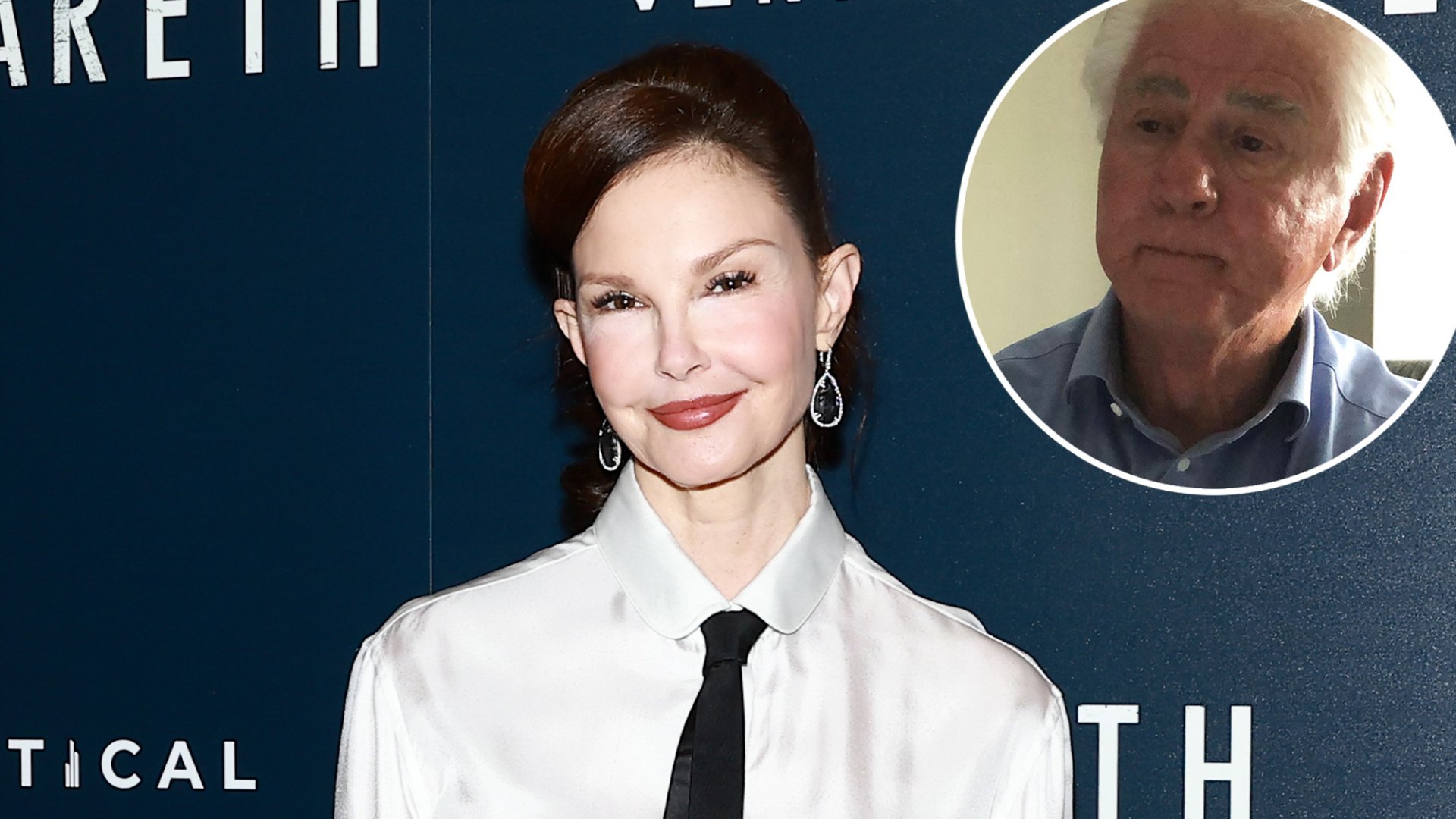
Ashley Judd does not have biological or adopted children. She made a conscious, personal decision in her early adulthood to remain childfree, stating that she felt a moral obligation to care for the children already born into poverty and displacement globally rather than conceiving her own.
For decades, public interest in Ashley Judd’s personal life has frequently centered on her decision regarding motherhood. As a prominent actress, political activist, and humanitarian, Judd has been remarkably transparent about her reasons for not having children. Her stance is not merely a lifestyle preference but a deeply held philosophical and ethical conviction that has shaped her career and her extensive work with global non-governmental organizations (NGOs).
The Philosophical Foundation of Ashley Judd’s Choice
Ashley Judd first publicly detailed her decision to remain childfree in her 2011 memoir, All That Is Bitter and Sweet. In the book, she recounts a pivotal moment in her late teens when she decided that she would not have biological children. Judd’s reasoning was rooted in an awareness of global overpopulation and the plight of millions of children living in extreme poverty, orphanages, and refugee camps.
She famously wrote that it was "unconscionable" to breed with "the number of children who are starving to death in impoverished countries." This perspective aligns with certain environmental and humanitarian ethics that prioritize the welfare of the existing global population over the continuation of one’s own genetic line. For Judd, the act of not having children was an act of service to the children who already existed.
The Impact of Childhood Trauma
Judd has also spoken extensively about her own upbringing, which was characterized by significant instability and periods of trauma. The daughter of country music legend Naomi Judd and sister to Wynonna Judd, Ashley moved frequently as a child and experienced moments of neglect and abuse, which she later processed through intensive therapy and 12-step programs.
Psychologists often note that individuals who experience childhood instability may approach the idea of parenthood with extreme caution or a desire to "break the cycle" by focusing their nurturing energy elsewhere. In Judd’s case, she redirected that energy toward global advocacy, effectively becoming a maternal figure on a macro scale rather than within a traditional nuclear family.
Marriage to Dario Franchitti and the "No Kids" Agreement
In 2001, Ashley Judd married Scottish racing driver Dario Franchitti. The couple remained married for 12 years before announcing their amicable divorce in 2013. Throughout their marriage, the question of whether they would start a family was a frequent topic in the media.
However, Judd and Franchitti remained consistent in their choice. Their marriage was characterized by mutual support for their respective high-intensity careers—his in IndyCar racing and hers in film and international activism. The absence of children allowed Judd the mobility required for her frequent trips to conflict zones and developing nations, a level of travel that would be significantly more difficult with young children at home.
Even after their divorce, Judd and Franchitti maintained a close friendship, often referring to each other as family. This reinforces the idea that Judd’s definition of "family" is not restricted to biological offspring but is built on long-term emotional bonds and shared values.
Ashley Judd as a Global Mother: Humanitarian Contributions
By choosing not to have children of her own, Ashley Judd transitioned into a role she often describes as a "global citizen" with a responsibility to all children. Her work as a Global Goodwill Ambassador for the UNFPA (United Nations Population Fund) has been the cornerstone of this identity.
Advocacy for Maternal Health and Child Safety
Judd’s work with the UNFPA focuses heavily on sexual and reproductive health. She has traveled to dozens of countries, including the Democratic Republic of the Congo, South Sudan, and India, to advocate for:
- The Eradication of Child Marriage: Working to ensure girls can stay in school rather than being forced into early marriages and premature childbearing.
- Maternal Mortality Reduction: Supporting programs that provide safe birthing conditions in regions where childbirth is a leading cause of death for women.
- Gender-Based Violence Prevention: Advocacy for legal protections and support systems for survivors of domestic and sexual violence.
Her commitment to these causes provides a clear answer to the "why" behind her childfree status. In her view, her life is "full" because she is working to ensure that the children already on this planet have a chance at a healthy, safe, and educated life.
Psychological and Societal Context of the "Childfree" Choice
In the context of 2026, the choice to remain childfree is increasingly common and socially accepted, but when Judd first announced her stance, it was met with significant scrutiny. She was a pioneer in the "Childfree by Choice" movement, demonstrating that a woman’s value is not tied to her reproductive capacity.
Her transparency has provided a roadmap for others who feel a similar "calling" to focus on external humanitarian goals rather than internal family building. The technical term for her perspective is often linked to "Antinatalism" or "Ethical Childlessness," where the decision is based on a moral evaluation of the state of the world.
The Judd Family Legacy and the Next Generation
While Ashley Judd does not have children, she is part of one of the most famous families in American music and entertainment history. The death of her mother, Naomi Judd, in 2022, brought the family’s internal dynamics into the spotlight once again.
Relationship with Sister Wynonna’s Children
Ashley is an aunt to Wynonna Judd’s two children, Elijah and Grace. While she has kept her relationship with her niece and nephew relatively private, it is known that she has played a supportive role in their lives. This "Aunt" role allows her to experience the joys of familial connection without the 24/7 responsibilities of primary parenthood, further enabling her dedicated focus on her global missions.
Managing the Judd Estate
As of 2026, Ashley and Wynonna continue to manage the legacy of The Judds. The absence of direct heirs from Ashley’s side means that the long-term stewardship of her personal portion of the family legacy will likely eventually pass to her sister’s children or be bequeathed to the various charitable foundations she supports. This is a common path for high-net-worth individuals who choose not to have children, ensuring that their wealth continues to fund the causes they championed during their lives.
Comparison of Life Milestones: Career vs. Advocacy
To understand how Ashley Judd "filled" the space traditionally occupied by parenting, it is helpful to look at her parallel tracks of professional success and humanitarian milestones.
| Period | Career Highlight | Humanitarian/Personal Milestone |
|---|---|---|
| 1990s | Starring roles in Ruby in Paradise and Double Jeopardy. | Formulated her stance on being childfree; began exploring global activism. |
| 2001–2010 | Appeared in De-Lovely; nominated for multiple awards. | Married Dario Franchitti; Published memoir All That Is Bitter and Sweet (2011). |
| 2011–2020 | Starred in the Divergent series and Berlin Station. | Appointed UNFPA Goodwill Ambassador; became a leading voice in the #MeToo movement. |
| 2021–2026 | Focused on documentary work and executive producing. | Intensified advocacy for the "Naomi Judd Law" and mental health awareness. |
Addressing Common Misconceptions
There are several recurring myths regarding Ashley Judd’s status as a woman without children. Addressing these is essential for a complete understanding of her biography.
- Infertility: There is no public evidence to suggest that Judd’s choice was forced by biological infertility. She has consistently stated it was an intentional choice made in her youth.
- Dislike of Children: On the contrary, Judd’s career is defined by her love for children. Her activism is specifically designed to protect the most vulnerable children in the world.
- Regret: In various interviews spanning over three decades, Judd has never expressed regret. She often speaks of her life as being incredibly "abundant" and "complete."
Expert Analysis: The Celebrity "Childfree" Influence
Sociologists note that celebrities like Ashley Judd play a crucial role in shifting cultural norms. By articulately defending her choice, she has helped de-stigmatize the "childfree" label. This is particularly relevant for women in high-pressure industries where "having it all" is often defined as balancing a demanding career with traditional motherhood. Judd redefined "having it all" as having the freedom to dedicate oneself entirely to a chosen purpose—in her case, the defense of human rights.
Her technical approach to advocacy—using her platform to gain access to world leaders and then presenting data-driven arguments for maternal health—shows a level of professional dedication that she believes would have been diluted by the demands of parenting.
Frequently Asked Questions
Did Ashley Judd ever consider adoption?
In her memoir, Judd mentioned that if she ever felt the urge to parent, she would adopt a child already in need rather than conceiving. However, as her humanitarian work expanded, she felt that her role as a "global advocate" served more children than adopting one or two individuals into her home would. She chose the "macro" approach to caretaking.
Does Ashley Judd have any stepchildren?
No. During her marriage to Dario Franchitti, he did not have children from previous relationships, and the couple did not have children together. Franchitti later remarried and had children with his second wife, Eleanor Robb, but Ashley Judd does not have a formal "stepmother" role in that family, though she remains on friendly terms with Franchitti.
How does Ashley Judd respond to critics of her "childfree" choice?
Judd typically responds with grace and intellectual rigor. She often points back to the statistics of global poverty and maternal mortality. She has stated in interviews that her conscience is her primary guide, and she feels at peace with her decision to prioritize the world’s existing children over creating new ones.
Is Ashley Judd’s decision related to her mental health advocacy?
While not the primary reason, Judd has been open about her struggles with depression. She has emphasized the importance of self-care and mental health awareness. For some, the decision not to have children is a part of managing their mental well-being and ensuring they can maintain their own health while contributing to society in other ways.
What is Ashley Judd's current focus in 2026?
As of 2026, Ashley Judd continues her work with the UNFPA and has become increasingly involved in legislative advocacy. Following the passing of her mother, she has been a staunch advocate for privacy rights for families of public figures during times of crisis and continues to promote the "Naomi Judd Law" initiatives across various states.
Summary of Next Actions for Readers
For those inspired by Ashley Judd’s advocacy or those seeking to understand the childfree movement further, consider the following actions:
- Research the UNFPA: Visit the UNFPA website to learn more about the maternal health and child safety programs Judd supports.
- Read Her Memoir: All That Is Bitter and Sweet provides the most in-depth look at her childhood and the formation of her worldviews.
- Support Global Education: Judd frequently advocates for girls' education as a tool for poverty reduction; organizations like Malala Fund or Plan International align with her mission.
Ashley Judd’s "lack" of children is not a void in her life, but rather a space she has intentionally filled with global service. Her legacy will likely be measured not by descendants, but by the thousands of lives impacted through her humanitarian interventions.