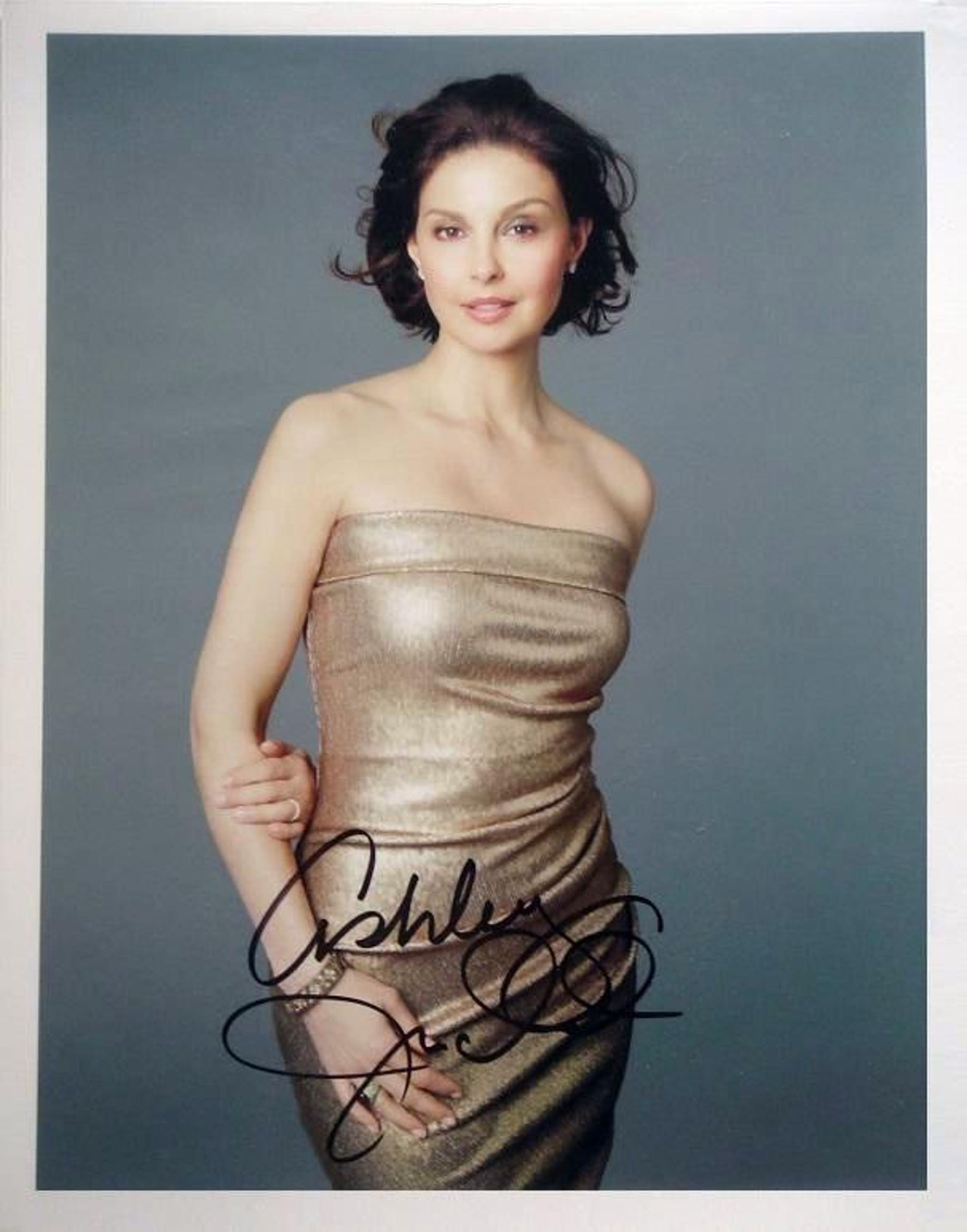
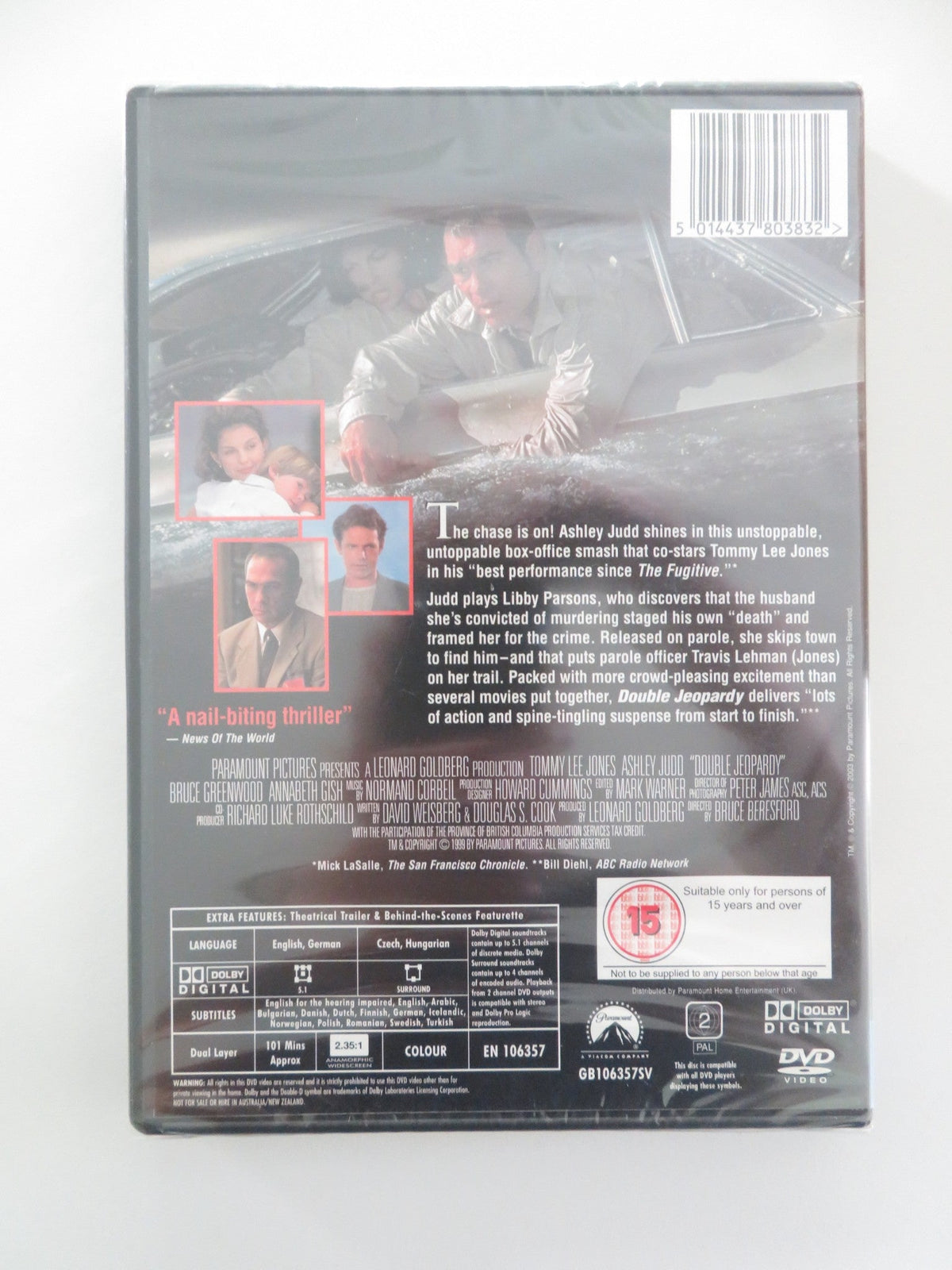
When the neo-noir thriller Double Jeopardy premiered in theaters on September 24, 1999, lead actress Ashley Judd was 31 years old. Born on April 19, 1968, Judd was at the height of her commercial appeal, having successfully transitioned from independent film darling to a bankable Hollywood leading lady capable of carrying major studio productions.
The film, directed by Bruce Beresford, became a significant box-office success, grossing over $177 million worldwide. For Judd, playing the character of Libby Parsons at age 31 represented a pivotal moment where her physical maturity, acting range, and public persona aligned to create one of the most memorable "woman-in-peril turned-avenger" roles of the 1990s.
The Timeline of Double Jeopardy: Production and Release
To understand the context of Ashley Judd's age during the film, one must look at the production cycle. Principal photography for Double Jeopardy took place primarily in 1998 and early 1999. During the filming process, Judd was 30, turning 31 just months before the film’s autumn release.
The late 1990s were a prolific period for Judd. In the years surrounding Double Jeopardy, she was consistently cast in roles that required a blend of vulnerability and steely resolve. At 31, she possessed the gravitas to play a mother and a convicted felon, while still maintaining the youthful energy required for the film's physically demanding action sequences, which included underwater escapes and grueling athletic training montages.
Filming Locations and Atmosphere
The production moved between the lush landscapes of British Columbia, Canada, and the atmospheric streets of New Orleans, Louisiana. These locations were chosen to reflect the character's journey from a life of luxury to the isolation of prison, and finally to her quest for justice. Judd's performance was noted for its groundedness; at 31, she avoided the "starlet" tropes of the era, opting instead for a performance that felt weathered and authentic.
Ashley Judd’s Career Trajectory at Age 31
By the time she reached 31, Ashley Judd had already established a formidable resume. Her breakout role in the 1993 independent film Ruby in Paradise had proven her acting chops, earning her an Independent Spirit Award. However, it was her work in the mid-to-late 90s that cemented her status as the "queen of the psychological thriller."
In 1997, at age 29, she starred in Kiss the Girls alongside Morgan Freeman. That film introduced her to a wider audience as a strong-willed survivor. By 31, with Double Jeopardy, she was no longer just a supporting player or a co-lead; she was the primary engine of the plot.
The "Thriller Queen" Era
The late 90s and early 2000s saw a surge in female-led thrillers, and Judd was the face of this movement. Following Double Jeopardy, she continued this trend with films like High Crimes (2002). At 31, she occupied a unique space in Hollywood: she was old enough to be taken seriously in professional and parental roles, yet young enough to appeal to the demographic that fueled the weekend box office.
Understanding Libby Parsons: The Character at the Core
In Double Jeopardy, Judd plays Libby Parsons, a woman who is framed by her husband for his own murder. After spending years in prison, she discovers he is still alive and living under a new identity with their son. The emotional core of the movie relies on the audience believing in Libby's transformation.
Judd’s portrayal of Libby’s time in prison is central to the film’s success. At 31, Judd was able to portray the passage of time—the six years Libby spends incarcerated—with a subtle shift in body language and facial expression. The character enters prison as a socialite and exits as a focused, physically capable woman driven by maternal instinct and a desire for retribution.
Physical Preparation
Judd was known for her commitment to the physicality of her roles. In Double Jeopardy, her character undergoes a rigorous fitness regime while in prison to prepare for her eventual confrontation with her husband. At 31, Judd performed many of her own stunts, contributing to the visceral feel of the film’s second half.
The Legal Myth: Does the Double Jeopardy Clause Work This Way?
The primary hook of the film—and the reason for its title—is a legal theory presented to Libby by a fellow inmate. The theory suggests that because Libby has already been tried and convicted for the murder of her husband, she can now kill him in broad daylight with total impunity. This is based on the Double Jeopardy Clause of the Fifth Amendment to the U.S. Constitution.
However, legal experts have long pointed out that the film’s central premise is a dramatic fabrication. As of 2026, this remains one of the most famous examples of "Hollywood Law."
The Reality of the Fifth Amendment
The Double Jeopardy Clause protects individuals from being prosecuted twice for the same offense. In the eyes of the law, "offense" refers to a specific set of facts and actions at a specific time and place.
| Film Premise | Legal Reality |
|---|---|
| If you are convicted of killing someone who is actually alive, you can kill them later for "free." | Killing the person at a later date is a separate criminal act, occurring at a different time and location. |
| The state cannot try you twice for the murder of the same person. | The state cannot try you twice for the same instance of murder. A new act constitutes a new crime. |
| The Fifth Amendment provides a "license to kill" if a prior wrongful conviction exists. | Wrongful convictions are addressed through appeals, exonerations, and civil lawsuits, not through sanctioned future crimes. |
Even at the time of the film's release in 1999, the U.S. Supreme Court's interpretation of the Fifth Amendment was clear: the protection applies to the "same transaction" of facts. If Libby Parsons were to kill her husband in the middle of a crowded New Orleans street years after her initial conviction, it would be considered a new, distinct homicide.
The Role of Tommy Lee Jones
While Judd was 31 during the film’s release, her co-star Tommy Lee Jones was 53. Jones played Travis Lehman, a cynical parole officer who eventually realizes Libby is telling the truth. The dynamic between the 31-year-old Judd and the veteran Jones provided a necessary balance to the film.
Jones’s character served as the audience's surrogate, moving from skepticism to advocacy. The chemistry between the two was not romantic but rather grounded in a shared sense of duty and justice. This professional, high-stakes relationship helped the film transcend typical genre tropes.
Cultural Impact and 90s Nostalgia
Looking back from the perspective of 2026, Double Jeopardy stands as a quintessential 90s thriller. It features the signature aesthetic of the era: high-contrast lighting, a sweeping orchestral score, and a plot driven by a "high-concept" hook.
For Ashley Judd, being 31 at this moment meant she was part of the final generation of stars who could carry a mid-budget thriller to massive success before the industry shifted heavily toward franchise-based superhero cinema. The film’s success was a testament to her individual star power and the audience's appetite for grounded, character-driven suspense.
Box Office and Critical Reception
- Release Date: September 24, 1999
- Budget: $45 million (estimated)
- Domestic Gross: $116 million
- Worldwide Gross: $177 million
While critics were divided on the film’s logic, they were almost universally positive regarding Judd’s performance. She was praised for her ability to make an improbable situation feel emotionally urgent.
Ashley Judd’s Filmography: The Surrounding Years
To see where Double Jeopardy fits into Judd's career, it is helpful to look at the roles she took on as she navigated her late 20s and early 30s.
| Year | Film Title | Role | Judd's Age at Release |
|---|---|---|---|
| 1995 | Heat | Charlene Shiherlis | 27 |
| 1996 | A Time to Kill | Carla Brigance | 28 |
| 1997 | Kiss the Girls | Dr. Kate McTiernan | 29 |
| 1999 | Double Jeopardy | Libby Parsons | 31 |
| 2000 | Where the Heart Is | Lexie Coop | 32 |
| 2002 | High Crimes | Claire Chapman | 34 |
This table illustrates that age 31 was the literal midpoint of her most commercially dominant decade. By 2002, she had become one of the highest-paid actresses in Hollywood, thanks in large part to the momentum generated by Double Jeopardy.
Practical Legacy: Where to Watch and Revisit
As of 2026, Double Jeopardy remains a popular title on streaming platforms and cable syndication. Its enduring popularity is often attributed to the "catharsis" factor—the satisfaction of watching a character who has been deeply wronged take control of her destiny.
For fans of Ashley Judd, the film serves as a time capsule of an actress at her physical and professional peak. At 31, she possessed a specific type of cinematic magnetism that combined the relatability of an "everywoman" with the intensity of a classic Hollywood star.
Common Misconceptions About the Film
Aside from the legal fallacy of the Double Jeopardy Clause, several other misconceptions often arise when discussing the film decades later.
- The "Sam Sheppard" Connection: Some viewers confuse the plot with the real-life case of Sam Sheppard (which inspired The Fugitive). While both involve a spouse framed for murder, Double Jeopardy is entirely fictional.
- The Ending: Many people misremember the ending as Libby getting away with murder. In reality, the film navigates the climax with a focus on self-defense and the intervention of law enforcement, partially sidestepping the "license to kill" logic it spent the movie promoting.
- Judd’s Stunt Work: There is a persistent rumor that Judd performed the car-off-the-pier stunt herself. While she did perform significant underwater work in a controlled tank, the high-risk vehicular stunts involved professional stunt coordinators for safety.
FAQ: Ashley Judd and Double Jeopardy
How old was Ashley Judd when she filmed Double Jeopardy?
Ashley Judd was 30 years old during the majority of the filming in 1998 and early 1999. She turned 31 in April 1999, approximately five months before the film was released in theaters.
Is the law in the movie Double Jeopardy real?
No, the legal premise is incorrect. The Fifth Amendment’s Double Jeopardy Clause prevents you from being tried for the same criminal act twice. However, if you were convicted of a murder that didn't happen and then later committed that murder for real, it would be considered a new crime with new facts, and you could be prosecuted for it.
Who directed Ashley Judd in Double Jeopardy?
The film was directed by Bruce Beresford. Beresford is also well-known for directing Driving Miss Daisy, which won the Academy Award for Best Picture.
What was Ashley Judd's breakout role before Double Jeopardy?
Her most significant early role was in the 1993 film Ruby in Paradise. This independent film earned her critical acclaim and caught the attention of major Hollywood casting directors, eventually leading to her roles in Heat and Kiss the Girls.
Did Ashley Judd win any awards for Double Jeopardy?
While the film was a major box-office hit, it did not garner major acting awards like the Oscars or Golden Globes. However, Judd received a Blockbuster Entertainment Award for "Favorite Actress - Suspense," which reflected her massive popularity with general audiences at the time.
Final Recommendation for Viewers
If you are revisiting Double Jeopardy in 2026, it is best enjoyed as a masterclass in 1990s tension and a showcase for Ashley Judd’s star power at age 31. To fully appreciate the performance, ignore the legal technicalities and focus on the emotional arc of Libby Parsons. The film remains a compelling study of resilience and is a must-watch for anyone interested in the history of the psychological thriller genre. For those interested in Judd's broader work, pairing this film with Kiss the Girls (1997) and High Crimes (2002) provides a complete picture of her "thriller trilogy" era.