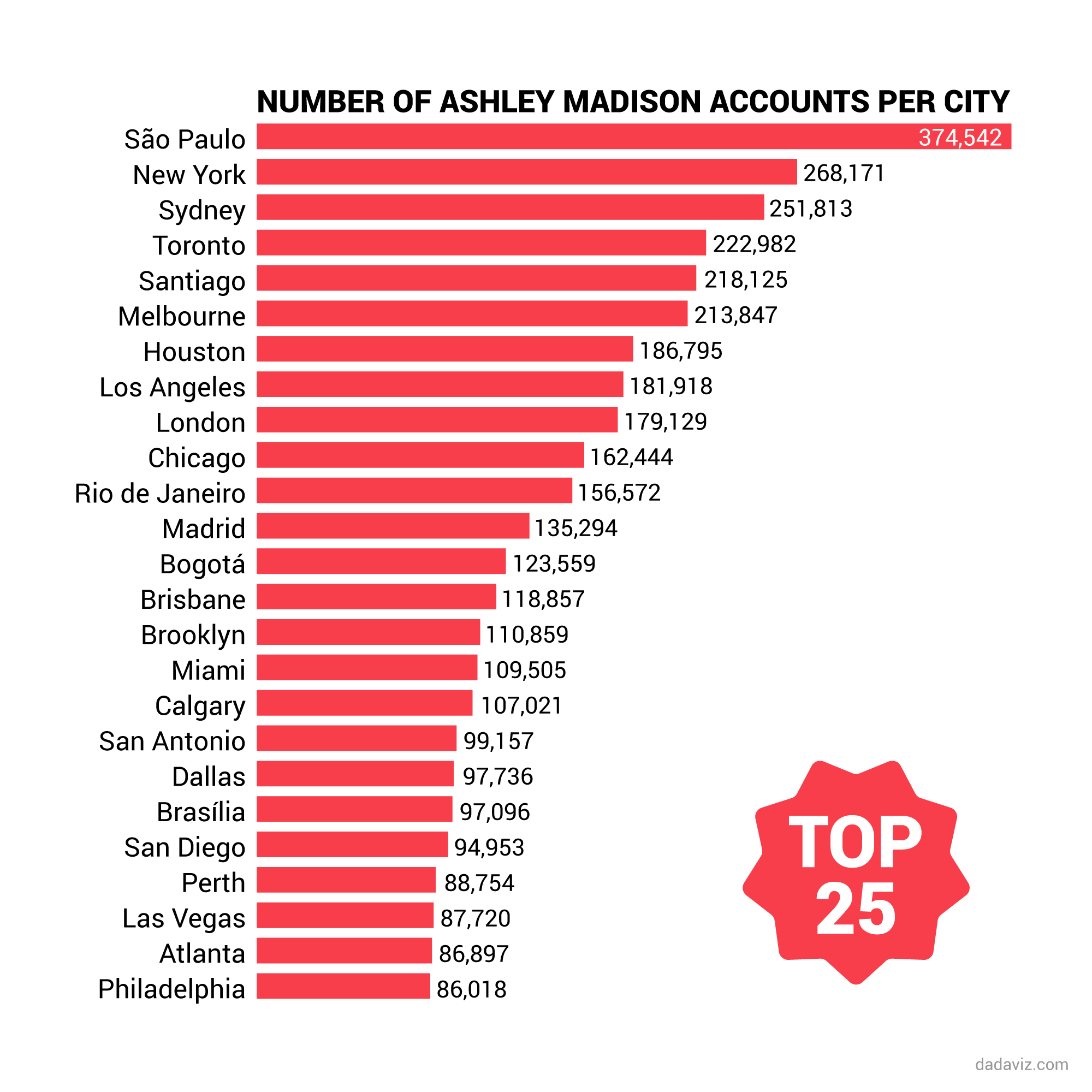
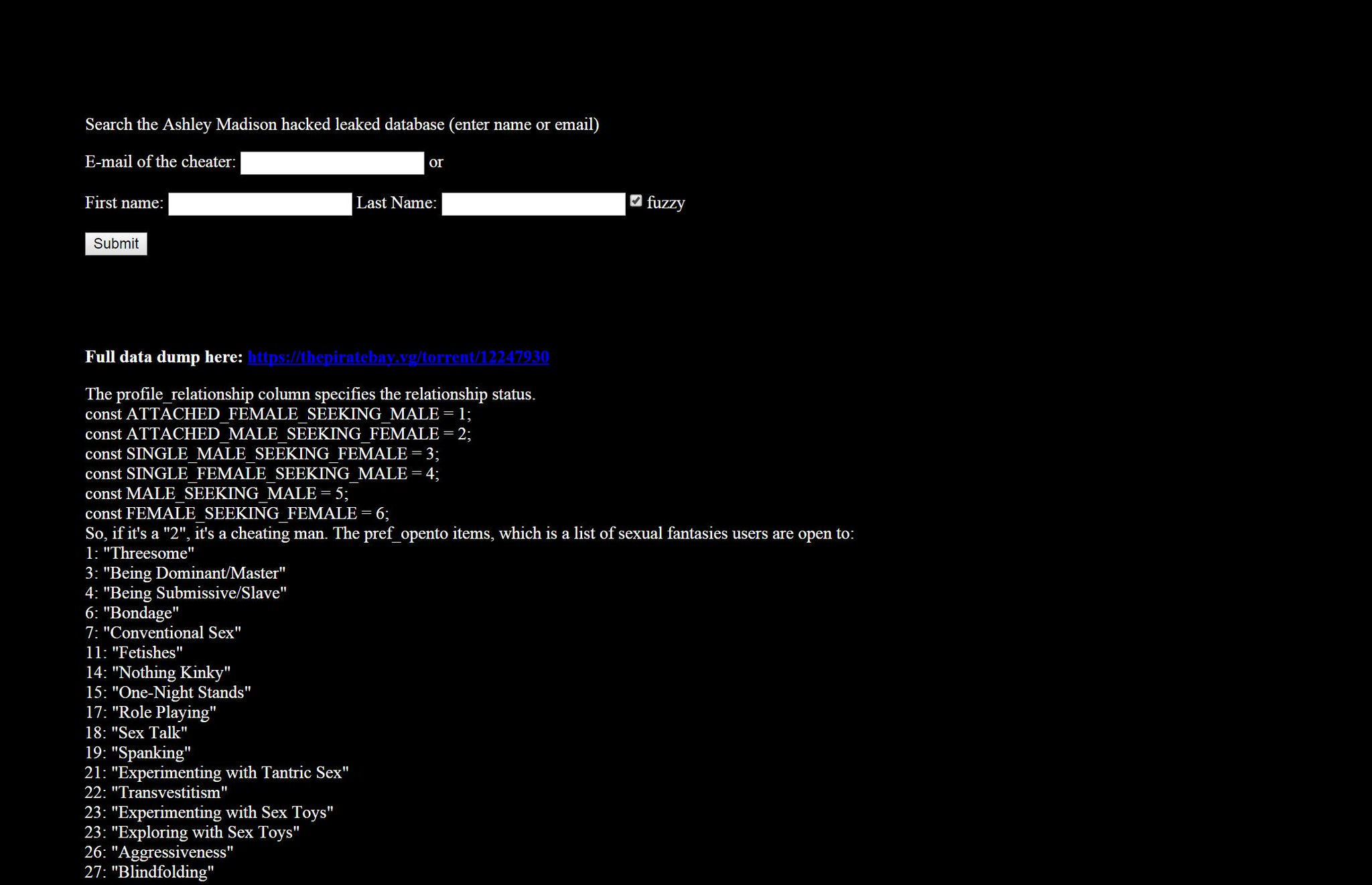
While the original 2015 Ashley Madison data breach remains archived in certain corners of the dark web, most public "searchable" websites today are malicious scams or outdated mirrors. Individuals can safely verify their exposure through reputable breach aggregators like Have I Been Pwned, but direct access to the full list is fraught with extreme cybersecurity risks.
The Historical Context of the 2015 Ashley Madison Breach
The Ashley Madison data breach remains one of the most significant events in the history of digital privacy and corporate accountability. In July 2015, a group calling itself "The Impact Team" successfully infiltrated the servers of Avid Life Media (now Ruby Life Inc.), the parent company of the infidelity-focused dating site Ashley Madison. The attackers did not initially release the data; instead, they demanded that the company shut down Ashley Madison and its sister site, Established Men, citing the company’s "Full Delete" service as a primary grievance. The attackers claimed that even when users paid for the deletion of their accounts, their information remained on the servers.
When the company refused to comply, The Impact Team released approximately 25 gigabytes of data in August 2015. This massive dump included the personal details of over 32 million users, ranging from names and home addresses to email addresses, credit card transaction records, and even specific sexual preferences. The fallout was immediate and devastating, leading to high-profile resignations, broken marriages, and several reported cases of extortion and suicide.
In 2026, the breach is viewed as a watershed moment for the "Right to be Forgotten" and the necessity of robust encryption. For those looking for a "searchable" version of this list today, it is vital to understand that the digital landscape has shifted. The raw SQL (Structured Query Language) files that were originally dumped are no longer easily accessible to the general public through standard search engines. Most original hosting sites were taken down by law enforcement or DMCA (Digital Millennium Copyright Act) notices years ago.
Why a "Searchable" List is a Security Risk in 2026
Individuals searching for "ashley madison cheaters list searchable" today are often motivated by personal suspicion or curiosity. However, the search itself is now a primary vector for modern cybercrime. Because the original leak is a decade old, search engines have largely scrubbed direct links to the raw data. This has created a vacuum filled by "honeypot" websites—sites designed to look like searchable databases but which actually serve malicious purposes.
The most common threat on these sites is credential harvesting. When a user arrives at a site claiming to have a searchable list, they are often asked to provide their own email address or credit card information to "unlock" the results. This is a classic phishing tactic. The operators of these sites are not providing information; they are collecting it to sell on the dark web or to compromise the searcher’s personal accounts.
Furthermore, these platforms are notorious for distributing ransomware and spyware. Because users looking for the Ashley Madison list are often in a state of emotional distress or are seeking sensitive information, they may be less cautious about clicking on suspicious pop-ups or downloading "viewer" applications. In 2026, advanced browser exploits can install malware even without a direct download, making these unverified "searchable" sites extremely dangerous to visit.
Fact-Checking the Data: Bots, Fakes, and Inaccuracies
One of the most critical aspects to understand about the Ashley Madison list is that its inclusion of an email address is not definitive proof of an individual's activity on the site. Shortly after the 2015 leak, independent researchers and journalists, most notably from Gizmodo, discovered that the site was heavily populated by "fembots"—automated programs designed to mimic female users to keep male subscribers engaged.
The technical analysis revealed that thousands of accounts were created using fake email addresses or addresses belonging to people who had never signed up for the service. Because Ashley Madison did not require email verification at the time of account creation, anyone could use any email address to sign up. This led to thousands of innocent people being listed in the breach.
| Feature | Verification Status | Contextual Reality |
|---|---|---|
| Email Addresses | Unverified | Many were entered by third parties or generated by bots. |
| Credit Card Data | Partially Verified | Real names were associated with transactions, but many were for "Full Delete" services. |
| User Activity | Often Fabricated | Site logs showed massive bot interaction; many male users never spoke to a real human. |
| Sexual Preferences | Subjective | Data fields were often filled with default or randomized values for bot profiles. |
In 2026, looking at a "searchable" list and seeing a name or email provides no context regarding the intent of the account holder. The data is "noisy," meaning it is filled with irrelevant or incorrect entries that make it unreliable as a tool for personal investigation.
The Evolution of Privacy Laws and the "Right to be Forgotten"
Since the 2015 breach, global privacy regulations have undergone a massive transformation. The introduction of the General Data Protection Regulation (GDPR) in Europe and the California Consumer Privacy Act (CCPA) in the United States has changed how leaked data is handled. Under these laws, the act of hosting or providing a searchable database of stolen personal information can carry heavy legal penalties.
Individuals whose data was included in the original leak have, in many jurisdictions, the "Right to be Forgotten." This allows them to request that search engines like Google and Bing remove links to sites that display their private information from the breach. Consequently, any site that remains "searchable" in 2026 is likely operating outside of international legal frameworks, often hosted in jurisdictions with little to no cyber-law enforcement.
Accessing these sites can also have legal implications for the searcher. While simply viewing public information is generally not a crime, using that information for extortion, harassment, or "doxxing" (publicly exposing private information) can lead to criminal charges or civil lawsuits. Many workplaces also monitor network traffic, and attempting to access "cheaters lists" from a corporate device can be grounds for termination under many acceptable use policies.
How to Safely Check for Data Exposure
If you are concerned that your information was part of the Ashley Madison breach—or any of the thousands of breaches that have occurred since—there are safe, professional ways to verify this without visiting high-risk "searchable" sites.
- Have I Been Pwned (HIBP): Run by security researcher Troy Hunt, this is the industry standard for breach verification. HIBP allows you to enter an email address and see if it was part of the Ashley Madison dump. It does not show you the password or the specific details of the account to others, protecting the user's privacy while providing the necessary information.
- Identity Monitoring Services: Many credit card companies and identity theft protection services (like Norton LifeLock or Aura) offer dark web monitoring. These services scan for your specific credentials and notify you if they appear in any known database, including the 2015 Ashley Madison leak.
- Password Managers: Modern password managers (such as 1Password or Bitwarden) often include built-in tools that check your saved credentials against known breaches. If you are still using a password that was leaked in 2015, these tools will flag it as "compromised" and urge you to change it immediately.
It is important to remember that the 2015 data is now ancient in terms of cybersecurity. If you have changed your passwords and enabled Multi-Factor Authentication (MFA) in the years since, the data in the Ashley Madison leak is likely useless to hackers.
The Psychology of the Search and Moving Forward
The desire to search a "cheater's list" often stems from a breakdown in trust. However, the technical reality of the Ashley Madison leak makes it a poor tool for finding "the truth." Between the prevalence of bot accounts, the lack of email verification, and the massive amount of fake data, the list is more of a historical curiosity than a reliable record.
For those who find themselves or their loved ones on the list, the best course of action in 2026 is digital hygiene. Ensure that any reused passwords from that era have been retired. Monitor your credit report for any signs of identity theft that may have utilized the leaked address or birthdate information. Most importantly, understand that the presence of an email on the list is not a smoking gun—it is a data point in a notoriously flawed and manipulated database.
Frequently Asked Questions
Is there still a free searchable Ashley Madison list online?
While some mirrors of the 2015 breach still exist, most are non-functional or hidden behind "paywalls" that are actually phishing scams. The safest way to check for an email's presence is through Have I Been Pwned, which does not require payment and is a verified security resource.
Can I be sued for searching the Ashley Madison list?
Simply searching for the list is not typically illegal. However, if you use the information found to harass, stalk, or extort an individual, you could face severe legal consequences. Furthermore, many companies prohibit the access of such databases on work-issued devices or networks.
What should I do if I find my email on the list?
If your email is on the list, it means your data was part of the 2015 leak. You should immediately change any passwords that were associated with that email account at that time. Additionally, ensure that you have enabled two-factor authentication (2FA) on all sensitive accounts to prevent unauthorized access.
Why do some sites charge a fee to search the Ashley Madison database?
Sites that charge a fee to "search" or "remove" your name from the Ashley Madison list are almost always scams. The data was leaked publicly; therefore, no single entity has the power to "remove" it from the internet. Paying these sites only gives your credit card information to potentially malicious actors.
Was the credit card information in the leak full and complete?
The leak contained transaction records, which included names and addresses associated with credit cards, but not the full 16-digit card numbers or CVV codes. However, the partial information was enough for hackers to attempt social engineering attacks or for spouses to identify subscriptions on joint bank statements.
How did Ashley Madison respond to the leak in the long term?
Following the breach and a $1.6 million settlement with the FTC and various states, the company underwent a major rebrand. They improved their security protocols, removed the "Full Delete" fee, and attempted to pivot away from their "Life is short. Have an affair" slogan, though the core service remains the same in 2026.
Practical Recommendation
If you suspect that your information or the information of someone you know is part of the Ashley Madison data breach, do not visit unverified searchable websites. Instead, use Have I Been Pwned to verify exposure. If exposure is confirmed, focus on updating all security credentials and enabling Multi-Factor Authentication (MFA) on all personal accounts. In 2026, the primary threat is no longer the social stigma of the 2015 list, but the very real risk of modern identity theft and malware targeted at those searching for it.